Newsletters


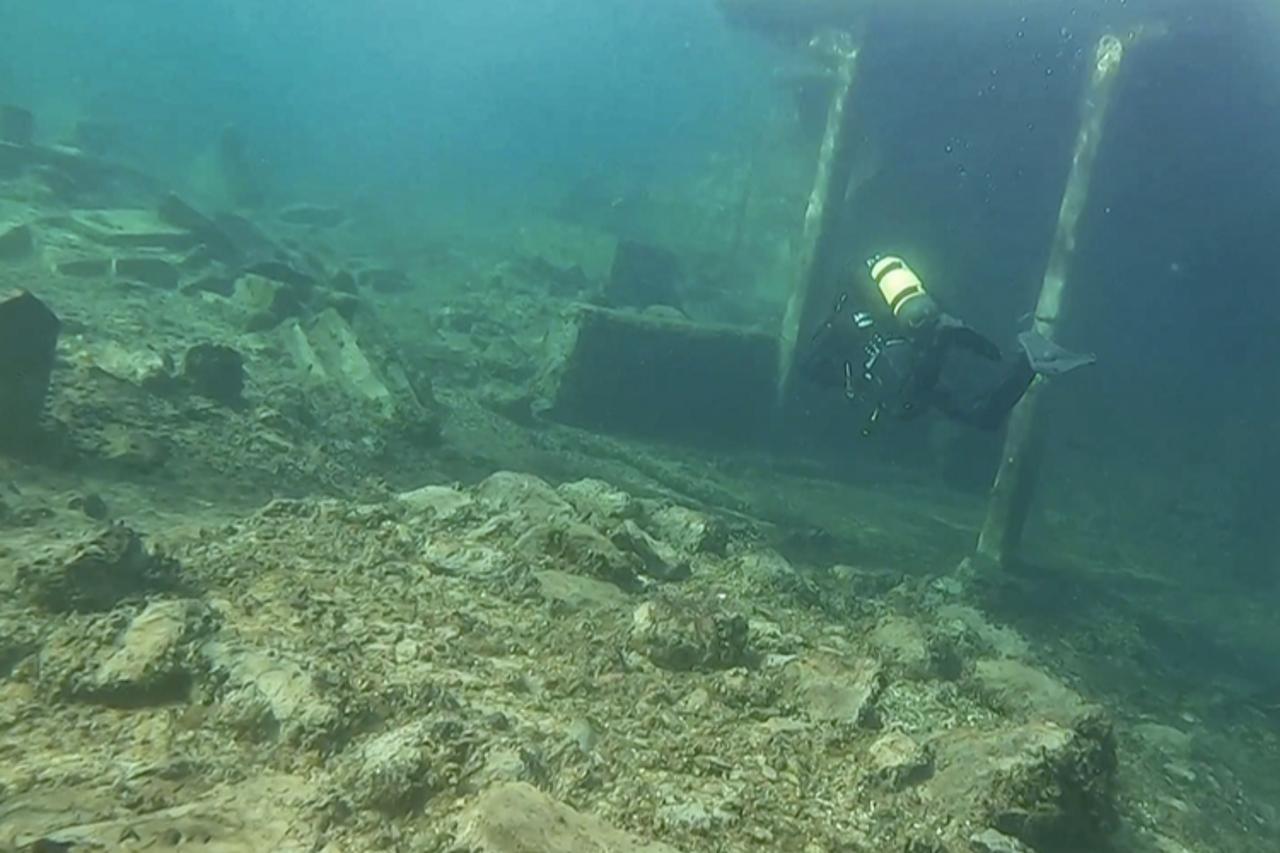


Historic structures dating back nearly 2,400 years have been documented beneath the waters of the Dicle Dam reservoir in southeastern Türkiye, following a recent dive by search and rescue teams.
The images, captured by underwater units of the provincial gendarmerie during a training exercise, reveal a submerged landscape of religious, residential, and public buildings in the district of Egil, located about 52 kilometers from Diyarbakir city center.
The area has long attracted attention for its religious and cultural significance.
However, much of its historical fabric has remained out of sight since the construction of the Dicle Dam, which began in 1986 and started holding water in 1997.
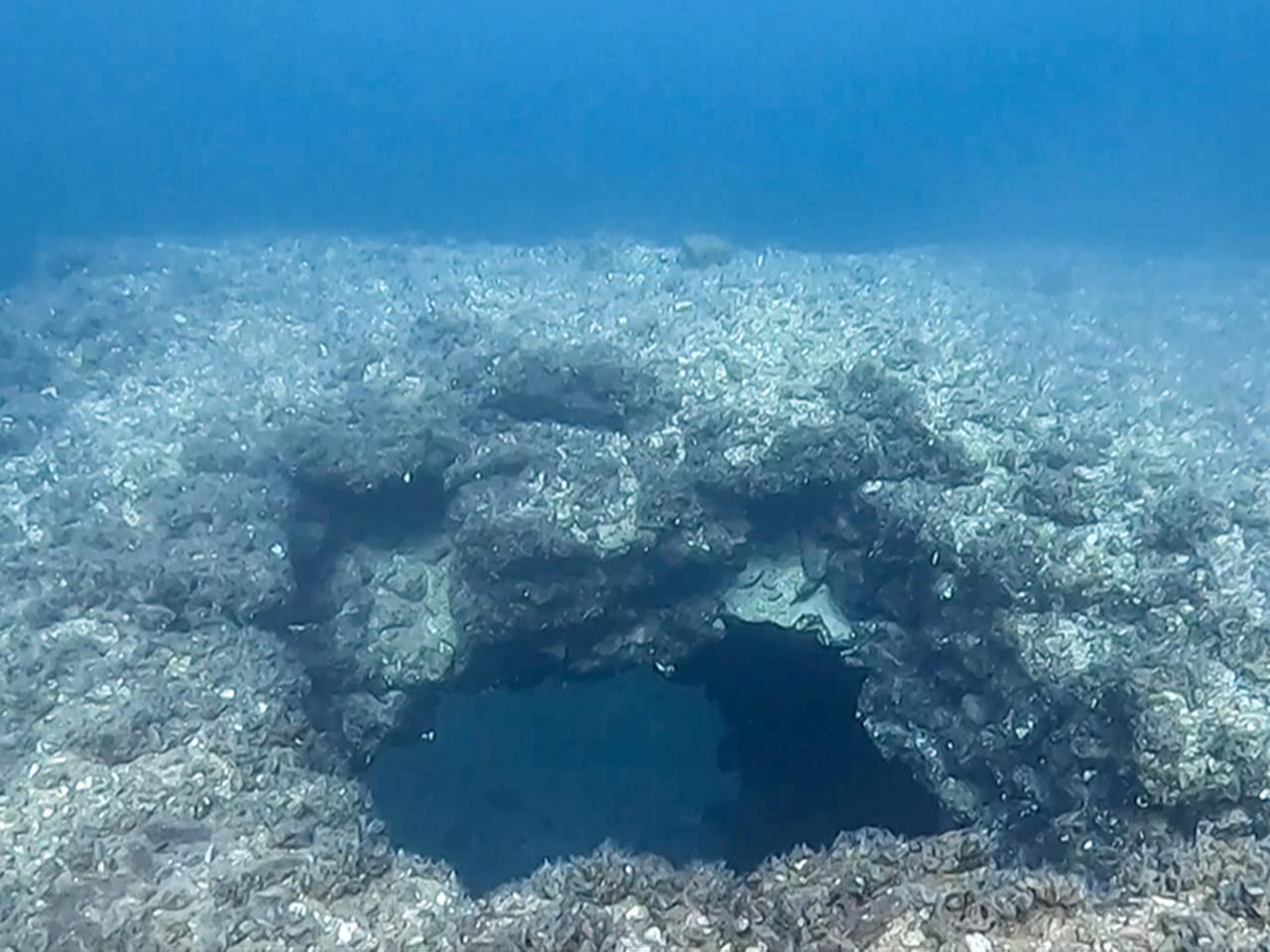

Egil is considered one of the region’s oldest settlements, with origins traced back to the Hurri-Mitanni kingdom.
Over centuries, the area came under the control of several major civilizations, including the Assyrians, Urartians, Medes, Persians, Romans, and Byzantines. It later became part of the Islamic states after 639 when their rule began.
According to Prof. Dr. Irfan Yildiz, dean of the Faculty of Art and Design at Dicle University, the district’s layered history is now partially preserved beneath the reservoir.
“With the completion of the dam and the retention of water, many settlements and historical structures that were once located along the Tigris River were submerged,” Yildiz said.
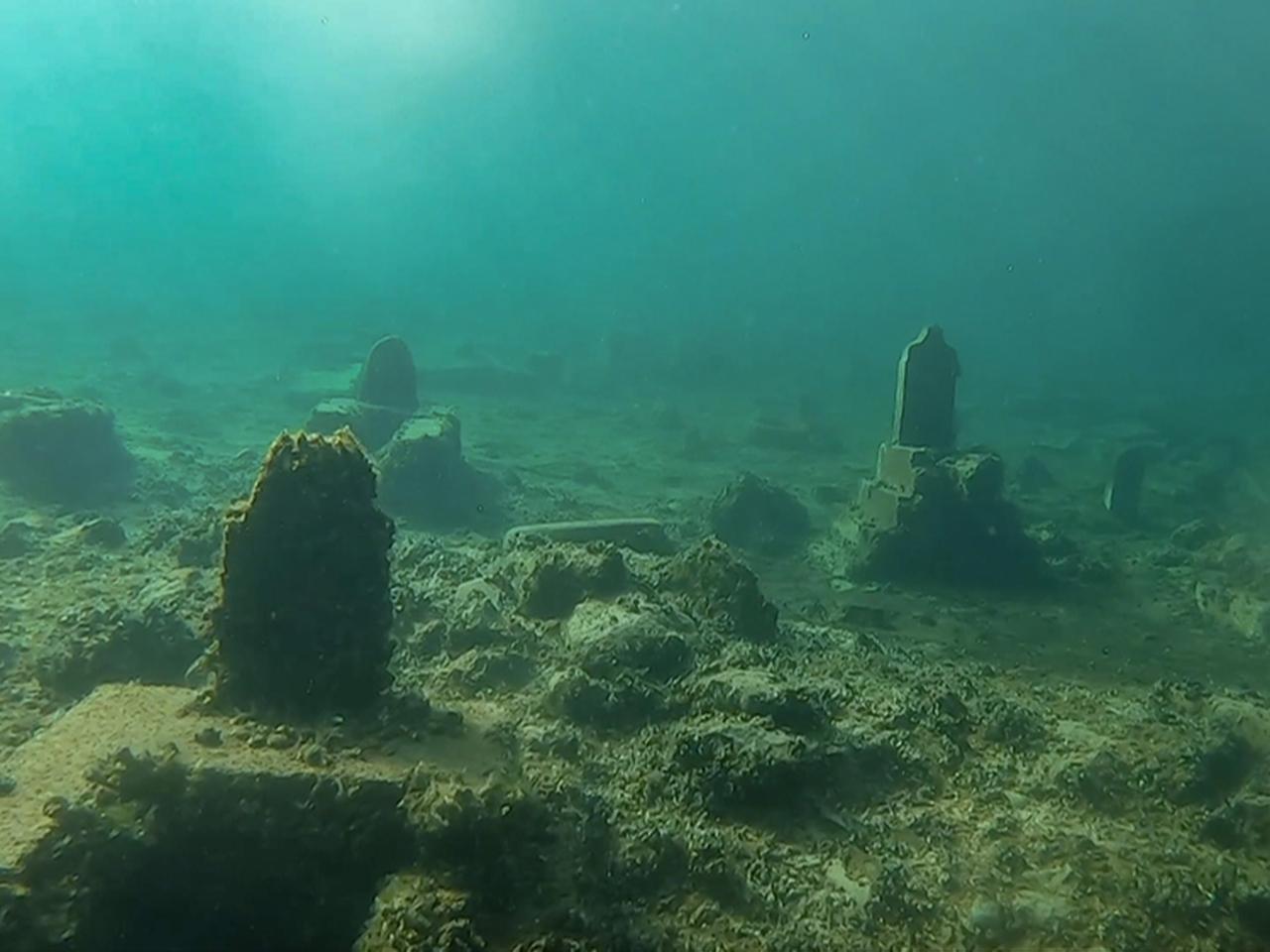
Among the submerged remains are key religious and historical sites that once formed the core of local life.
These include:
While the tombs of the prophets were relocated to Nebi Harun Hill in 1995 to prevent flooding, many surrounding structures were left behind and are now preserved underwater.
Yildiz noted that footage recorded by diving teams clearly shows the tomb of Prophet Elyesa alongside the adjacent mosque, as well as the madrasa and cemetery remains in the former Tekke neighborhood.
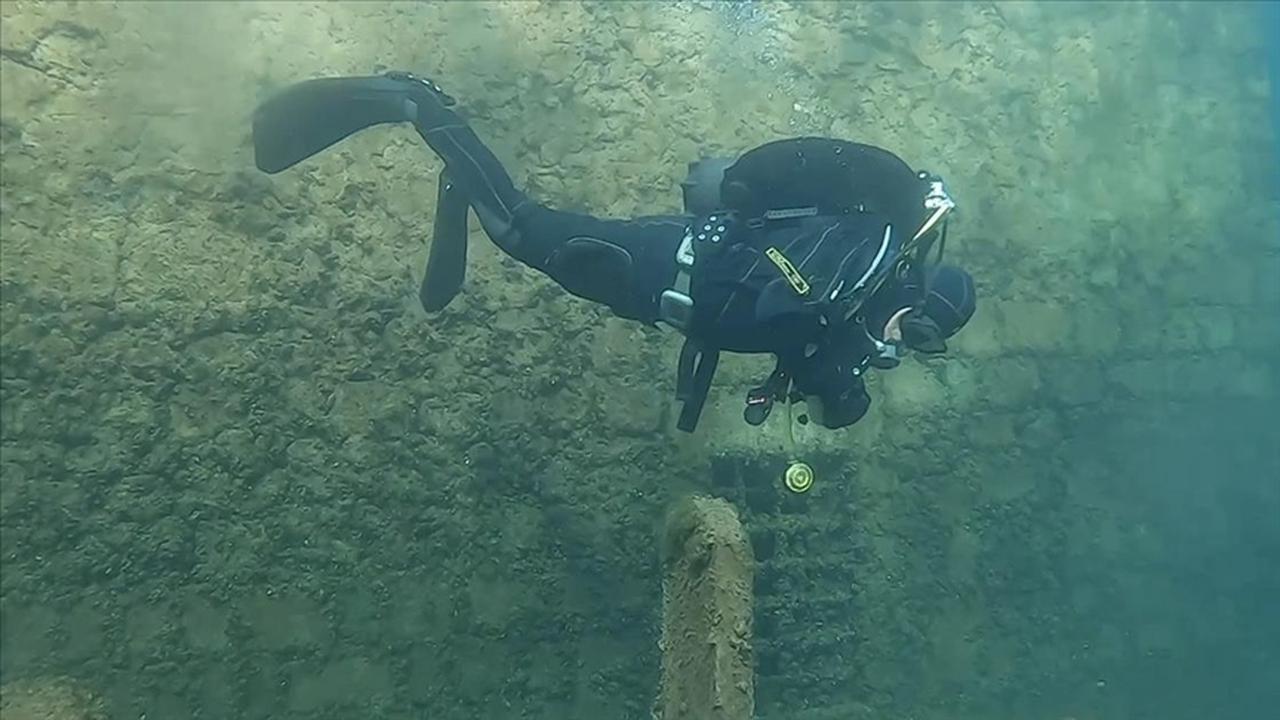
Experts say the structures have remained largely intact despite being submerged for decades. In periods of drought, when water levels drop, the outlines of these buildings become more visible from the surface.
“In the images taken by the teams or when the water recedes, we can see that these historical structures have preserved their integrity and remain standing in a solid condition,” Yildiz said.
He added that the site presents opportunities for further study, particularly in the growing field of underwater archaeology in Türkiye.
“Approximately 2,400-year-old structures exist in the Dicle Dam reservoir. Underwater archaeological studies can be carried out on these remains,” he said.
The recent footage has renewed focus on Egil as a site where natural resources and cultural heritage intersect. While the dam continues to serve as a major source of drinking and utility water for the region, it also holds a largely unexplored historical record beneath its surface.


 Set as preferred source
 Set as preferred source


 2 min read