

 Newsletters


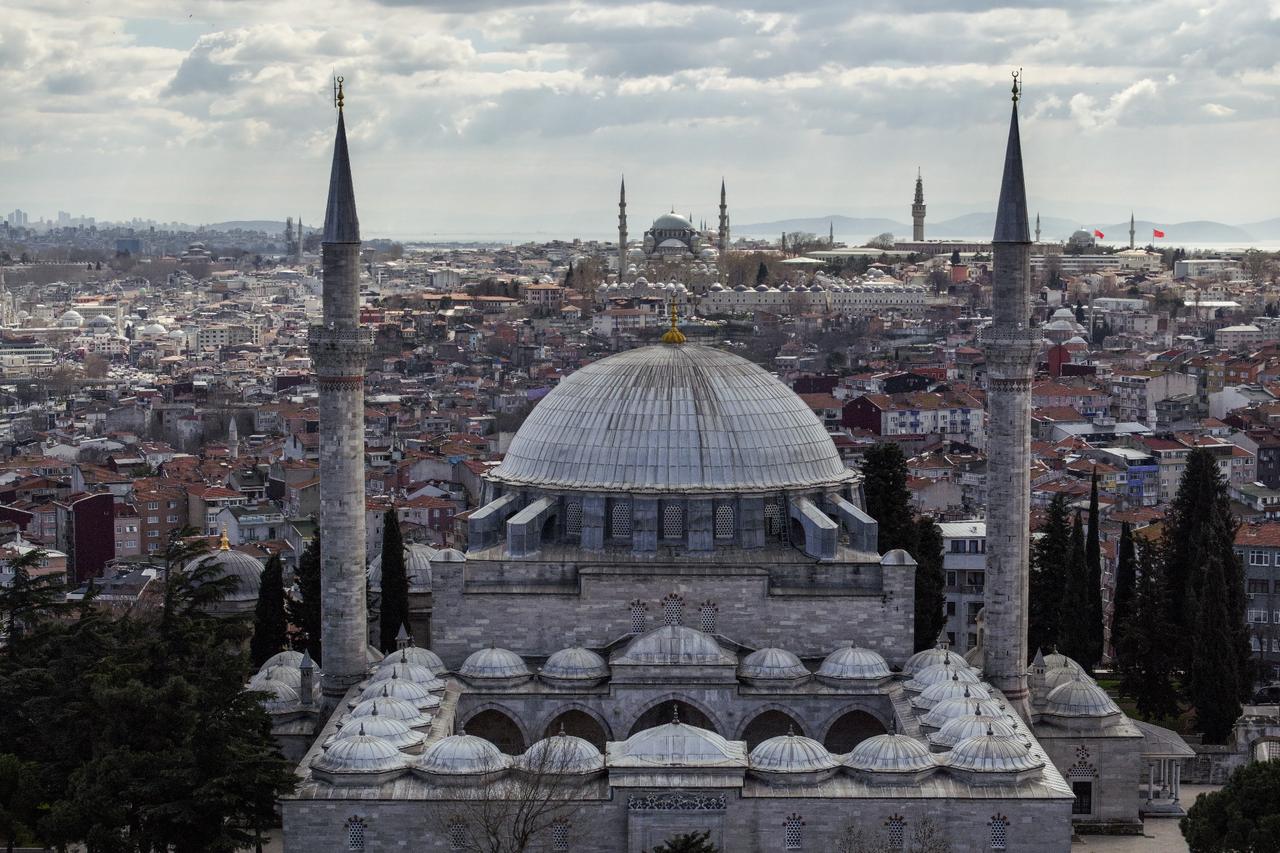


Selatin mosques, commissioned by Ottoman sultans and members of the royal household, continue to stand out as some of the most defining elements of Istanbul’s historical and cultural landscape, combining architectural innovation with broad social functions that have carried through to the present day.
Unlike many other religious structures, selatin mosques were traditionally financed through the personal wealth of sultans, often following military victories, rather than through the state treasury.
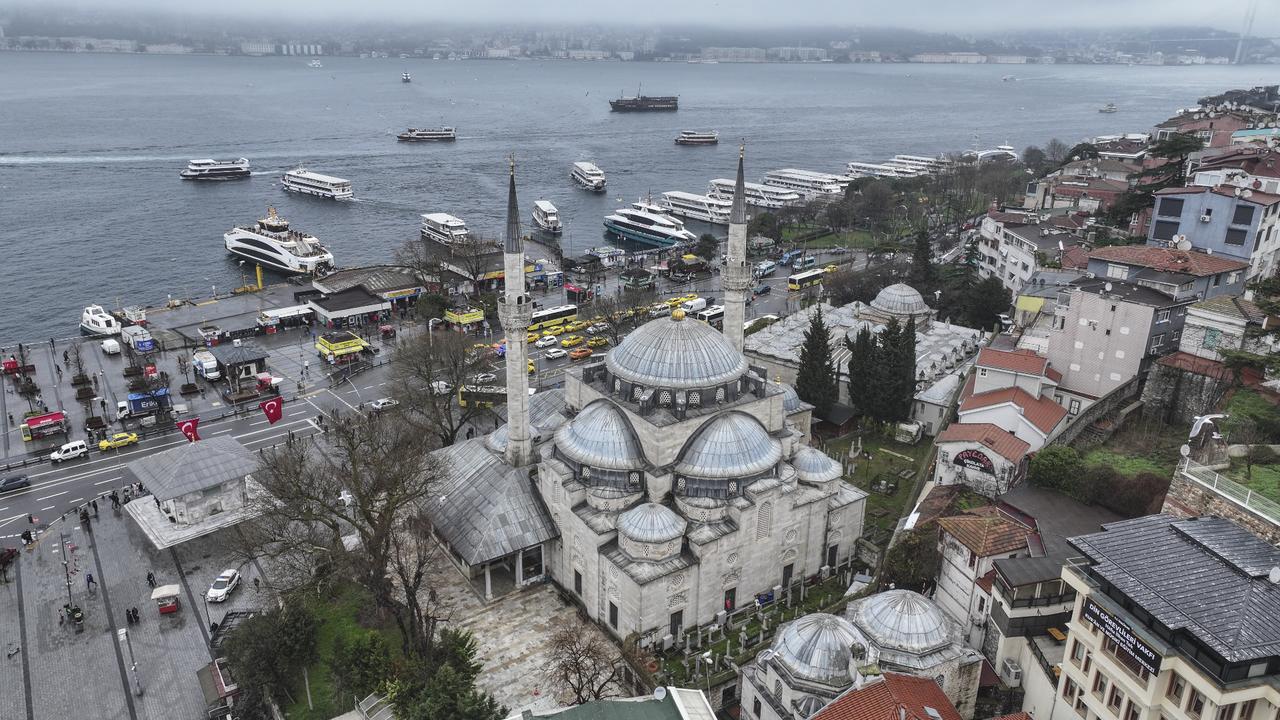
These mosques are typically recognized by their multiple minarets, a feature that sets them apart visually across the city skyline.
They also include elements such as the hunkar mahfili, a private elevated space reserved for the ruler, and mahya light displays strung between minarets during Ramadan, both of which reflect ceremonial and cultural practices tied to Ottoman court life.
Open for worship throughout the day, they continue to serve religious needs while also drawing in visitors.
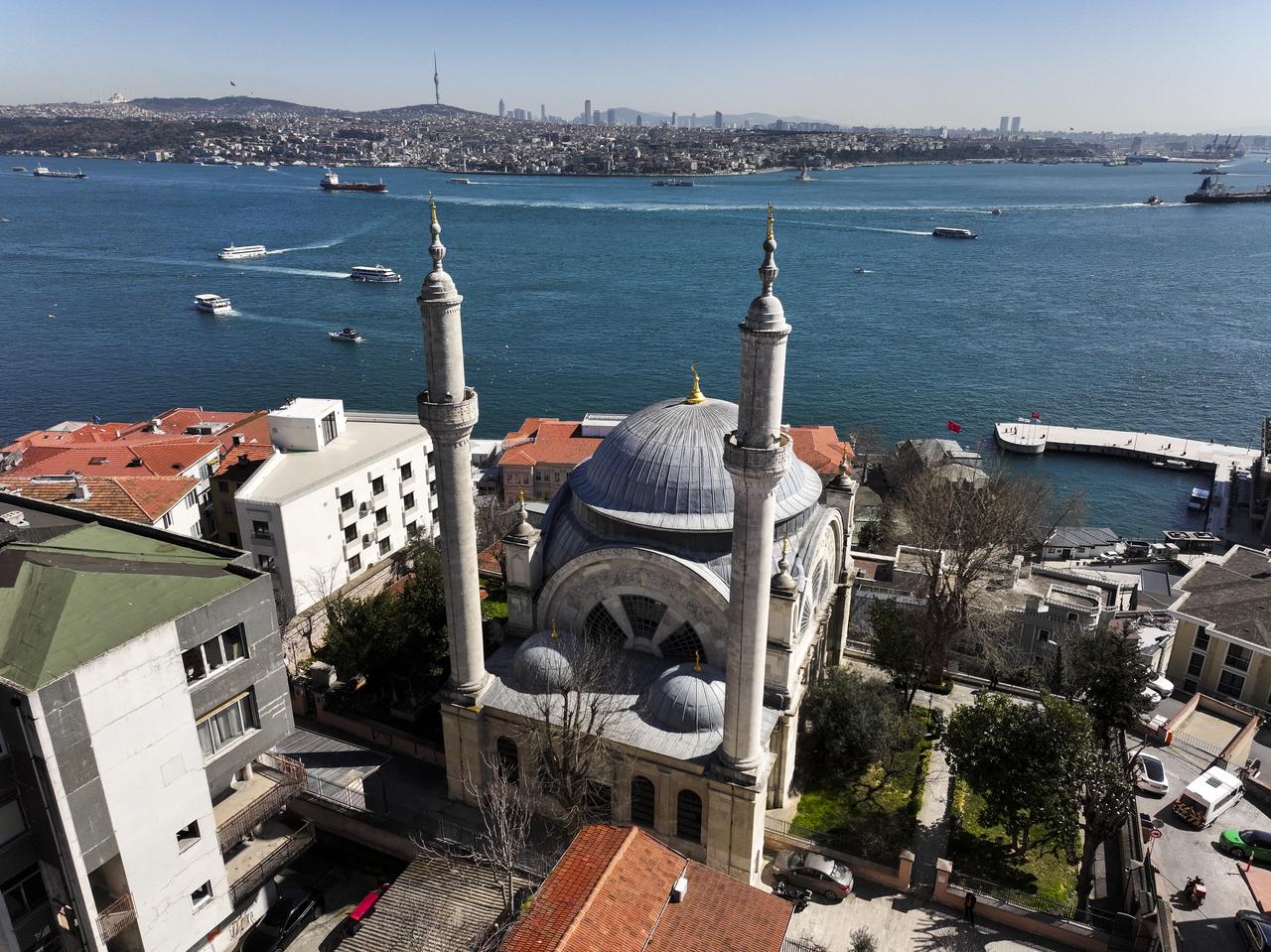

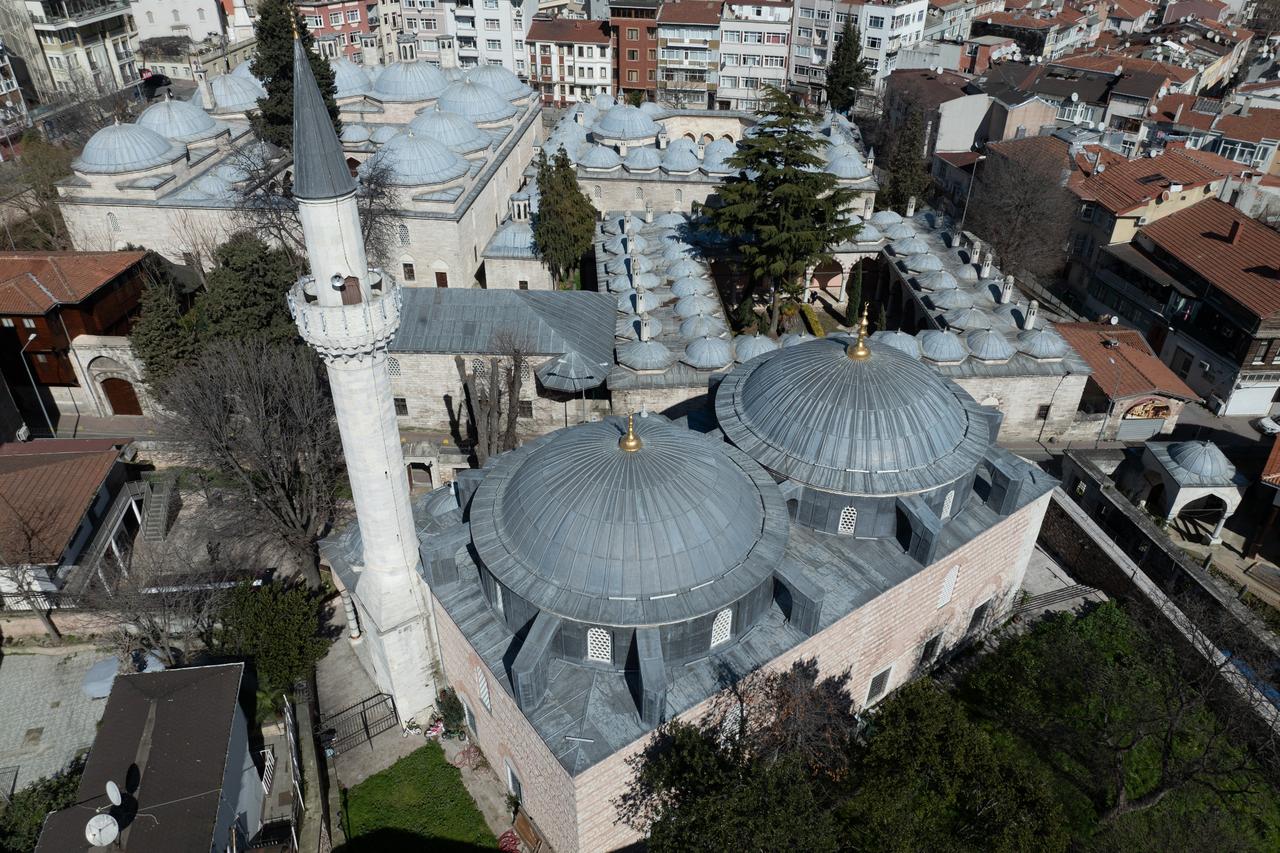
Selatin mosques were not built as standalone structures but as part of larger complexes known as kulliye. These complexes brought together institutions such as madrasas (educational schools), soup kitchens, baths, tombs, and libraries, effectively turning them into centers of social and economic life during the Ottoman period.
This multifunctional approach helped shape urban life, as these complexes supported both daily needs and long-term community development, reinforcing their role far beyond that of a traditional place of worship.
The architectural style of selatin mosques reflects the broader evolution of Ottoman design.
In the 16th century, the works of architect Mimar Sinan introduced a strong emphasis on central domes, symmetrical layouts, and restrained decoration, creating a balanced and harmonious aesthetic.
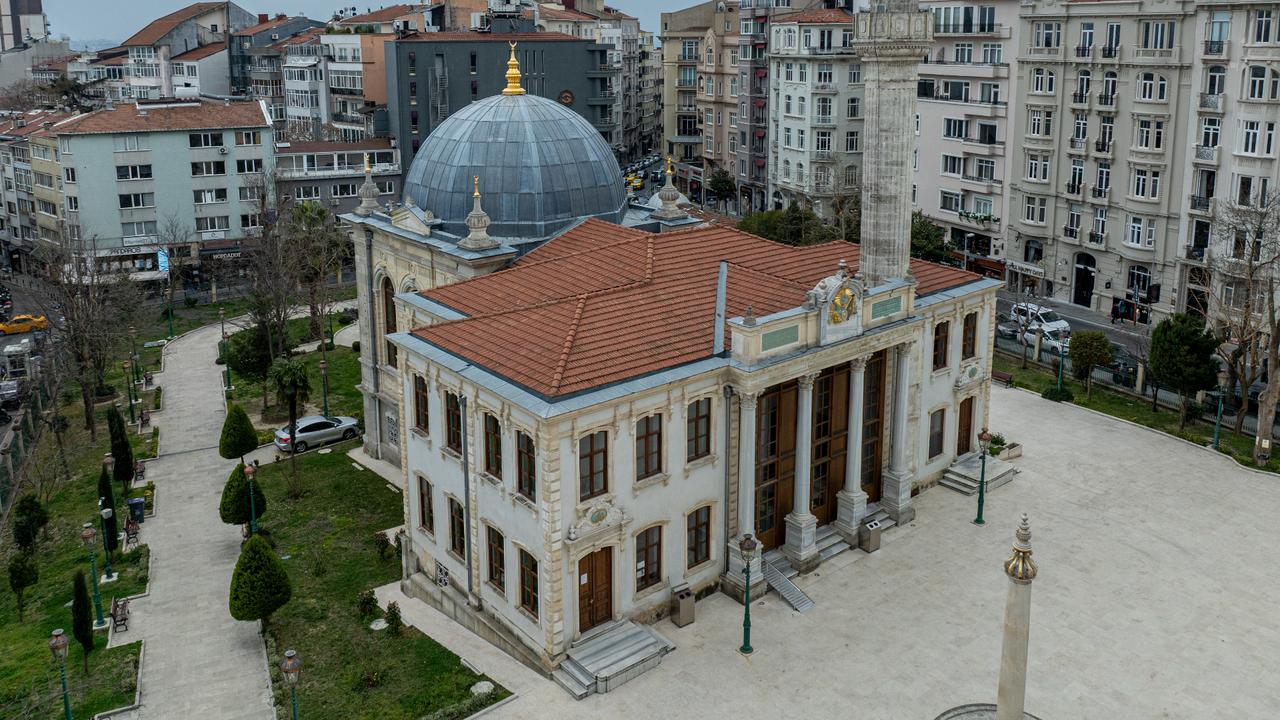
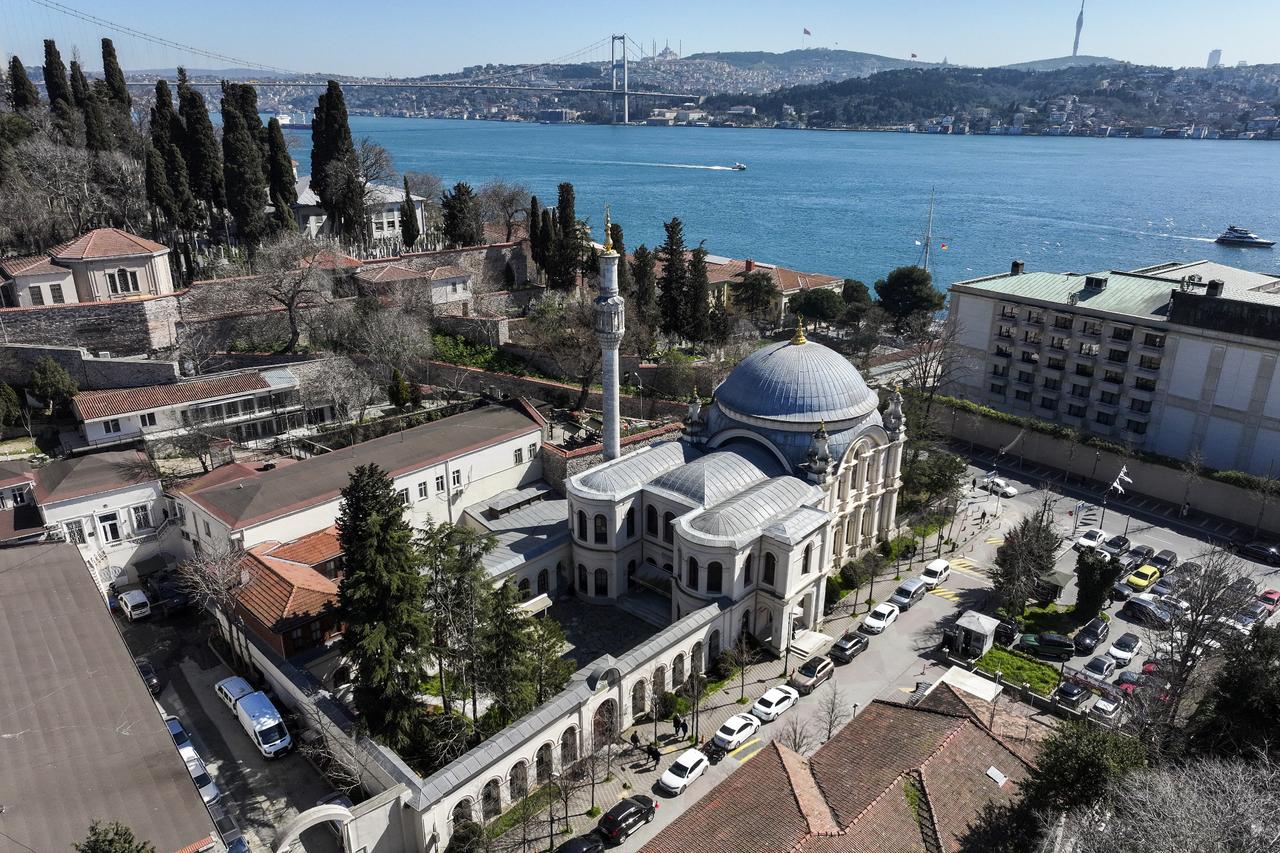
In later centuries, particularly during the 18th and 19th centuries, Western influences began to show through, with baroque and rococo elements adding more elaborate ornamentation. This shift illustrates how Ottoman architecture gradually opened up to external artistic trends while maintaining its core identity.
The placement of selatin mosques was carefully planned, taking into account not only religious needs but also political messaging, urban planning, and visual impact.
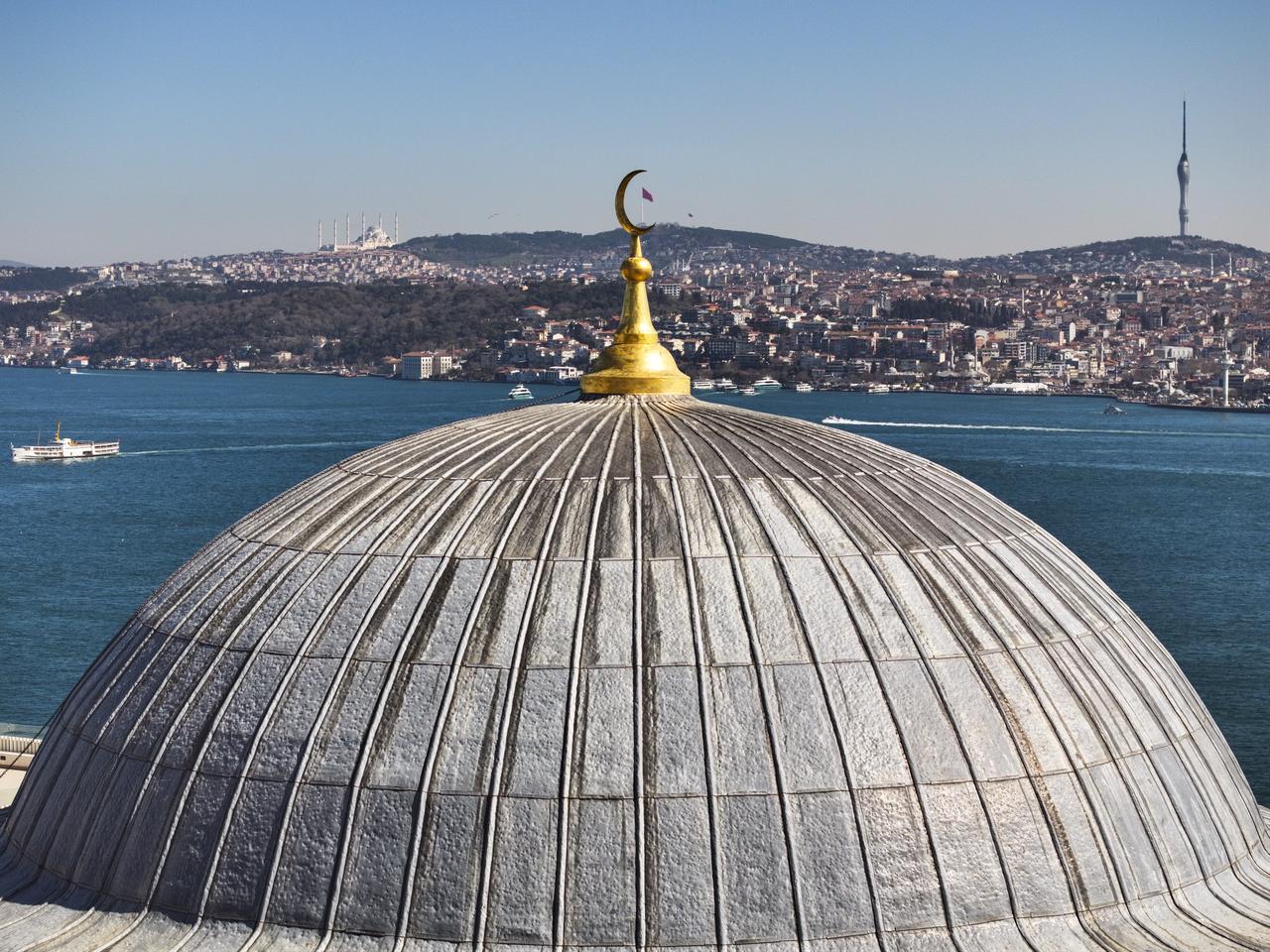
Many were built on hills, allowing them to dominate the skyline and symbolize imperial power, while others were positioned along the Bosphorus, enhancing the city’s scenic profile.
Over time, more than 30 selatin mosques were constructed across Istanbul, with a significant concentration in the Historic Peninsula on the European side.
Districts such as Fatih stand out for hosting several key examples, while areas like Eminonu highlight the close relationship between religious, administrative, and commercial centers during the Ottoman era.
Today, these mosques continue to function both as active places of worship and as major cultural landmarks. Their architectural features and prominent locations attract large numbers of local and international visitors, contributing to Istanbul’s global appeal.


 Set as preferred source
 Set as preferred source


 1 min read
 1 min read


