Newsletters


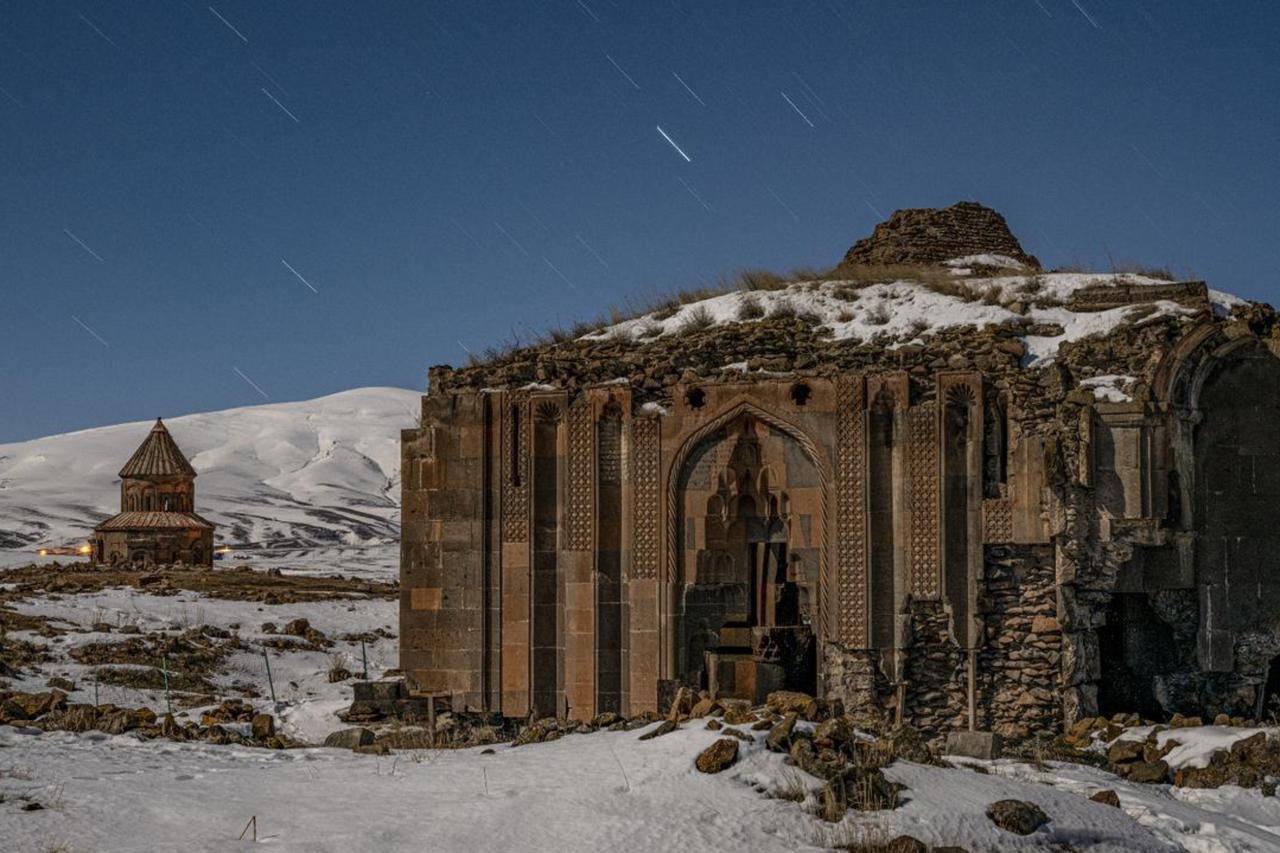


The ancient city of Ani in northeastern Türkiye drew nearly 450,000 domestic and foreign visitors in 2025.
This marked a record year for one of the country’s most important archaeological sites, showing how quickly interest is growing in a place shaped by empire, trade, religion, and war.
Located in Kars near the Armenian border, Ani has been on UNESCO’s World Heritage List since 2016. Turkish officials and archaeologists now aim to push annual visitor numbers to around 1 million through continued excavation, conservation, and site planning work in 2026.
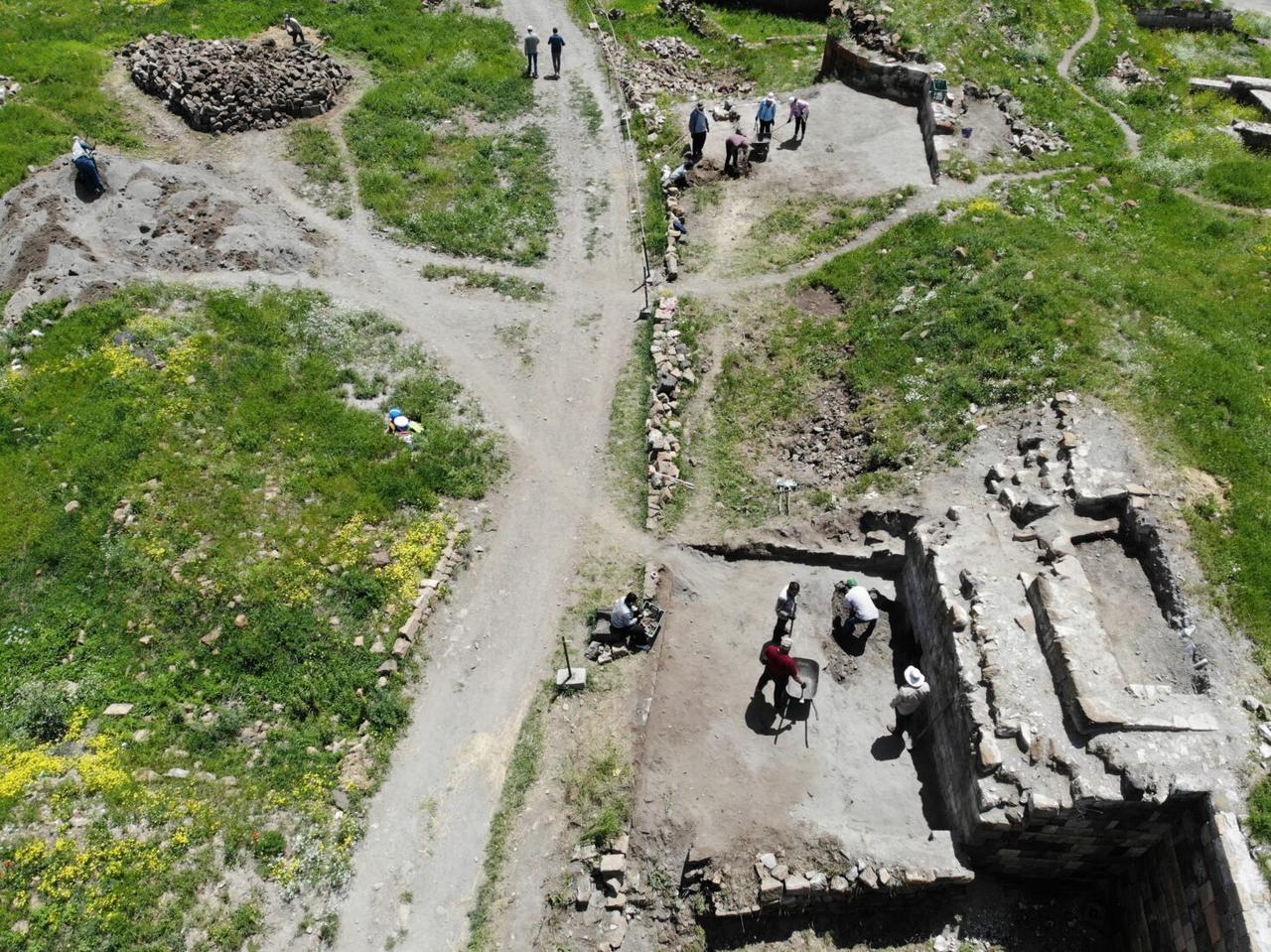
Assoc. Prof. Muhammet Arslan, head of the Ani excavations, told Anadolu that the site ended 2025 “with a major record for Ani” and added that teams are continuing excavation, conservation, and landscaping efforts in cooperation with the Culture and Tourism Ministry and Kafkas University.
“We are preparing our 2026 work plan,” Arslan said, adding that the team will continue both archaeological and conservation work as well as new walking routes inside the city walls under the “Heritage for the Future Project.”
Ani is already one of the most important heritage destinations in eastern Türkiye. But it is also far more than a tourism site.
For centuries, it stood at the crossroads of Anatolia, the Caucasus, and Asia, and the remains of its churches, mosques, fortifications, and underground spaces still reflect that layered past.
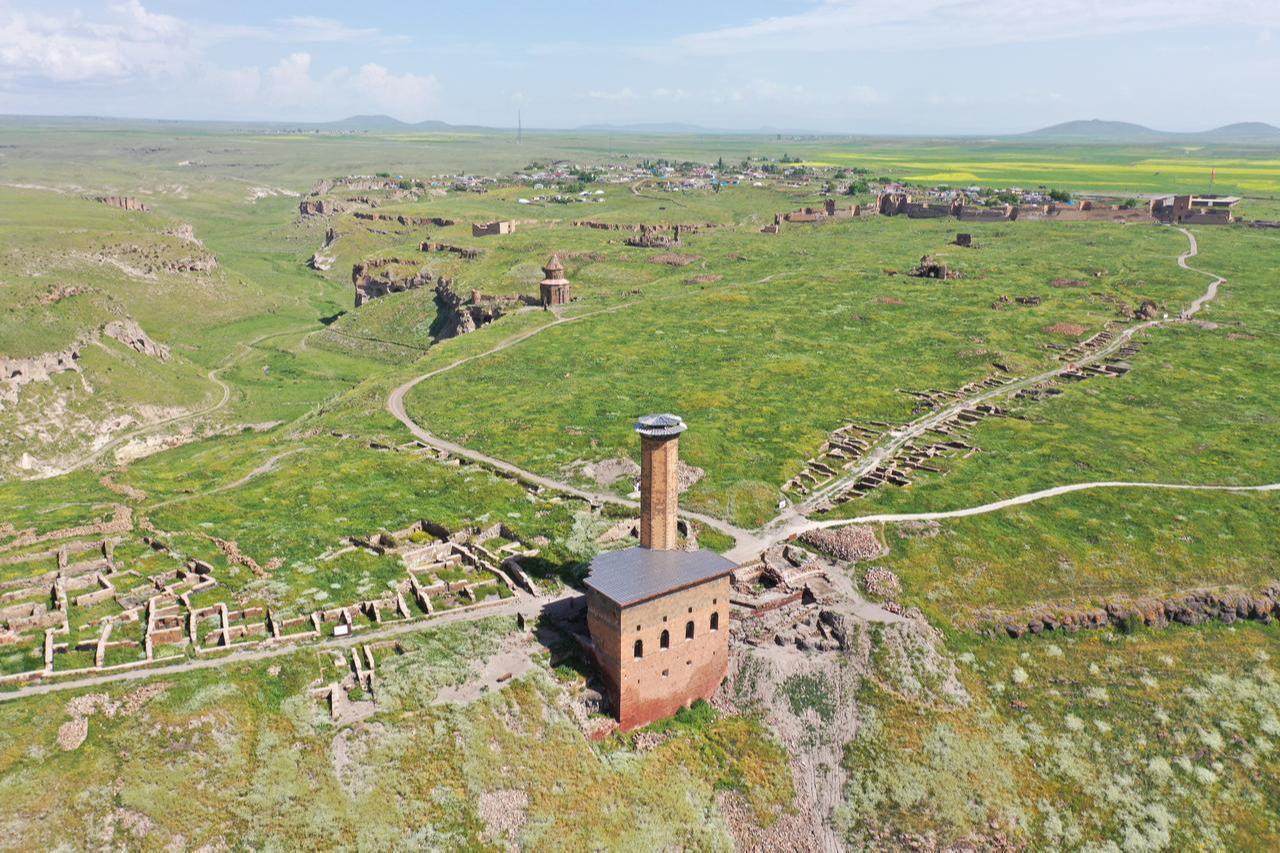

Known in Turkish sources as the “cradle of civilizations,” Ani has become more visible in recent years as Kars attracts more visitors through winter tourism, heritage travel, and wider interest in eastern Türkiye.
Arslan described Ani as one of the country’s most important cultural and tourism sites and said its importance goes beyond Kars itself. He also said the site now holds a more visible place in public history after being added to Türkiye’s national education curriculum for the 2025–2026 school year.
According to Arslan, this means schoolchildren will now learn more directly about Ani’s conquest and its role in Turkish Islamic history. He also argued that Ani, rather than Malazgirt, was the first gateway through which Sultan Alparslan entered Anatolia in 1064.
That official emphasis comes at a time when Ani is attracting broader attention not only as a Turkish heritage site but also as a place shaped by many powers over centuries, including the Bagratid dynasty, Byzantium, the Seljuks, the Georgian kingdom, the Mongols, the Ilkhanids, the Karakoyunlu, the Akkoyunlu and the Ottomans.
Ani’s rise was closely tied to location, trade, and political power.
It was one of the key cities of the medieval Silk Road, with some historians estimating that its population once exceeded 100,000. That made it one of the major urban centers of its time.
The city reached its height in the 10th and 11th centuries, especially under the Bagratid Armenian Kingdom, when it served as a capital and a major administrative center. The city was filled with cathedrals, monasteries, markets, bridges, palaces, and strong defensive walls.
Its position explains much of that success.
Ani stood on an elevated plain near the Arpacay River on a route linking Asia and Europe. As trade moved through the region, the city became a major stop for goods, people, and ideas.
Its built environment also reflected that wealth. Ani was a large walled settlement spread over 78 hectares and enclosed by about 4.5 kilometers of fortifications. The city had seven gates and multiple layers of defense. Major surviving structures include the grand cathedral, the Ebul Menucehr Mosque, and the Tigran Honents Church.
The city’s importance also came from its mixed cultural and religious life. Different sources stress that Ani was home to both Christian and Muslim monuments and that Armenian, Byzantine, Persian, Georgian, and Seljuk influences all left marks on the site. That makes Ani not just a ruined city, but a rare record of how medieval borderlands actually worked.
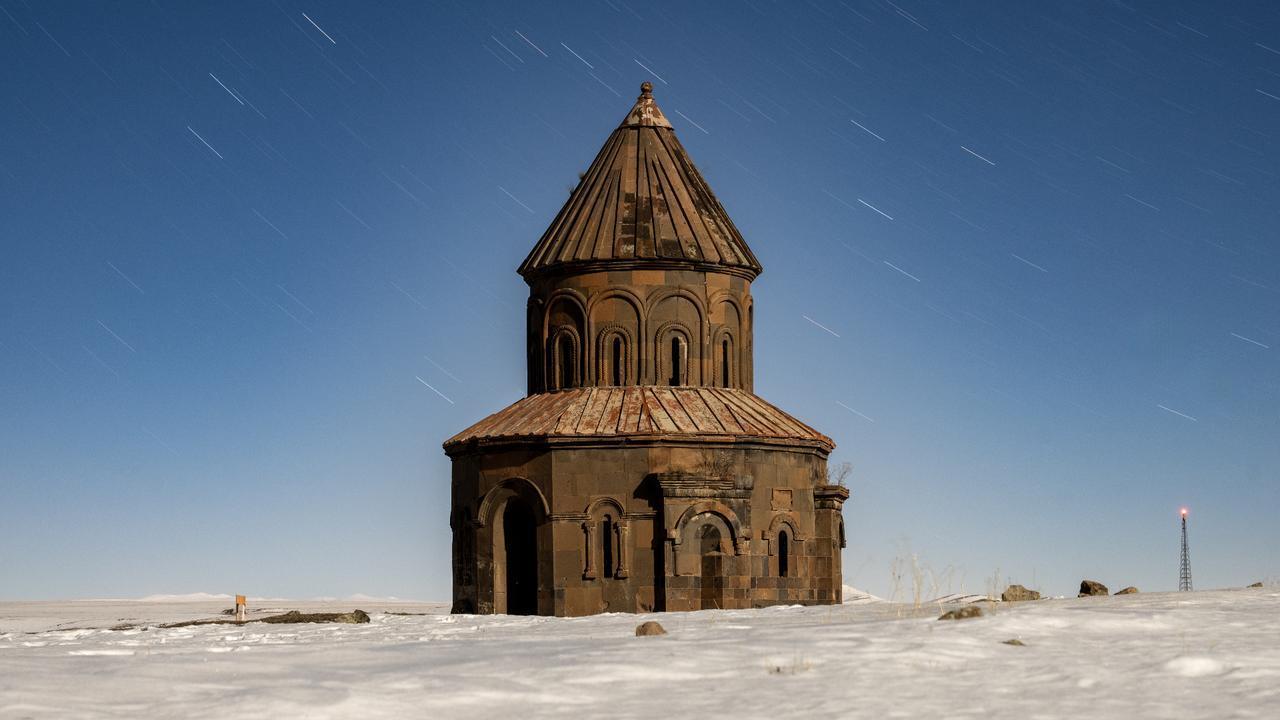
Ani’s fall remains one of the most discussed parts of its history. It is generally believed that the city weakened over time under several overlapping pressures.
The main explanations include:
Rather than disappearing all at once for one clear reason, Ani appears to have declined through a combination of war, natural disaster, and economic loss.
That long collapse helps explain why the site still feels both monumental and strangely empty.
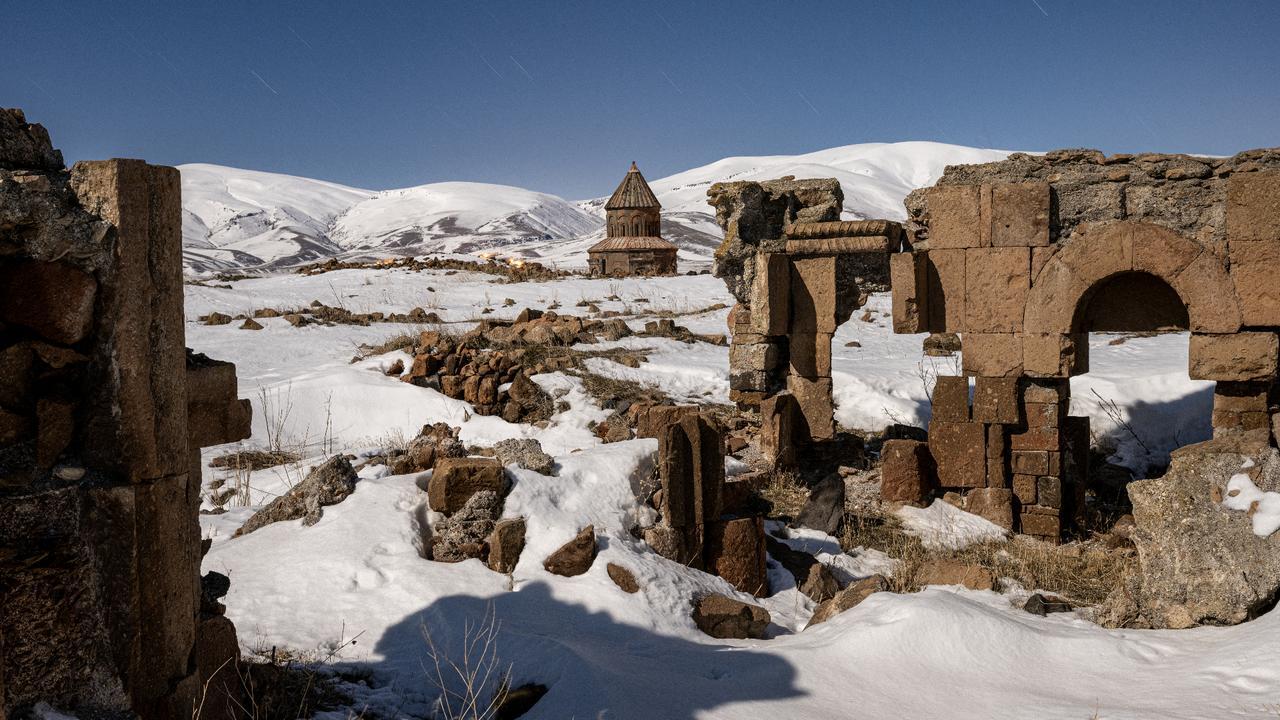
Ani’s appeal does not come only from what historians know but from what remains uncertain.
One of the best-known claims is that Ani was the “city of 1001 churches.” Excavations have shown that the city had many churches and religious buildings, but they also note that the number may have been symbolic rather than exact. Even so, the phrase captures the scale of Ani’s religious landscape during its peak.
Another enduring mystery involves its underground world. There have been references to tunnels, cave churches, monasteries, multi-room cave spaces, mills, and other rock-cut formations in the valleys and slopes around the city. These remain Ani’s least studied features.
Local stories and legends also continue to shape how the site is remembered. According to some, Ani is described as a city of seven gates and seven layers, with hidden passages and dark underground spaces tied to folklore as much as archaeology.
Vedat Akcayoz argues that Ani’s caves, tunnels, and oral traditions remain insufficiently studied. He also warned back in 2017 that uncontrolled tourism could damage this underground heritage and said the area needs stronger coordination and protection against looting.
That warning matters as visitor numbers continue to rise today. Ani’s silence is part of what draws people there, but that same silence hides a fragile archaeological landscape that extends beyond the standing monuments most visitors see first.


 Set as preferred source
 Set as preferred source


 2 min read