Newsletters


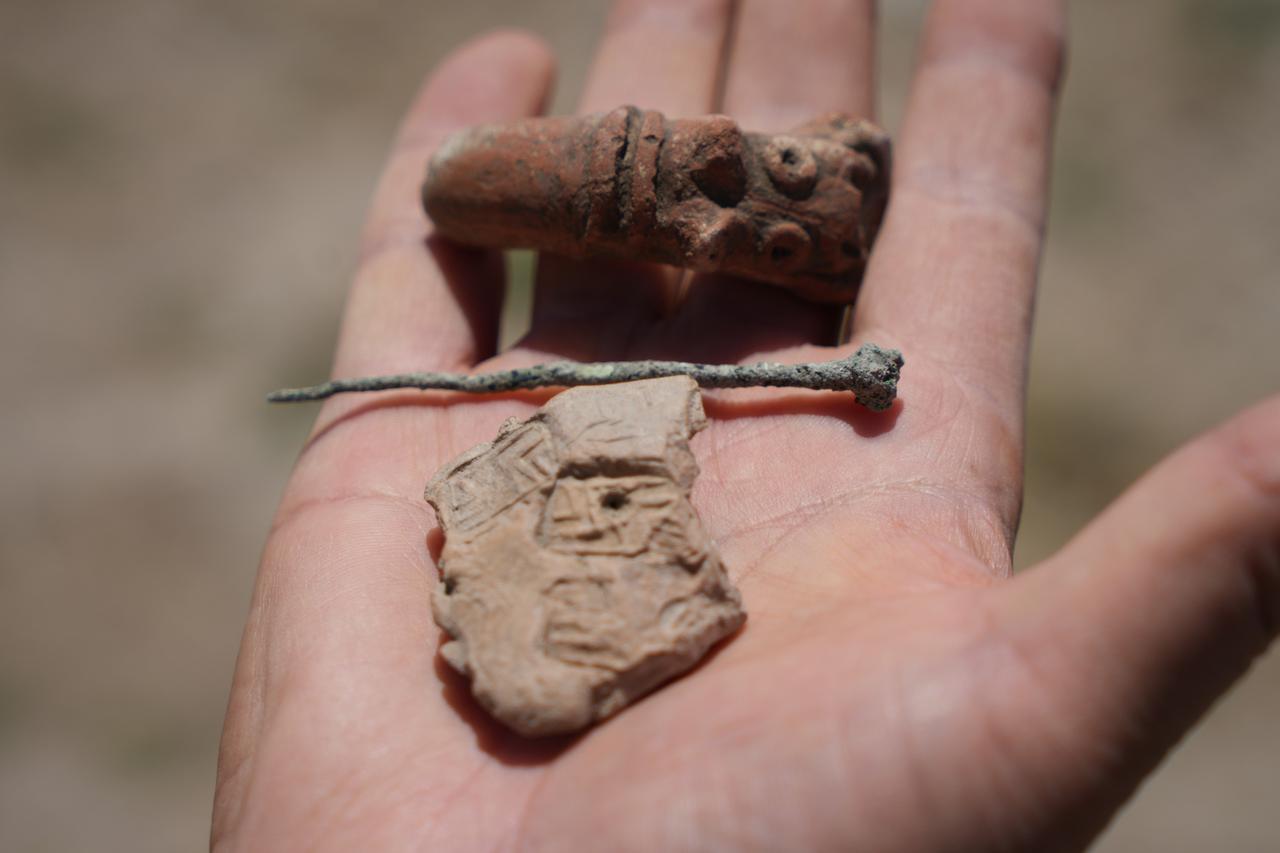


Archaeologists at Buklukale in central Türkiye have uncovered Hellenistic-era settlement traces, the period associated with Alexander the Great, along with several newly found objects whose exact dates remain undetermined.
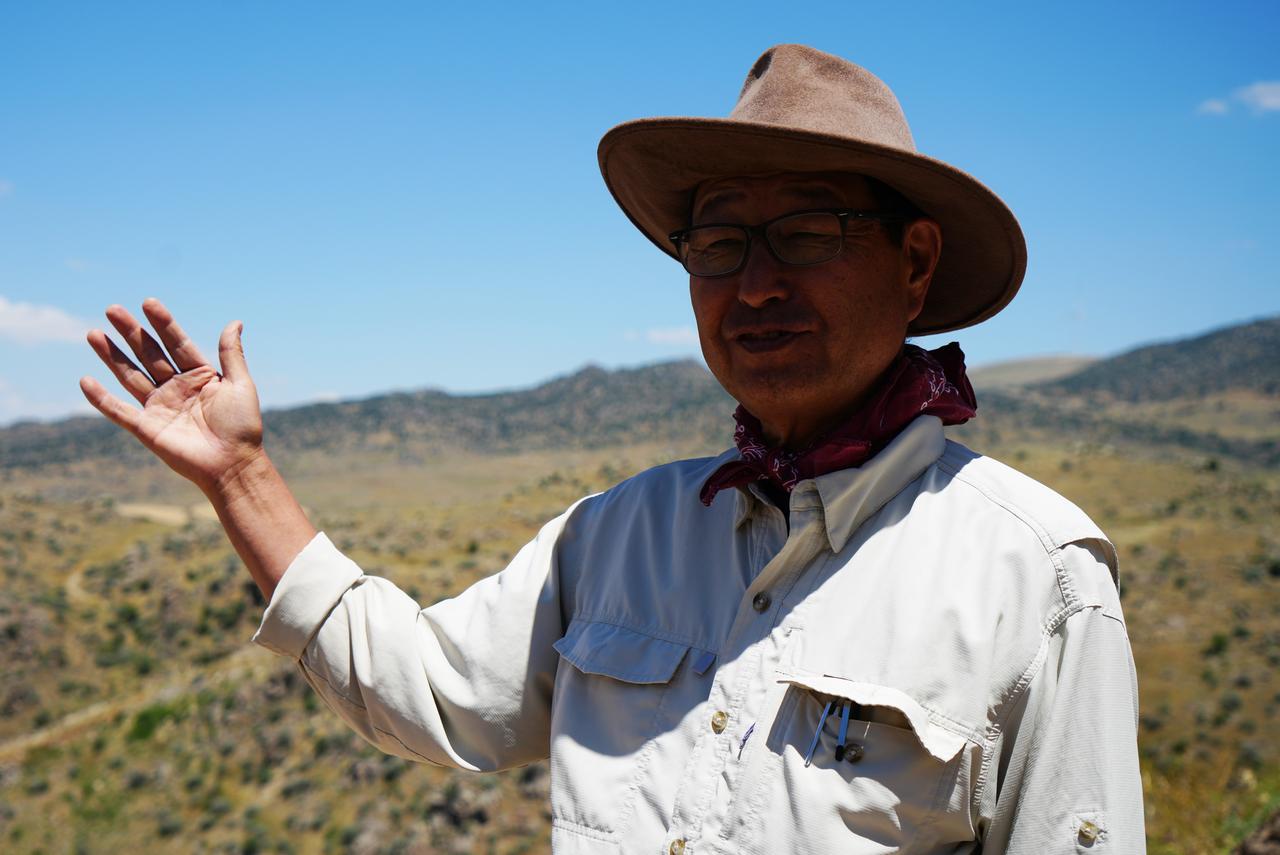
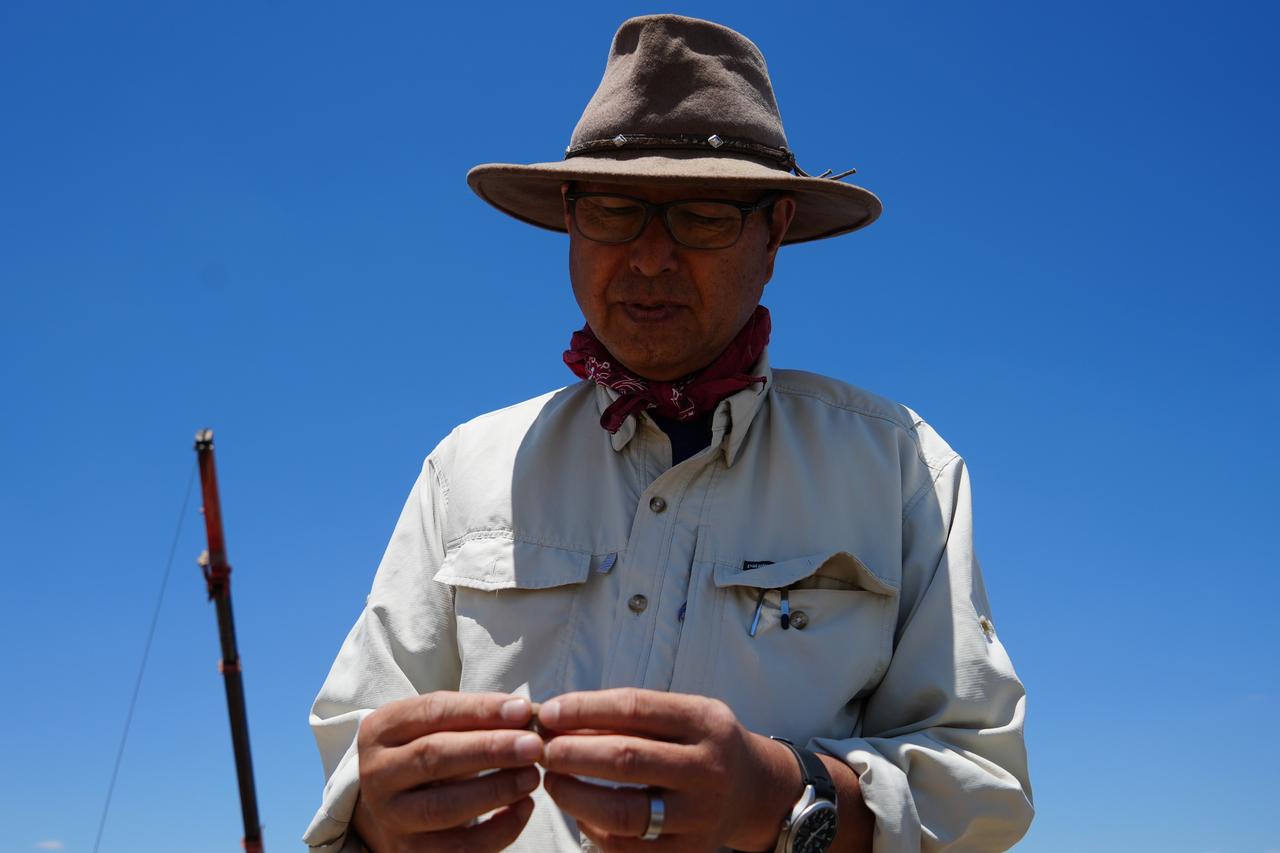
The excavations in Karakecili district of Kirikkale are being led by Associate Professor Kimiyoshi Matsumura of the Japanese Institute of Anatolian Archaeology.
The site, located beside the Kizilirmak River, has been under excavation for 17 years and continues to reveal evidence from different civilizations across several historical layers.
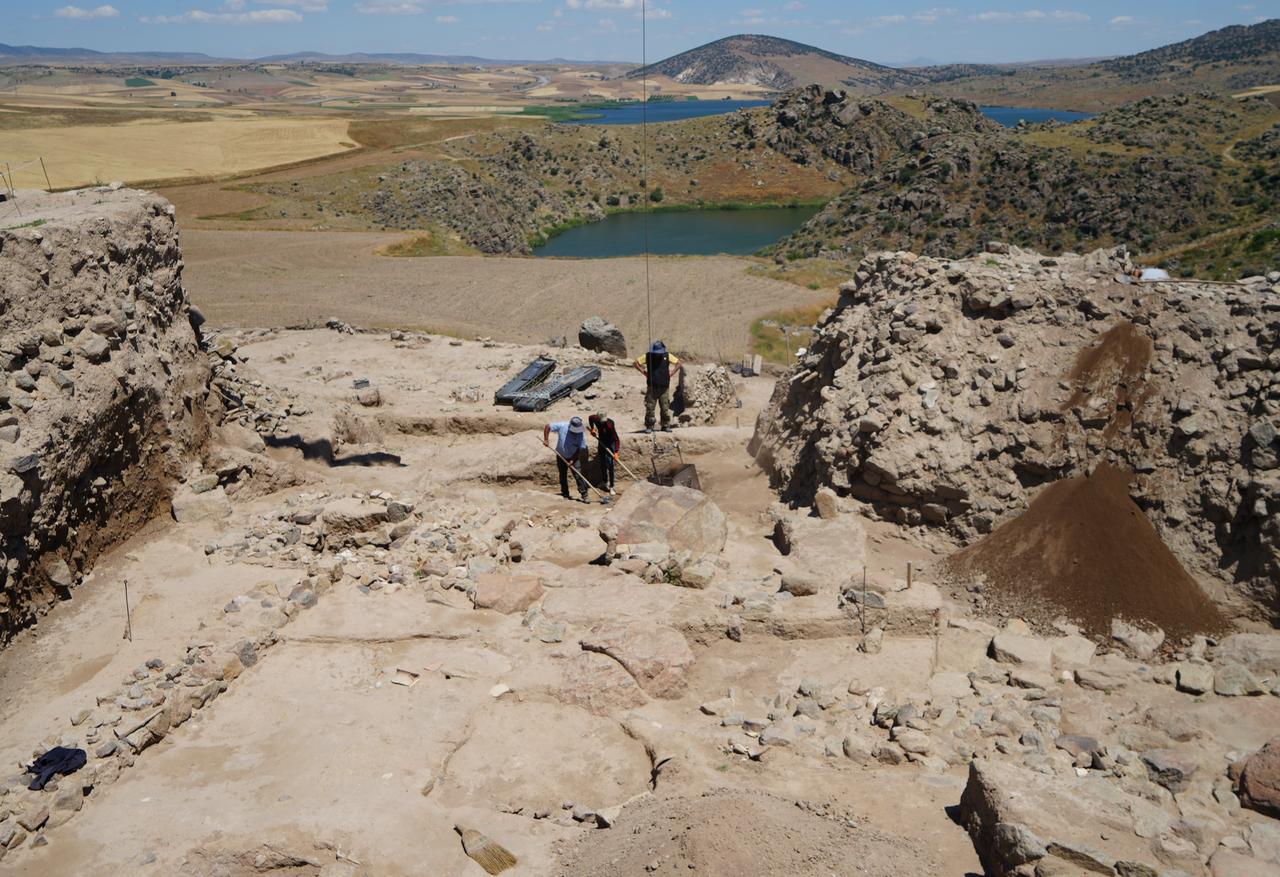

Matsumura described Buklukale as an ancient city located around 60 kilometers (43.5 miles) southeast of Ankara. He said the site held major strategic value because it stood next to the Kizilirmak, one of Anatolia's key rivers, and served as an important crossing point in different periods.
Excavations are being carried out in two main areas, known as the "Lower City" and the "Upper City." In archaeological terms, these names refer to separate settlement zones within the same ancient site.
According to Matsumura, the upper layers include an Ottoman-period settlement, where soldiers are believed to have lived. Beneath that level, the team identified settlement traces from the Hellenistic period, which he linked to the era of Alexander the Great.
The deeper layers of Buklukale point to an even longer history. Matsumura said the site also contains traces from the Iron Age, a broad period in which several different civilizations lived in the area.
He noted evidence linked to the Achaemenid Persians, as well as earlier traces associated with the Lydians. The team also believes that the Cimmerians, a people from north of the Black Sea, may have reached the area. A defensive wall visible at the site may have been built during their period, according to Matsumura.
Further below, archaeologists have also identified traces connected to the Phrygians.
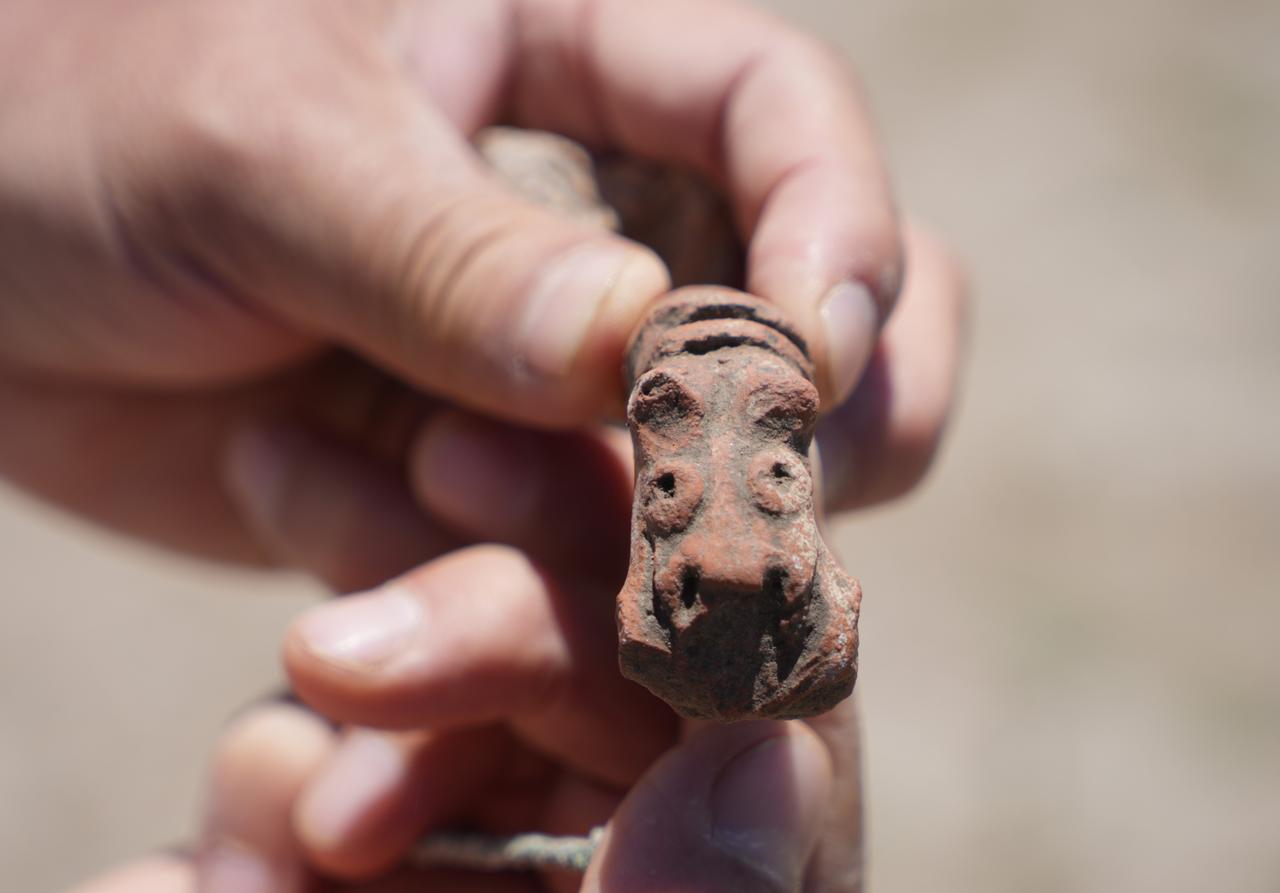
Recent discoveries at Buklukale include a bronze needle, an animal-figured seal, an animal-headed object and seal-impressed remains. The exact periods of these finds have not yet been confirmed and will become clearer after detailed examinations.
One of the most notable objects is a handled stamp seal. Matsumura said the seal carries two animal figures, while its lower section includes a motif with very small holes whose meaning is not yet clear.
He explained that this type of stamp seal is generally known from the period stretching from the late Karum Period to the Old Hittite Period. The Karum Period refers to a trade-colony phase in Anatolian archaeology, while the Hittites were one of the major ancient powers of Anatolia.
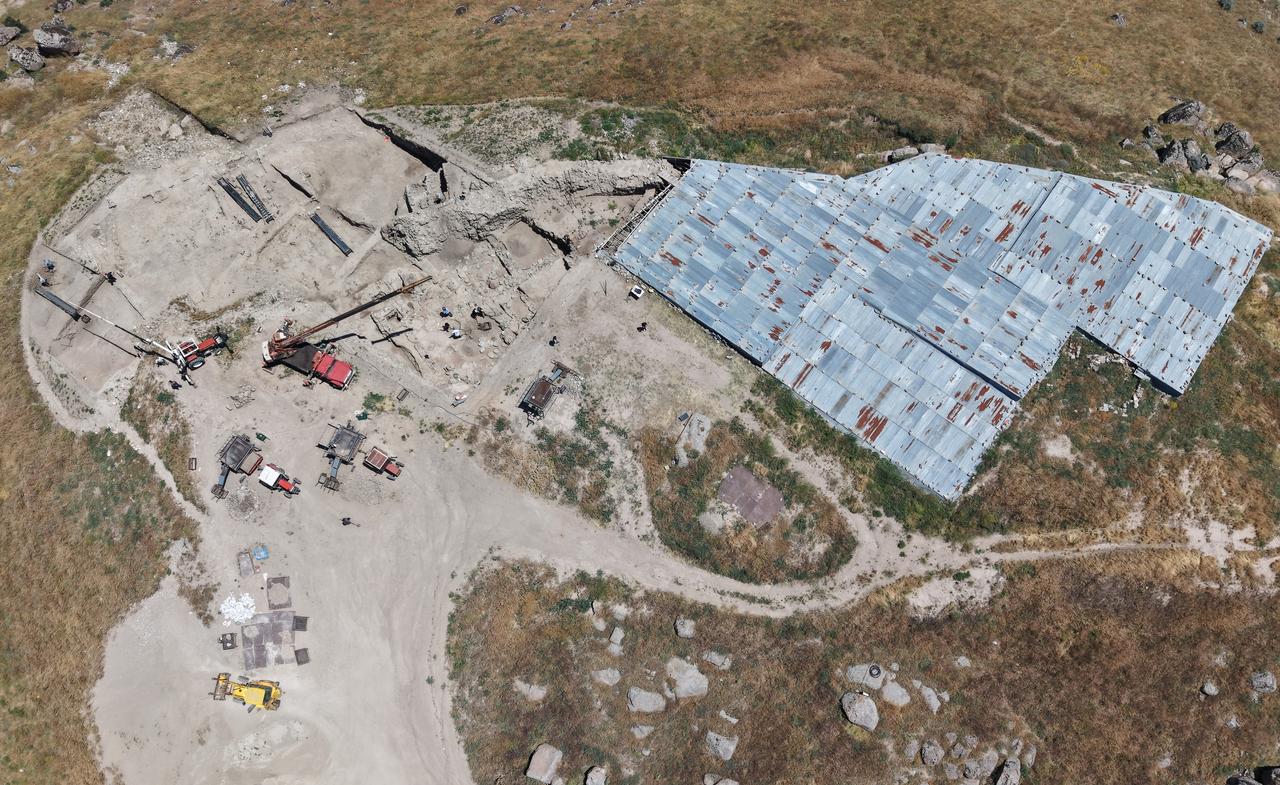
Matsumura said the excavations have so far identified architectural remains that were likely part of the entrance area of a palace complex.
Buklukale has already produced the westernmost Hittite cuneiform tablets found to date. Cuneiform refers to an ancient writing system made up of wedge-shaped signs. Since 2019, Hurrian tablets have also been found at the site.
The Hurrian finds are important because such tablets had previously been identified in only three Anatolian settlements: Hattusa, Ortakoy and Kayalipinar. Matsumura said these were all places associated with the residence of the Hittite royal family.
As the fourth known settlement to produce Hurrian tablets, Buklukale has become increasingly important for understanding the political and cultural landscape of ancient Anatolia.
Matsumura said the team will keep carrying out excavations to understand what kind of city Buklukale was and how important a role it played in the region.


 Set as preferred source
 Set as preferred source


 1 min read

 1 min read