Newsletters


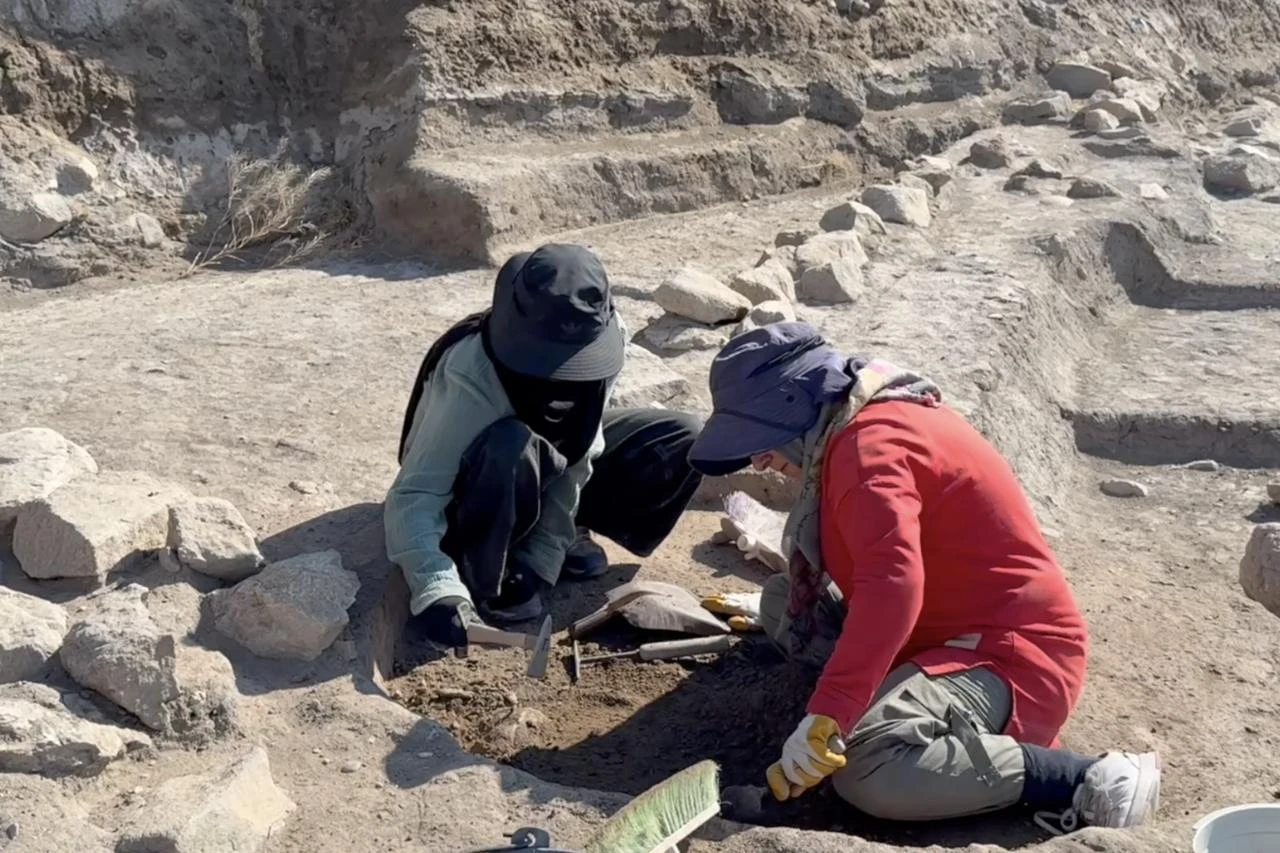


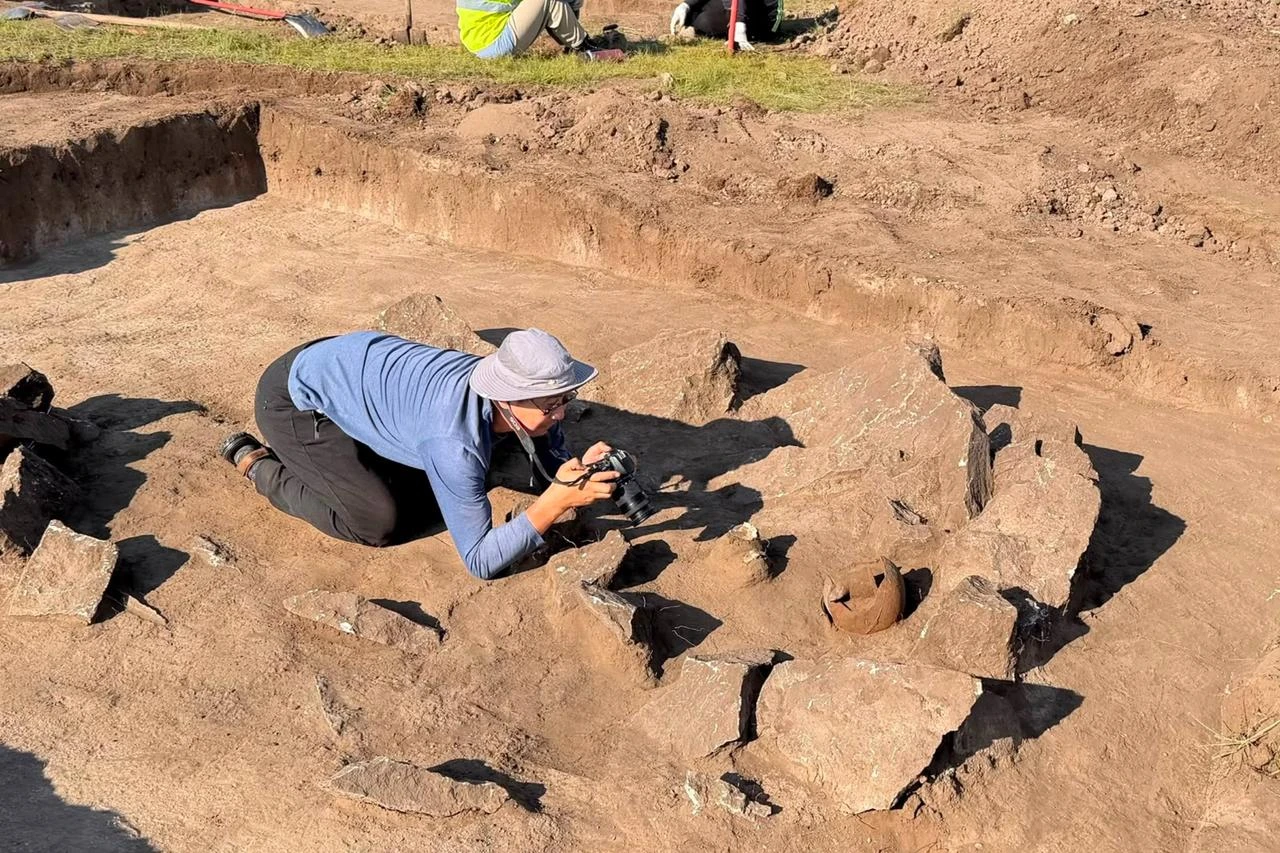
Archaeologists working at Cadir Hoyuk in central Türkiye are tracing how communities lived, built homes and produced pottery across 6,000 years of uninterrupted settlement, with the latest excavations focusing on architectural traditions that appear to have carried over into the nearby modern village.
The archaeological mound, located near Peyniryemez village in Yozgat's Sorgun district, has been under excavation for 33 years. A "hoyuk," also known as a "tell," is an artificial mound formed as generations repeatedly build settlements on top of earlier remains.
The excavations are headed by Professor Sharon Steadman of SUNY Cortland University's Anthropology Department.
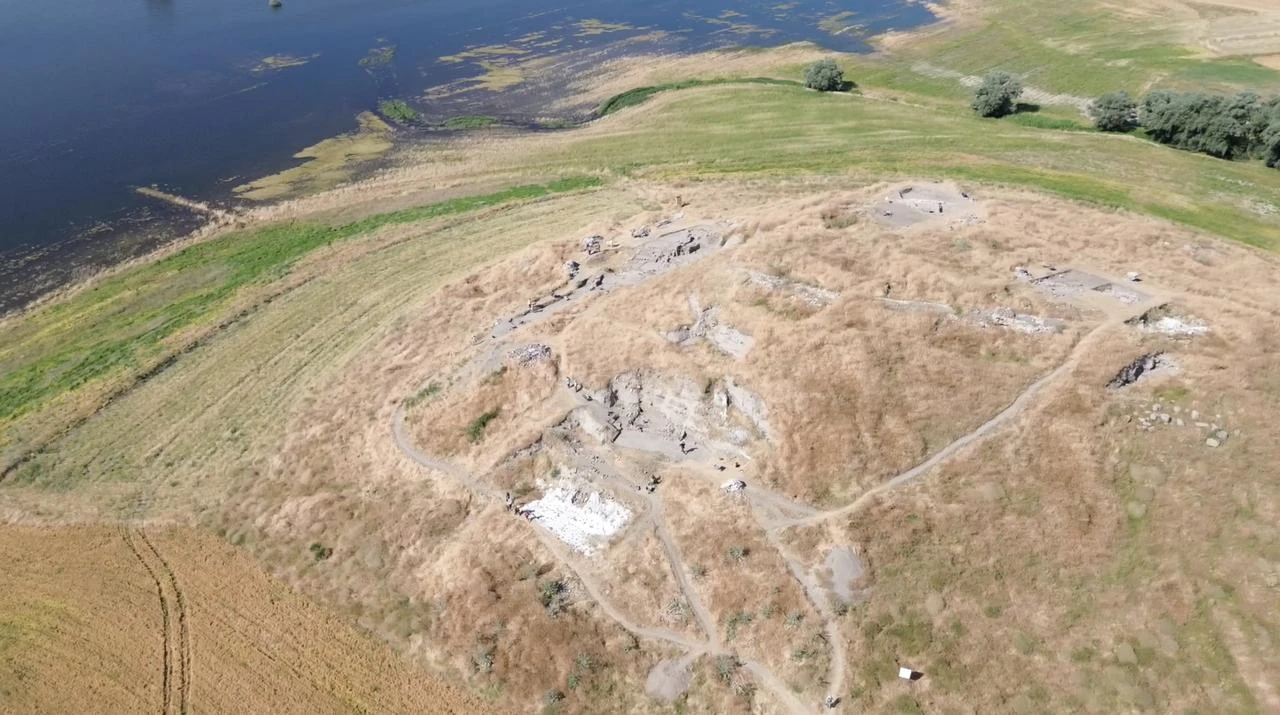

Steadman said the 2026 excavations moved forward across major occupation periods ranging from the Chalcolithic era to the Byzantine period.
The Chalcolithic, or Copper Age, refers to the transitional period when early communities began using copper tools while continuing to rely largely on stone implements.
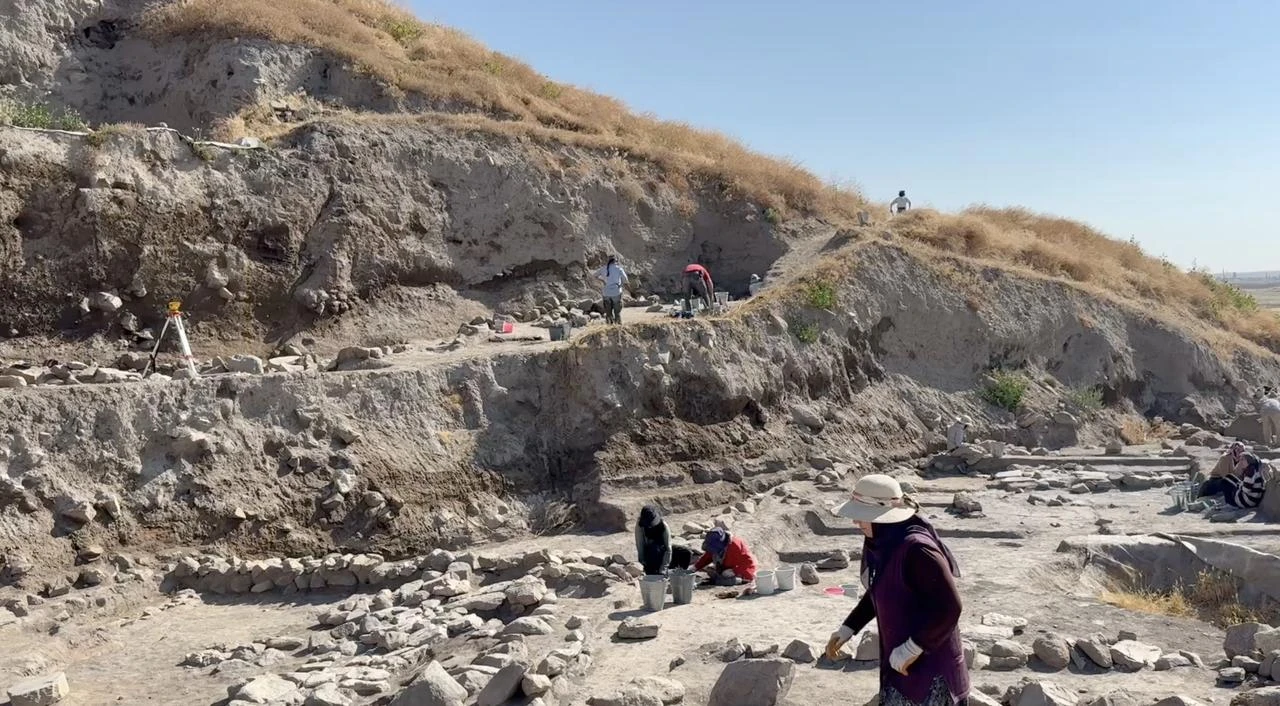
The mound also contains remains associated with the Hittite period, the Iron Age and several other historical phases, allowing researchers to examine how settlement patterns developed over thousands of years.
This season, the excavation team is concentrating on how buildings were put together and how their layout shaped daily life.
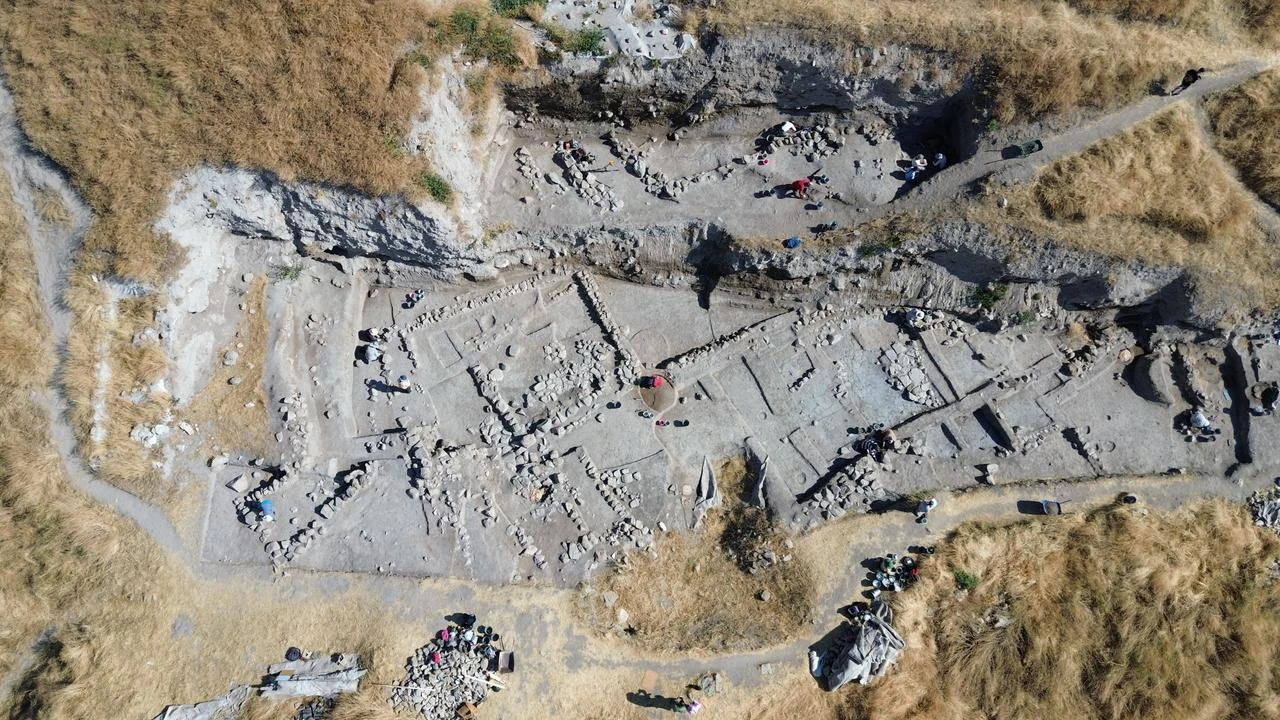
Researchers have identified mud-brick buildings arranged around courtyards, with rooms opening onto these shared spaces. Similar architectural features remain visible in Peyniryemez village today.
Steadman said the ancient houses also faced a street, much like the homes in the modern village, creating a layout that allowed residents to move through the settlement and remain in contact with their neighbors.
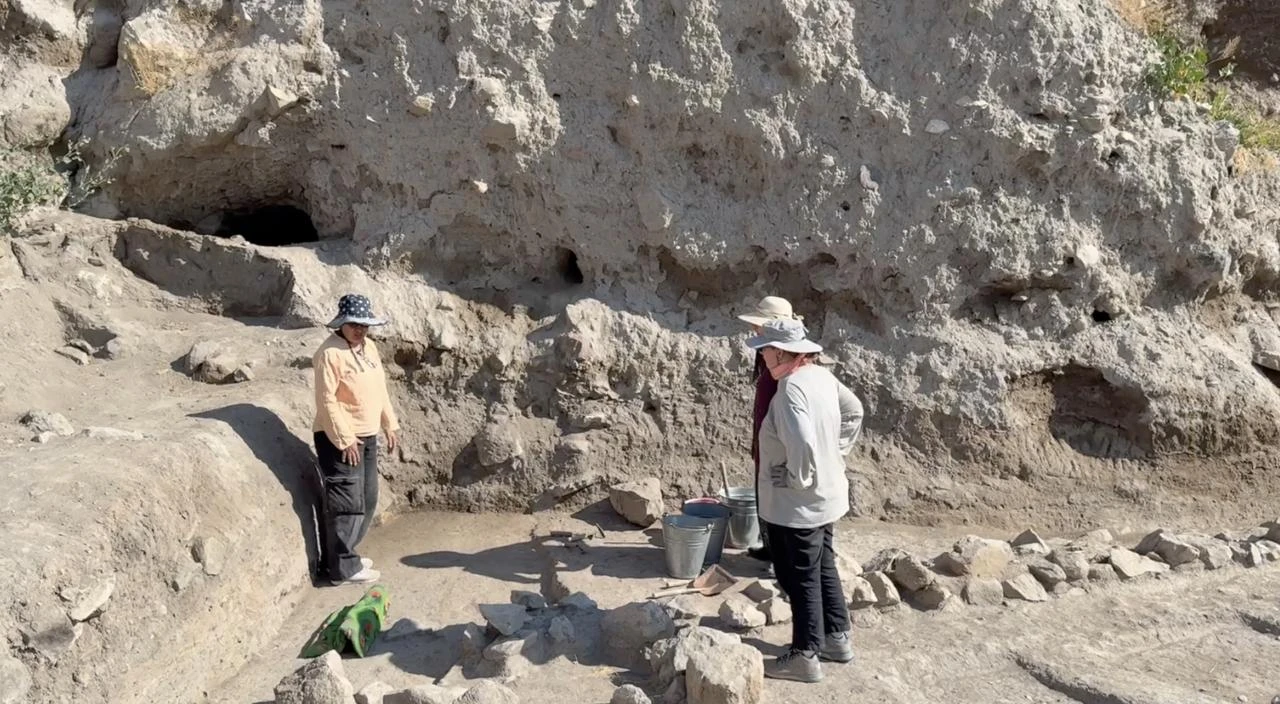
Evidence uncovered inside the residential courtyards indicates that these spaces were also used for pottery production.
The findings are helping the excavation team piece together how architecture, manufacturing and community interaction came together at Cadir Hoyuk over successive historical periods.


 Set as preferred source
 Set as preferred source


 3 min read