Newsletters


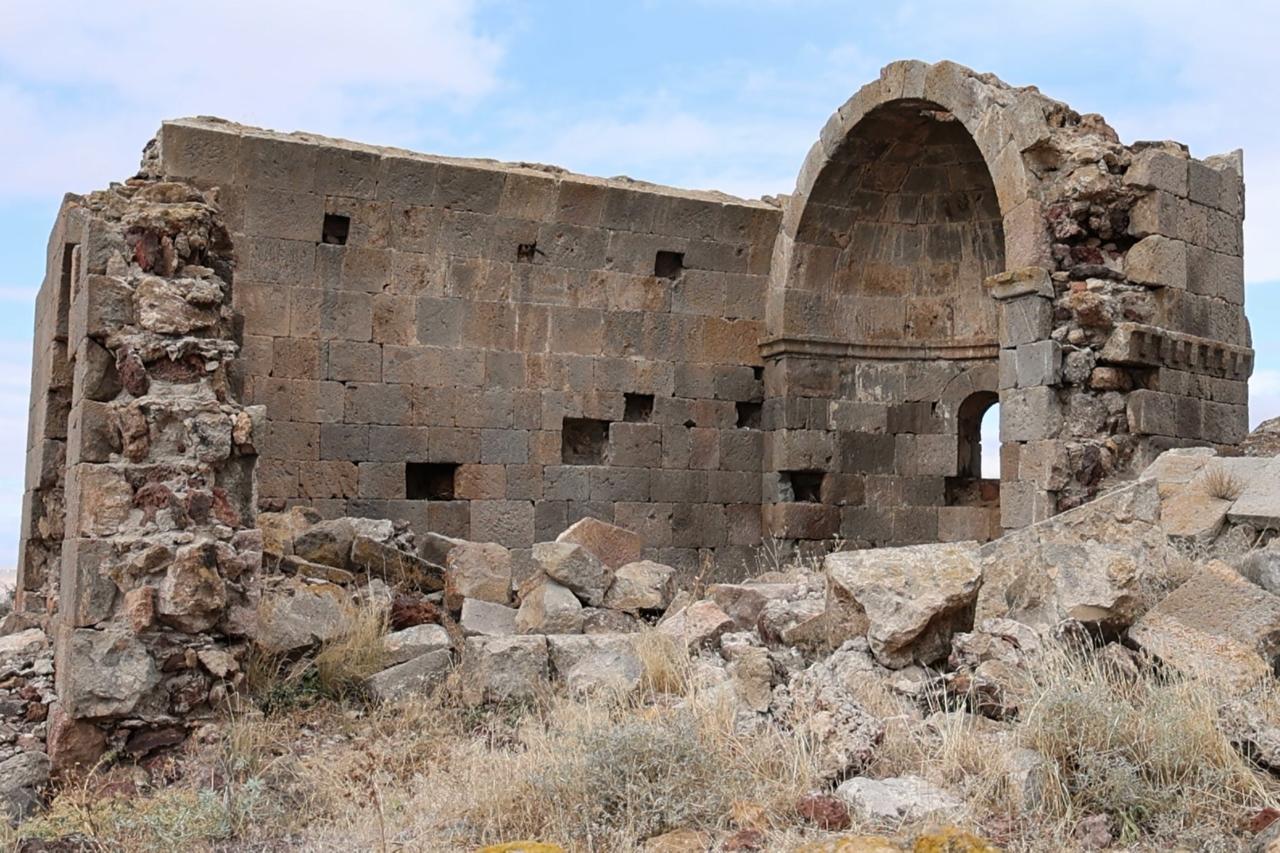


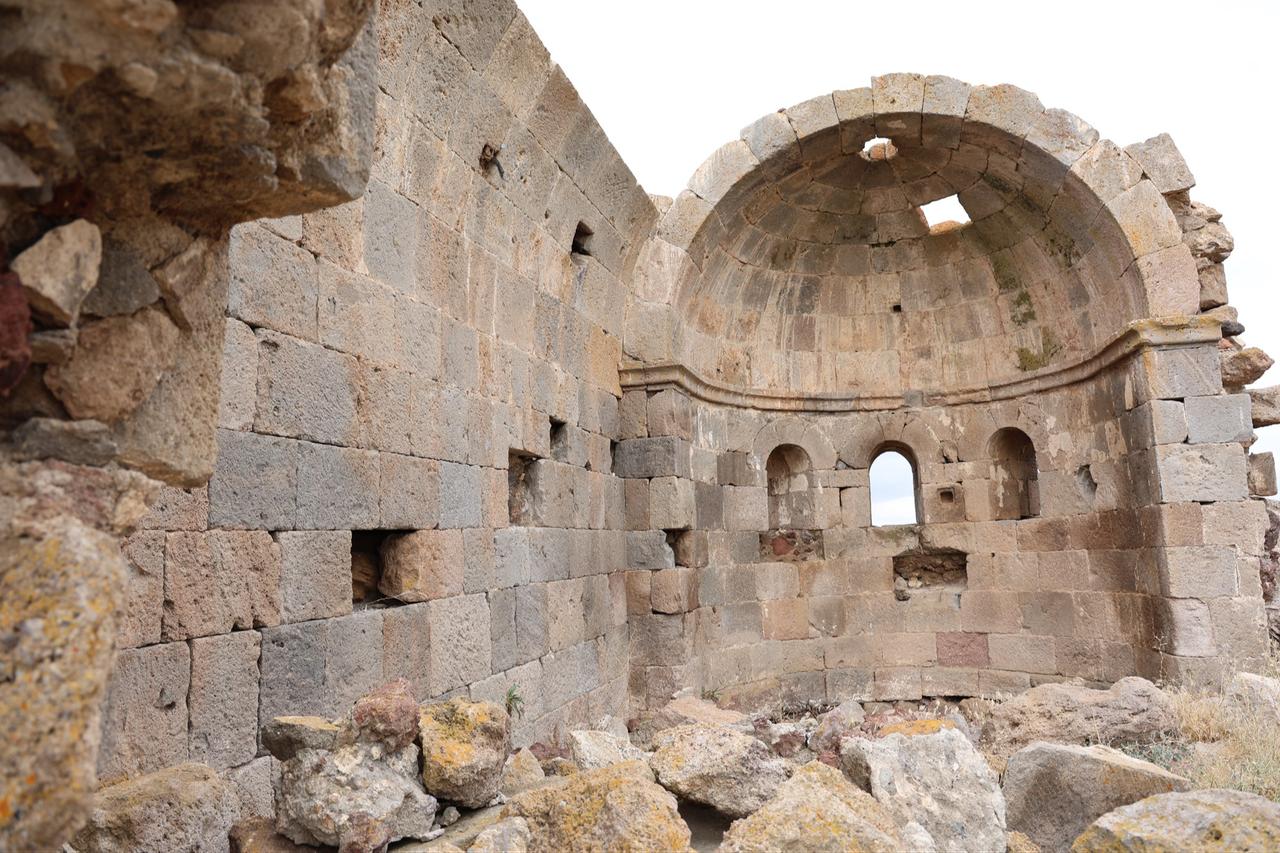
A 725-year-old church on Ana Sultan Hill in Türkiye's central province of Aksaray is drawing attention for its history of religious transformation, having reportedly served as a mosque after the Turkish conquest of the region before becoming a gathering place for local communities.
Located between the villages of Gozlukuyu and Karkin, the historic structure stands on a hill that has served different religious and social purposes over the centuries, including hosting traditional spring celebrations known as Hidirellez.
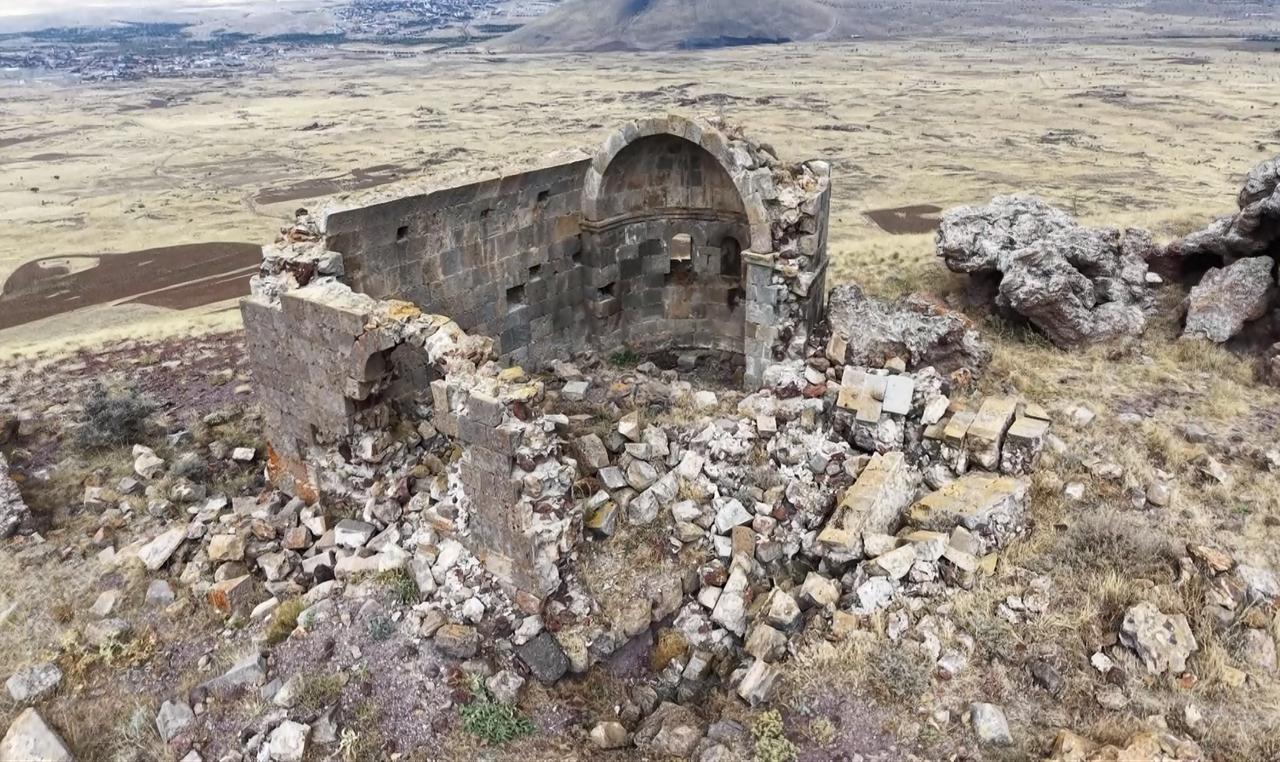

Historian and author Mustafa Firat Gul explained that historical records dating back to the 14th century refer to the area as Ana Sultan Hill, Ana Sultan Zawiya or Obruk Zawiya. A zawiya is a religious lodge associated with Muslim spiritual and communal life.
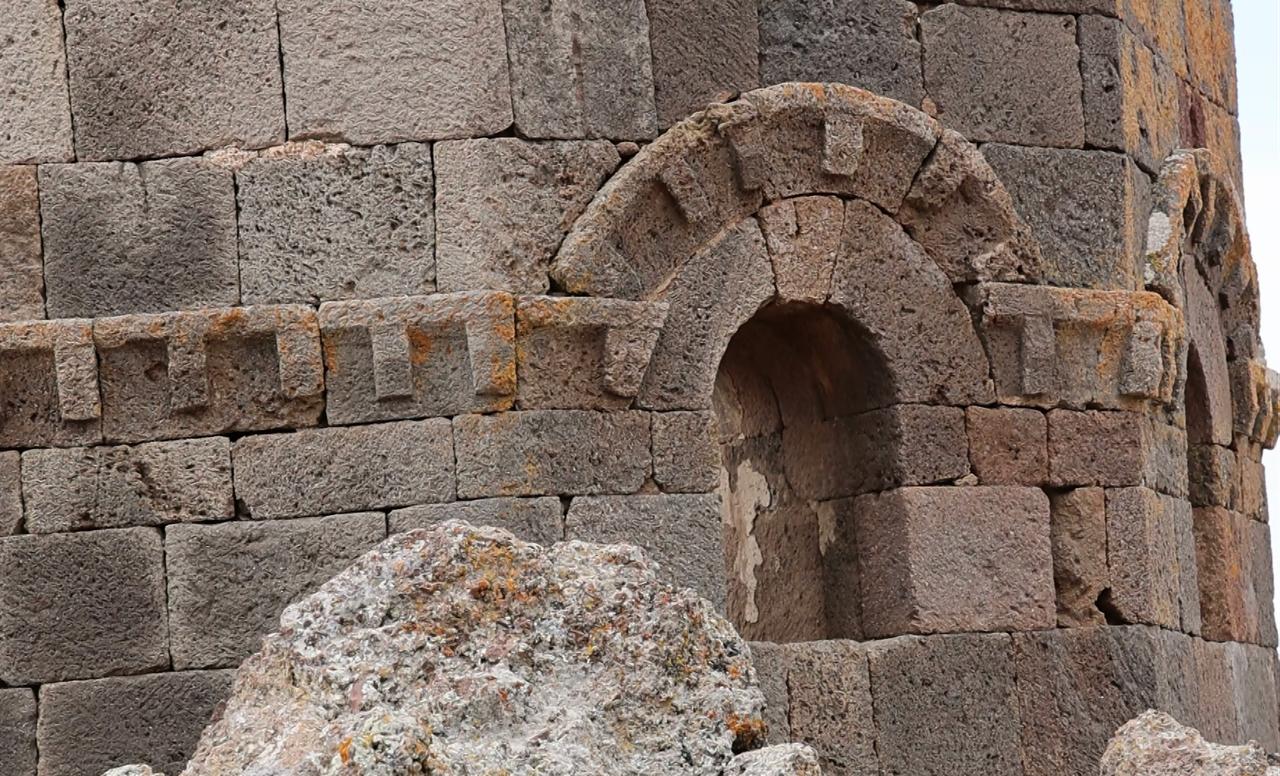
According to Gul, the church's architectural characteristics resemble those of other Christian religious buildings in the region, including a monastery on the summit of Mount Hasan.
He noted that Christian communities had built places of worship on elevated and fortified sites before the Turkish conquest of Aksaray in the 11th century.
Although the church's age is reported as approximately 725 years, Gul said information about its subsequent use as a mosque or small Muslim prayer hall, known as a mescit, comes primarily from local villagers rather than surviving architectural records.
Beyond its religious history, Ana Sultan Hill also served as a communal gathering place where residents celebrated Hidirellez, a traditional spring festival marking the arrival of warmer weather.
Gul said historical accounts indicated that villagers continued using the area for celebrations, recreation and social gatherings until relatively recently.
Local traveler Omer Yigit, 65, explained that the hill lies between the villages of Karaoren, Karkin and Yukari Gozlukuyu, whose residents traditionally shared the surrounding gardens and agricultural areas.
He added that agricultural workers previously gathered at the site to perform Friday prayers, reflecting the hill's continued role in local religious and community life.


 Set as preferred source
 Set as preferred source



 1 min read