Newsletters


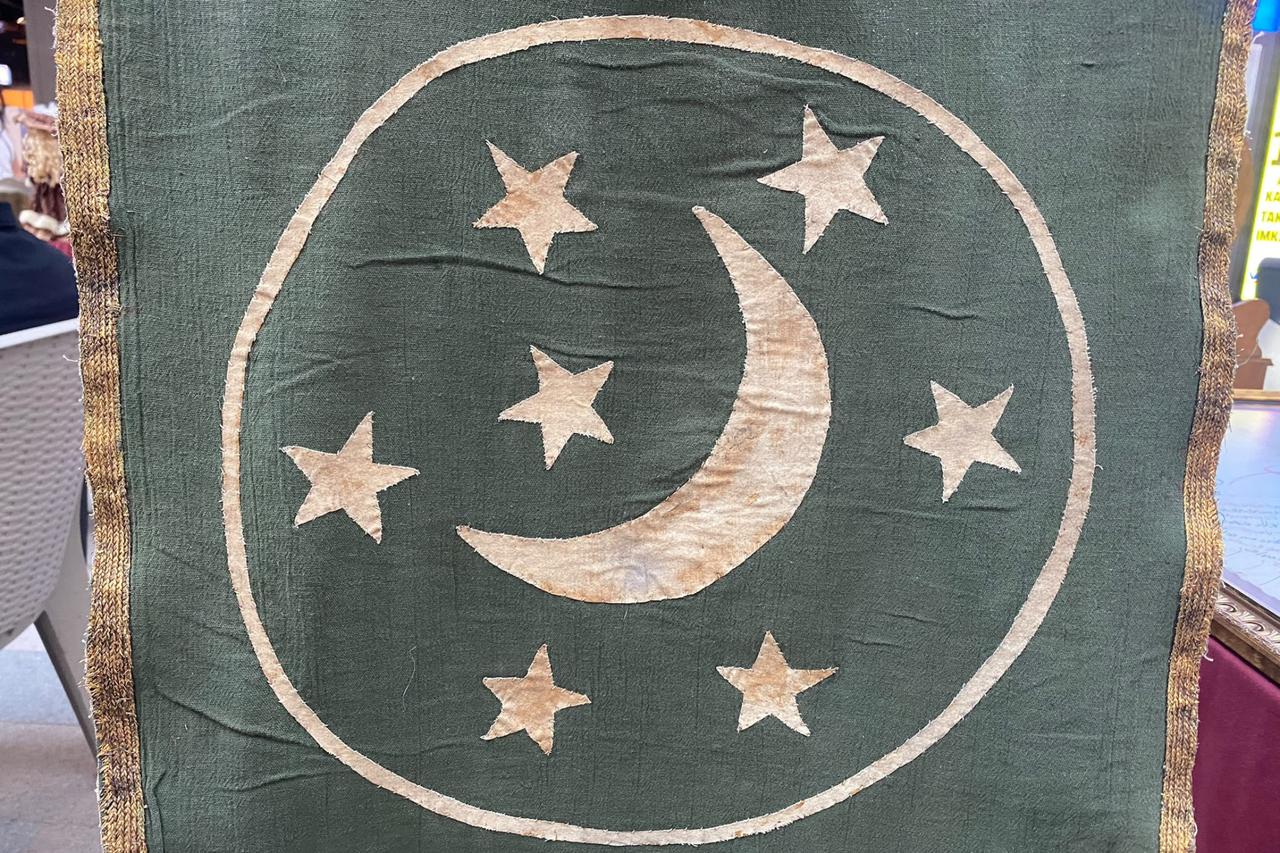


A rare Ottoman banner dating back approximately 130 years became the center of attention at an antique fair in Türkiye's capital, Ankara, where collectors brought together historical objects rarely displayed at conventional antique markets.
The banner, believed to date from the 1890s, was among the standout pieces at a two-day Antique Days event held at a shopping mall in Ankara's Cankaya district.
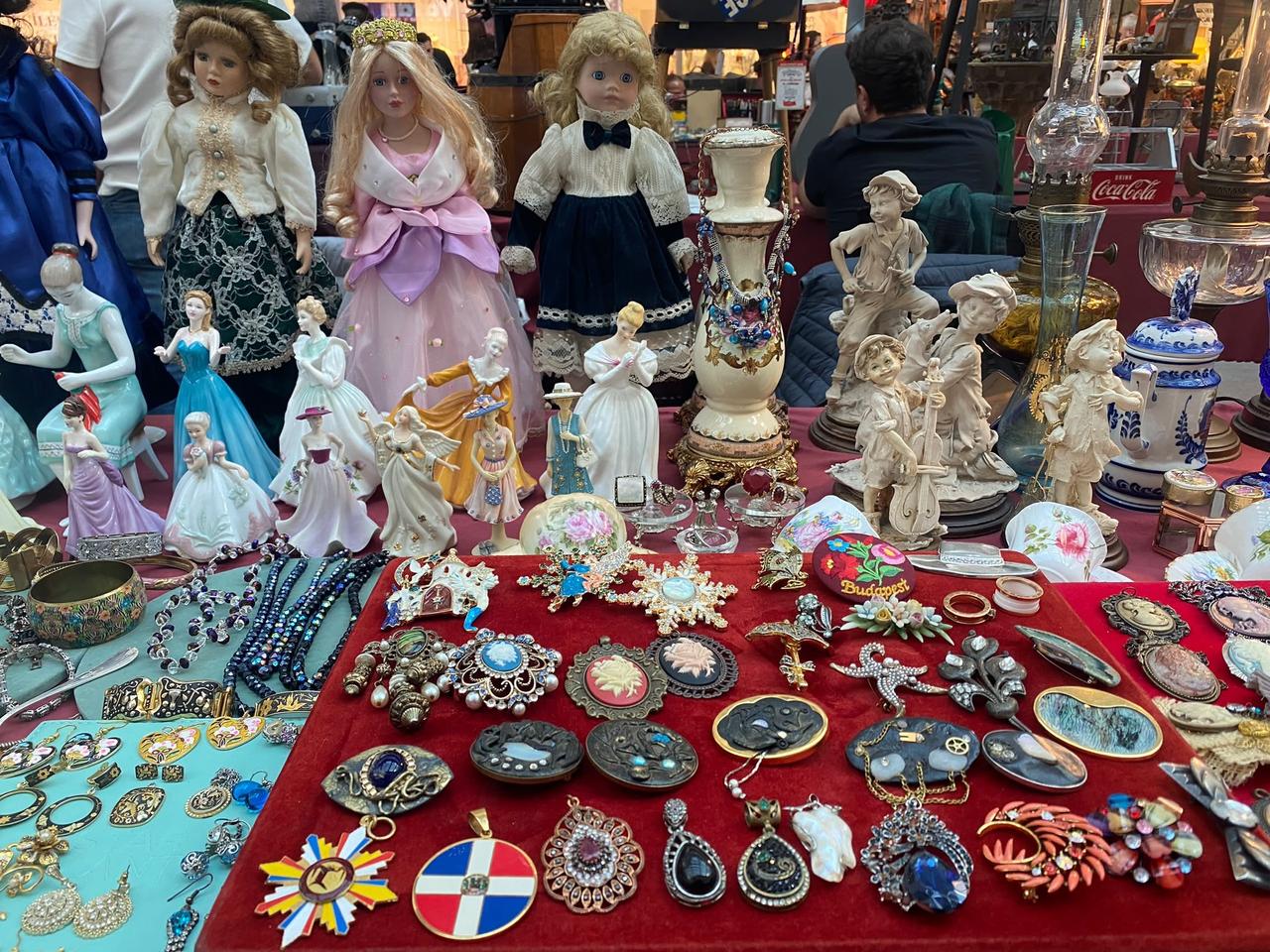
Organized by the Anatolian Antique Dealers Culture and Preservation Association, the event brought together 80 antique dealers displaying valuable objects, particularly those from the Ottoman period.
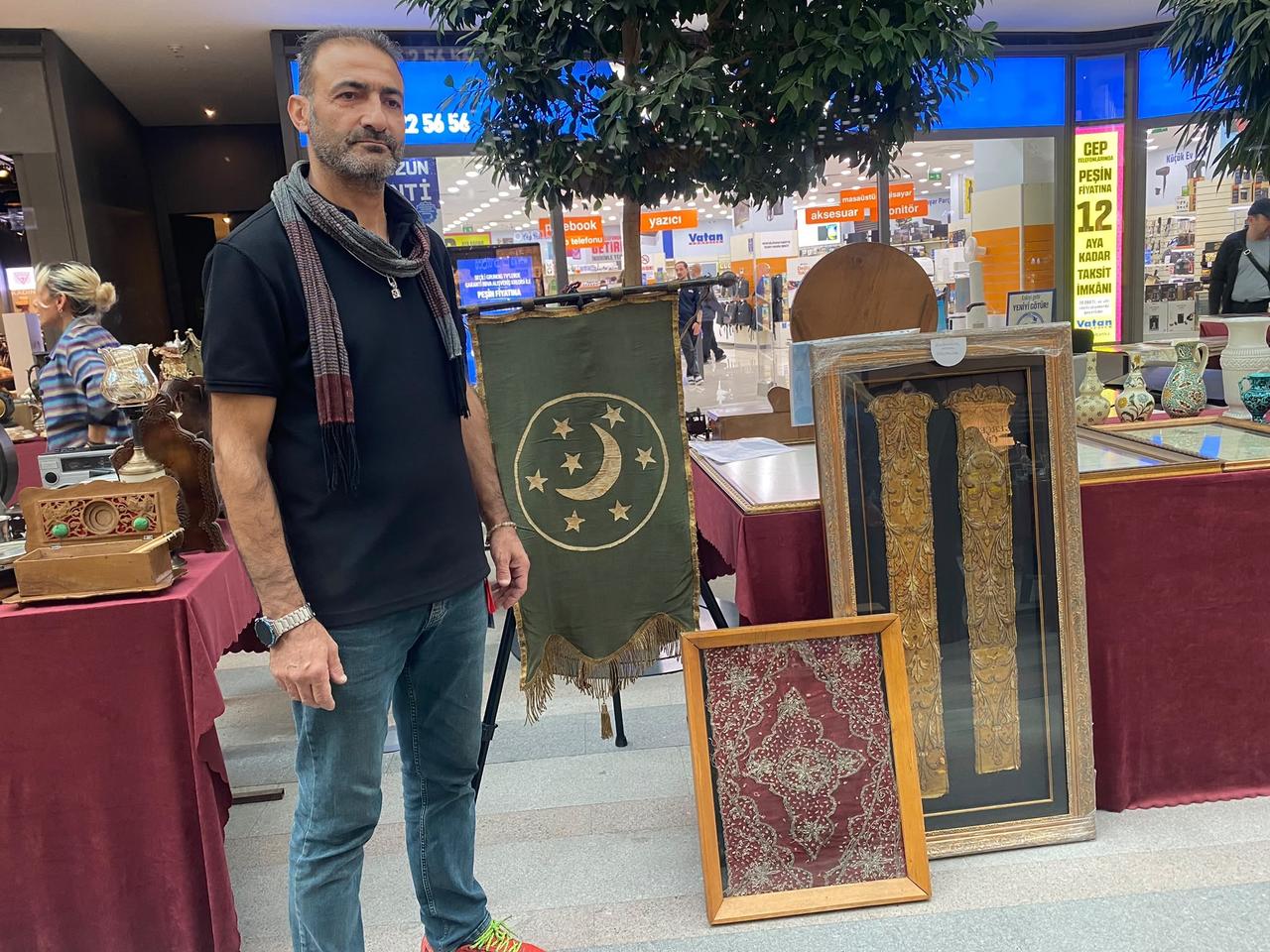

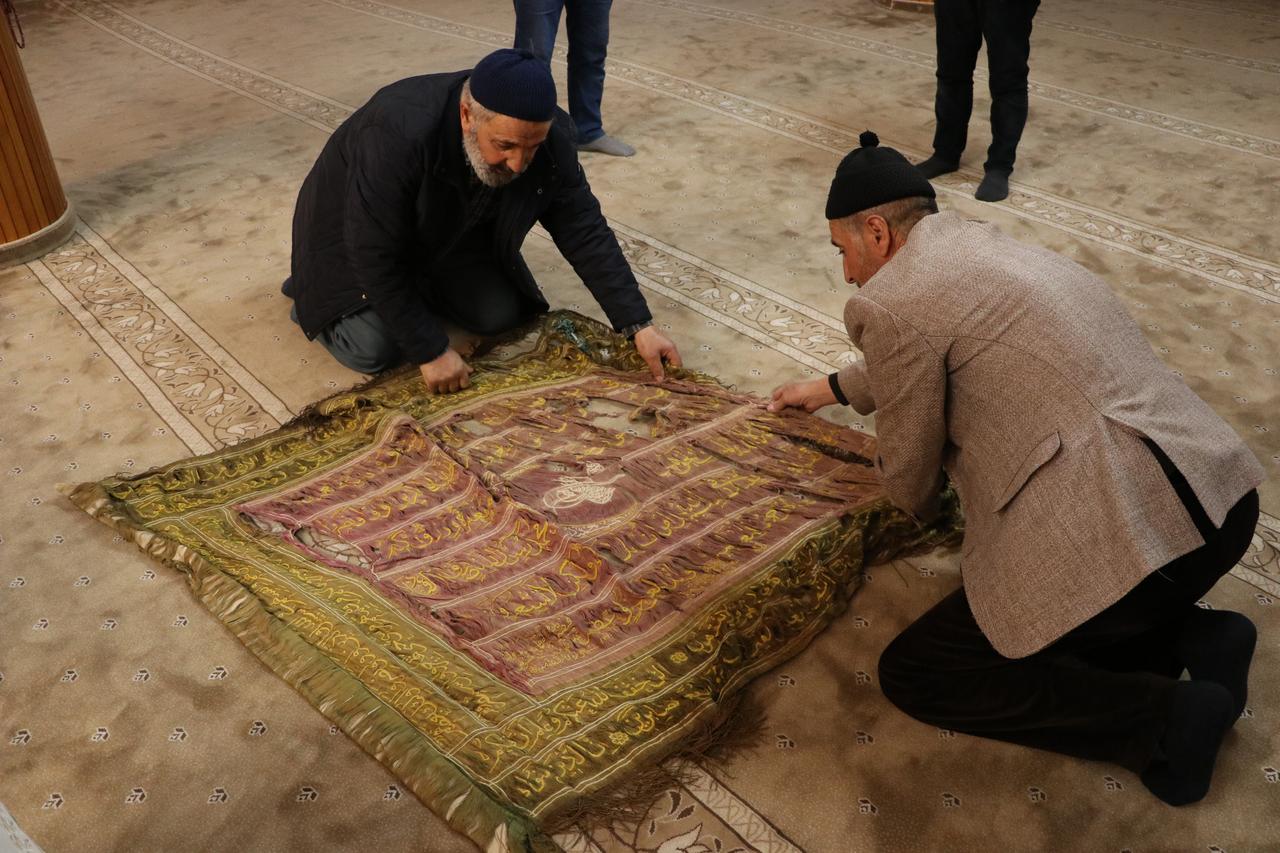
Antique collector Koksal Gulcemal, who has spent three decades collecting historical objects, brought the Ottoman-era banner to the fair, describing it as an exceptionally rare surviving example.
According to Gulcemal, the velvet banner originated from a dergah, a religious lodge traditionally associated with Sufi communities, and dates back to the 1890s.
He said the banner was associated with a group that joined the Kuva-yi Milliye, the irregular nationalist resistance forces that emerged during Türkiye's War of Independence. Although the group later disappeared, Gulcemal claimed the banner remained as a surviving historical object.
Gulcemal explained that he acquired the piece from a fellow antique dealer in Izmir through a combination of barter and cash payment.
He also claimed that no identical example currently exists in Türkiye, although another version embroidered on silk is known.
Unlike that example, the banner displayed in Ankara was made from velvet.
Describing its symbolism, Gulcemal said the crescent at its center represented Islam, while the seven stars symbolized what he identified as the seven Turkic republics known at the time.
He added that the banner had attracted considerable interest from visitors and that he had brought it specifically for the Ankara event.
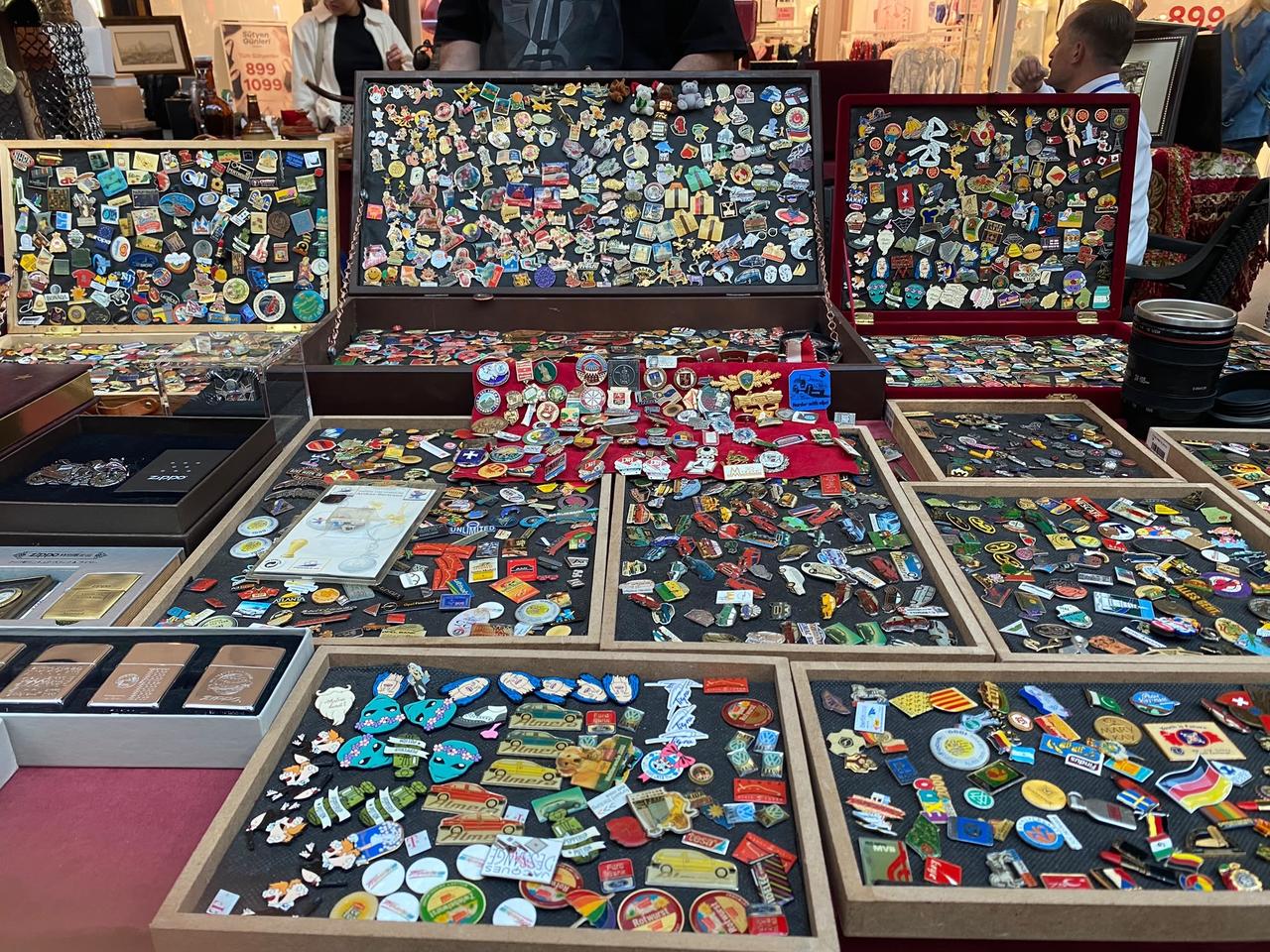
Association President Sukru Sari said the indoor exhibition allowed dealers to showcase valuable historical objects that they would not normally bring to outdoor antique markets.
He explained that the controlled environment offered greater security for rare items, including objects dating back to the Ottoman period.
According to Sari, the association organized the event for the first time to introduce antique collecting to a broader audience, with visitors responding positively to the exhibition.
The association now aims to build on the event's reception by holding similar exhibitions elsewhere in Türkiye, bringing together collectors and visitors interested in historical artifacts.


 Set as preferred source
 Set as preferred source


 1 min read
 1 min read