Newsletters


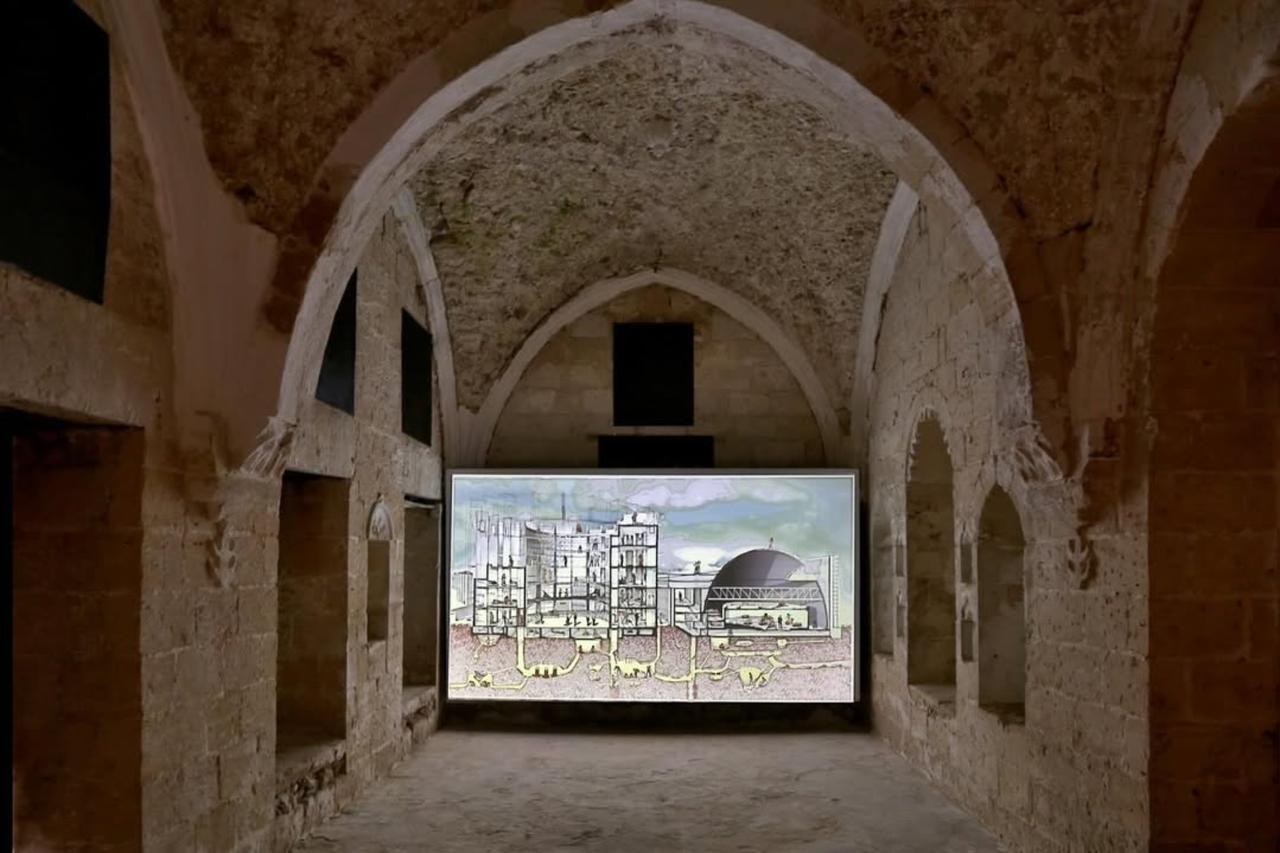


The seventh edition of the Mardin Biennial, one of the most established contemporary art events in Türkiye, is set to take place from May 15 to June 21, 2026, bringing together artists, curators, and audiences in a city long shaped by layered histories and cultures.
Hosted by the Mardin Cinema Association, the biennial will be directed by Done Otyam and Hakan Irmak, with curatorial responsibility taken on by Celenk Bafra, the artistic director of Istanbul Modern, who has worked extensively with museums and art institutions across Türkiye and Europe. The advisory board comprises respected figures from the art and academic worlds, including Esra Alicavusoglu, Firat Arapoglu, Mehmet Said Aydin, Evin Sevgi Baran, and Paolo Colombo.


Speaking at the press conference held in the Beyoglu district of Istanbul, director Hakan Irmak underlined that the Mardin Biennial has now completed 15 years since its foundations were laid in 2009, ahead of its first full edition in 2010. He framed Mardin not as a distant cultural periphery, but as a place where civilization and artistic expression have long intersected, positioning the city as both a historical reference point and an active platform for international dialogue.
The biennial, he noted, was conceived as a way of carrying what he described as a rising light from the east into wider national and global conversations.
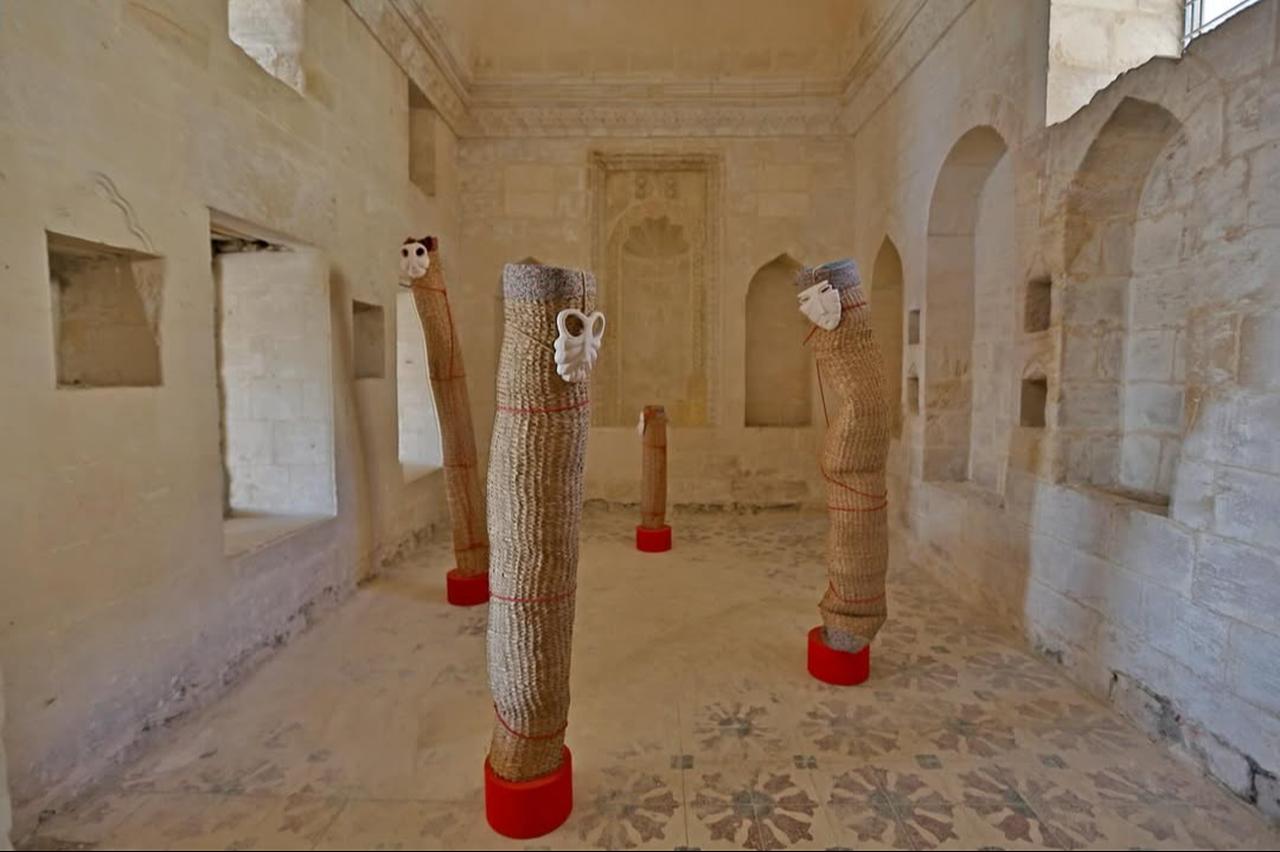
Curator Celenk Bafra explained that the 2026 edition will carry the title “GOKzemin,” a concept that makes visible the relationships contemporary art builds between reality and imagination, the material and the spiritual, and the political and the poetic, all through the specific context of Mardin. By setting up lines of thought and emotion between sky and ground, individual and collective experience, and past and future, the biennial aims to draw visitors into a journey across contrasting yet interconnected poles.
Bafra pointed out that her repeated visits to Mardin had been shaped by the presence of birds across the city, which in turn fed into the biennial’s conceptual compass. Two literary works stand at the heart of this framework: Aristophanes’ comedy "The Birds," regarded as one of the strongest political allegories of Ancient Greece, and Farid al-Din Attar’s "Conference of the Birds" ("Mantiqu t-Tayr"), a foundational text of Persian literature. While Aristophanes uses satire to expose tensions between power and idealism through a utopian city in the clouds, Attar leads birds through seven valleys on a spiritual journey toward collective truth. Though distinct in form and tone, both texts converge around ideas of search, movement, and transformation, which the biennial takes up as a shared ground for thinking about freedom, truth, and the imagining of new worlds.
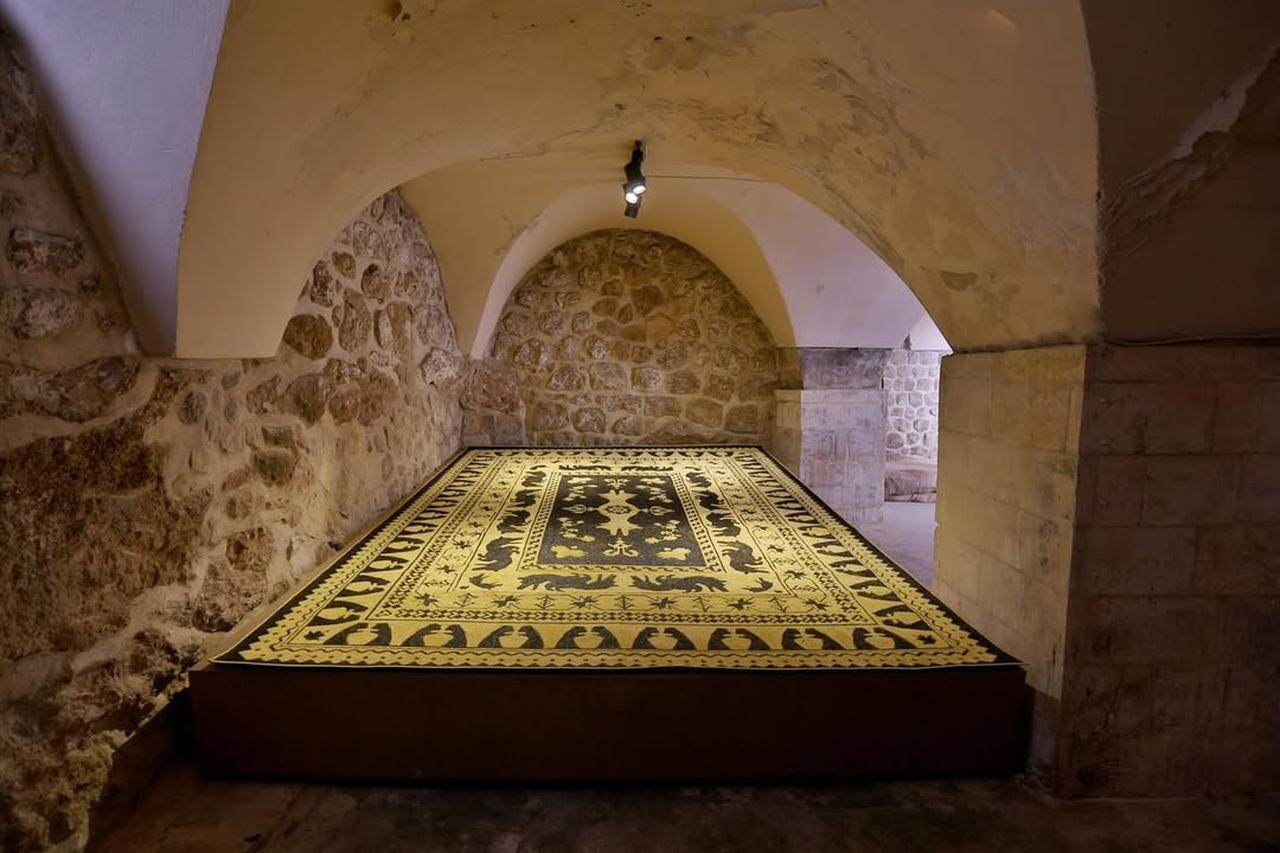
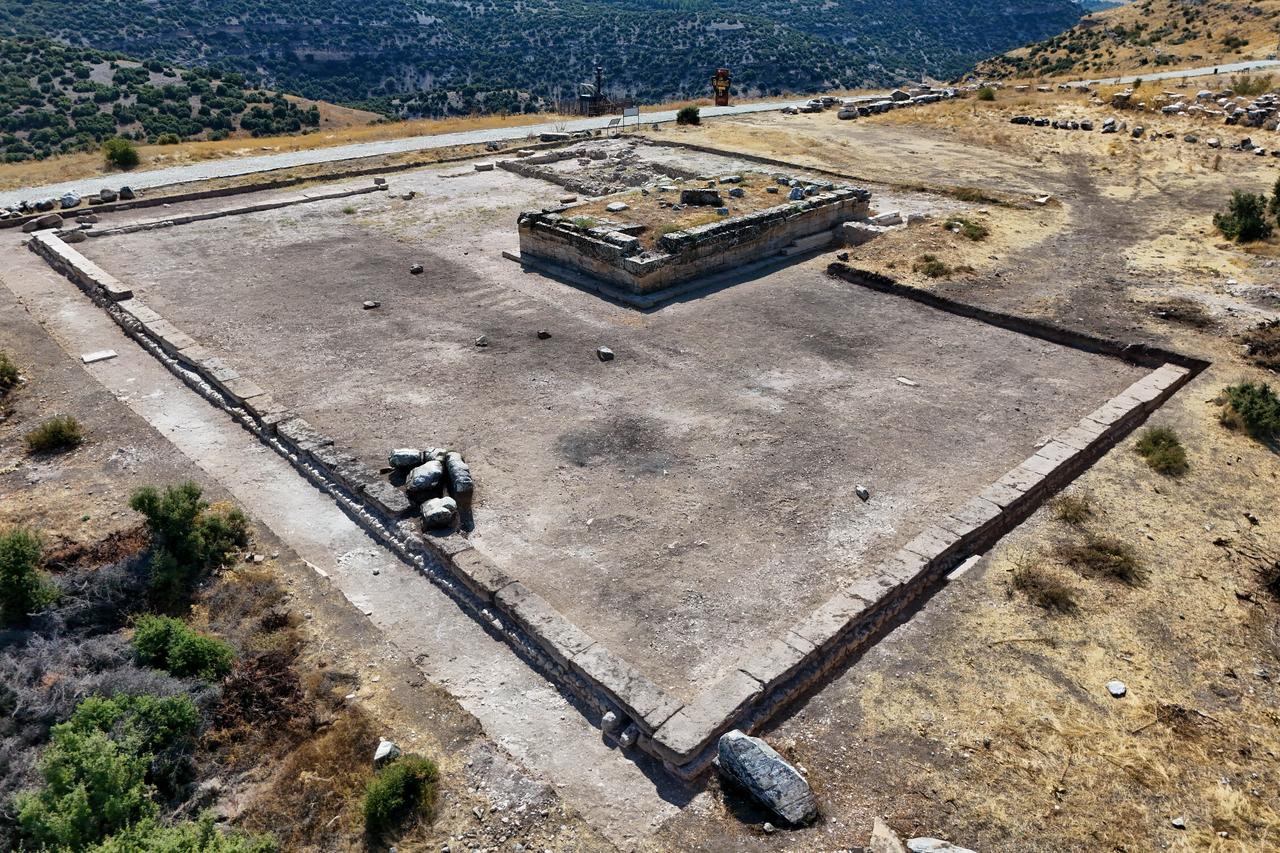
This conceptual approach also feeds directly into the biennial’s spatial design. For the first time in its history, the Mardin Biennial will move beyond Yukari Mardin, the historic old city that has traditionally served as its core. While Yukari Mardin and the nearby Deyrulzafaran Monastery will remain central venues, the route will now extend to the ancient city of Dara and to Kiziltepe, both of which will act as main hubs of the exhibition. This expansion marks a significant shift, opening up new thresholds between geography, history, and contemporary artistic production.
Bafra also shared that a number of works will be produced specifically for the biennial, reinforcing its emphasis on site-responsive practice.
Brand Director Gupse Kaplan described the partnership as more than logistical support, emphasizing that it aims to help carry art, creativity, and plural voices into wider and more diverse public spaces. She expressed appreciation to the biennial team and participating artists for making this shared journey possible.


 Set as preferred source
 Set as preferred source


 3 min read