Newsletters


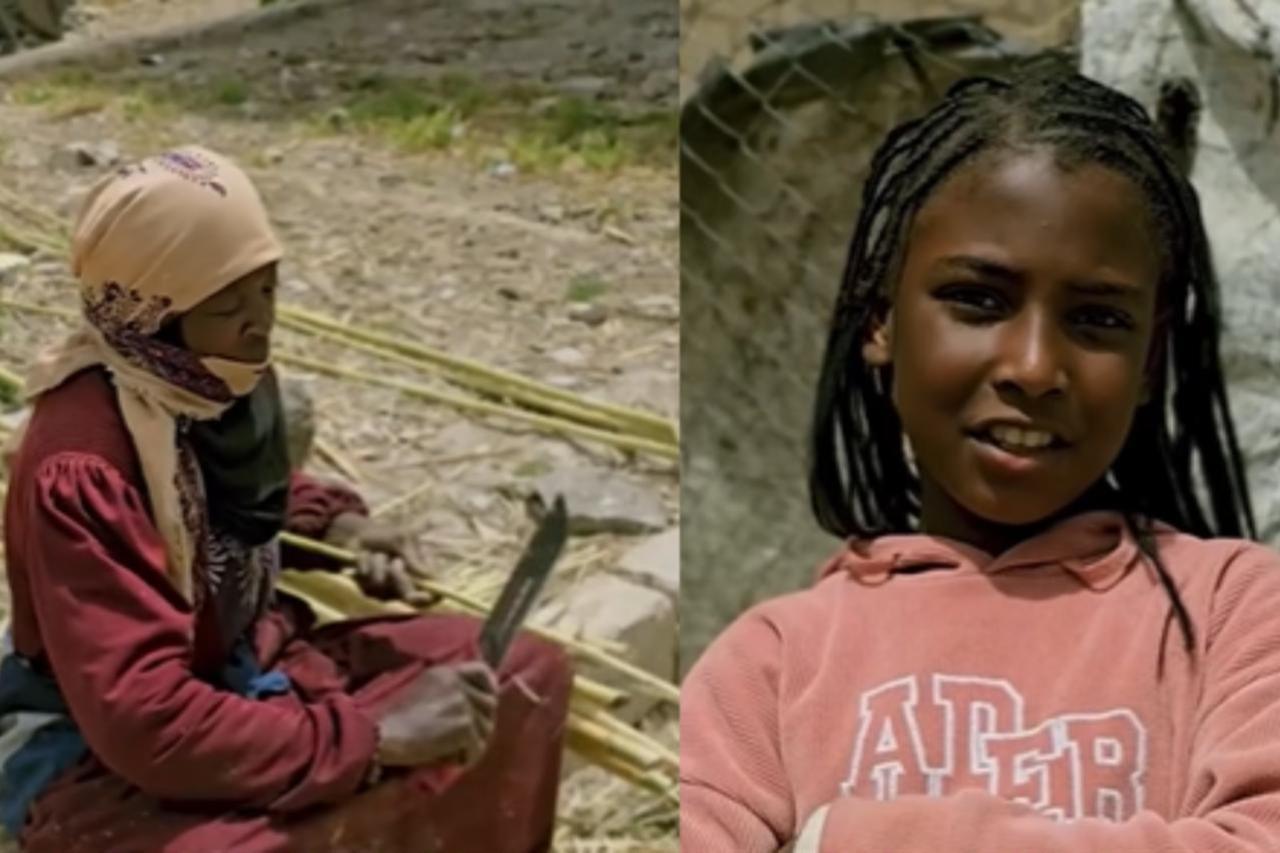


Jleen, a village about 25 kilometers west of Daraa in southern Syria, is home to Syrians of African origin whose ancestors arrived in the 19th century, according to Syria Now and Arab media reports describing the community's traditions, livelihoods and wartime impacts.
The ancestors of the village's residents, whose population exceeds about 7,000, arrived in the area and settled there in 1813 via Hajj caravans.
Some also arrived as soldiers in Ibrahim Pasha's campaign, an Egyptian-led military expedition sent by his father, Egypt's governor at the time, Mohammed Pasha, to Syria between 1831 and 1833 during Ottoman rule.
Some young residents talking with Syria Now said they embrace the traditions and customs of Hauran, in reference to Daraa province on the Hauran Plain.
Some older residents, however, said their community reflects a blend of Haurani and African, particularly Sudanese, traditions, especially in food. They eat mleihi, a traditional Hauran dish, and also Sudanese aseeda, made from okra flour and meat.
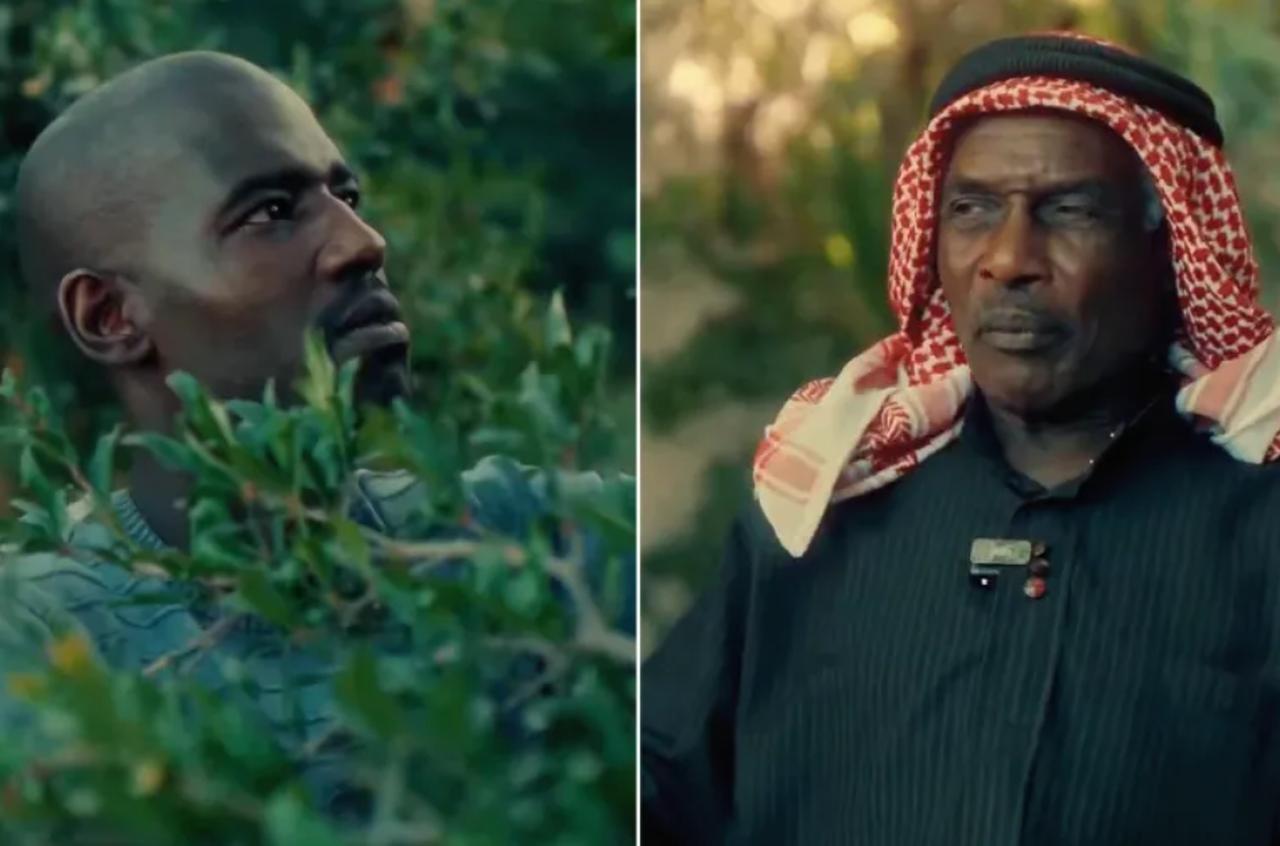

Jleen is described as lying on the shoulder of Wadi al-Hareer, a tributary of the Yarmouk River. The village is portrayed as a "village of springs," and lists its crops: Grapes, olives, lemons, pomegranates, wheat, lentils, fava beans and vegetables.
The village's residents are divided into two main lines of work. One group makes qaseeb decorations, handcrafted decor from reeds they collect from the valley in the area, while the other works in agriculture, especially cultivating pomegranate trees.
One factor that helped people of African origin settle in the area was its exceptionally fertile soil, as Jleen and the surrounding areas are largely agricultural and green.
Africans in Southern Syria form part of the country's social mosaic, which includes Arabs, Kurds, Turkmen, Circassians and other communities that have settled in Syria over the centuries.
The area is linked in local memory to the period preceding the Battle of Yarmouk, when a unit under the banner of Khalid ibn al-Walid, a prominent companion of the Prophet Muhammad, was present in the landscape.
Centuries later, the march of Ibrahim Pasha's army also passed through this terrain. The village's story is framed as part of a longer continuum of successive civilizations dating back to the Roman era, traces of which remain in the form of old mills, water structures, and nearby ruins such as Yabla, al-Samiriya and Kawkab.
Jleen's social fabric, however, is defined as much by migration and settlement as by ancient remnants. Local accounts describe a turning point in the 19th century, when Ibrahim Pasha is said to have rebuilt villages in the Yarmouk Basin, including Jleen.
In this narrative, the village became home to African families arriving from Somalia, Sudan and other countries. Over time, additional families from Palestine also moved into the area, names and places still recounted in community memory.
The result, as the accounts emphasize, was not separation but integration, according to Arab media reports. People blended into the broader identity of Hauran and Syria, with the community described through familiar values of good neighborliness, generosity and a strong attachment to local traditions.
The spread of African families extended to other villages in western rural Daraa, but notes that the largest proportion was in Jleen. It adds that the community is not distinct from surrounding residents linguistically or culturally, and that ties deepened through intermarriage and shared participation in social occasions.
The population was 7,000, according to statistics from before 2011. It states that during the years of the uprising, the village was hit by what it calls "Assad's missiles and shells," and that the most recent shelling mentioned occurred in August 2021, causing casualties and displacement. The regime later regained control of the governorate.
Jleen is presented as a witness to the meeting of civilizations and the blending of identities. The account says it bears the scars of the present, the memory of war and the hardships of displacement, and portrays it as a symbol of the resilience of the Syrian people.


 Set as preferred source
 Set as preferred source


 2 min read