Newsletters


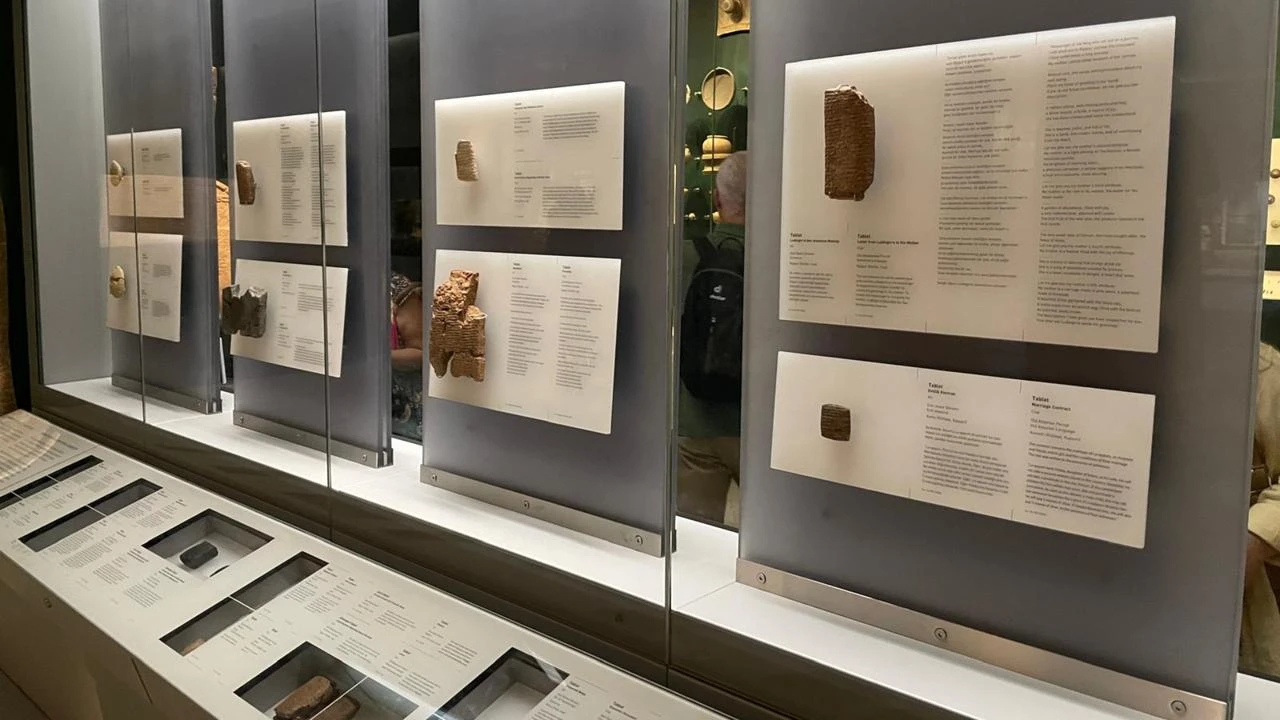
Reopened after four years within the Istanbul Archaeological Museums complex, the Museum of the Ancient Orient once again brings together cuneiform tablets and other ancient objects from Mesopotamia, Anatolia, Egypt, and the Arabian Peninsula.
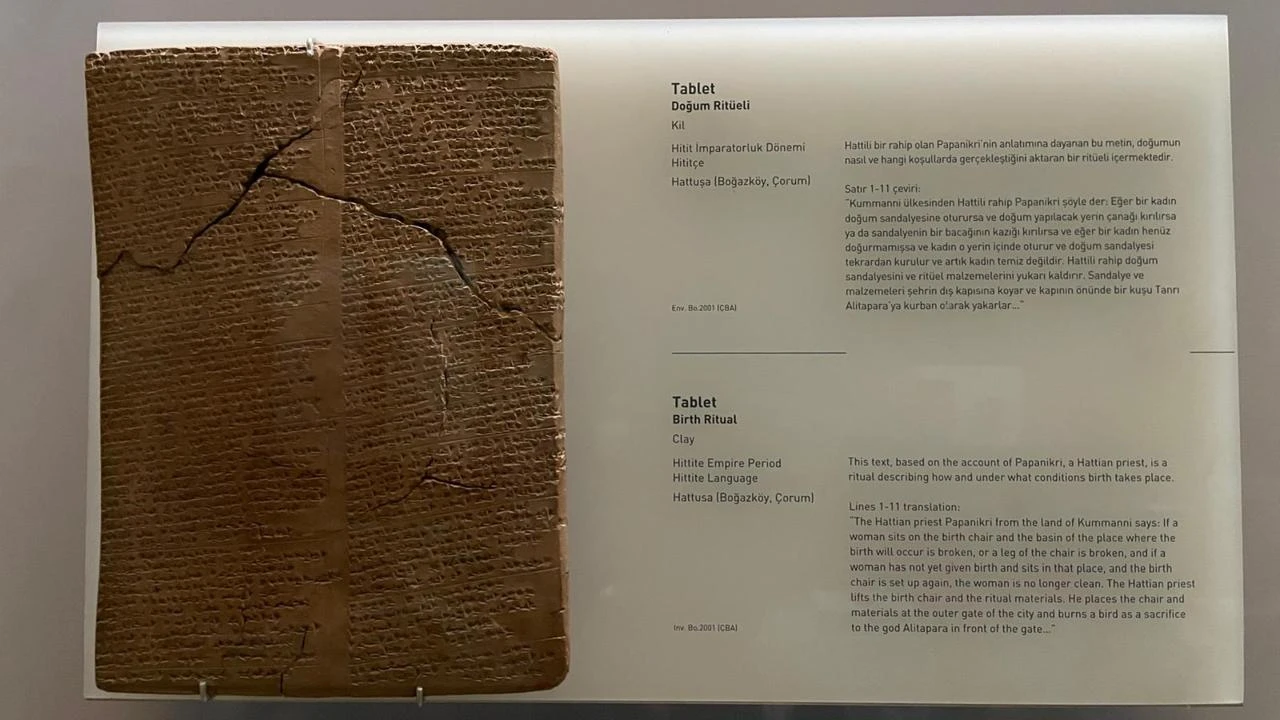
The Birth Ritual Tablet from Hattusa in Türkiye, written in Hittite during the Hittite Empire Period, sets out the ritual conditions of childbirth through the account of the Hattian priest Papanikri.
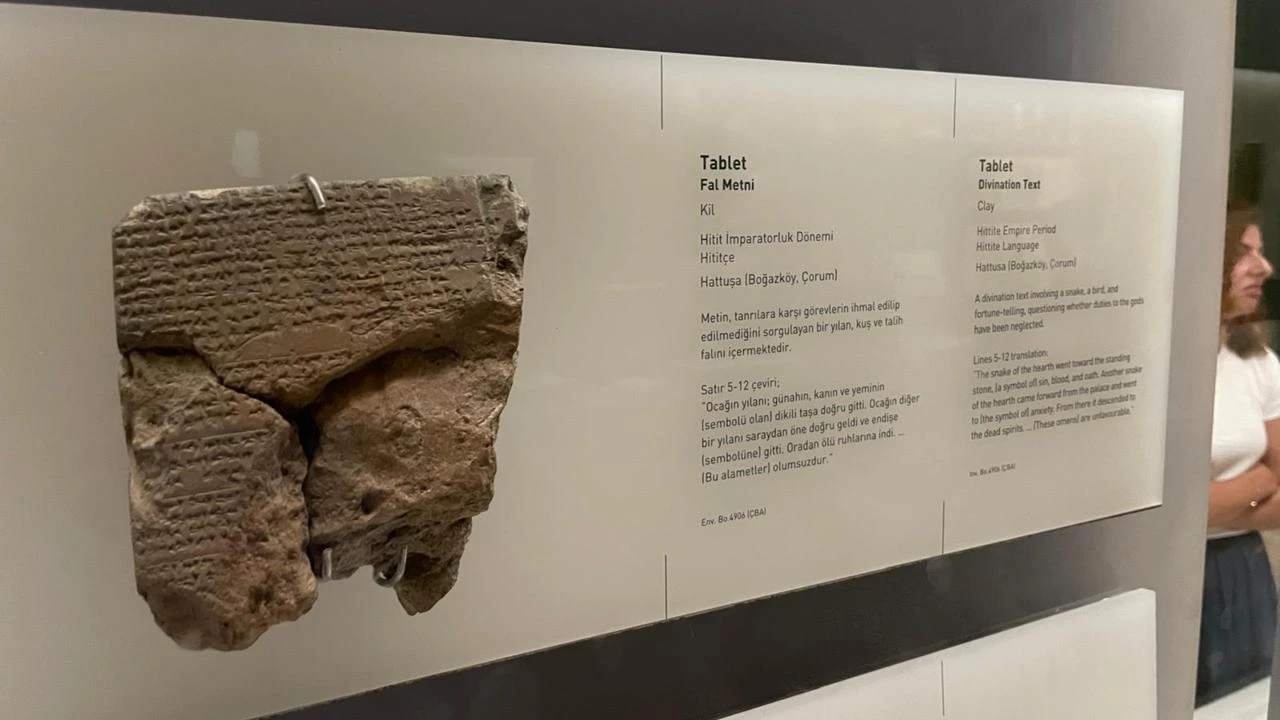
The Divination Text Tablet from Hattusa, also written in Hittite during the Hittite Empire Period, reflects how omens involving a snake, a bird, and destiny were used to interpret whether duties to the gods had been neglected.
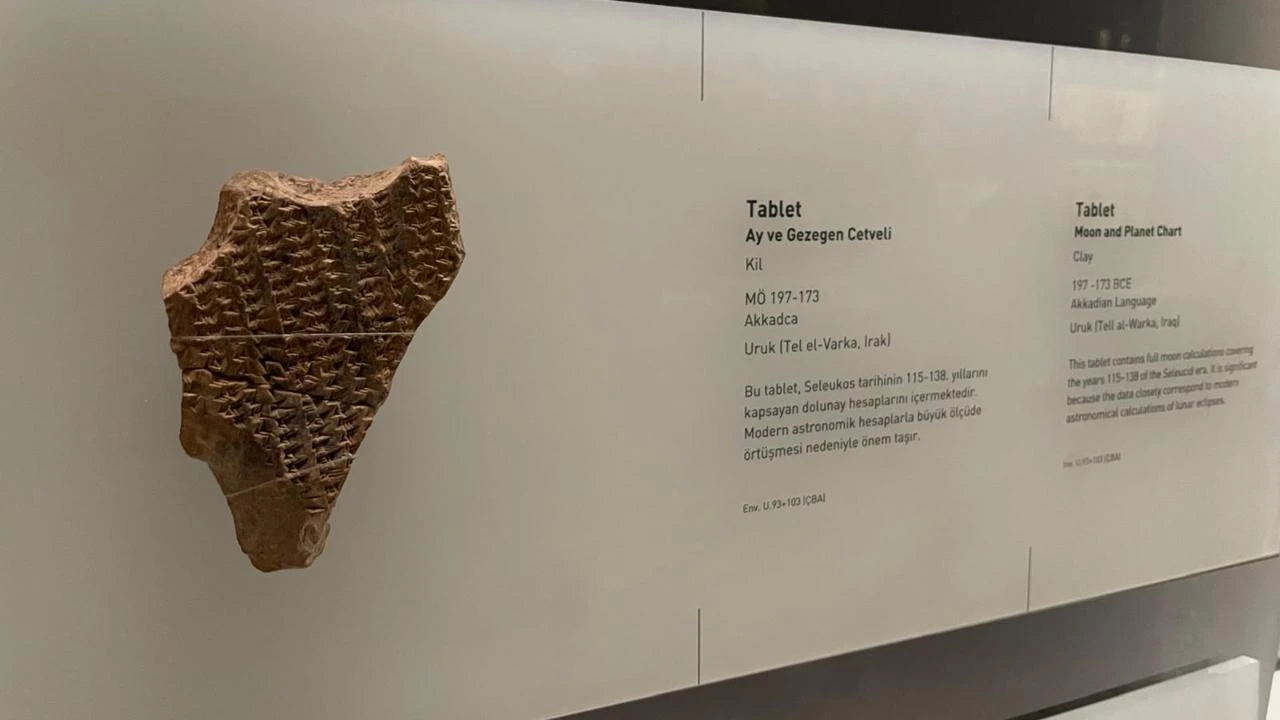
The Moon and Planet Chart from Uruk, written in Akkadian and dated to 197-173 B.C., records full-moon calculations whose close overlap with modern lunar eclipse calculations makes it especially notable.
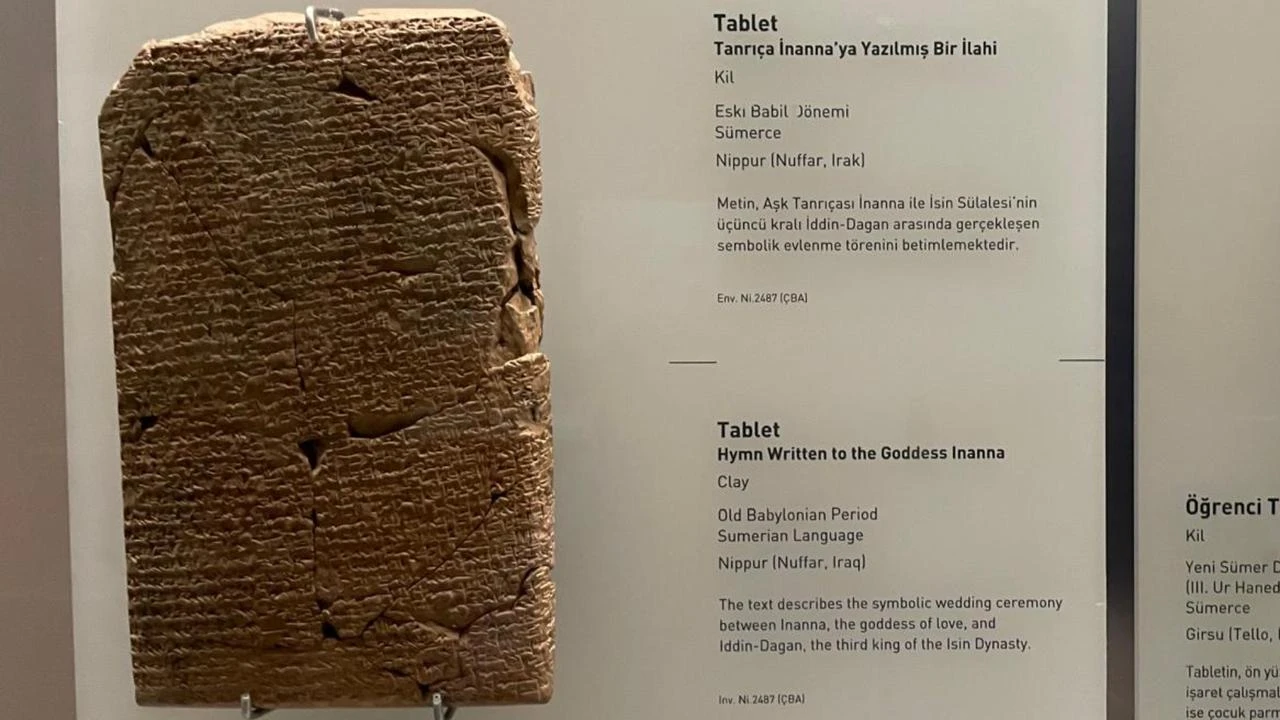
The Hymn Written to the Goddess Inanna, a Sumerian tablet from Nippur dating to the Old Babylonian Period, describes the symbolic wedding ceremony between Inanna and Iddin-Dagan, the third ruler of the Isin Dynasty.
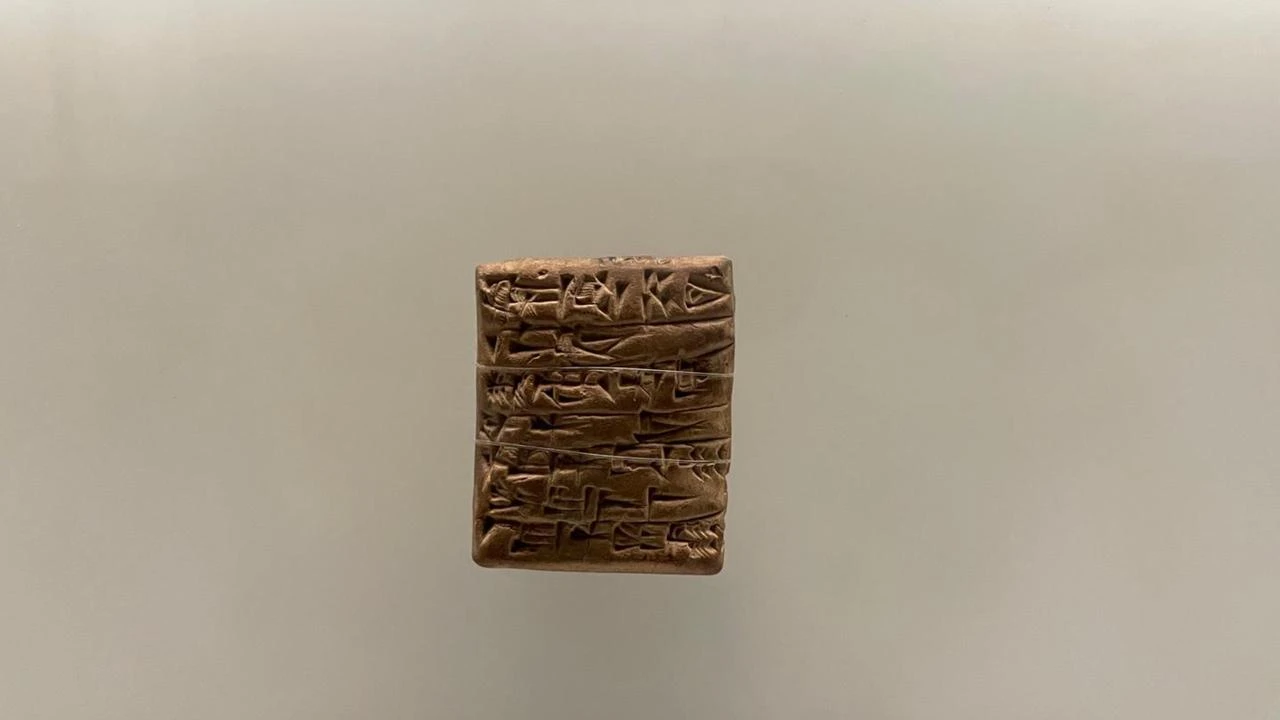
The Oldest Marriage Certificate from Girsu, written in Sumerian during the Neo-Sumerian Period, records a marriage contract produced in two copies, one for the state archive and the other for the married couple.
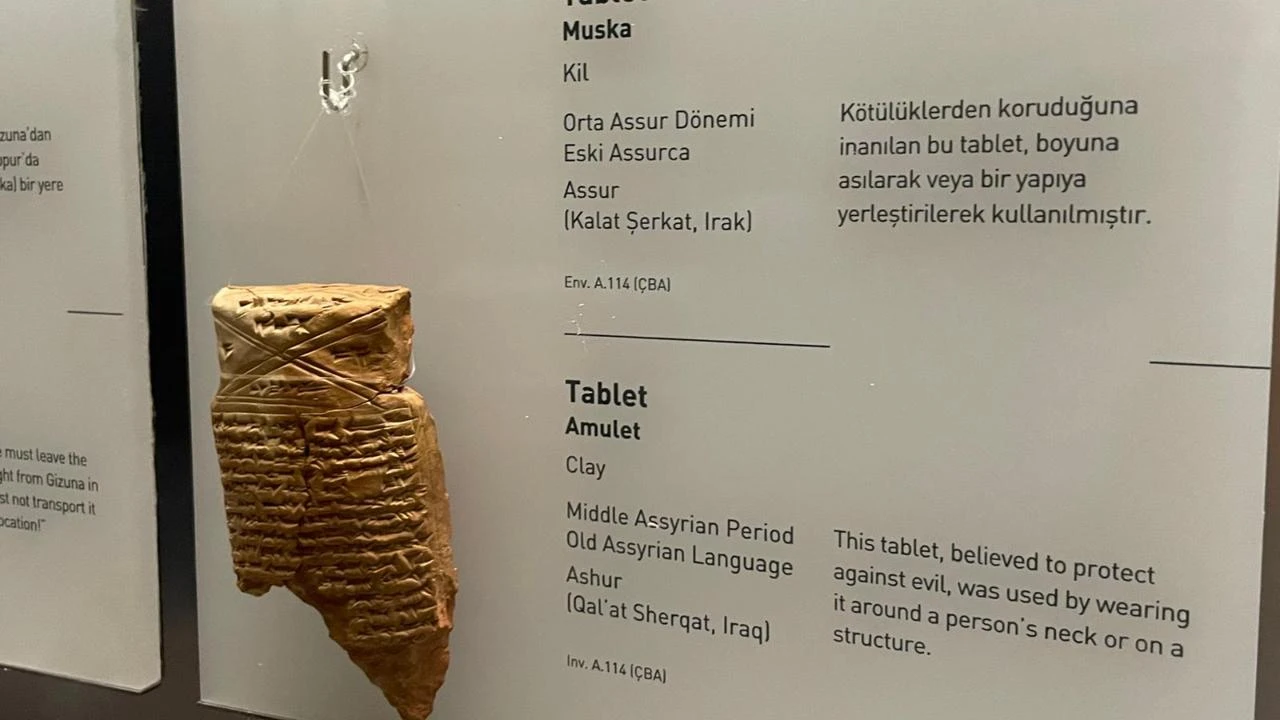
The Amulet Tablet from Ashur, written in Old Assyrian during the Middle Assyrian Period, shows how a clay text believed to protect against evil could be worn around the neck or placed on a structure.
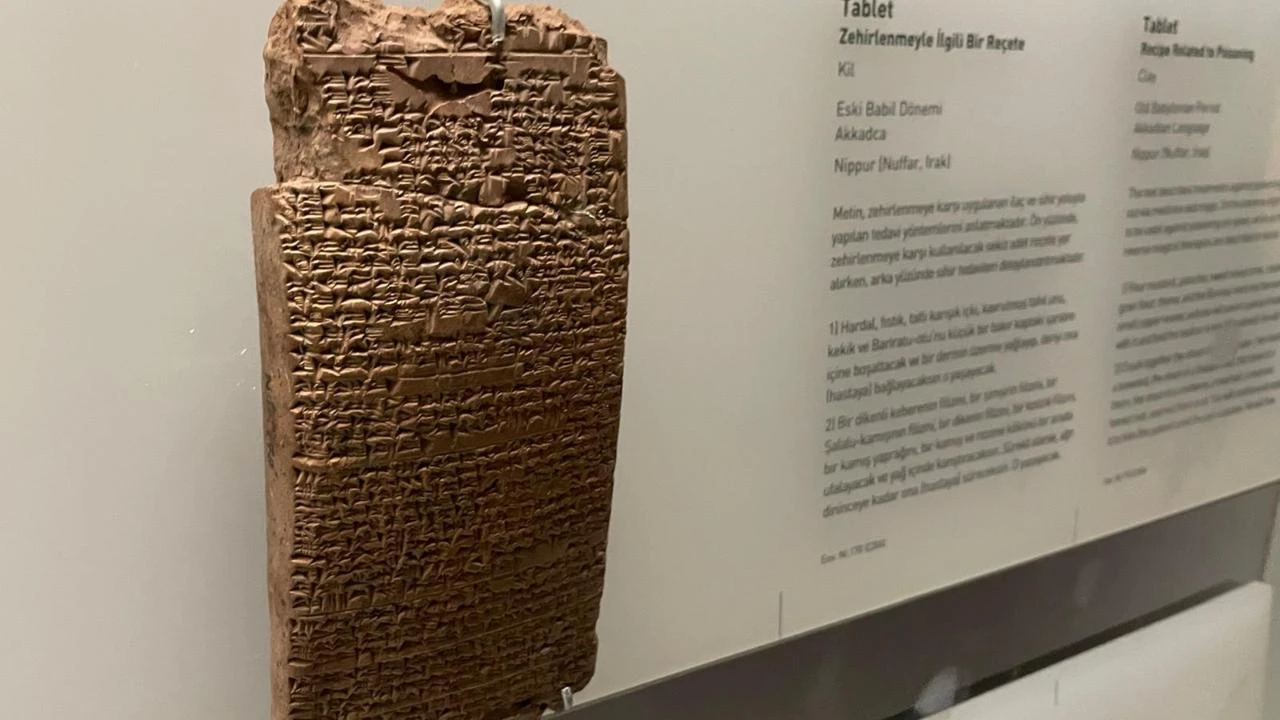
The recipe related to poisoning tablets from Nippur, composed in Akkadian in the Old Babylonian Period, sets out treatments that combine medicinal ingredients with magical therapies against poisoning.
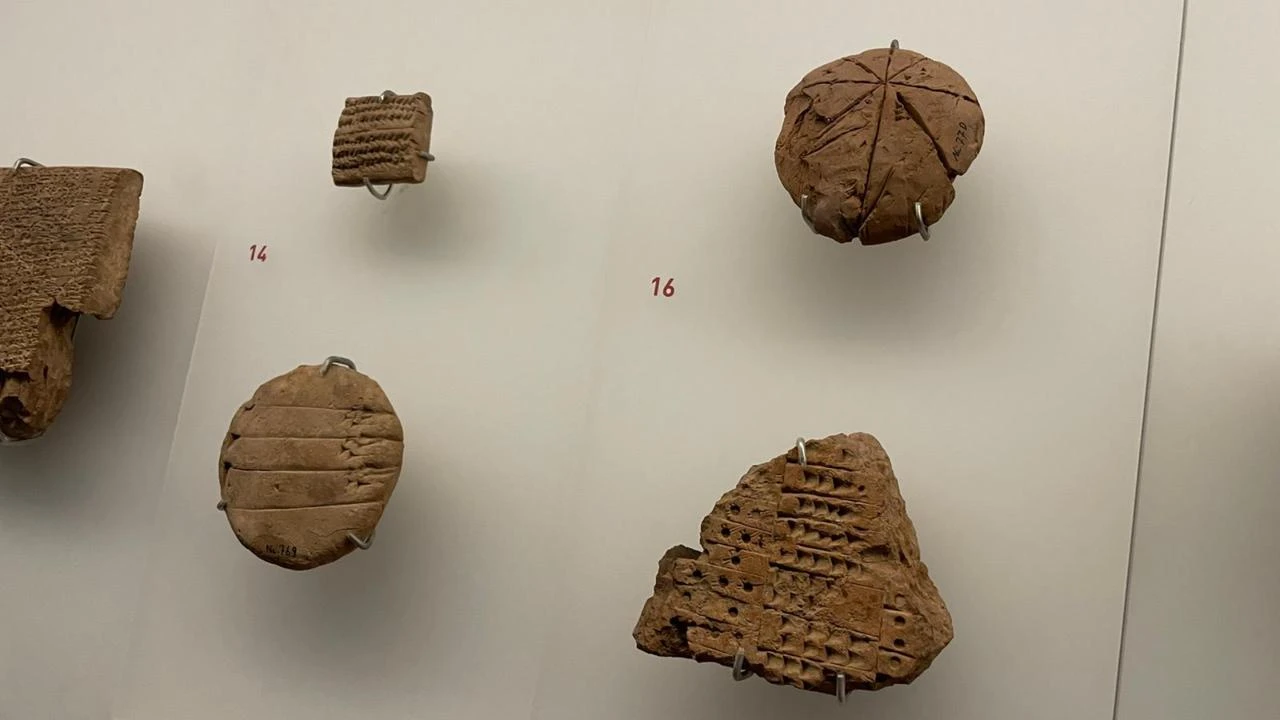
The Student Tablets, Neo-Sumerian clay objects in Sumerian, preserve sign exercises on their front and a child's fingerprints on their back, linking formal learning to everyday life.


 Set as preferred source

 3 min read