Newsletters


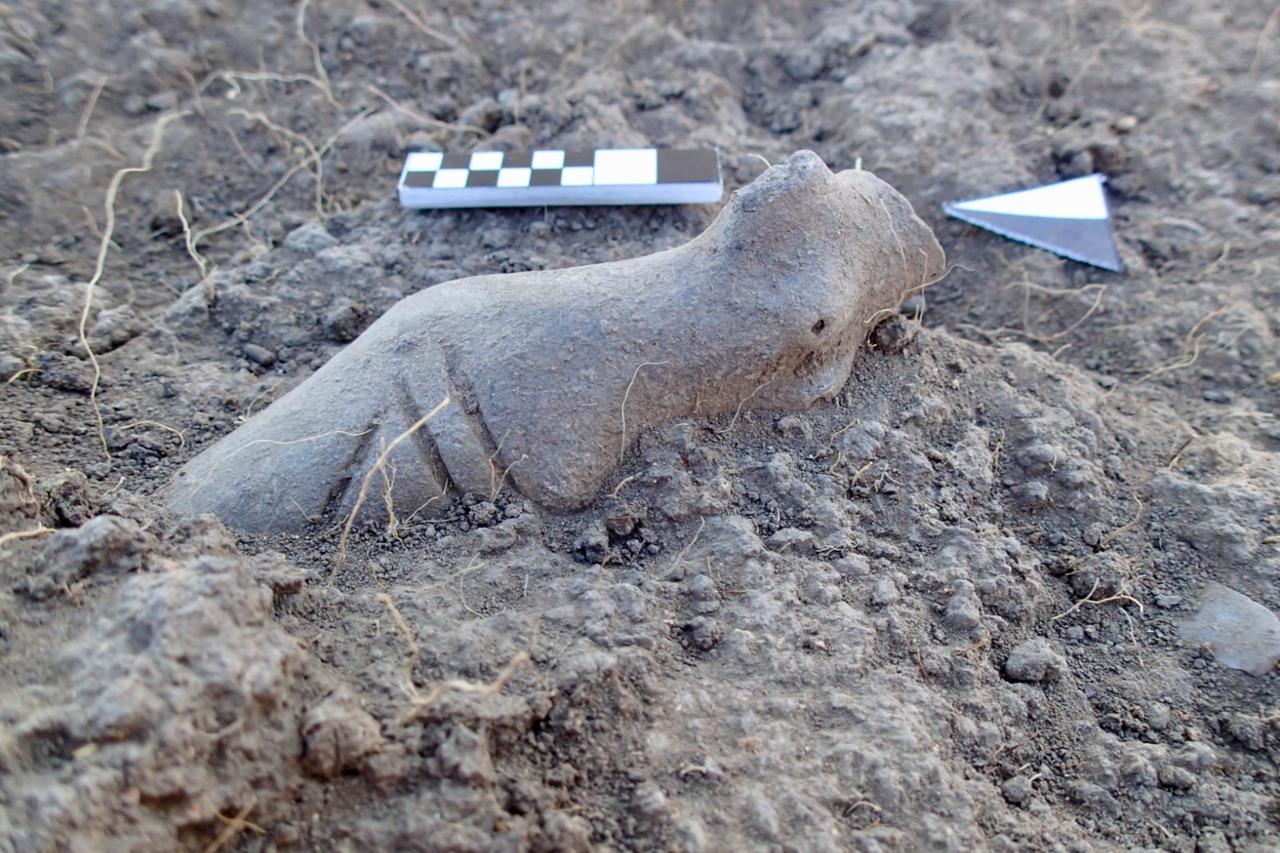


Four headless terracotta figurines uncovered at Kanlitas Hoyuk, a mound in Eskisehir, are offering new clues about ritual practices in Neolithic Anatolia, with archaeologists considering that their heads may have been deliberately broken off before the buildings in which they were found were closed.
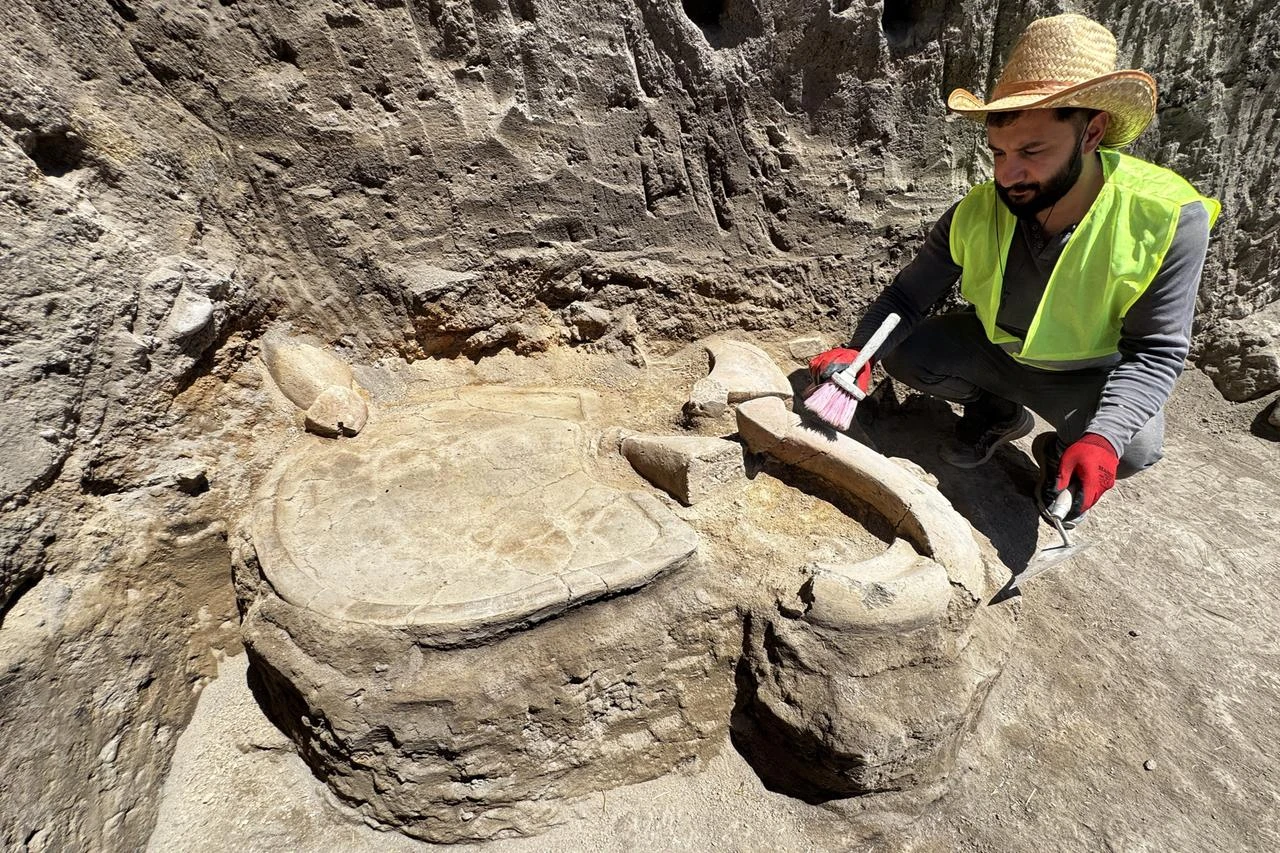
Excavations at the mound, located near Inonu district, have been carried out by Anadolu University since 2013. The site is described as one of the earliest dated settlements of Inland Western Anatolia, a region covering Eskisehir, Afyonkarahisar and Kutahya.
The excavation team, led by Professor Ali Umut Turkcan of Anadolu University’s Department of Archaeology, identified four female figurines made of baked clay in the lower levels of fill deposits inside rectangular buildings.
Turkcan said the largest and most distinctive example measures around 12 to 13 centimeters, while the others are generally about 5 to 6 centimeters long.
Figurines were widely used in Anatolia during the Neolithic period, the final phase of the Stone Age before the spread of metal tools. However, the Kanlitas Hoyuk examples stand out because several were found without heads or with their heads broken off.
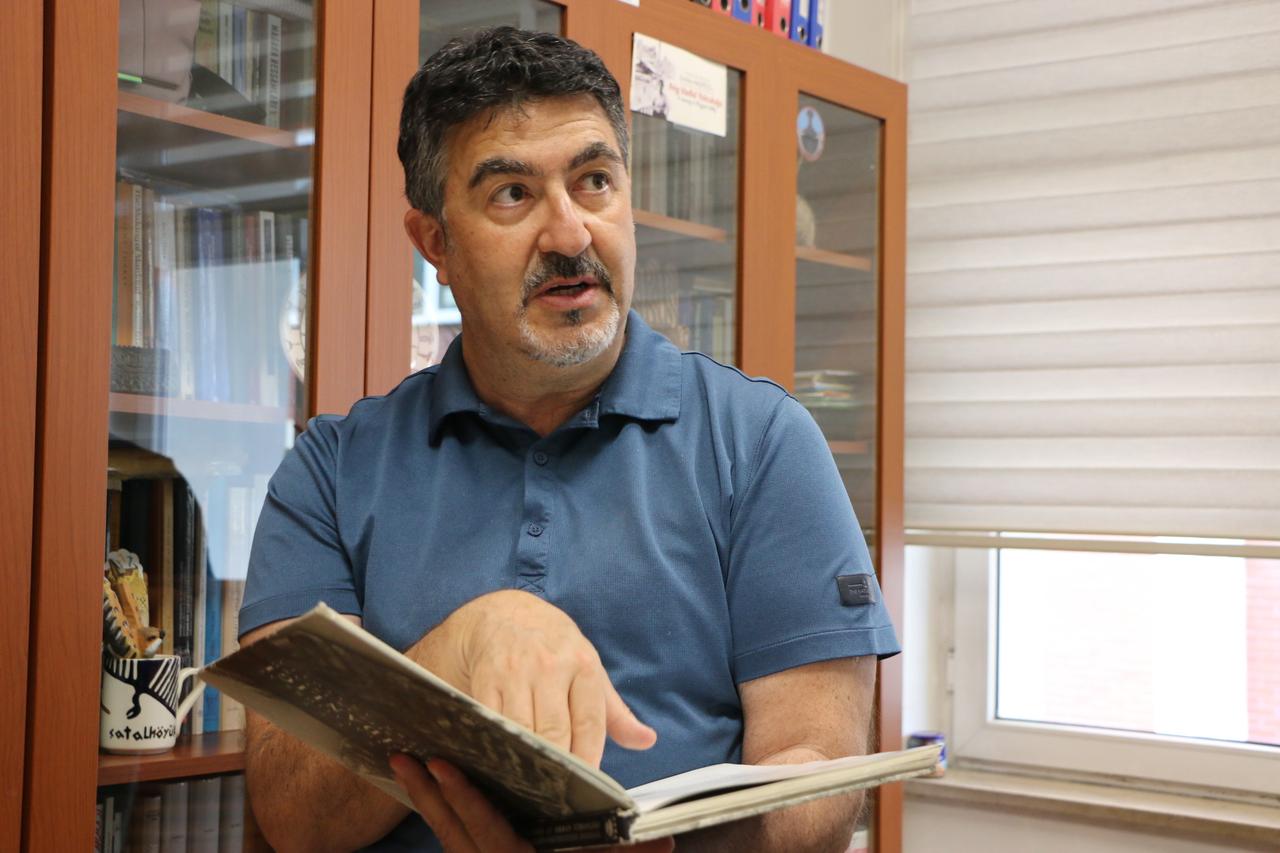

According to Turkcan, the context of the finds suggests that the figurines may have been left behind as offerings when certain spaces were deliberately closed.
The practice is linked to what archaeologists describe as building closure rituals, in which structures that had completed their use-life may have been sealed through ceremonial acts.
Turkcan noted that similar practices involving building closure and the placing of figurines are also known from Catalhoyuk, one of Anatolia’s best-known Neolithic settlements.
He also said the Kanlitas Hoyuk figurines differ from some Anatolian examples because the hip area is strongly emphasized. This feature, he added, shows striking similarities with early female figurines from the Balkans, especially from the former Yugoslav region.
Kanlitas Hoyuk and the wider Porsuk culture have long been associated with the origins of the Vinca culture in the Balkans. Turkcan said radiocarbon dating, which places the Porsuk culture earlier, supports this interpretation.
The findings provide important clues about cultural traditions that may have moved from Central Anatolia toward the west. Turkcan added that the excavation results are planned to be published as both a scientific monograph and a separate reference book.


 Set as preferred source
 Set as preferred source


 2 min read