Newsletters


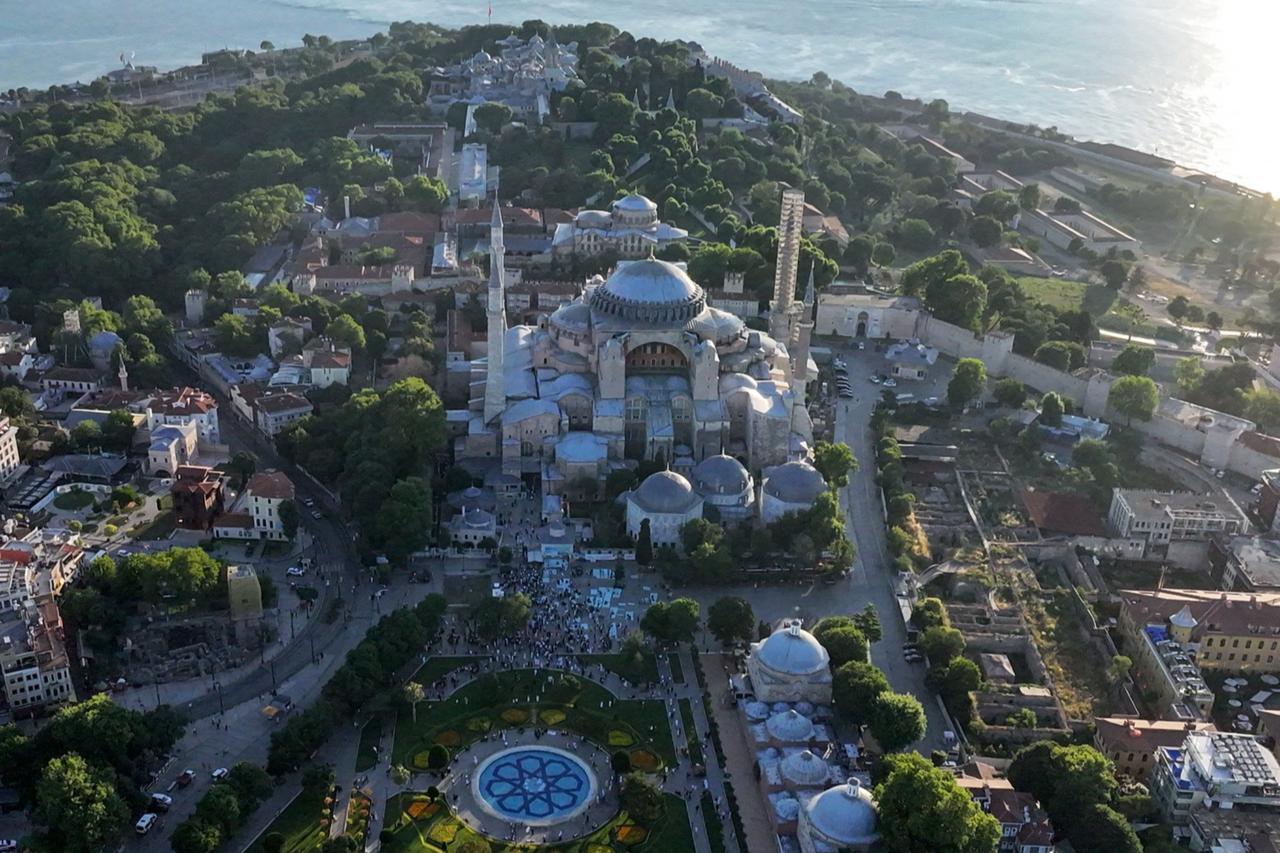


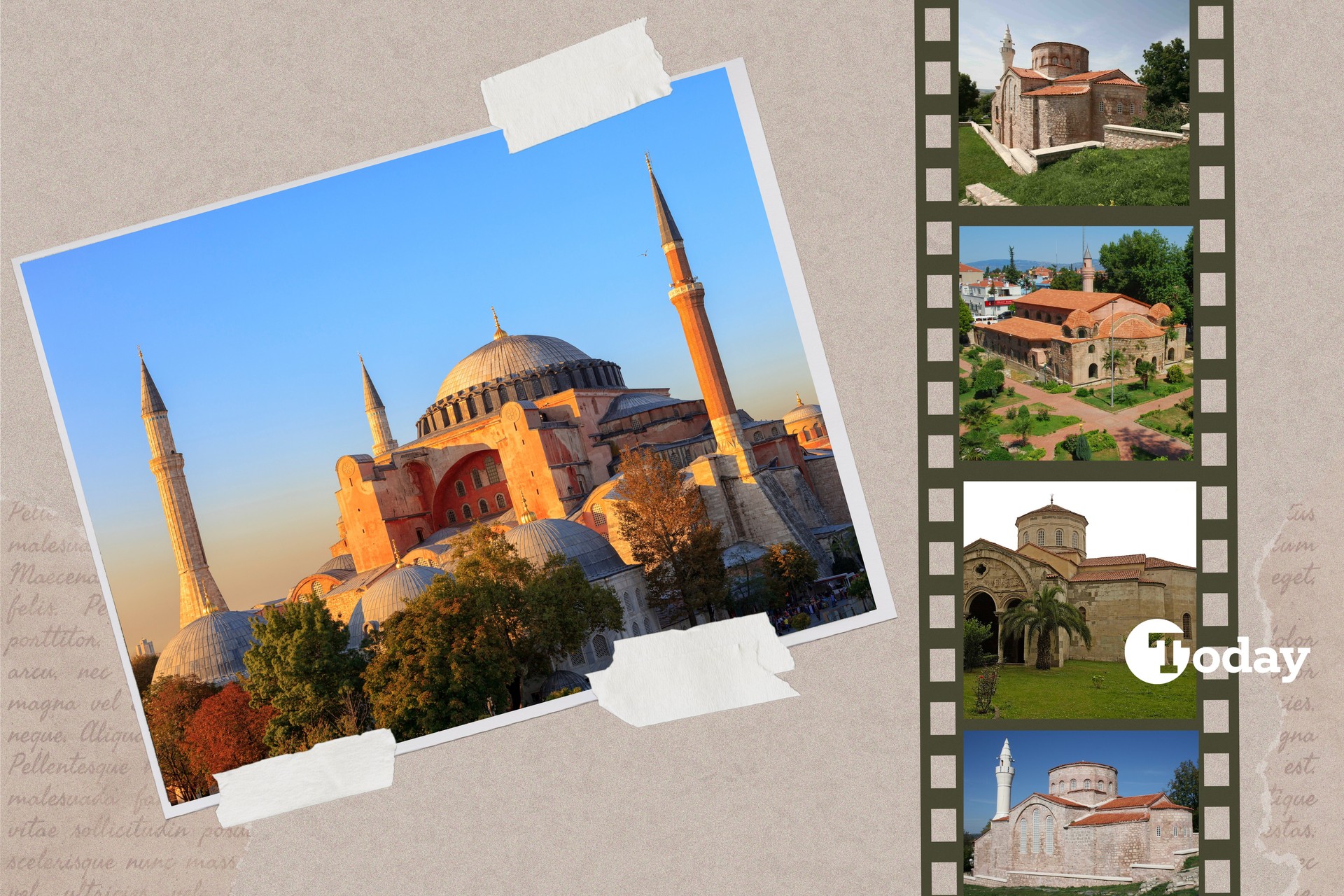
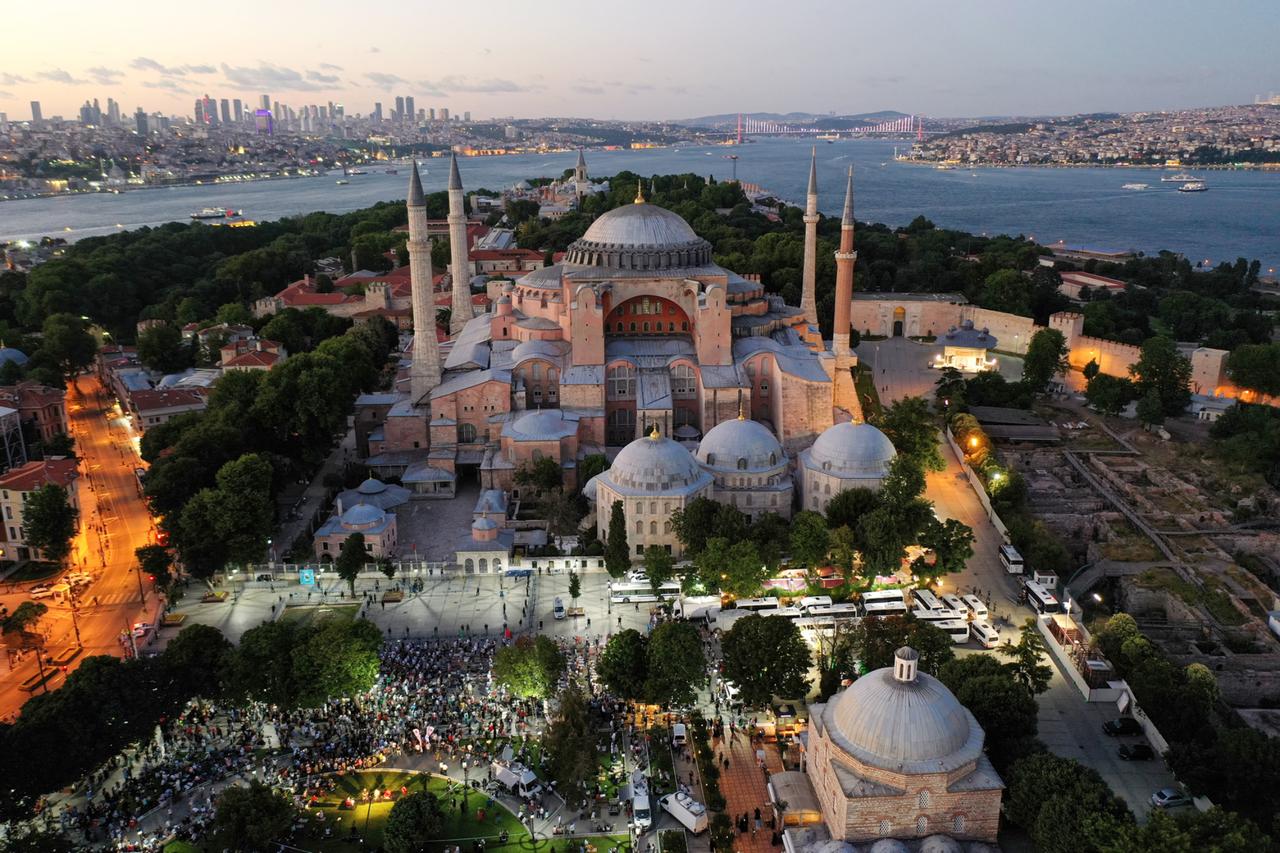
Although many people know the famous Hagia Sophia in Istanbul, few realize that there are nine historic mosques named Hagia Sophia across Türkiye.
Cultural researcher and author Hatice Betul Berk has documented the history of all of them in her new book “Türkiye’s Nine Hagia Sophias.”
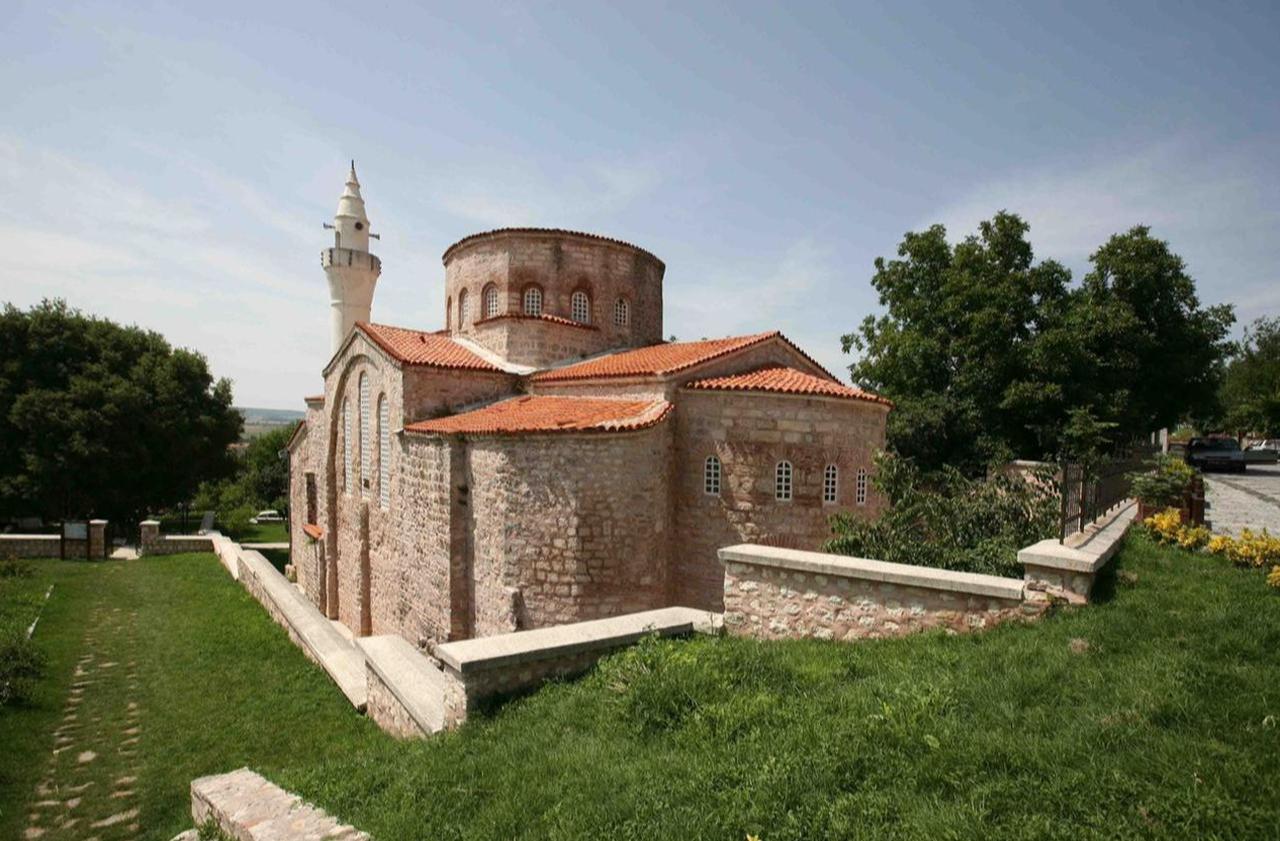
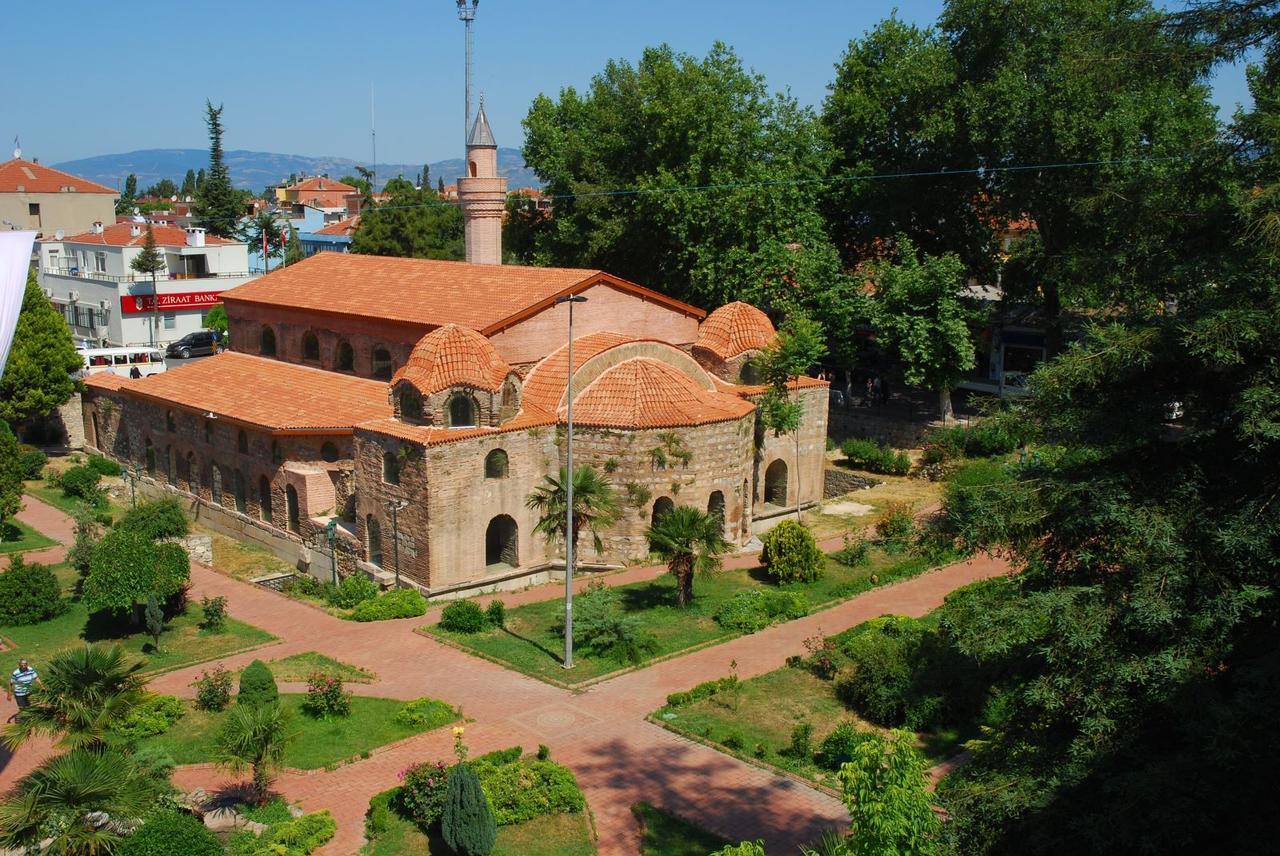
Besides the Hagia Sophia Grand Mosque and Little Hagia Sophia Mosque in Istanbul, mosques bearing the name "Hagia Sophia" can also be found in Edirne, Kirklareli, Iznik, Trabzon, Gumushane, Zonguldak, and Bitlis.
Most of these buildings were originally constructed as Byzantine churches and were later converted into mosques under different historical circumstances. Some were transformed after Ottoman conquests under the legal concept of the “right of the sword,” while others had fallen into disuse before being restored and repurposed as mosques.
Today, all nine structures have been restored and remain open both for worship and visitors.
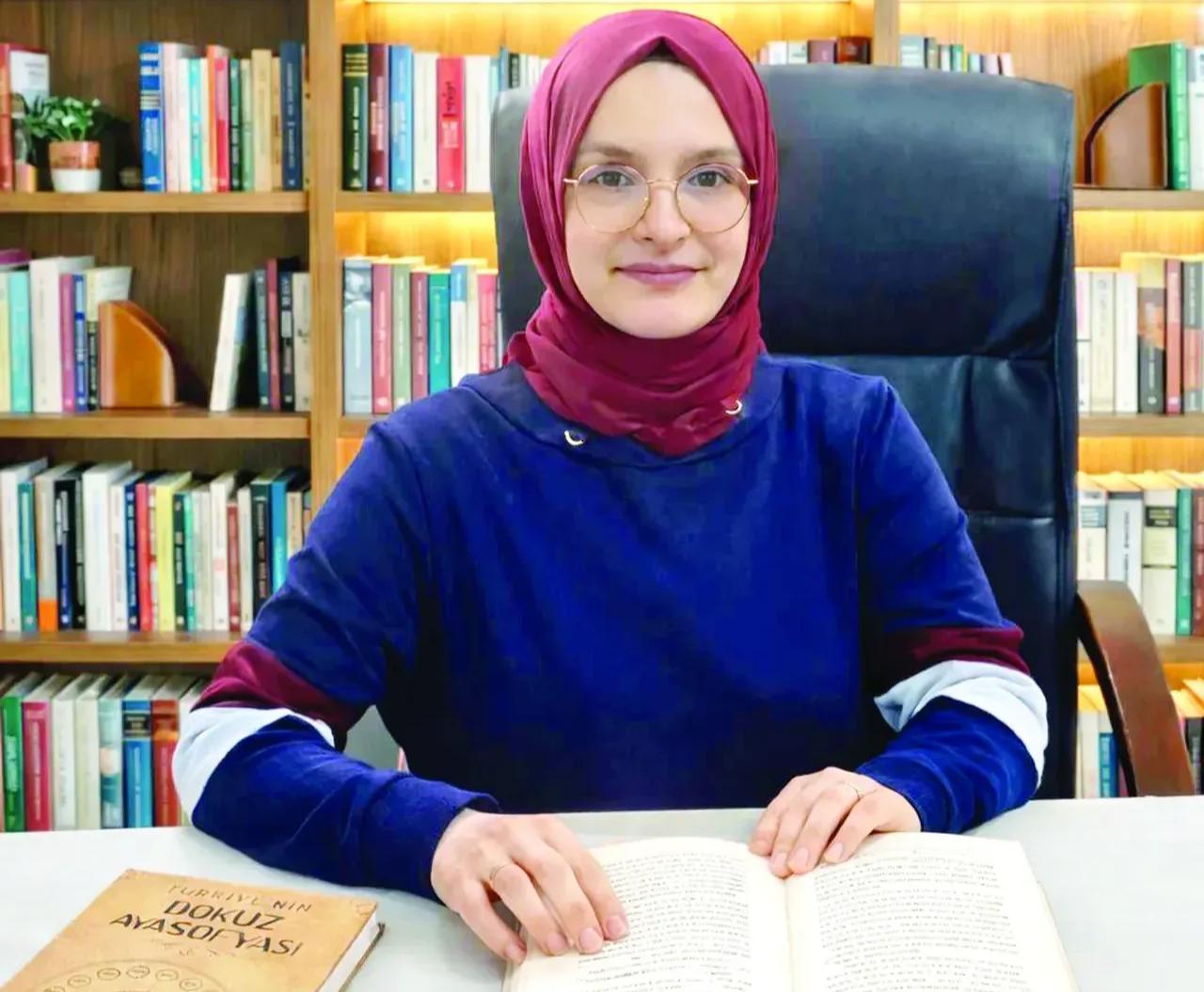

Speaking about her work, Berk said she was surprised to learn that so many buildings carried the Hagia Sophia name across Türkiye.
“I visited each site in person, spoke with local religious officials, and researched their histories to prepare an academic study. That study eventually became this book,” she said.
According to Berk, churches in Christianity were often dedicated either to saints or to a spiritual concept.
Those dedicated to Prophet Jesus were sometimes called Hagia Sophia, meaning “holy wisdom." The title symbolized the divine wisdom attributed to Christ and gave these churches a special spiritual significance.
Art historians often point out that Istanbul’s Hagia Sophia survived thanks to structural reinforcements by Ottoman architect Mimar Sinan.
Berk notes that other Hagia Sophia buildings in Türkiye were also preserved largely because they were converted into mosques.
 1 min read
Although many underwent architectural changes over time, most retain features of Byzantine basilica architecture, reflecting both Byzantine and Ottoman artistic traditions.
During the Ottoman period, charitable foundations supported the mosques financially, helping maintain and restore them. Some, such as the Hagia Sophia Mosque in Edirne, were reportedly close to collapse before restoration efforts revived them.
Berk also notes that seven additional Hagia Sophia churches exist outside Türkiye, including two in the Turkish Republic of Northern Cyprus.
Several notable facts stand out about these buildings:


 Set as preferred source
 Set as preferred source


 1 min read