Sign in
 Newsletters


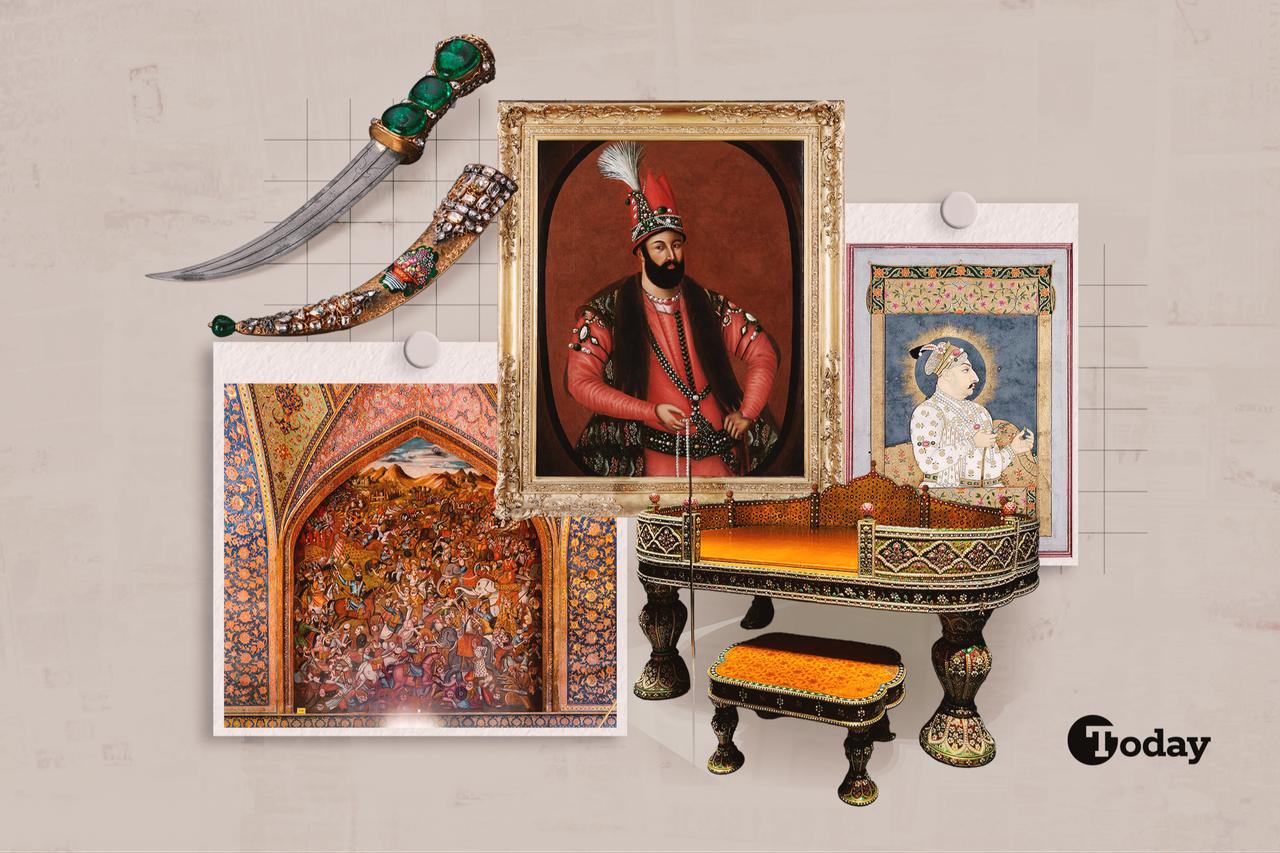


Delhi, 1739. Smoke plumed over the capital of the defeated Mughal Empire, and the stench of death pervaded the air. But the killing had finally stopped. The city had fallen silent. Now the looting began.
Inside the thick sandstone walls of the Red Fort, Nadir Shah’s soldiers moved through the palace in search of its treasures. The fort enclosed a paradise of carved marble pavilions, painted chambers, gardens, fountains and cool pools. Water flowed through channels of white marble, threading its way between the emperor’s apartments, while fountains spilled their clear water, seeming almost to weep as they witnessed the wealth and splendor of the empire being stripped from the palace.
Storerooms, treasury chambers, even the private suites of the imperial household were being emptied. Chests and cupboards were opened, their locks forced. Gold and silver coins, luminous pearls and great gemstones, embroidered fabrics and folded silks were gathered in heaps. Manuscripts and rare books were lifted from shelves. Carpets were rolled and carried away. Exquisite objects set with precious stones, gilded weapons and bejewelled pieces of furniture were taken. Among the spoils was Shah Jahan’s fabled Peacock Throne.

The Persian soldiers worked in haste. Outside, elephants, camels and carts were being prepared for the journey westwards. The elephants swung their trunks as heavy loads were fastened to their backs. The camels knelt patiently, then grumbled and groaned as bale after bale was strapped upon them.
Still, the soldiers searched for more. They moved deeper into the palace, through one chamber and then another, opening doors, lifting lids, looking for anything that glittered.
Then another door opened.
And there, in a shaft of light falling through an arched window, stood a throne of exceptional beauty.
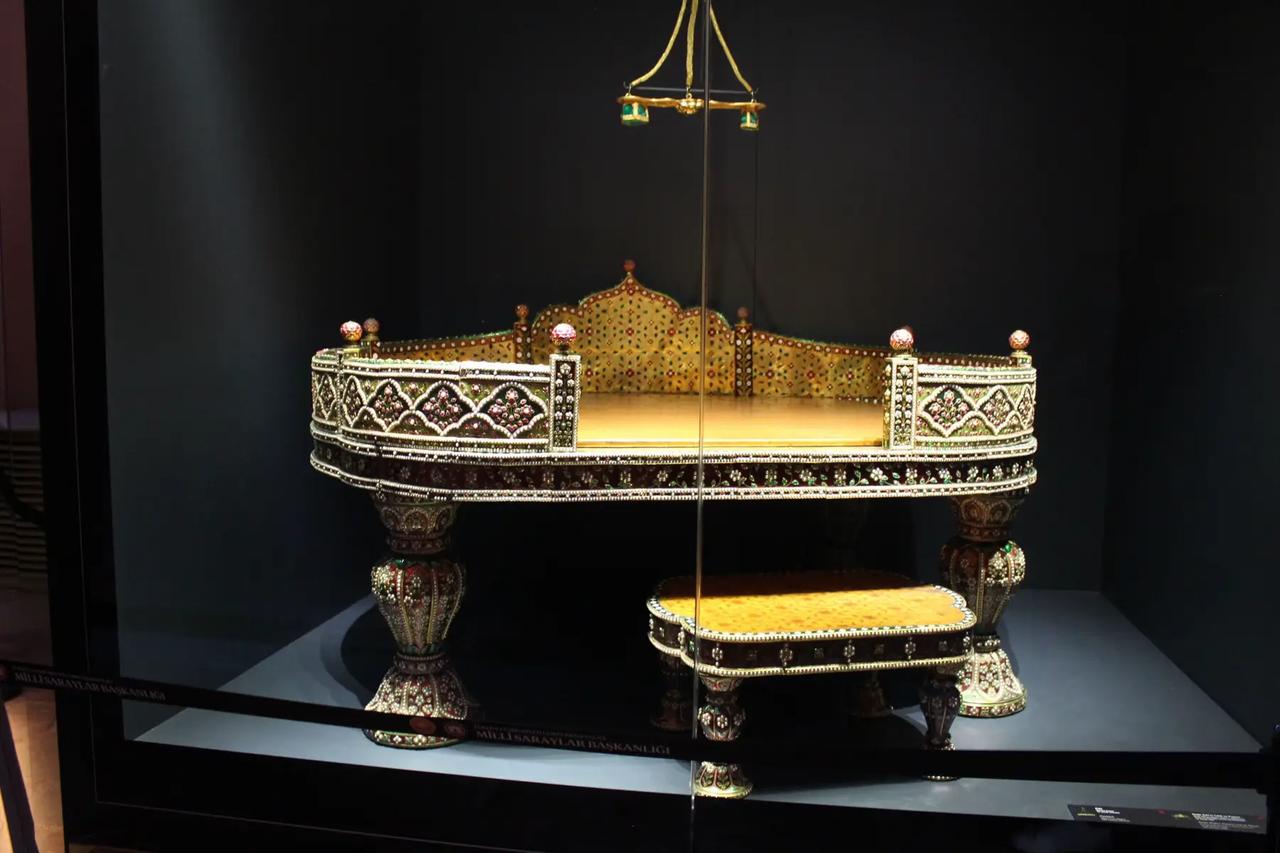
This throne is very different in shape from the ones we have encountered to date in this series. It is not the bench-like seat of the Golden Throne; neither is it plain and squat like the Stone Throne, nor tall and canopied like the Arife Throne.
Instead, it is low and broad, more like a raised ceremonial divan or platform. The wooden structure is covered in gold, washed with red and green enamel and encrusted with rubies, emeralds and pearls. It rests on four stout, elaborately ornamented legs, while short pillars and jewelled panels surround the seat. A small matching stool, also richly decorated, serves as both a step and footrest.
Its form and decoration bear the distinctive imprint of the Mughal courtly tradition: gold, vivid enamel, precious stones and intricate ornament brought together in a dazzling display of colour and craftsmanship, designed to glorify the ruler who sat upon it.
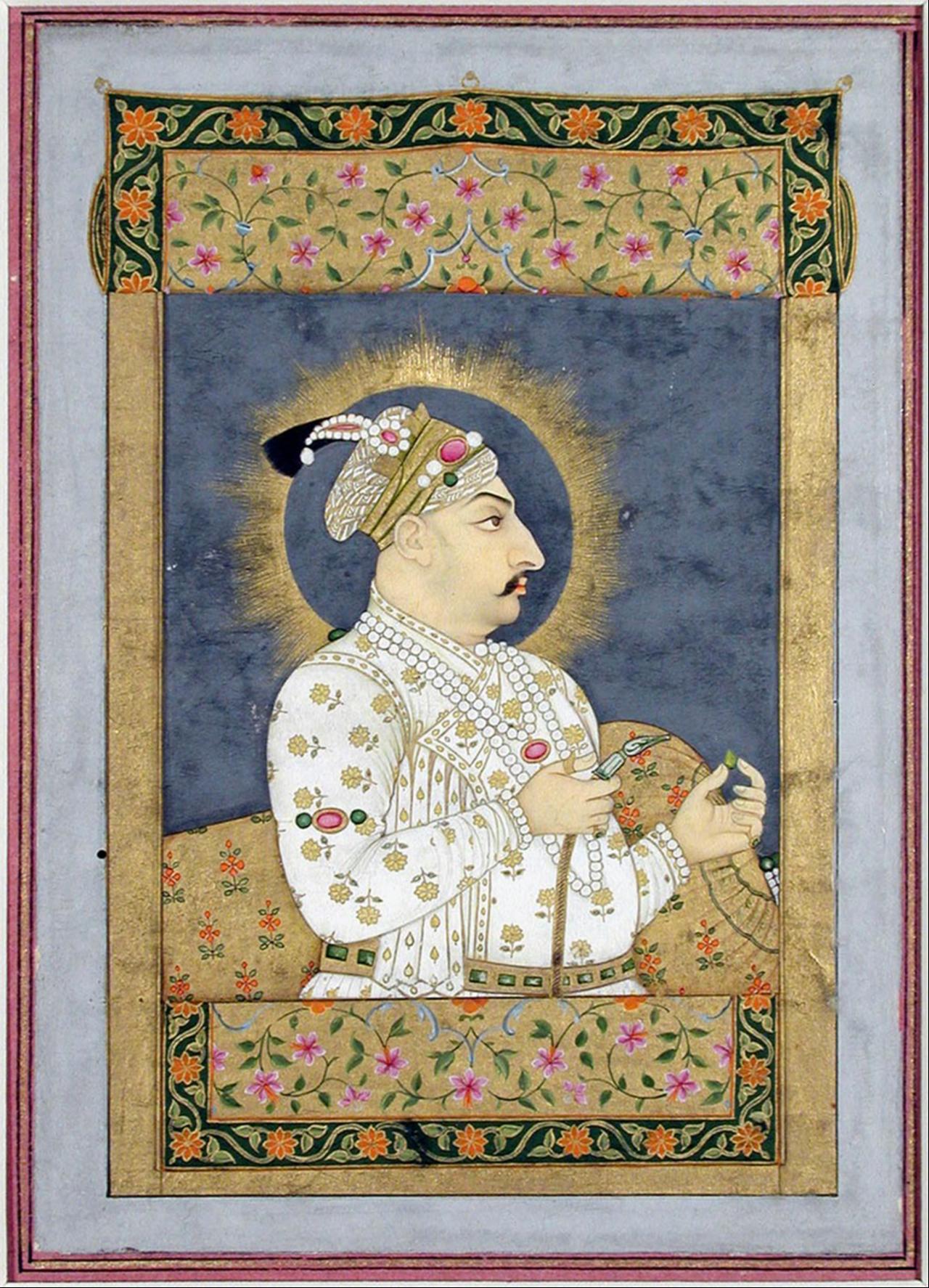
Once a treasure of the Mughal Court, the throne was destined to become a spoil of war.
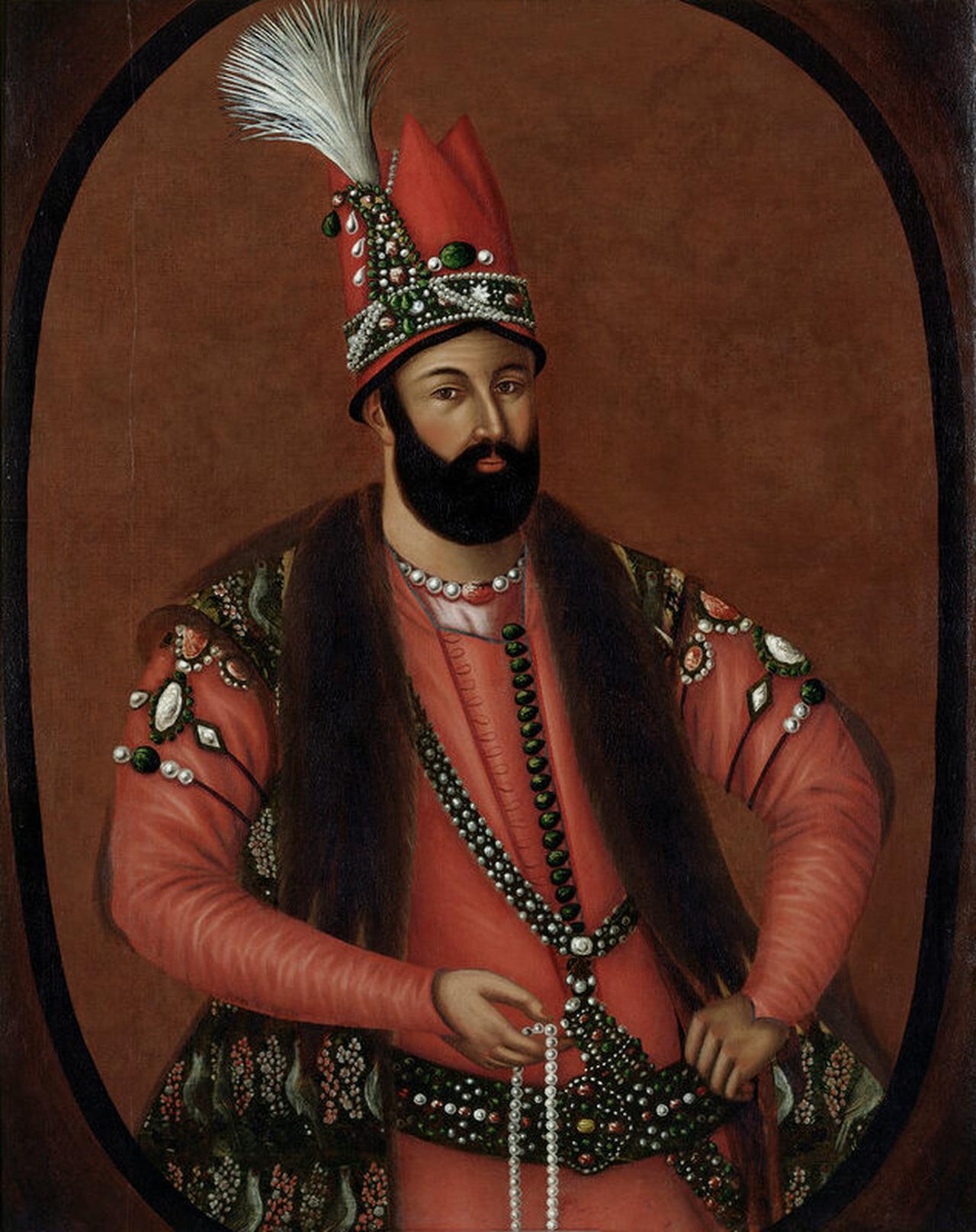
Nadir Shah invaded India in late 1738 with a formidable army. He advanced through Lahore before meeting the Mughal forces at Karnal on Feb. 24, 1739. There, the Mughal army suffered a devastating defeat. A few weeks later, Nadir Shah entered Delhi.
Muhammad Shah, the Mughal Emperor, was forced to submit. The treasures of the imperial court were surrendered to the victor, and Nadir Shah took possession of the riches accumulated by generations of Mughal rulers. Among them were Shah Jahan’s fabled Peacock Throne, the Koh-i-Noor diamond and the throne now known as the Nadir Shah Throne. In May, after securing an enormous tribute and territorial concessions, Nadir Shah restored Muhammad Shah to the Mughal throne and began his journey back to Persia.
The throne travelled west with him, into the treasury of his new empire.
For the next several years, Nadir Shah was engaged in another war, this time against the Ottoman Empire. The Treaty of Kerden, signed on Sept. 4, 1746, brought the conflict to an end and restored peace between the two empires.
With diplomatic relations resumed, the sultan and the shah prepared lavish gifts as gestures of goodwill and friendship.
Among the gifts Nadir Shah prepared for Sultan Mahmud I was a throne. One taken from India.
Nadir Shah entrusted the throne and his other gifts to Mehmed Mehdi Khan, who travelled westward to the Ottoman Empire. Meanwhile, the Ottoman embassy, led by Ahmed Pasha, travelled east with gifts for the Shah. On May 30, 1747, the two missions met near Baghdad before going their separate ways.
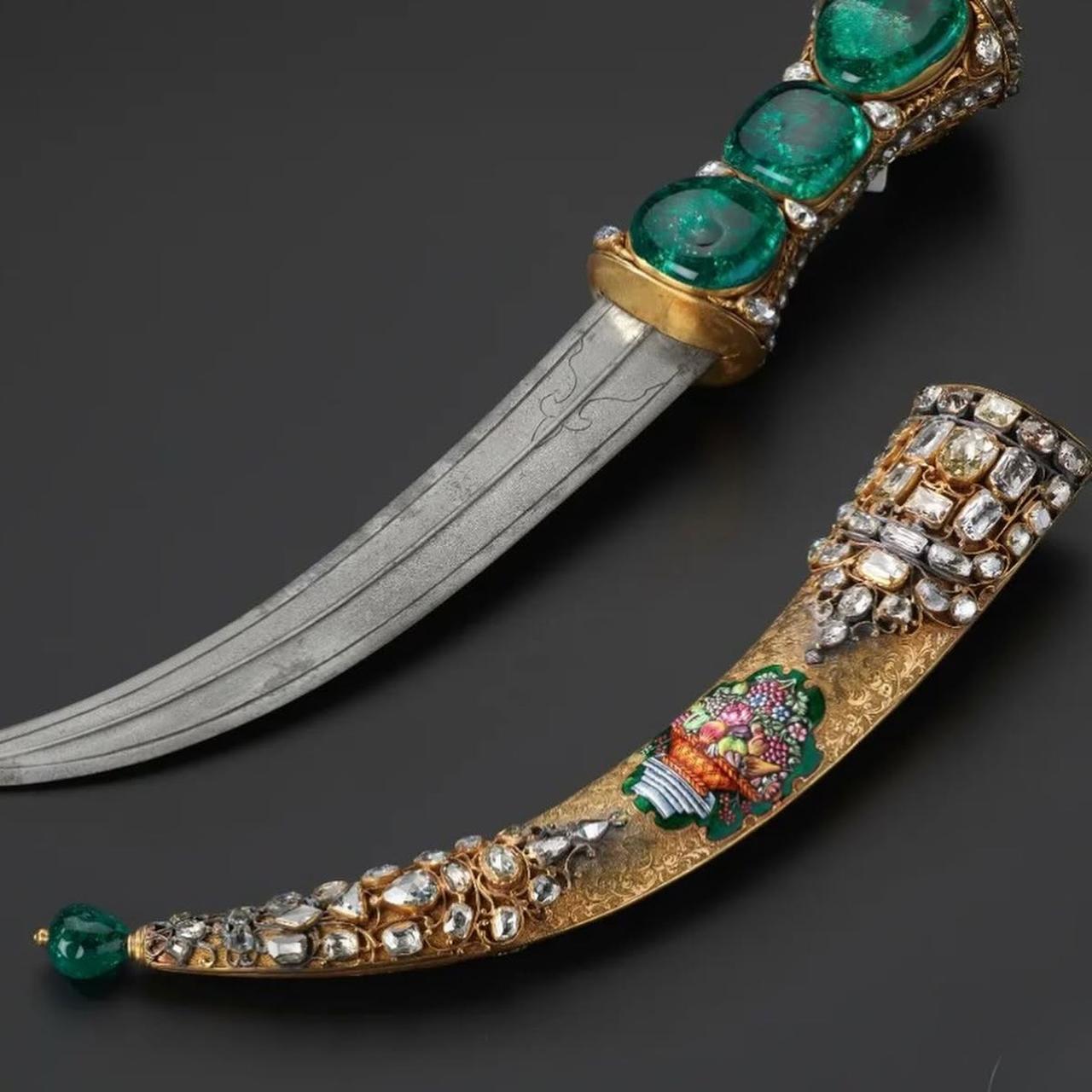
Among the Ottoman presents was a magnificent gold ceremonial dagger. Three large emeralds adorned its hilt, while a fourth concealed a tiny watch in the pommel. Its sheath was encrusted with diamonds, rubies and emeralds. However, the shah would never see this gift from the sultan.
As the Ottoman envoys travelled toward Persia, news reached them that Nadir Shah had been assassinated on June 20, 1747. The delegation immediately turned back and returned to Istanbul with their gifts. The Persian envoys, meanwhile, remained in Baghdad, where Mehdi Khan sought asylum in the Ottoman Empire. The treasures they had brought from Persia were placed under Ottoman protection, awaiting a time when they could safely continue their journey.
The throne would remain in Baghdad for over a decade, stranded by the political turmoil that followed Nadir Shah’s assassination. Eventually, in 1758, it arrived in Istanbul and entered the Ottoman Imperial Treasury, where the dagger was also kept. By then Sultan Mahmud I was dead.
Neither ruler had received the gift intended for him. The dagger and the throne had followed different roads, yet both had ended up in the same place.
There they would be kept not only as possessions, but as statements of wealth and power. Not to be used, but to be displayed and admired.
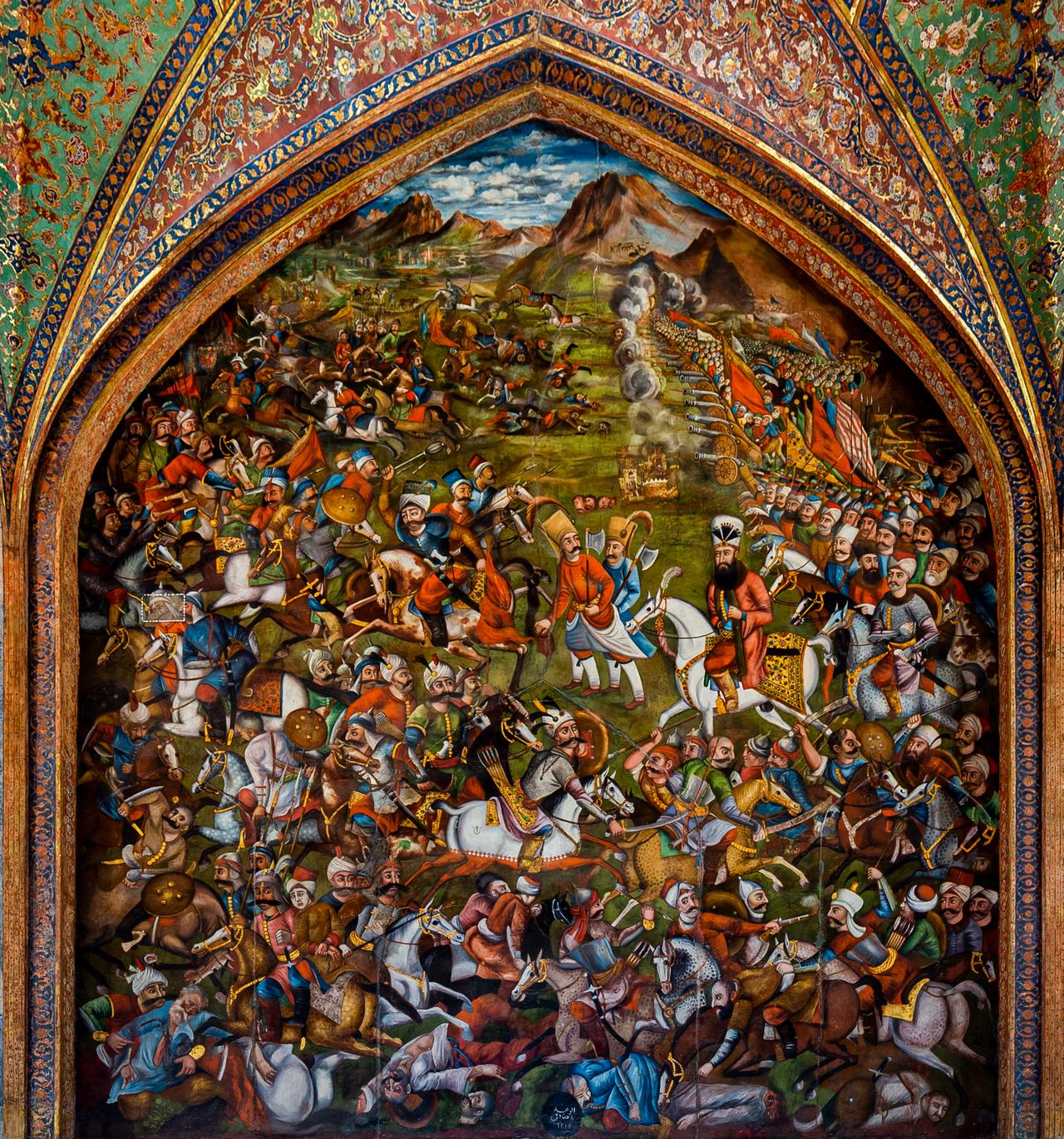
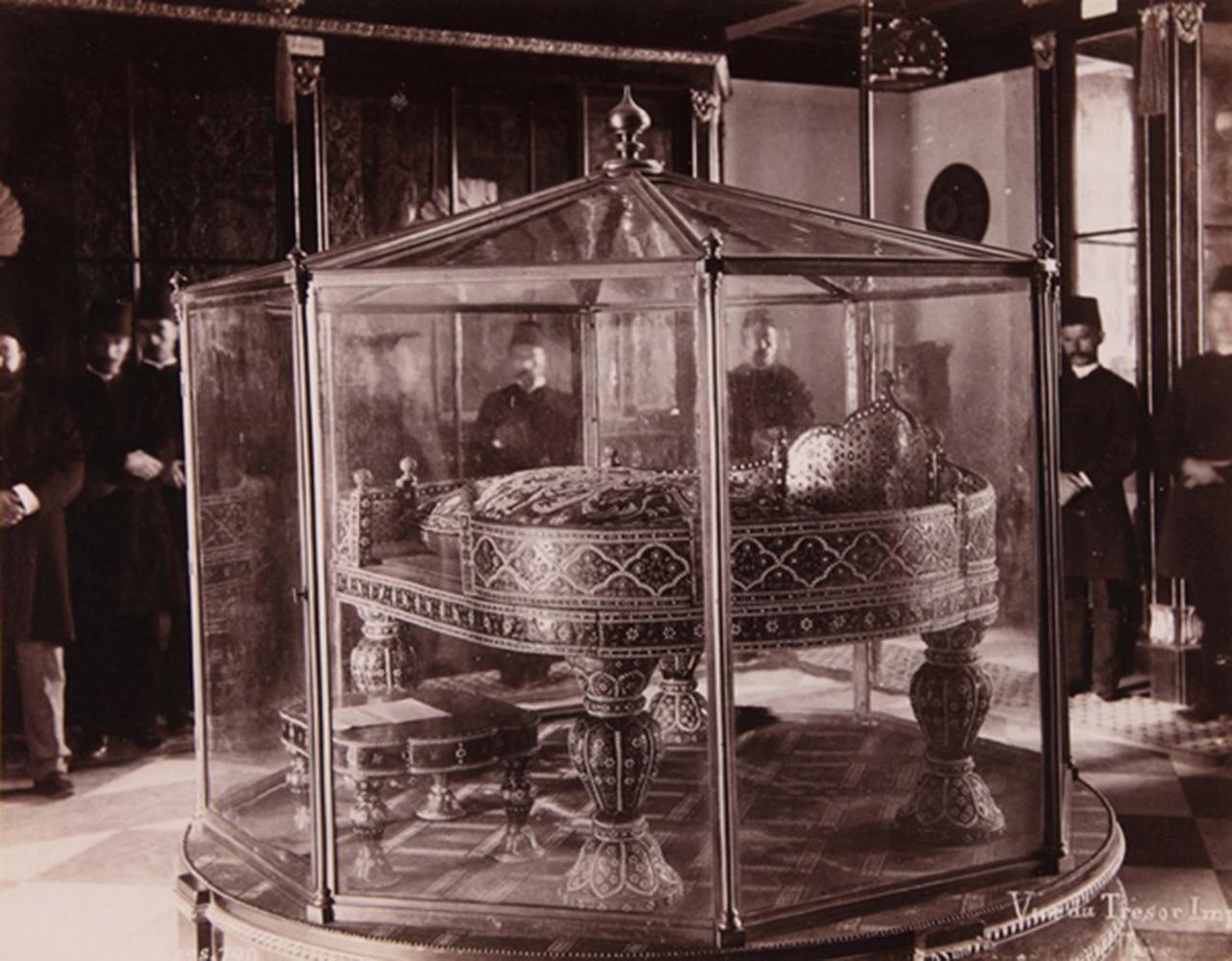
During the reign of Sultan Abdulhamid II, the throne from India was placed in an octagonal glass cabinet in the first chamber of the Imperial Treasury. Photographs taken by the Abdullah Freres show it displayed prominently among the treasues of the Ottoman dynasty. Yet the provenance given to visitors was incorrect. Its label claimed that the throne had been captured by Sultan Selim I from Shah Ismail after the Battle of Chaldiran in 1514. The gift of a former foe had been misidentified as an Ottoman spoil of war.
Its history had been rewritten.
Today, the Nadir Shah Throne remains among the treasures of the Topkapi Palace, where its label now tells the story of how it came to the Ottoman Court: a Mughal throne seized by Nadir Shah and sent as a gift to Sultan Mahmud I.
Stand before it for a moment and consider how far it has travelled: from Mughal India to the Afsharid Court in Persia and finally to the Ottoman Imperial Treasury. It has witnessed the sacking of Delhi, the rise and fall of Nadir Shah, and the twilight years of the Ottoman Empire.
Its journey has come to an end. Its days of adventure are over. Yet its gold still glimmers, and its jewels still sparkle.
Three empires have fallen. The throne remains.
Until we meet again in the next Sultan’s Salon…


 Set as preferred source
 Set as preferred source


 2 min read

 1 min read