Newsletters


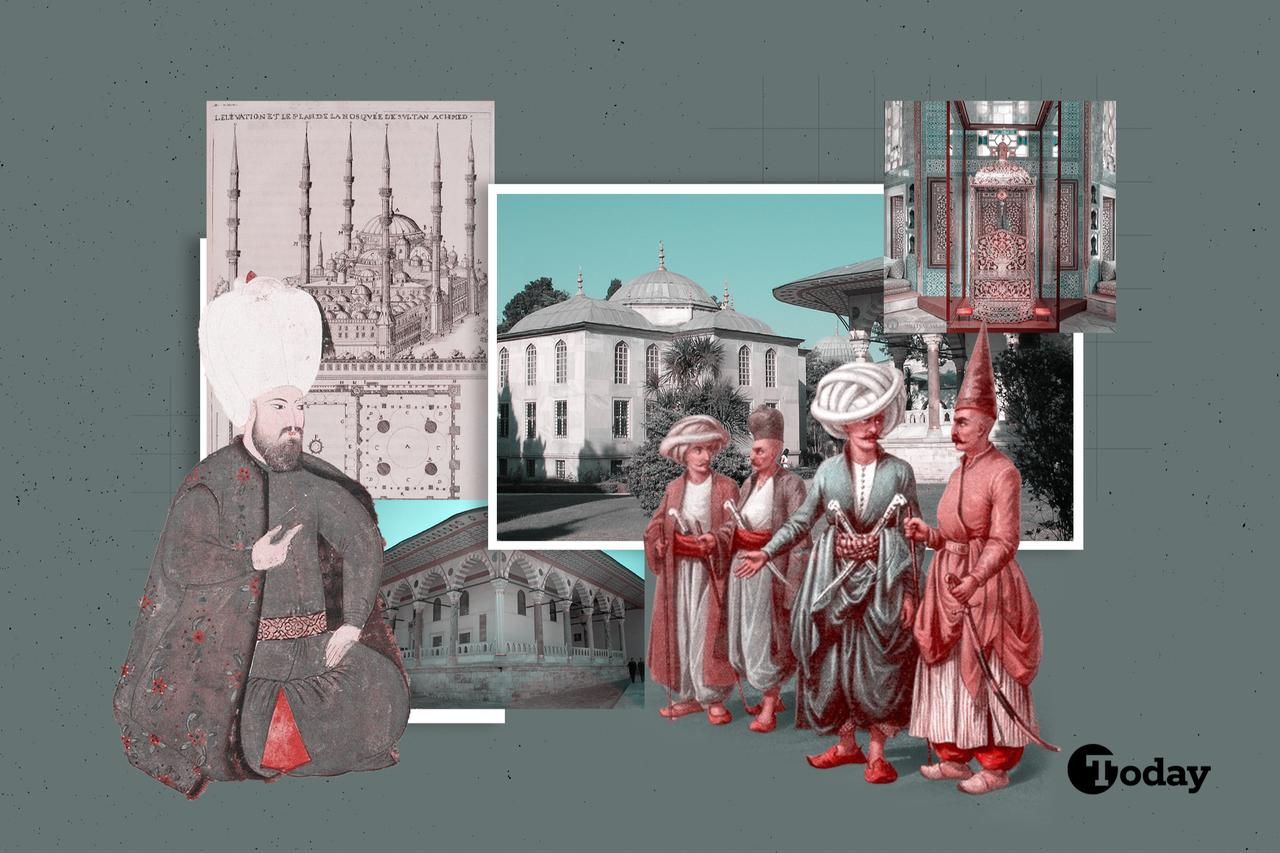


Topkapi Palace, early 17th century.
The Third Courtyard shimmered beneath the late afternoon sun, its marble walls and tiled roofs holding the heat of the day. Cypress trees stood tall and still like sentries, while water trickled in fountains. The aroma of roasting meats, freshly baked bread and sweet pastry wafted on the breeze from the palace kitchens, and the heavy-headed, late-blooming roses bowed low in supplication.
It was Arife, the eve of Bayram, and residents of the palace and young men of the Enderun, the Palace School, stood in ordered lines before the Audience Chamber or Arz Odasi. Its marble columns and elegant arches supported the wide, projecting roof of the imposing chamber, offering some shade. Their uniforms and official robes were rich with colour: ruby red, lapis blue, emerald green. Embroidered sashes tightened their waists, while turbans and elaborate headdresses crowned their heads. Some were scarcely more than boys. Others had served the imperial household for decades. All had been fasting since before dawn. Their throats were dry and their stomachs rumbled.
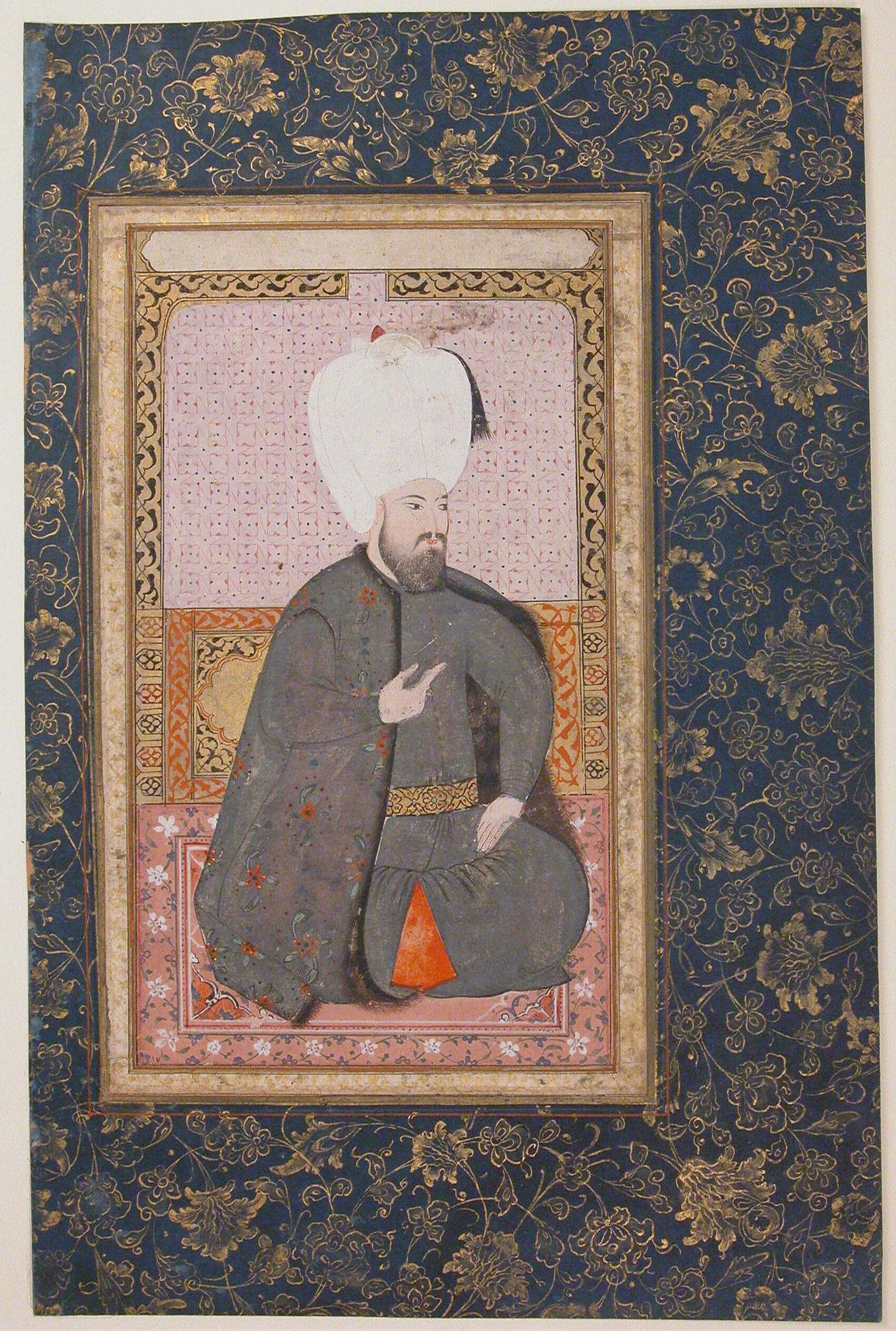

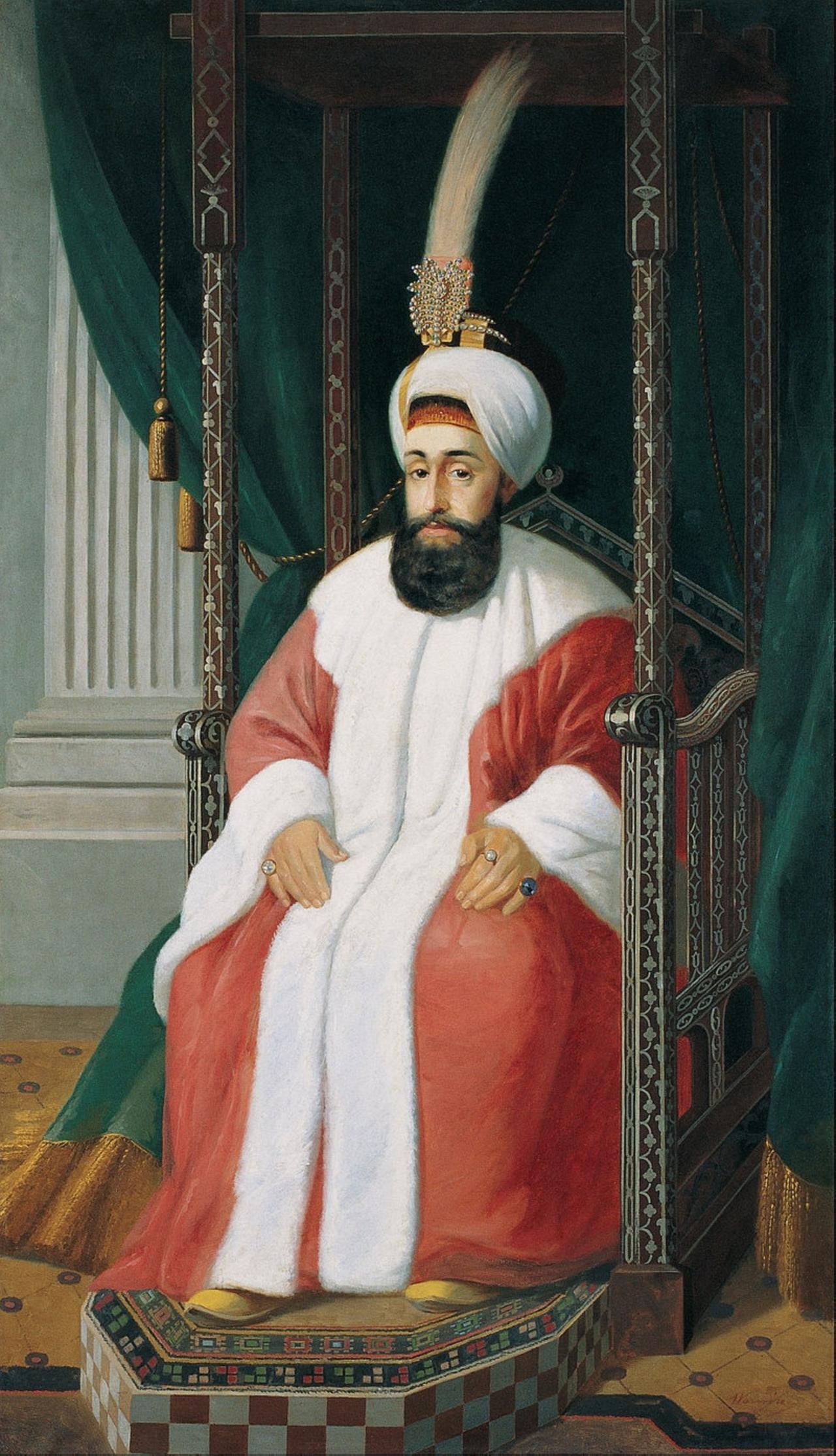
The fatiha was recited, the sacred words rising to the heavens. Then the mehter began to play. Drums rolled, cymbals crashed, trumpets sounded, and the music carried towards the Golden Horn. The afternoon stretched on as, one by one, those gathered stepped forward according to rank to offer their Bayram greetings to the Sultan. Ahmed I was dressed in a sumptuous kaftan, the richness of the silk and the detail of the embroidery revealing a young man of cultured and refined taste who appreciated beauty, craftsmanship, and elegance in all things.
Seated upon the Arife Throne, Sultan Ahmed I received each greeting with dignity and grace.
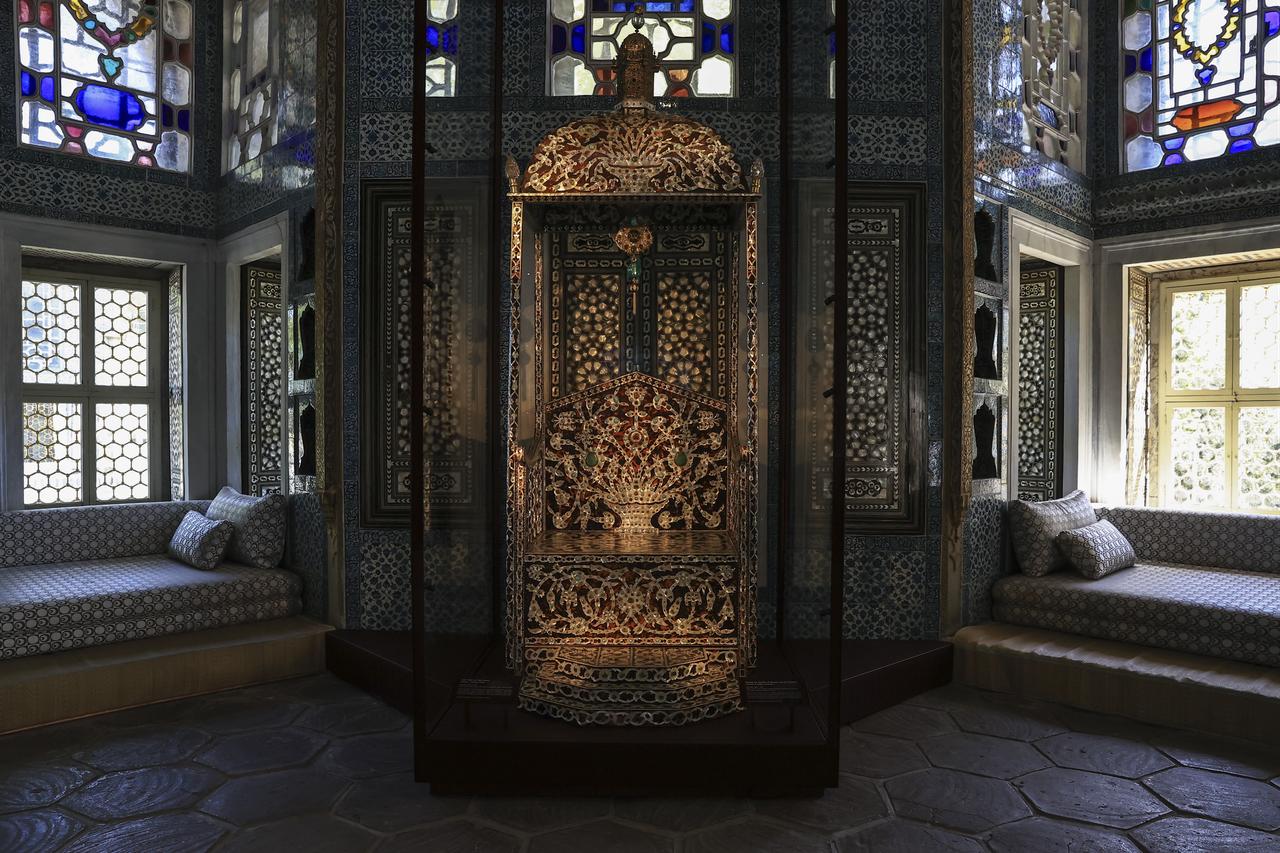
The Arife Throne is one of the finest surviving examples of Ottoman craftsmanship from the early 17th century.
It is made of walnut in the form of a baldachin, a canopied ceremonial seat of state. Three low steps lead up to the seat, above which rises a domed canopy. Its design and proportions are elegant, but it is the decoration that truly astonishes.
Almost the entire surface is covered with intricate mother-of-pearl and tortoiseshell inlay. Tulips, carnations, roses and peonies emerge from shapely vases, their leaves and stems twisting into one another in a naturalistic floral composition characteristic of the Classical Ottoman period. The mother-of-pearl catches the light, while the darker tortoiseshell creates a rich background against which the flowers appear almost to sway in the breeze.
Precious stones, mounted in gold settings, add vibrant flashes of colour. Emeralds, jade, rubies and turquoise are set among the floral designs, their varied hues enlivening the flowers and the vases from which they spring.
It was an expression of the wealth and sophistication of the Ottoman Court, and of the extraordinary skill of the craftsmen who served it.
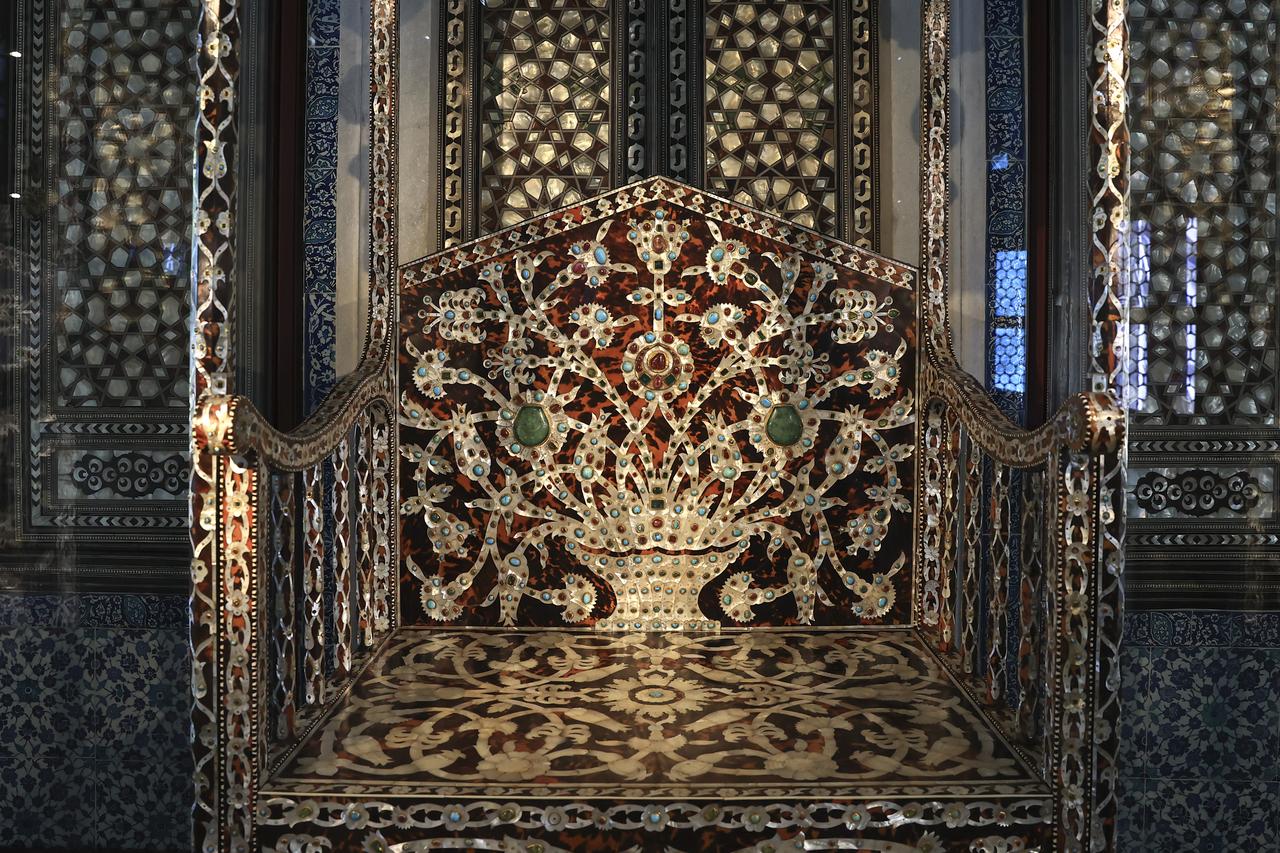
The Arife Throne was commissioned by Sultan Ahmed I, who ruled from 1603 to 1617, and is attributed to Sedefkar Mehmed Aga, one of the most accomplished craftsmen and architects of the Ottoman Court.
Born in what is now Albania and known by the title Sedefkar, meaning master of mother-of-pearl work, Mehmed Aga had been trained in the classical imperial tradition under the great architect Sinan. He was appointed chief imperial architect in 1606, just as Ahmed I was embarking on an ambitious program of building and artistic patronage.
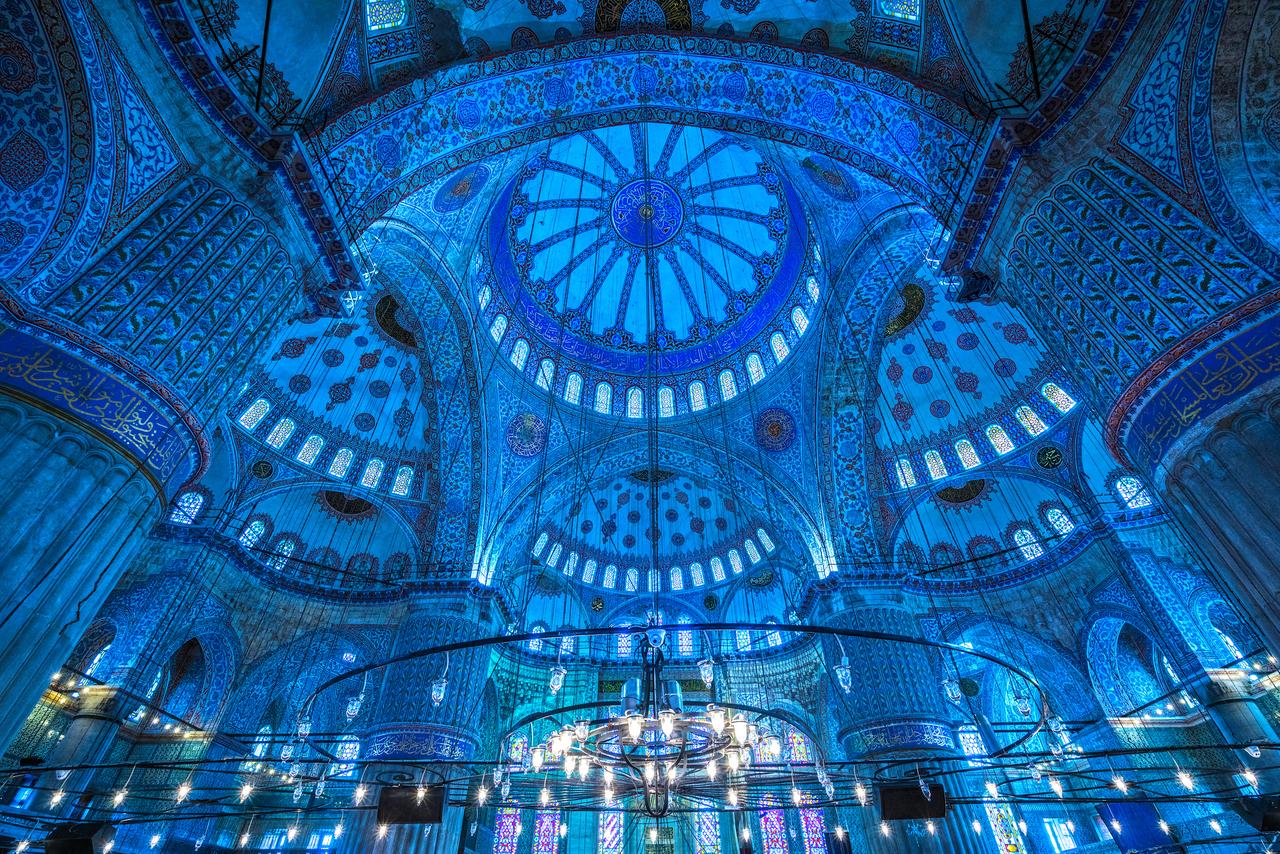
His most famous work is the Sultan Ahmed Mosque complex, more commonly known as the Blue Mosque. Its construction began in 1609 and was completed in 1616, making it the last of the great imperial mosques of the classical period.
The scale could hardly be more different, yet the connection between the mosque and the throne is unmistakable. In both, Mehmed Aga brought together structure and ornament with remarkable precision, balancing proportion, pattern, color and light to create a sense of harmony. The Sultan Ahmed Mosque achieved this through soaring domes and minarets, marble, stone and thousands of Iznik tiles. The Arife Throne achieved it through walnut, mother-of-pearl, tortoiseshell and precious stones.
The same meticulous attention to detail, the same pursuit of perfect harmony, the same quest to create something of unparalleled beauty.
The word arife means “eve,” and in the Ottoman Court it referred to the day before Bayram. Preparations began days in advance of the religious festivals, and the eve itself had its own ceremony involving the formal exchange of greetings between the Sultan and those who served him.
According to palace records and later descriptions of the ceremony, the Arife Throne was placed before the Audience Chamber on the eve of both Ramadan Bayram and Kurban Bayram. The Sultan would come directly from performing the noon prayer and assume his place upon the throne. Palace residents and members of the Enderun then came forward according to rank to offer their Bayram greetings. The ceremony continued until the evening prayer.
This ceremony, held within the Third Courtyard of Topkapi Palace, would be followed the next morning by a grander, more public spectacle. After attending the Bayram prayer, the Sultan would return to receive greetings from his ministers and other officials. For this formal ceremony, he would sit upon the Golden Throne in front of the Gate of Felicity. The Arife Throne had served its purpose, until next time.
Today, the Arife Throne is displayed in the Revan Pavilion in the Fourth Courtyard of Topkapi Palace. It was moved there in 2021 from the Fatih Pavilion during renovations. Although the Fatih Pavilion has since reopened, the throne remains in the Revan Pavilion.
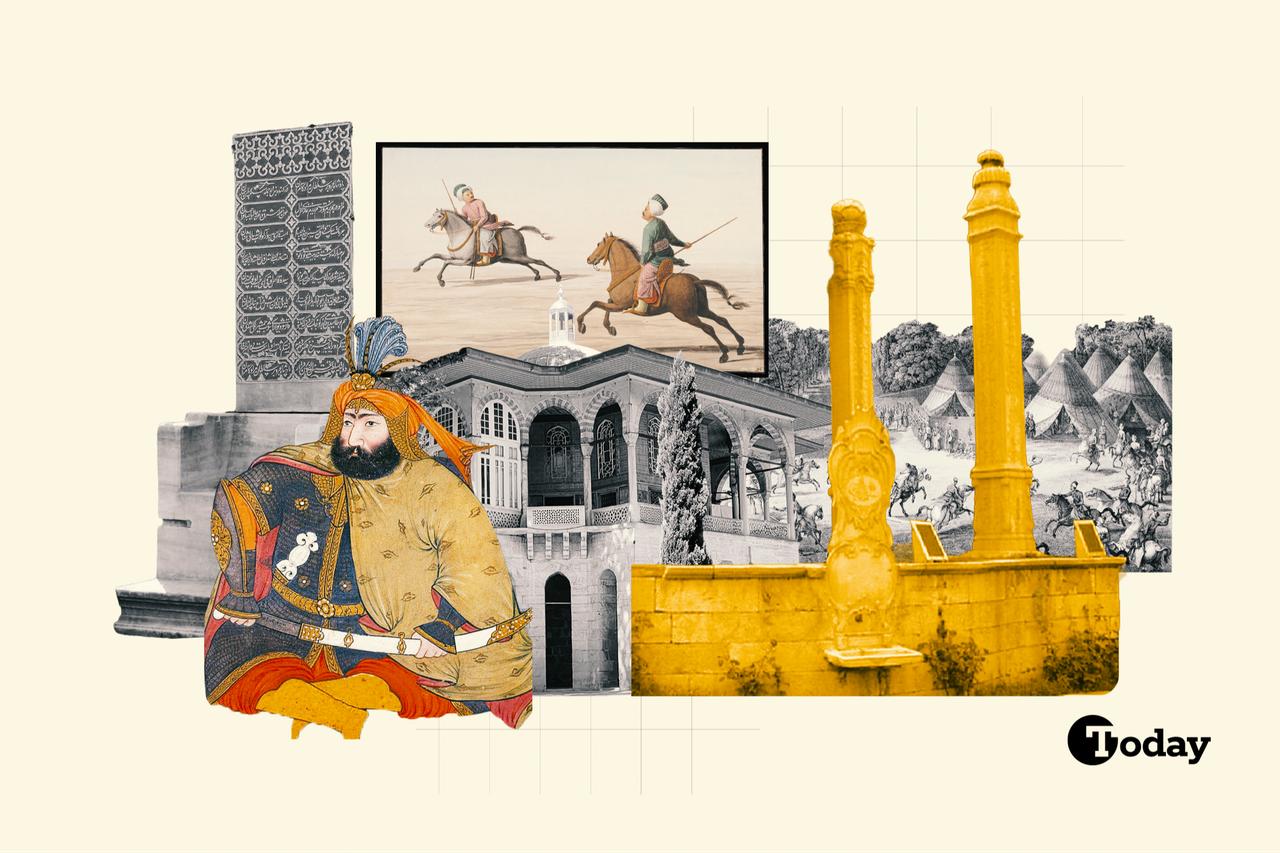
The Revan Pavilion did not exist during the reign of Sultan Ahmed I. It was built by his son, Sultan Murad IV, to commemorate his victory at Yerevan in 1635. Indeed, much of the Fourth Courtyard, where visitors can see this exquisite throne, is very different from the palace Ahmed I would have known.
Yet stand before the throne, as residents of the palace and members of the Enderun once did, and something of Sultan Ahmed still emerges.
His refined taste is there in every detail: in the luminous mother-of-pearl, the tortoiseshell and the delicate flowers that seem to grow across its surface. It reveals a ruler who valued skilled craftsmanship, and who commissioned objects not merely to impress, but to delight the eye.
Perhaps that is why the throne feels so singular. It is more than a ceremonial object. It offers us a glimpse of the man for whom it was created–a young, cultured Sultan with a profound appreciation for art and beauty.
And perhaps Sultan Ahmed would have been pleased to know that, four centuries later, the throne he commissioned can still make those who stand before it gasp and marvel.
Until we meet again in the next Sultan’s Salon…


 Set as preferred source
 Set as preferred source


 2 min read

 1 min read