Newsletters


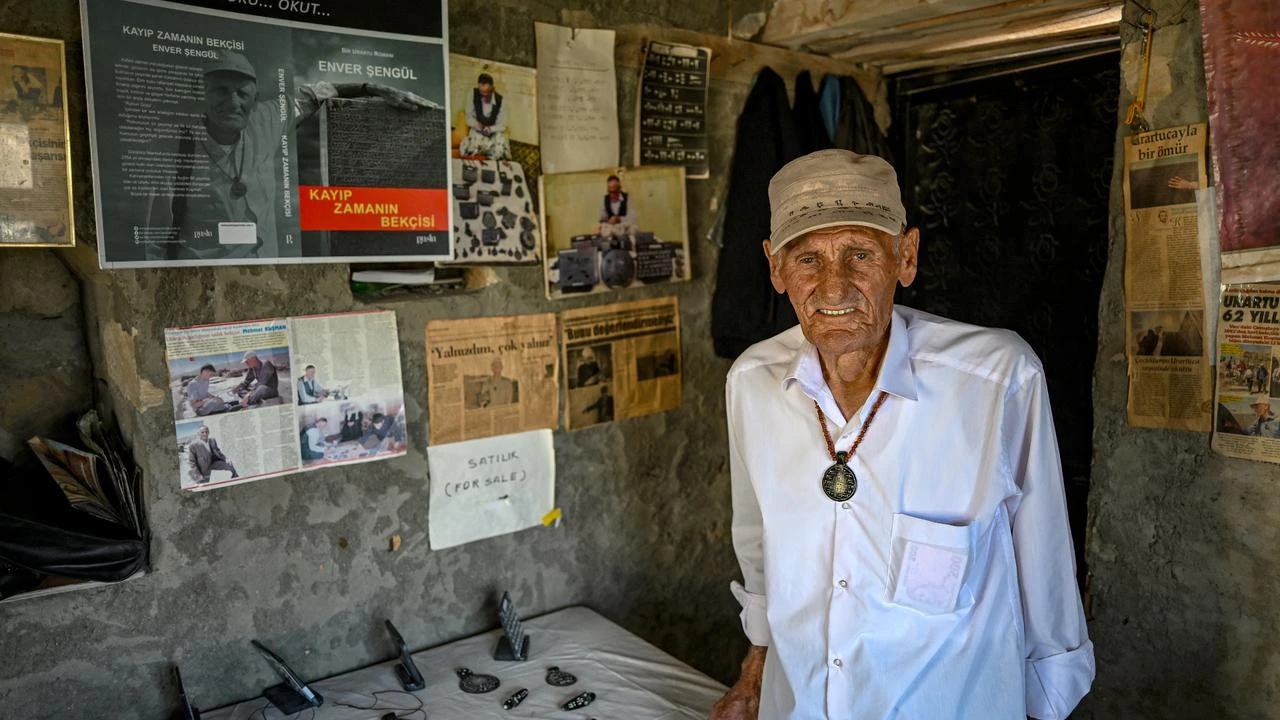
Mehmet Kusman, 86, stands at the fortress of Cavustepe in eastern Türkiye, near Van, roughly 1,100 kilometers (684 miles) east of Ankara.
He has spent six decades studying the extinct language of Urartu, an ancient kingdom that once ruled the region nearly three millennia ago.
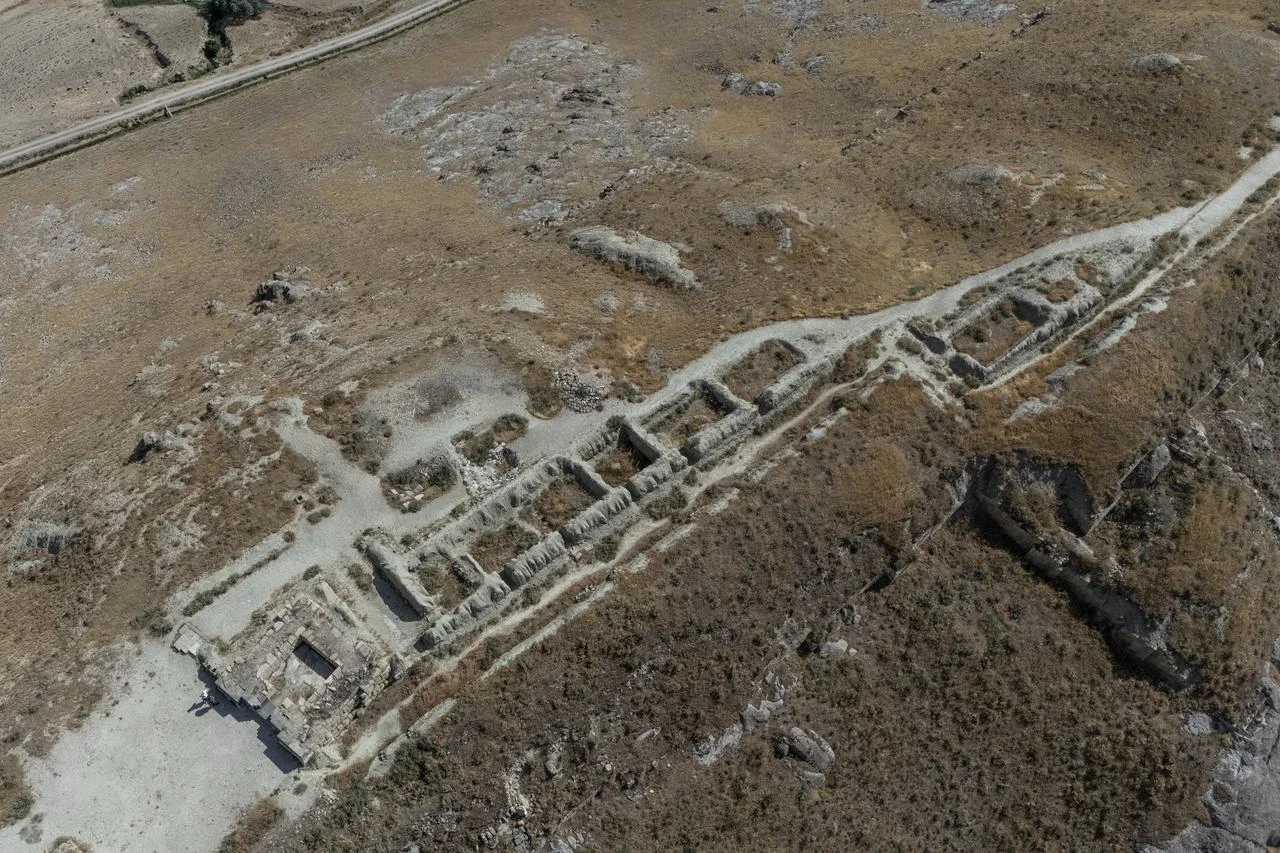
Kusman arrived at Cavustepe in the 1960s, hired as a laborer after completing his military service. He had no formal education and no background in linguistics, only a job clearing the excavation site where archaeologists were uncovering the remains of an Urartian settlement.
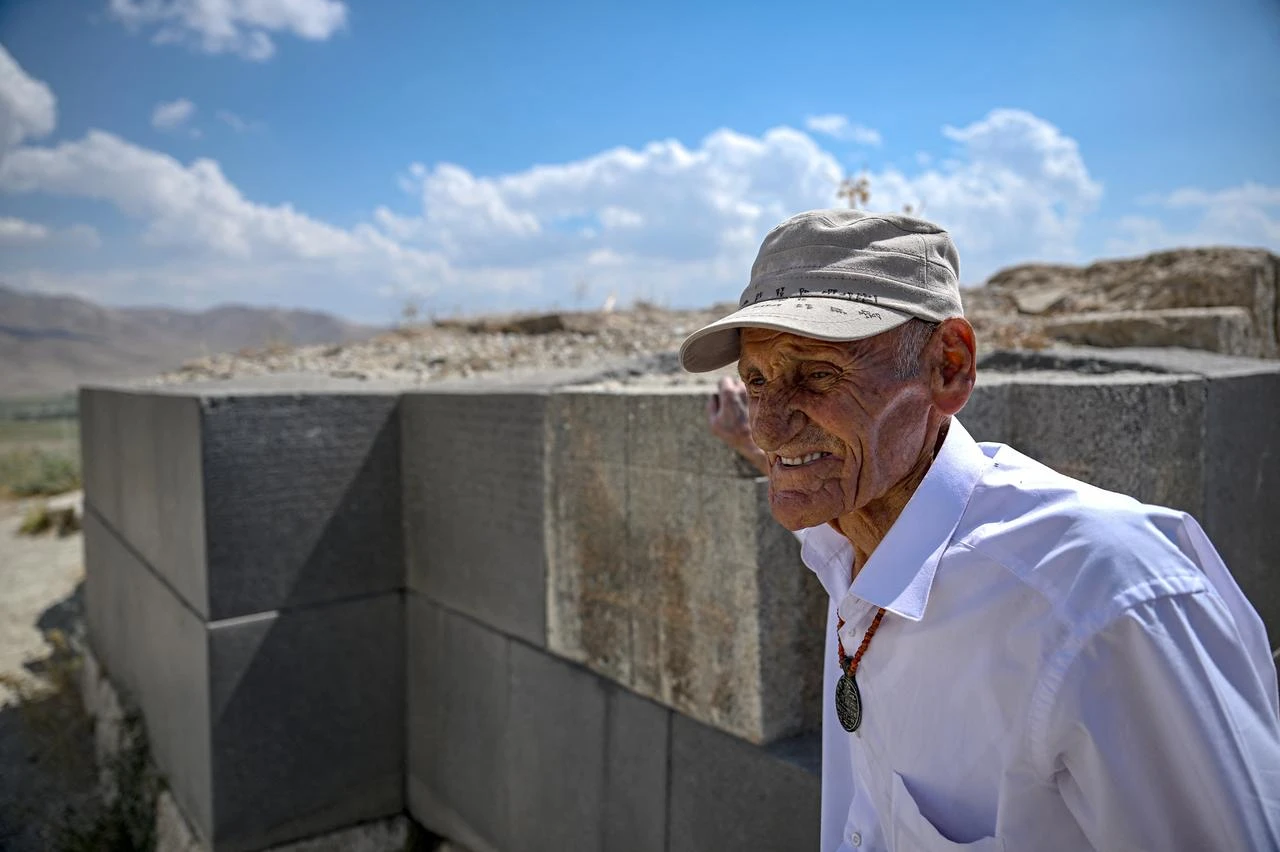
It was on the site that Kusman encountered his first stele, a stone slab carved with cuneiform script borrowed from Assyrian. He later told AFP the inscription was "very beautiful," though the head of the dig warned him the language was too difficult to learn.
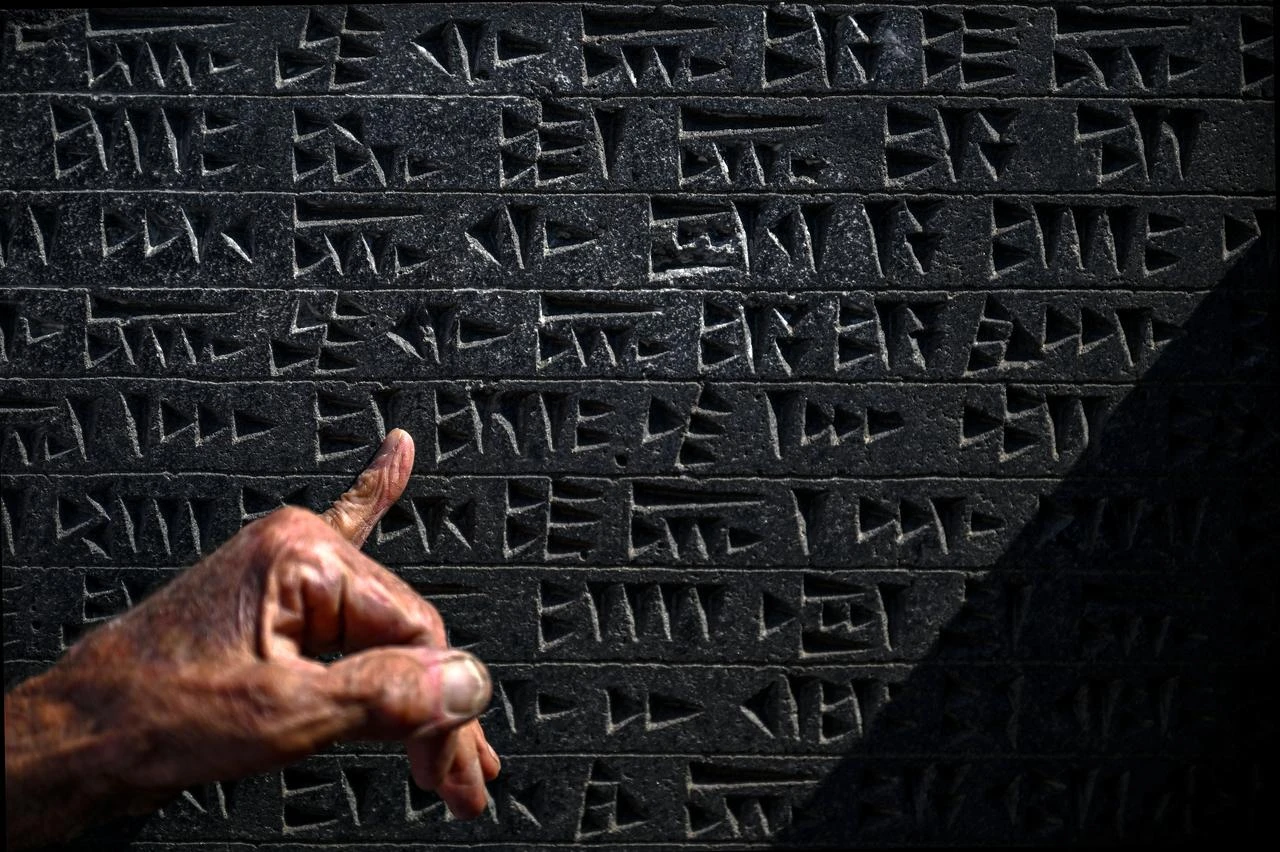
Discouraged but undeterred, Kusman began copying inscriptions by hand as excavations continued across eastern Türkiye, Iran and Armenia, the territories once spanned by the Urartu kingdom between the 9th and 7th centuries B.C. He said mastering the alphabet alone took him three years.
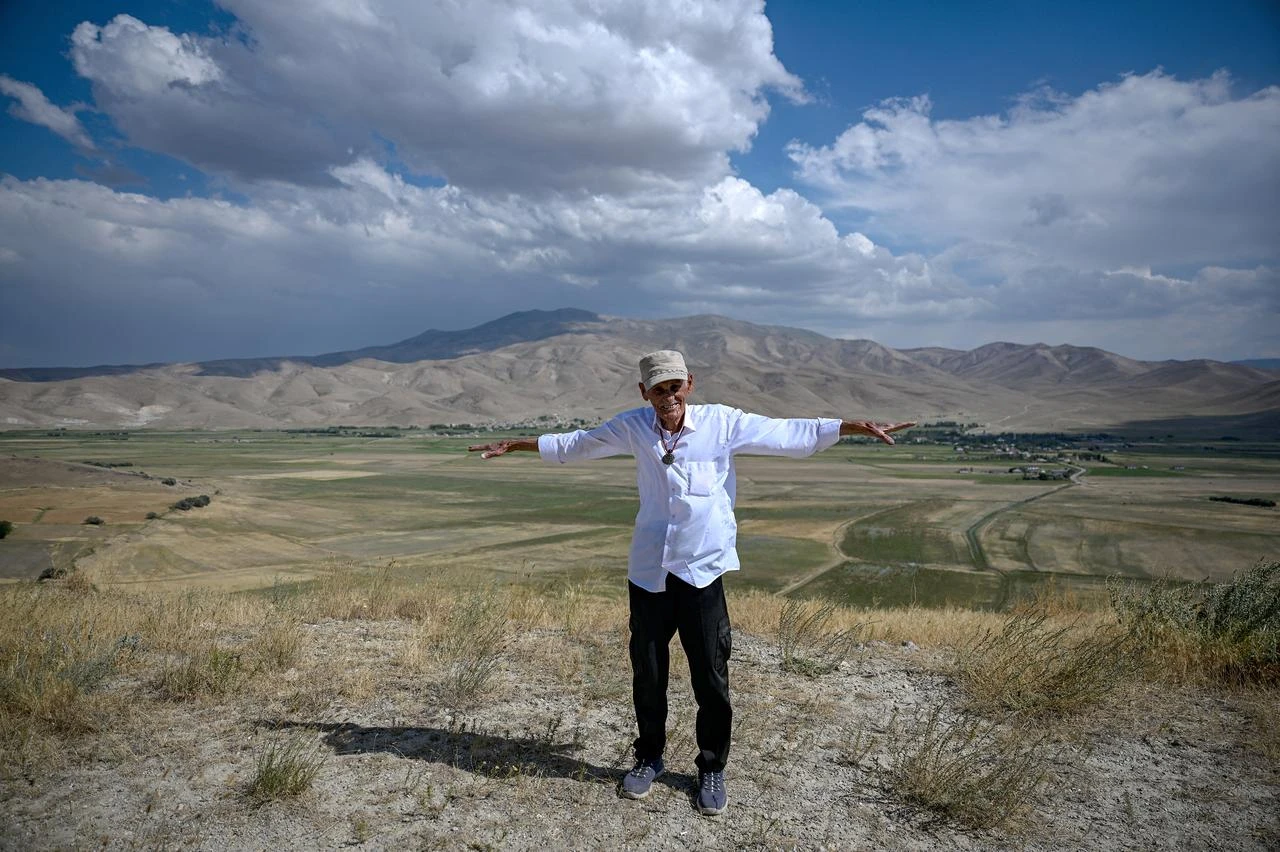
Vocabulary proved far harder. Kusman said it took him 22 years to learn 650 Urartian words, working without formal instruction and relying instead on repeated study of inscriptions recovered from temples, fortresses and irrigation sites built under the kingdom's centralized rule.
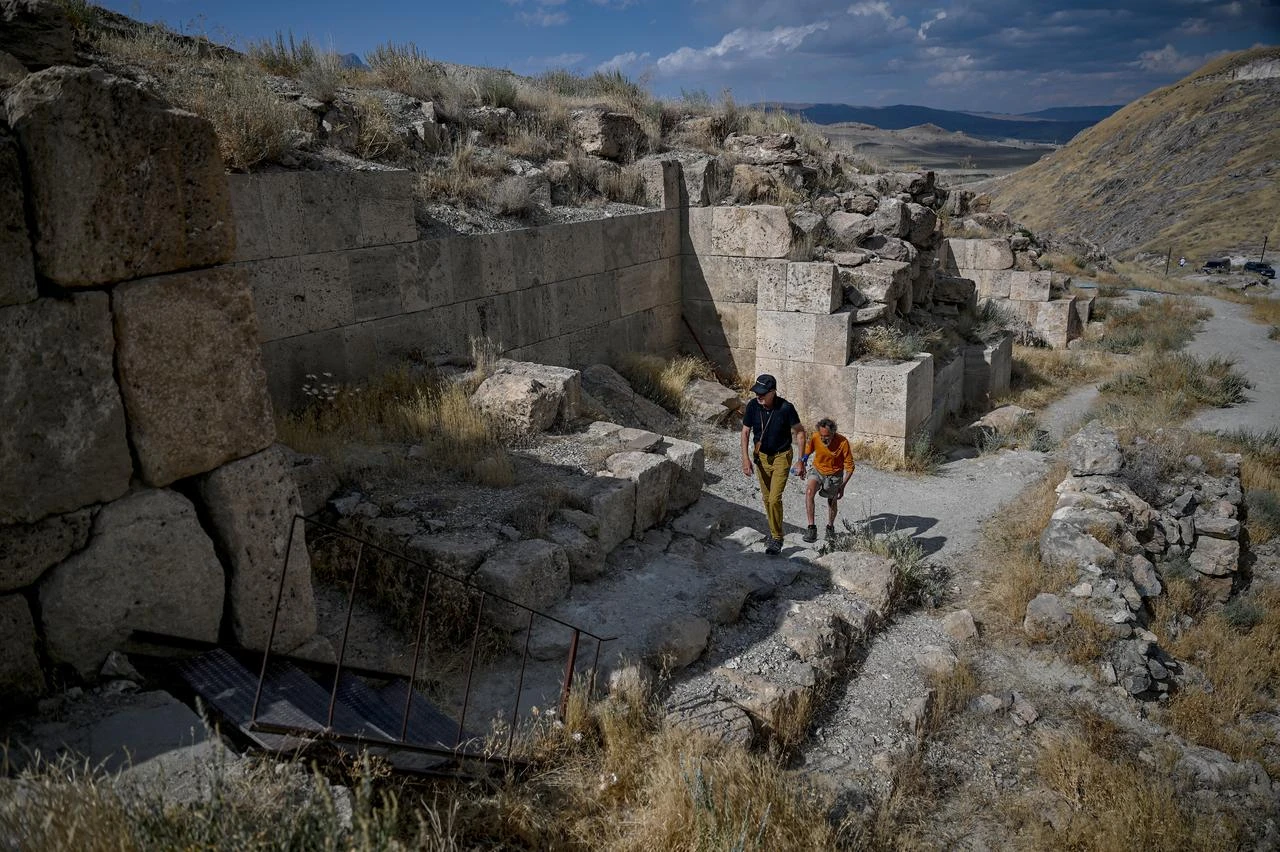
At the foundations of a temple dedicated to Haldi, the Urartian warrior god, Kusman now wears a cap purchased in Los Angeles, marked "USA 2009" in cuneiform script. His decades at Cavustepe have made him a fixture at the fortress he once helped excavate.
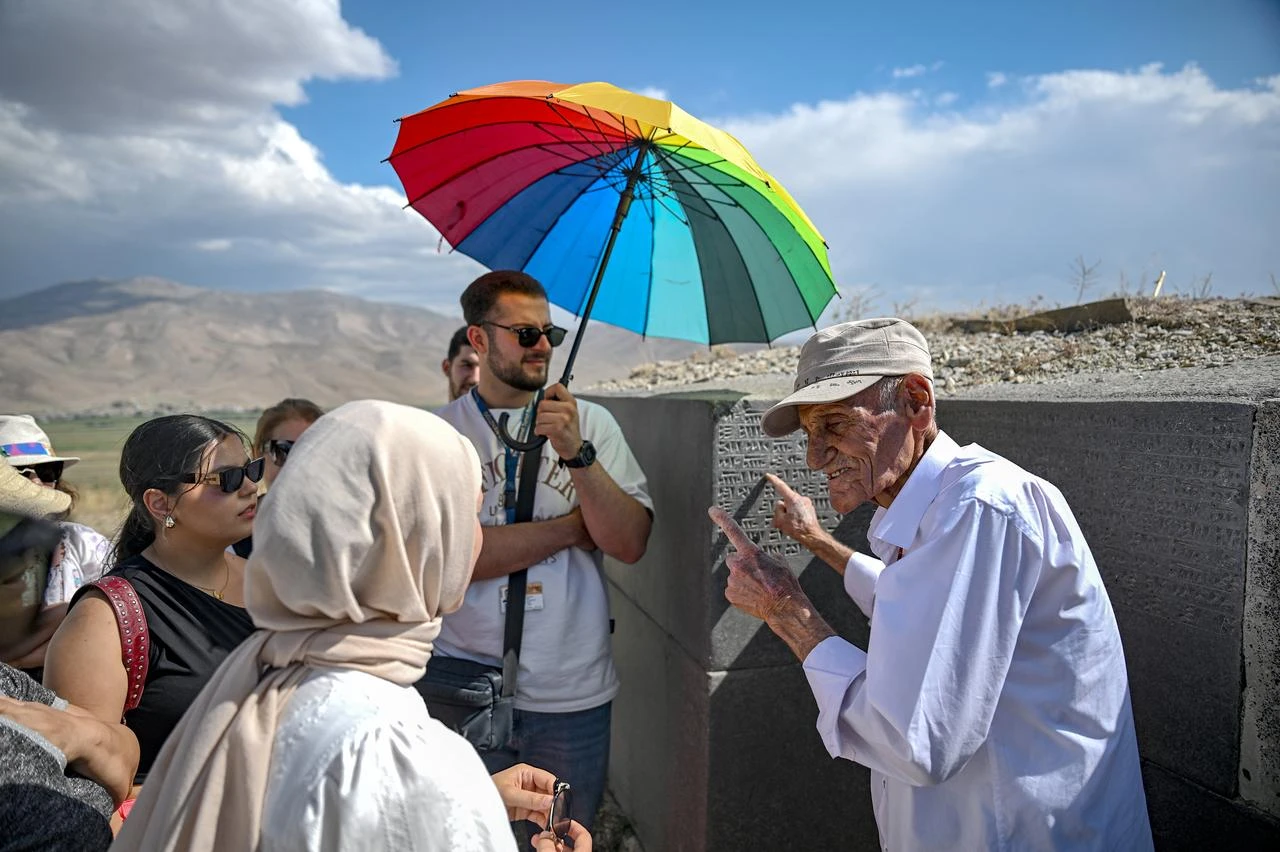
Kusman's reputation spread beyond Türkiye. He has lectured in the United States five times, as well as in Germany, the Netherlands and Belgium, and says he is now considering a trip to Japan to speak about Urartian history and language.
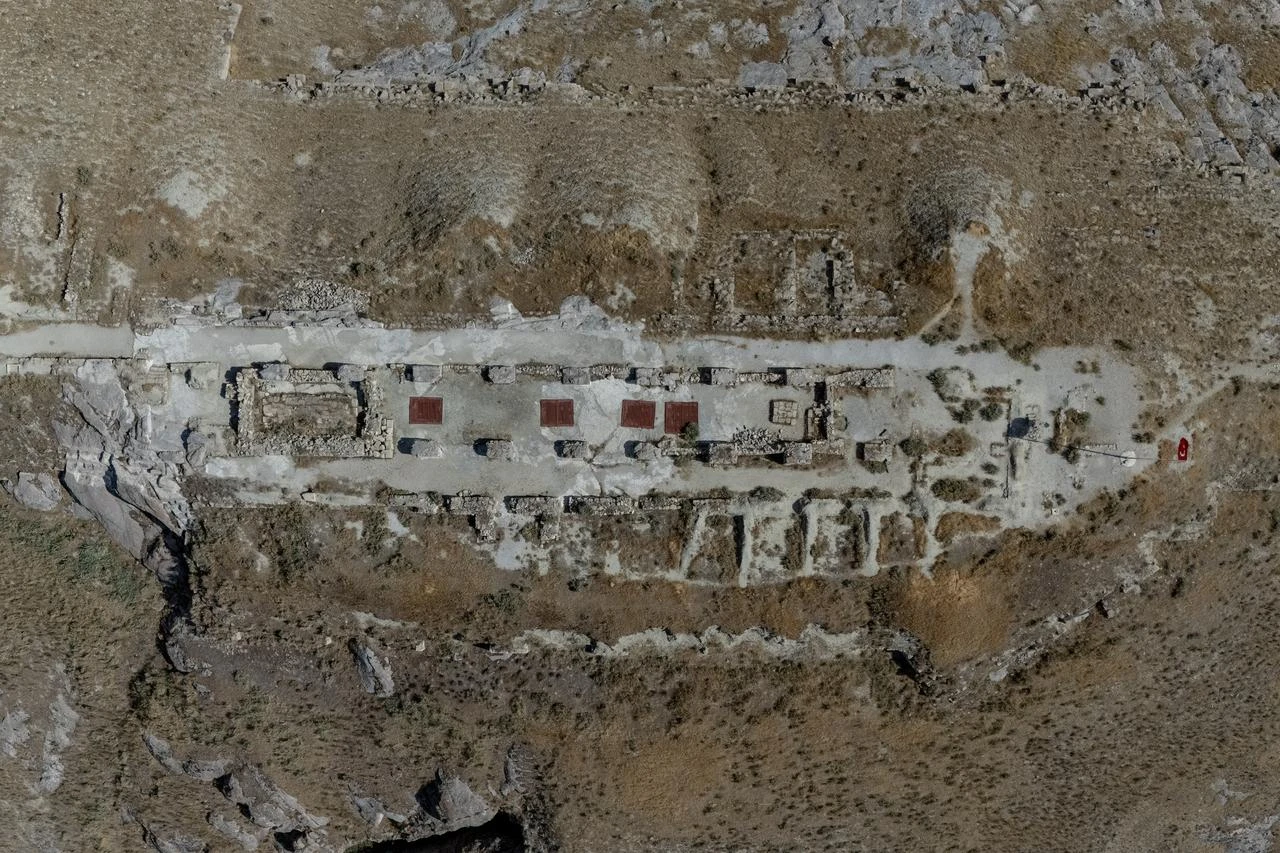
Scholars credit Kusman's enthusiasm while cautioning against overstating his knowledge. Istanbul University professor Erkan Konyar noted that historians still lack the vocabulary and texts to confirm exactly how Urartian was pronounced, meaning no one can claim to fully speak the language today.
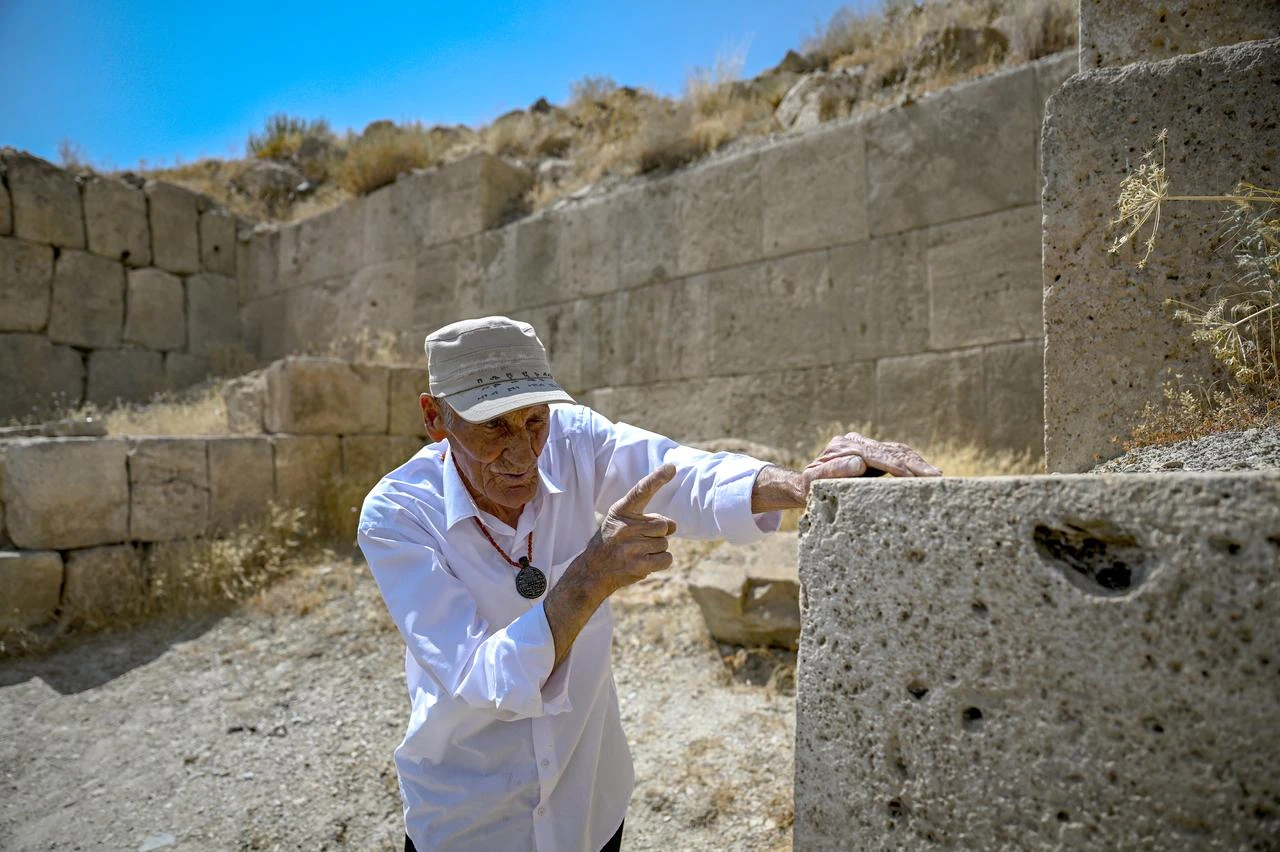
Kusman, who retired from formal work in 2005, still lives beside the ruins in a small stone hut at the entrance to Cavustepe, greeting visitors. "I am a descendant of the Urartians, their grandson," he says. "They disappeared, but look, they are not all dead."

 1 min read


 Set as preferred source