Newsletters





French streaming platform Deezer announced Tuesday that AI-generated tracks now account for more than half of its daily uploads, marking the first time the technology has crossed the 50% threshold.
These AI-generated uploads peaked in June, averaging 90,000 tracks per month and claiming over half of all new music added to the platform, according to a company news release.
The platform said it will remove AI tracks tied to streaming fraud, as well as those that fail to secure a single stream over six months.
"We have reached a pivotal moment, but we have the technology to track this development and an ambition to do what's right," said Deezer CEO Alexis Lanternier.
Lanternier emphasized that the platform is taking further steps to safeguard creators. "Deezer has been at the frontline of fighting fraud and reducing payment dilution related to AI music for almost two years."

The volume of AI-generated uploads has risen steadily over the past year and a half, climbing from about 10,000 tracks per day in January 2025 to 20,000 by April of that year, then to 30,000 in September, 50,000 in November, 60,000 in January 2026, 75,000 in April, and close to 90,000 at present.
Despite the rising share of AI-generated uploads, listener consumption of that content remains comparatively low, accounting for an estimated 1% to 3% of total streams on the platform. The company said most streams linked to AI-generated tracks are fraudulent and have been demonetized.
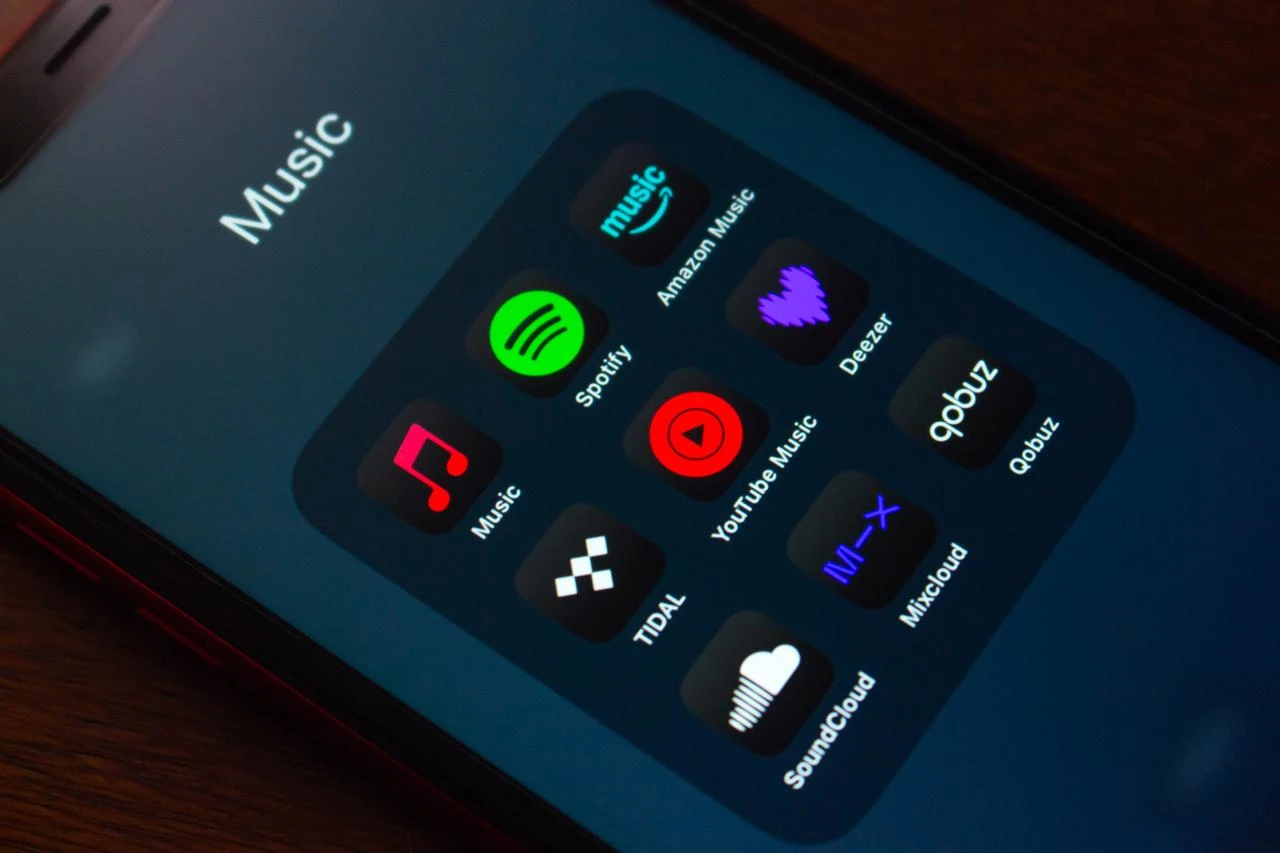
Streaming platforms have adopted differing approaches to AI-generated music. Bandcamp has banned such tracks outright, while Tidal has cut off their monetization. Apple Music applies a voluntary AI-tagging system, and Spotify has introduced its own policy addressing the use of AI in music production.
The company added that its AI detection tool has been in place since the start of 2025.
"In June 2025, Deezer became the first, and so far only, music streaming platform to explicitly tag AI-generated music. Over 13.4 million AI-generated tracks were detected and tagged on Deezer in 2025," the statement said.


 Set as preferred source
 Set as preferred source



 3 min read