Newsletters





The use of artificial intelligence in film and entertainment production is increasing the volume and quality of stories made in local languages and cultures, connecting audiences worldwide, according to industry experts.
The trend was examined in the second installment of a series on AI and cinema published by Türkiye's state-run Anadolu Agency (AA), which looked at how AI-assisted production is changing the film and entertainment sector.
Until a few years ago, media production relied solely on human labor. Since then, AI-assisted production models have spread across news content, advertising campaigns, animation, film and television, marking what industry observers describe as a turning point for the sector.
In the Asian market, particularly in China, India and Indonesia, the rapid adoption of AI-generated projects by media companies has renewed attention on the technology's transformative impact on film industries.
In Hollywood, AI is being used as a supporting tool in production processes such as concept development, visual effects and the editing of actors' voices and images.
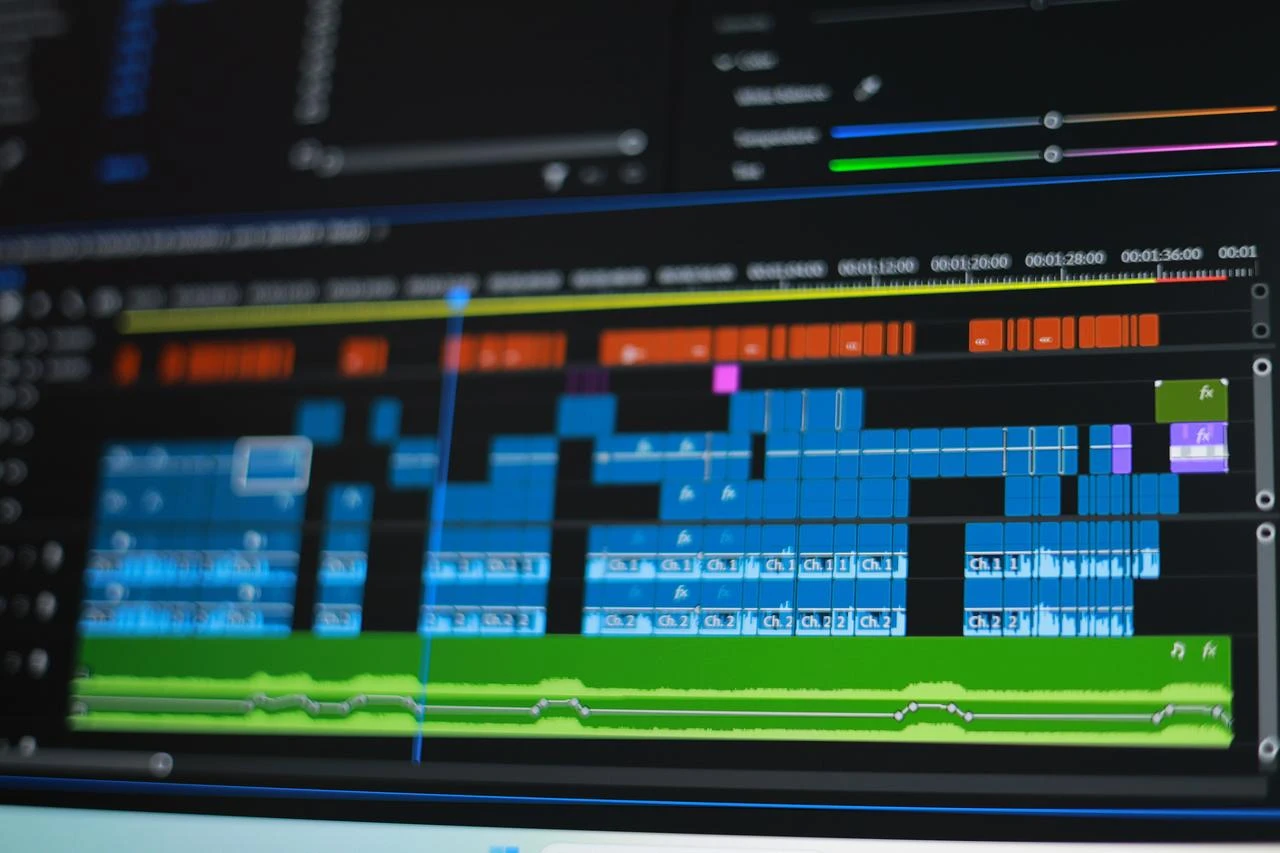

Recent advances in AI technology are lowering production costs and technical barriers for creators while increasing the volume and quality of stories produced in local languages, dialects and cultural contexts.
Payal Arora, a professor at Utrecht University in the Netherlands who studies AI and digital culture, told AA that AI has significantly reduced barriers in production processes such as screenwriting, editing and dubbing.
Arora said AI is freeing content production from the monopoly of "elite" producers, noting, 'AI allows millions of people to express themselves, experiment and communicate.'
She said: “I think that over the next five to ten years, AI's biggest impact will be enabling localized storytelling. We will see more films and series produced in local languages, dialects and cultural contexts, not just for global mainstream audiences but for specific communities.”
Arora said AI would reduce barriers for content creators who lack access to large budgets or industry connections, adding that this would help local stories gain visibility on a global scale. She said the sector is moving toward a structure that bridges different cultures and brings stories rooted in authentic local experiences to international audiences.
AI's rise in the film sector has also fueled debate over the future of human creativity. Some in the industry believe AI dulls creativity, while others see it as a tool that can support creative development.
Arora noted that concerns about new technologies diminishing creativity have recurred throughout history, saying, ”When the camera was invented, there was panic that the technology would threaten the essence of creativity. Yet photography expanded our understanding of creative expression. It opened new ways of seeing and representing the world.”
She said creativity is drawn from people's ability to interpret experience and imagine, adding that AI is not a substitute for creativity among content producers.
Arora said the technology saves time by reducing repetitive tasks, allowing more production with limited resources.
She said she does not expect a future conflict between humans and AI, predicting that new collaborative production models between the two will emerge instead.
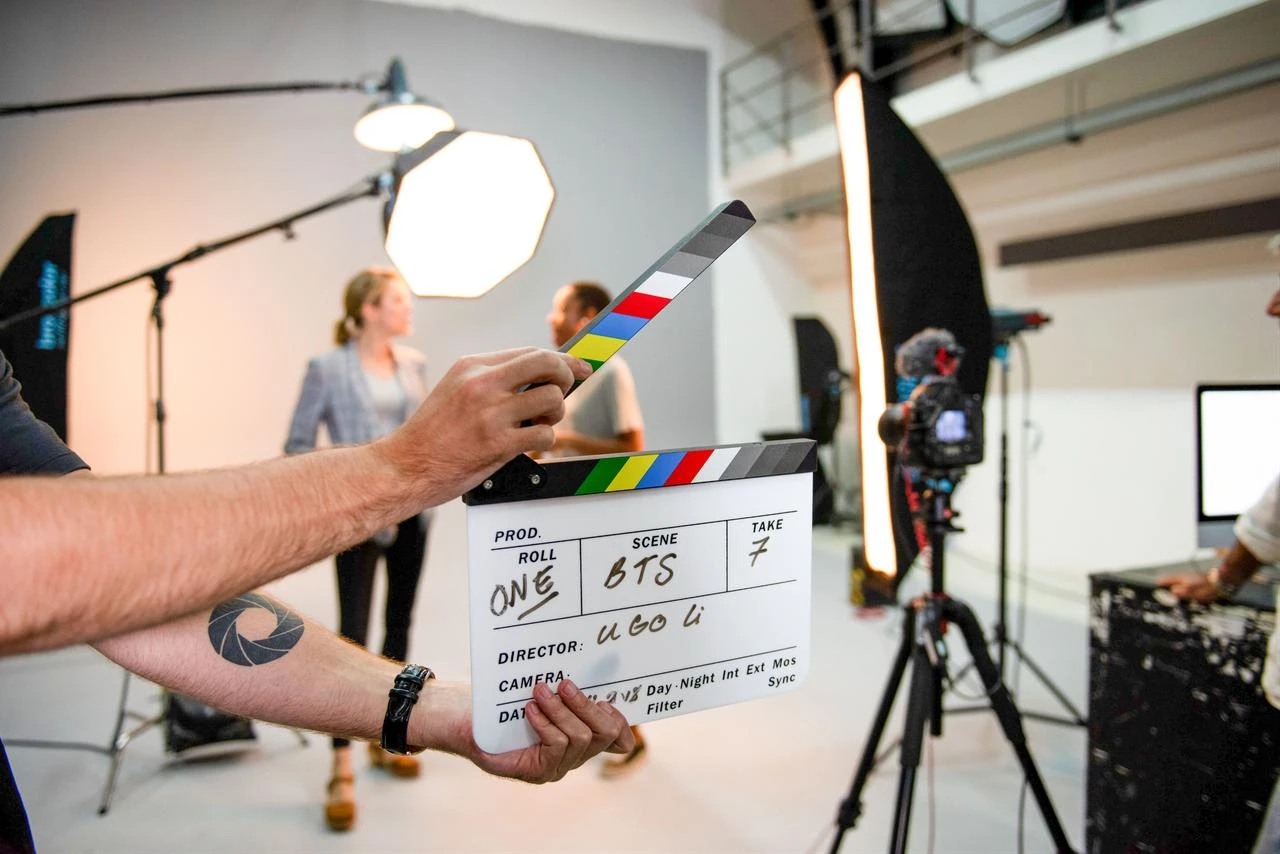
Whether AI could automate work that requires creativity remains one of the industry's most debated questions.
Nick Couldry, a professor at the London School of Economics (LSE) in the United Kingdom, said producing sufficient volume and quality of content through AI is now possible in the sector.
“This (AI technology) is a turning point for creative industries, including film and television,” Couldry said.
Couldry said some AI-generated products could diminish the perceived value of content among audiences and reduce people's willingness to enter the industry, adding, “This will lead to a spiral of mediocrity that will be harmful for the creative sector in the long run.”
He said industry workers could halt this spiral by firmly resisting the trend.


 Set as preferred source
 Set as preferred source



 3 min read