Newsletters





Parts of Golestan Palace, Tehran’s only UNESCO World Heritage site, were damaged after what WANA News described as a U.S. and Israeli airstrike on Arg Square in central Tehran on Sunday night, March 1, with damage confirmed during an on-site visit the next day.
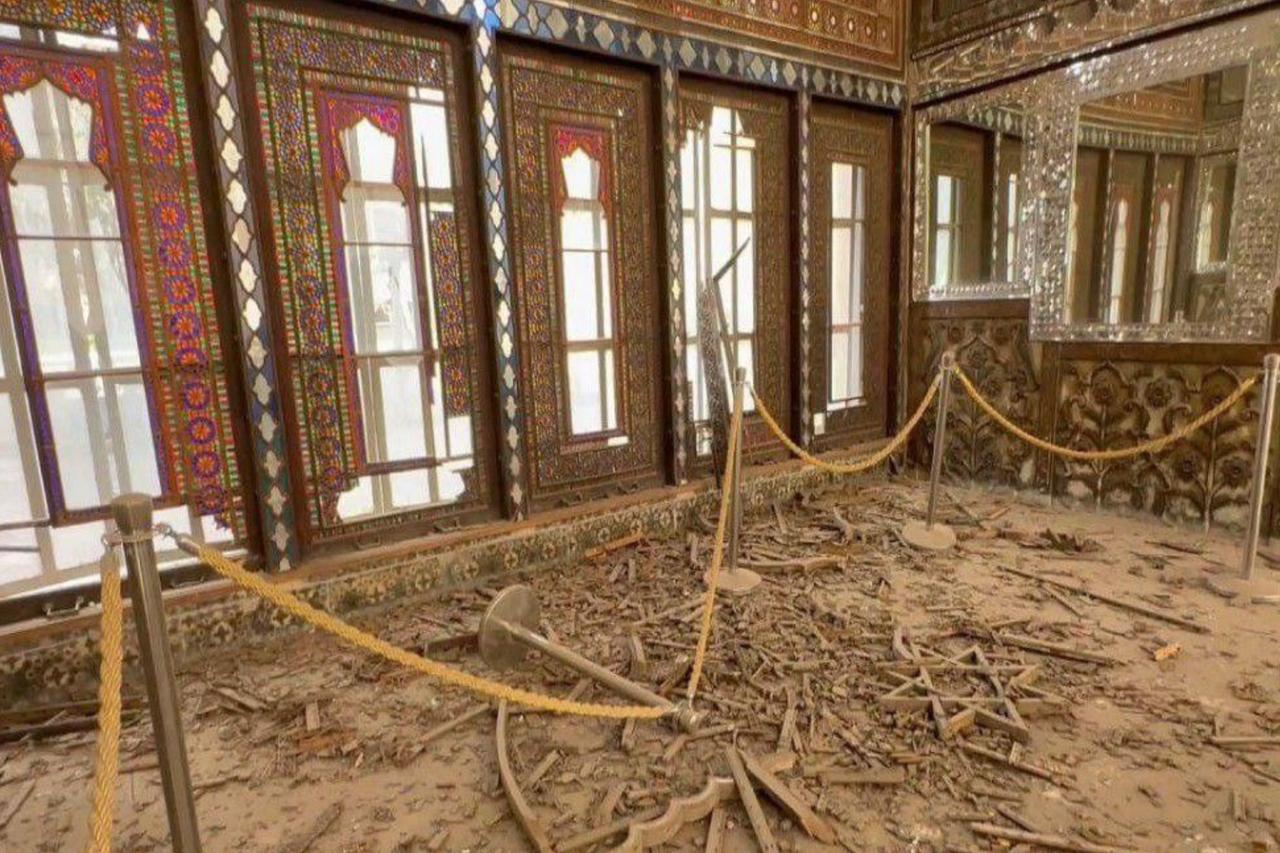
According to a March 2 report from WANA, the blast wave from the strike damaged sections of the palace, including wooden doors, orsi (traditional Persian windows), and parts of the site’s mirror work, a decorative technique used in Iranian interiors.

WANA described Golestan Palace as a historic complex of buildings and gardens whose origins date back to the reign of Shah Tahmasp I of the Safavid dynasty.
It said the palace briefly served as Karim Khan’s residence during the Zand period, was expanded extensively in the Qajar era after Tehran became the capital, and was later used in the Pahlavi era for official ceremonies and for hosting presidents and distinguished foreign guests.

WANA reported that Seyed Reza Salehi Amiri, Iran’s Minister of Cultural Heritage, Tourism, and Handicrafts, confirmed the damage during his visit on Monday, March 2, 2026, and said a report would be submitted to UNESCO, framing the incident as a violation of international law.
In a public statement dated Monday, March 2, UNESCO said Golestan Palace was “reportedly damaged by debris and the shock wave” after an airstrike to the square located in the site’s buffer zone, and added that it had shared the geographical coordinates of World Heritage and nationally significant sites with all parties “to avoid any potential damage.”
UNESCO also recalled that cultural property is protected under international law, including the 1954 Hague Convention and the 1972 World Heritage Convention.
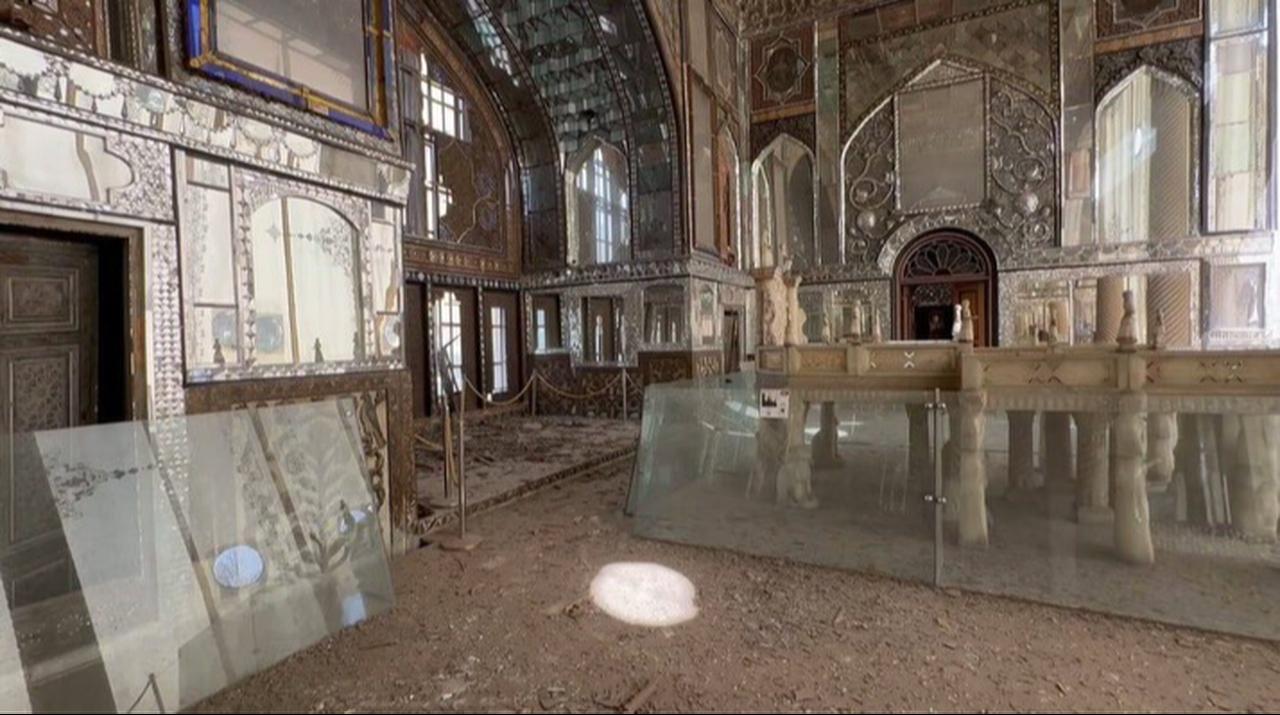
WANA reported that museum artifacts from Golestan Palace had been moved to secure storage following what it called a “12-day war” and incidents in January 2026, and that these items were not affected by the latest airstrike and remain in a safe location.


 Set as preferred source
 Set as preferred source



 3 min read