Newsletters




What if a fish carved into a Byzantine church more than 1,000 years ago was never meant to represent the familiar saying that the powerful devour the weak, but instead carried a warning about the devil himself?
For decades, mysterious stone carvings showing large fish swallowing smaller ones at two early Byzantine sites in Türkiye were understood as illustrations of a simple proverb.
Now, a new study is challenging that interpretation, suggesting that the seemingly ordinary scenes may conceal religious messages about Satan's deception, the fate of vulnerable believers and the promise of salvation through Christian baptism.
Published in the Journal of Palmette, the research by Tugce Karademir Yigit revisits carvings from Alahan Monastery and the Konya Archaeological Museum, drawing on centuries-old Christian manuscripts to question an interpretation first put forward by prominent Turkish art historian Semavi Eyice in 1965.
However, Yigit's research suggests that the scenes may carry deeper theological meanings connected to deception, salvation and baptism, the Christian ritual of spiritual purification through water.
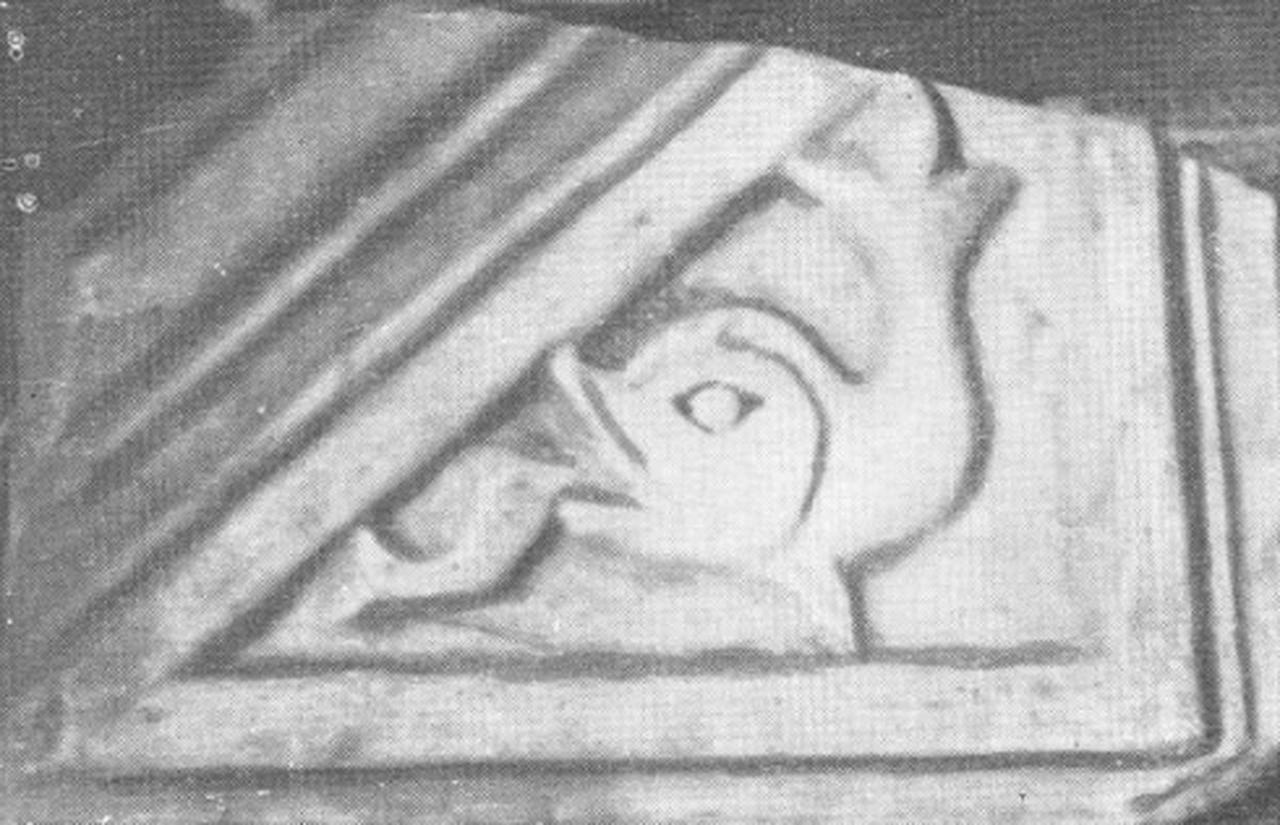

The study focuses on two early Byzantine architectural elements: a decorated doorway at Alahan Monastery and an ambo stair panel preserved at the Konya Archaeological Museum. An ambo was a raised platform in early churches from which religious texts were read and sermons delivered.
On the Konya panel, a large fish opens its mouth toward a smaller fish, apparently preparing to swallow it. A similar scene appears on the inner surface of a doorway in Alahan Monastery's Eastern Church, where a larger fish catches another by its tail.
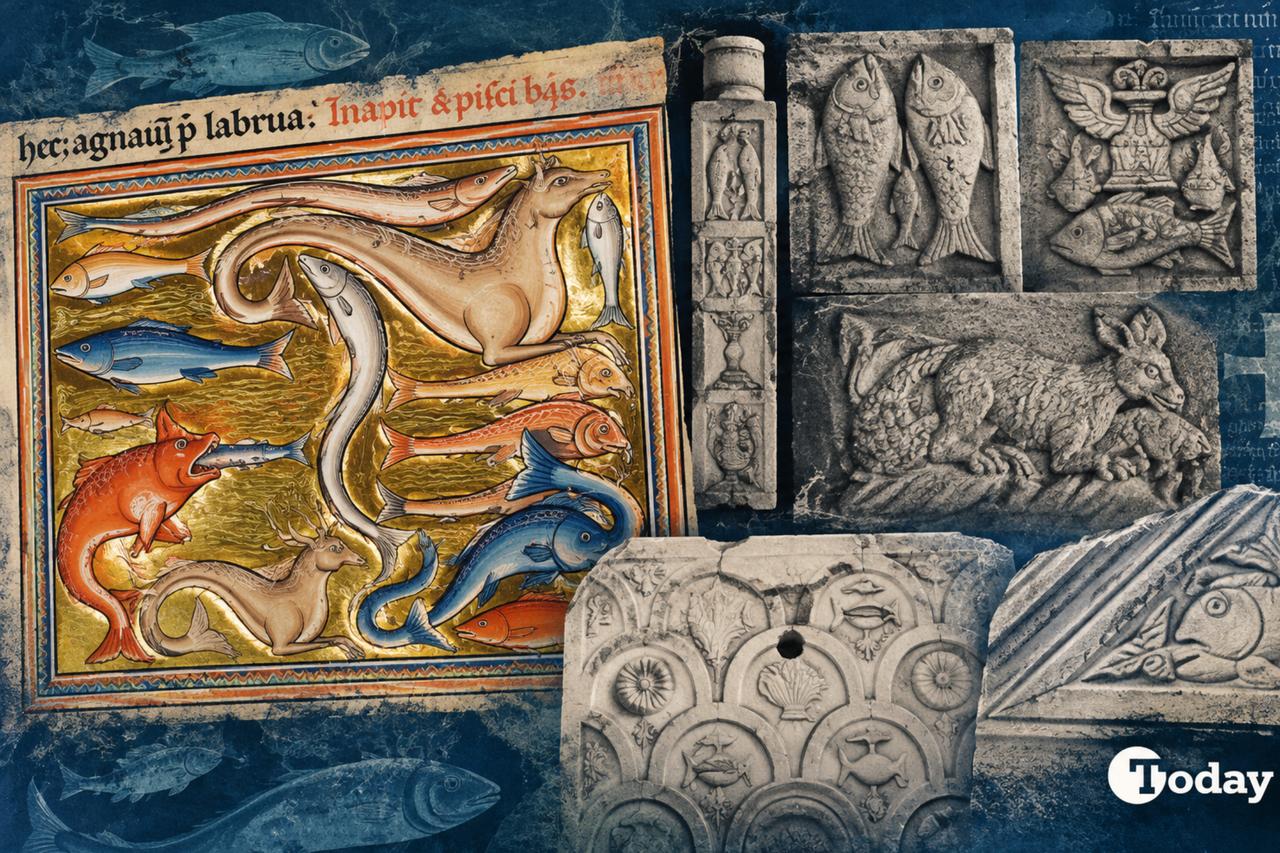
To interpret these images, Yigit turned to the Physiologus, an early Christian text believed to have been written in Alexandria during the second century, and medieval bestiaries, illustrated manuscripts that used descriptions of real and imaginary animals to convey moral and religious teachings.
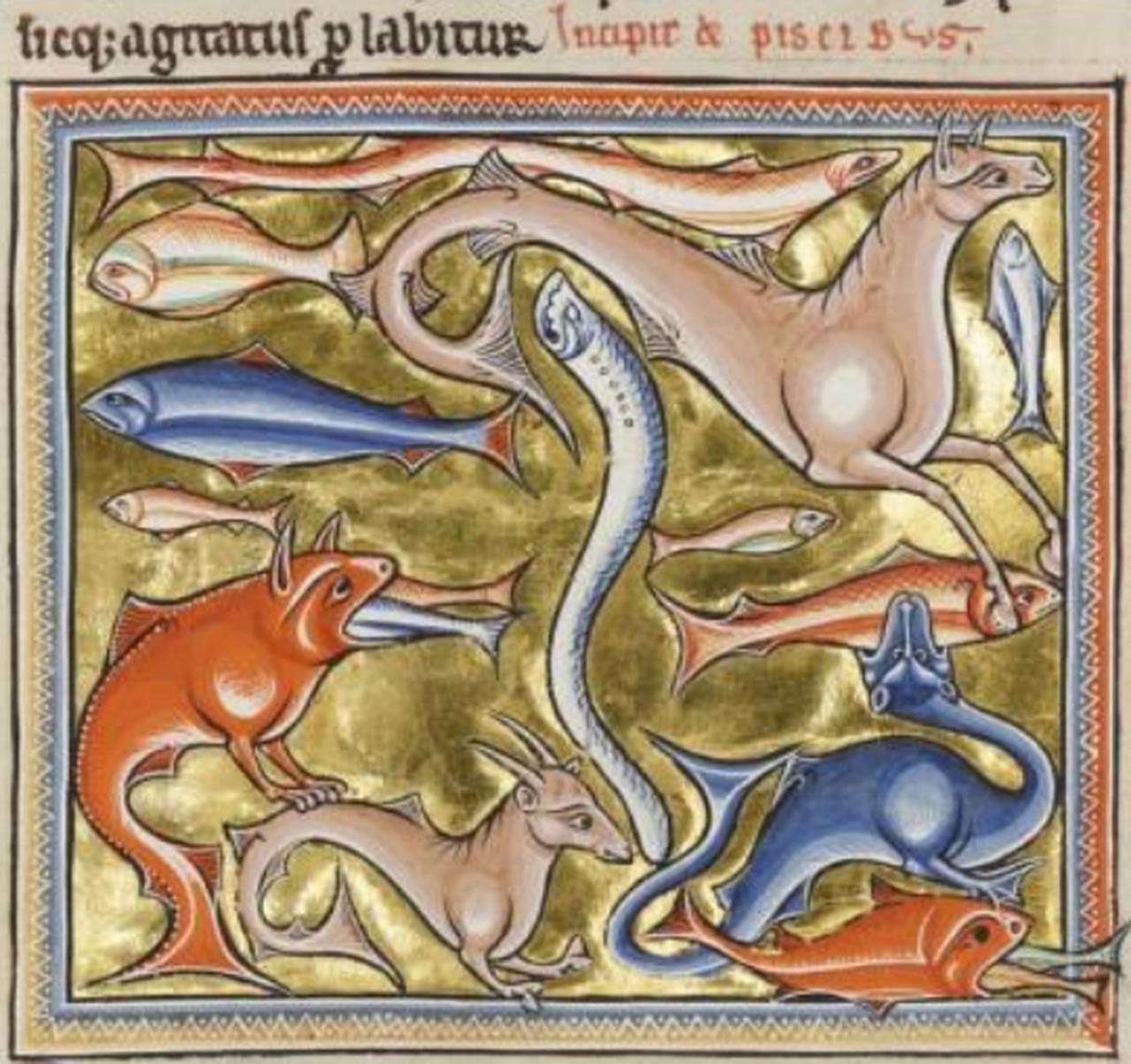
According to the Aberdeen Bestiary, smaller fish become prey for larger ones, which can themselves be swallowed by even stronger creatures. The account presents the relationship as a warning about the harm that powerful individuals can inflict on others.
Another passage describes a whale that attracts smaller fish by releasing a pleasant smell before closing its mouth and swallowing them. In the manuscript's religious interpretation, the whale represents the devil, while the smaller fish symbolize people who are deceived and led away from their faith.
Yigit argues that the carvings at Alahan and Konya could similarly depict the devil as the larger fish and people with weak faith as the smaller fish, rather than simply illustrating a familiar proverb.
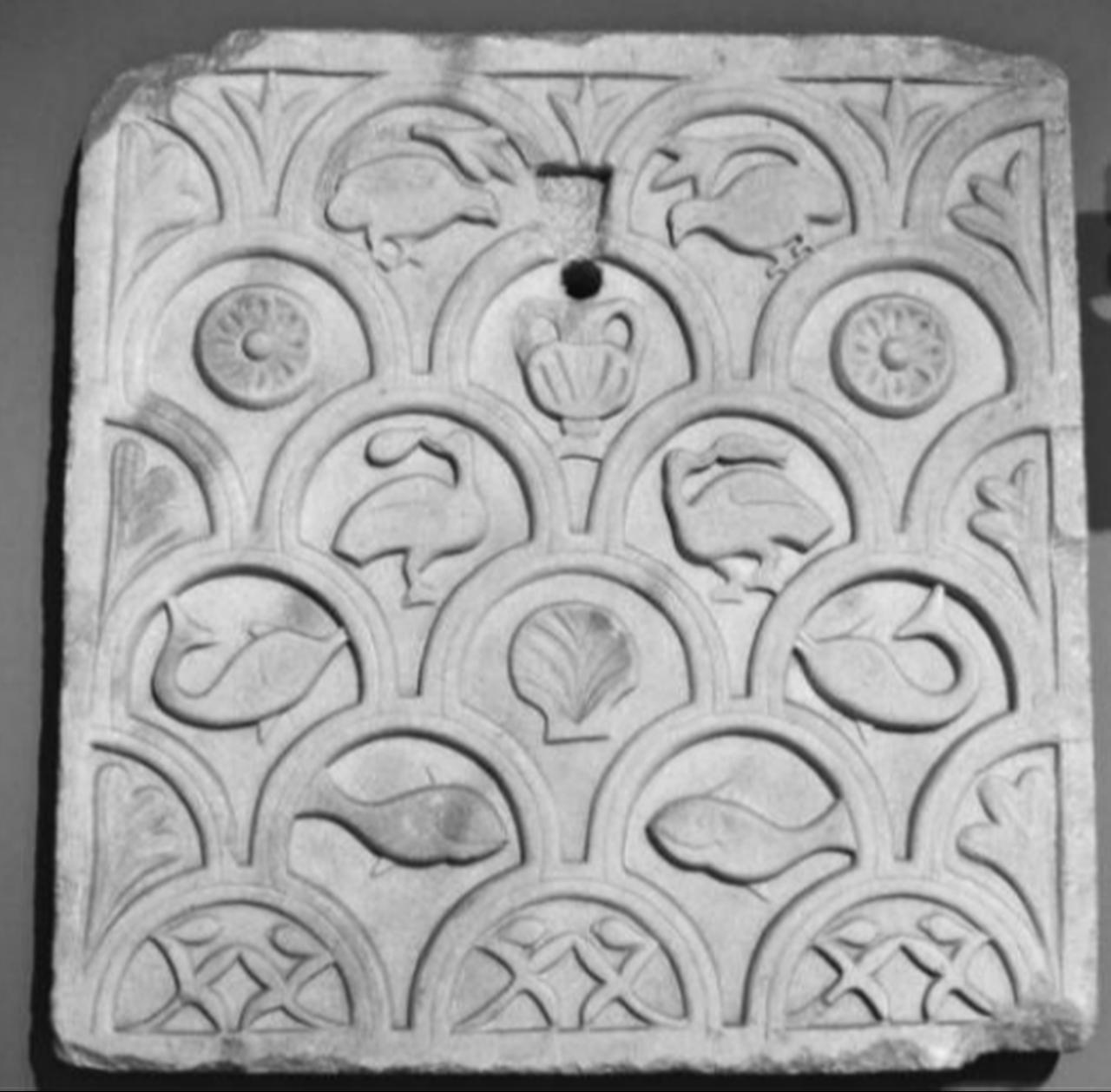
The research also puts forward a second interpretation based on early Christian writings that associate fish with Jesus Christ, baptism and the promise of salvation.
The study draws on the writings of Tertullian, an early Christian theologian who compared believers to small fish born in water through their relationship with Christ.
Under this interpretation, the larger fish could represent Christ bringing believers into spiritual unity through baptism, while the smaller fish could symbolize Christians receiving the sacrament.
Yigit supports this reading by examining comparable decorations from other early Byzantine religious sites and museum collections across Türkiye.
At the Rhodiapolis Episcopal Church in Antalya's Kumluca district, a decorated stone element features two large fish surrounding a smaller one, alongside birds, a vessel and seashells. The study associates these motifs with baptism and spiritual renewal.
Further examples from the Istanbul Archaeological Museums, Hagia Sophia, Cankiri Museum and Odemis Museum demonstrate how fish and dolphins appeared in different religious compositions.
Although dolphins were sometimes associated with resurrection in Christian symbolism, the researcher notes that not every surviving depiction can be assigned a definitive meaning.
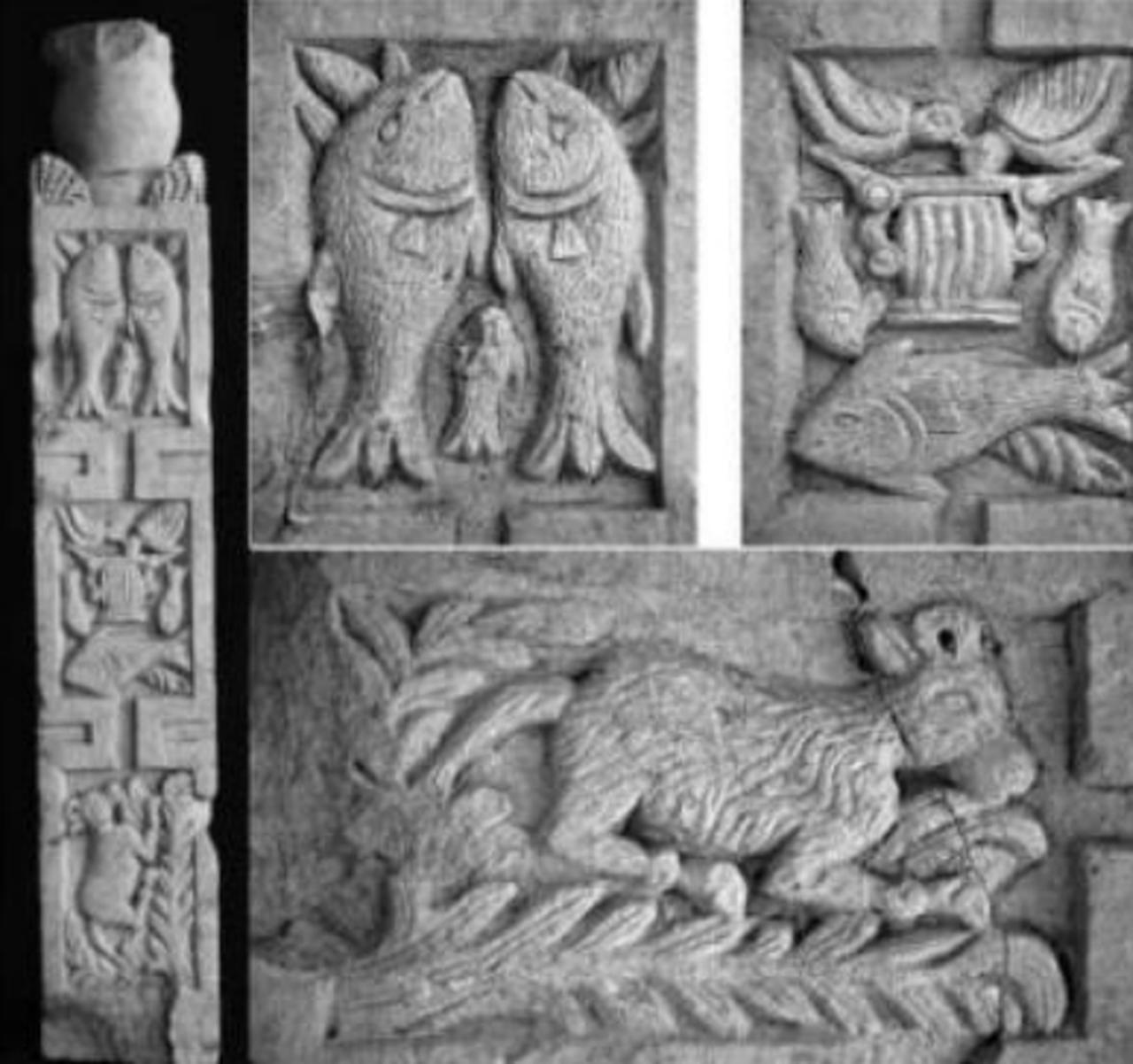
The study concludes that animal carvings on Byzantine church furnishings formed part of religious imagery intended to communicate theological teachings, including to people unable to read sacred texts.
Yigit argues that interpreting the Alahan and Konya compositions solely through a popular proverb overlooks their original religious setting and the symbolic traditions surrounding fish in Christian art.
Rather than establishing one definitive explanation, the research identifies two possibilities supported by early Christian literature: the larger fish may represent the devil deceiving people with weak faith, or Christ bringing believers together through baptism.
The article, developed from Yigit's 2025 doctoral dissertation at Canakkale Onsekiz Mart University, proposes that medieval religious manuscripts can help uncover meanings in Byzantine stone carvings that have previously been understood primarily through folklore.


 Set as preferred source
 Set as preferred source


 1 min read