Sign in
 Newsletters




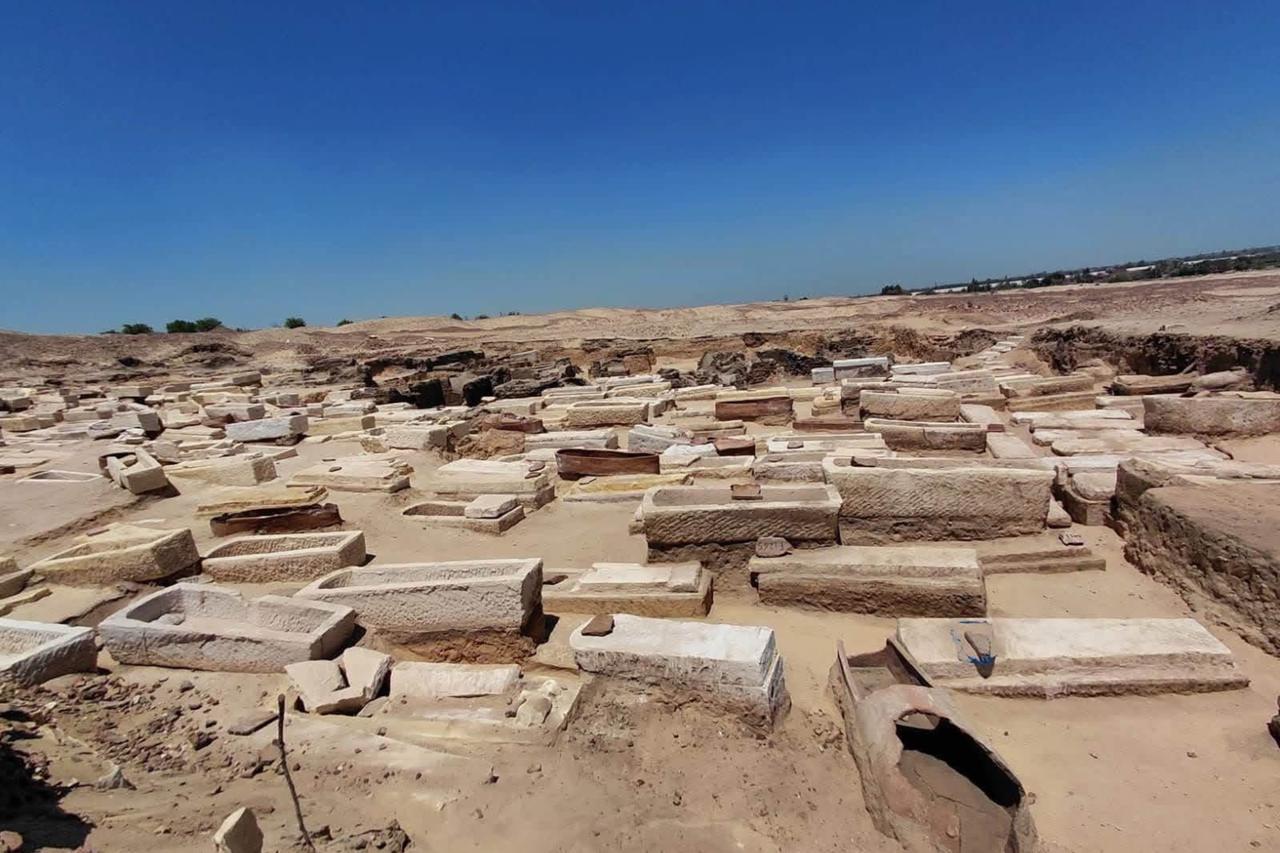
Palestinian and Italian archaeologists have uncovered at least three Roman-Byzantine tombs containing human skeletons and a partially preserved wooden coffin in Jericho, one of the world's oldest cities, in the occupied West Bank.
The burial site was discovered at Khirbet es-Seniye, an archaeological area west of Jericho near Tell es-Sultan, during excavation work close to the Tell es-Sultan refugee camp.
According to the Palestinian Ministry of Tourism and Antiquities, the discovery prompted rescue excavations, emergency archaeological investigations carried out to document and protect remains at risk of damage.
The ministry has joined forces with researchers from the University of Rome in Italy, who have also been working at the nearby Tel es-Sultan archaeological site.
Although three tombs have been identified so far, archaeologists believe they may form part of a much larger cemetery whose full extent remains unknown.

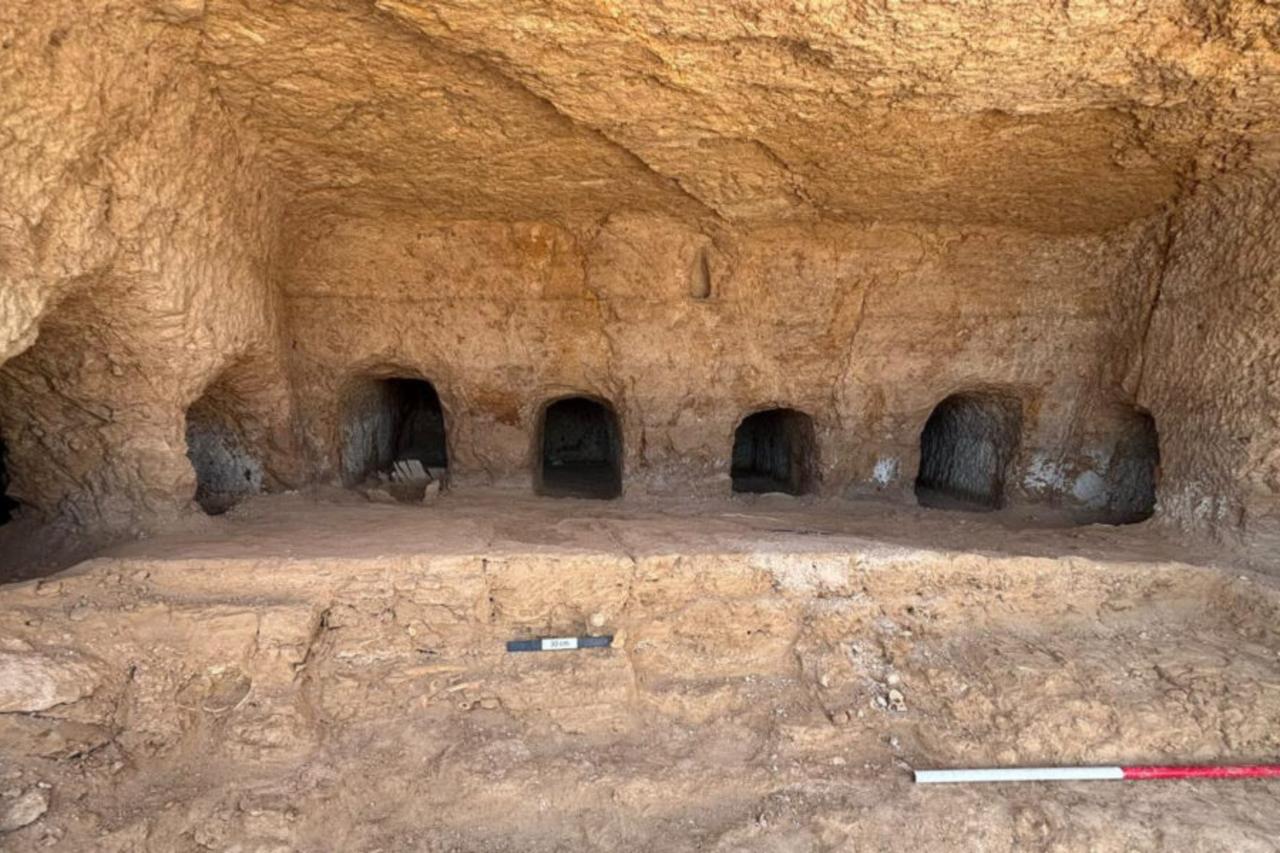
Jericho's Director of Antiquities, Issa Zaghl, told Anadolu Agency (AA) that Khirbet es-Seniye is among the city's largest and most significant archaeological sites, describing the newly discovered Roman-period tombs as rare finds in the area.
The discovery came about during routine archaeological inspections, after which researchers began examining the burial structures and documenting their contents.
According to Zaghl, the three tombs differ in construction materials and preservation conditions.
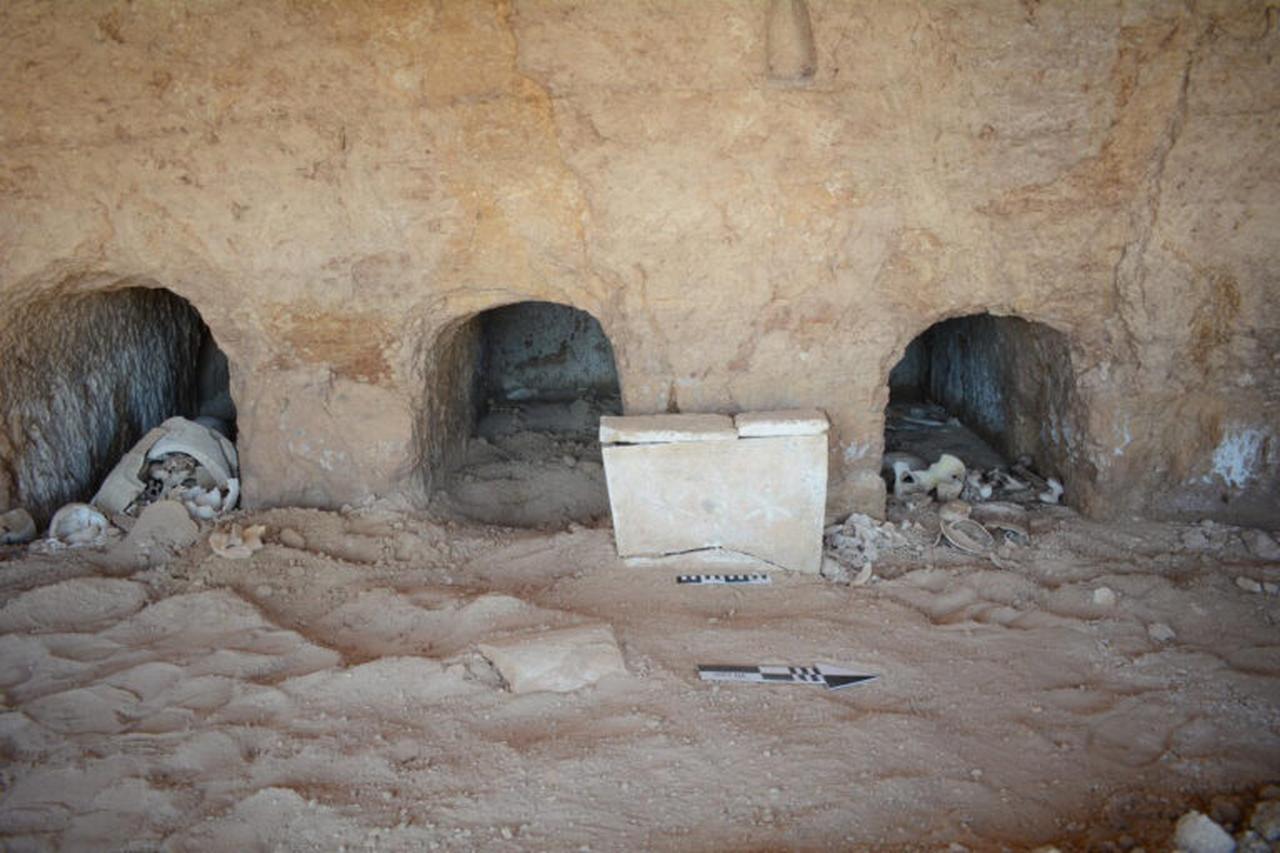
One stone-built tomb features symbols associated with the Roman period and contains a complete human skeleton. A second tomb sustained partial structural damage, although the bones inside remained intact.
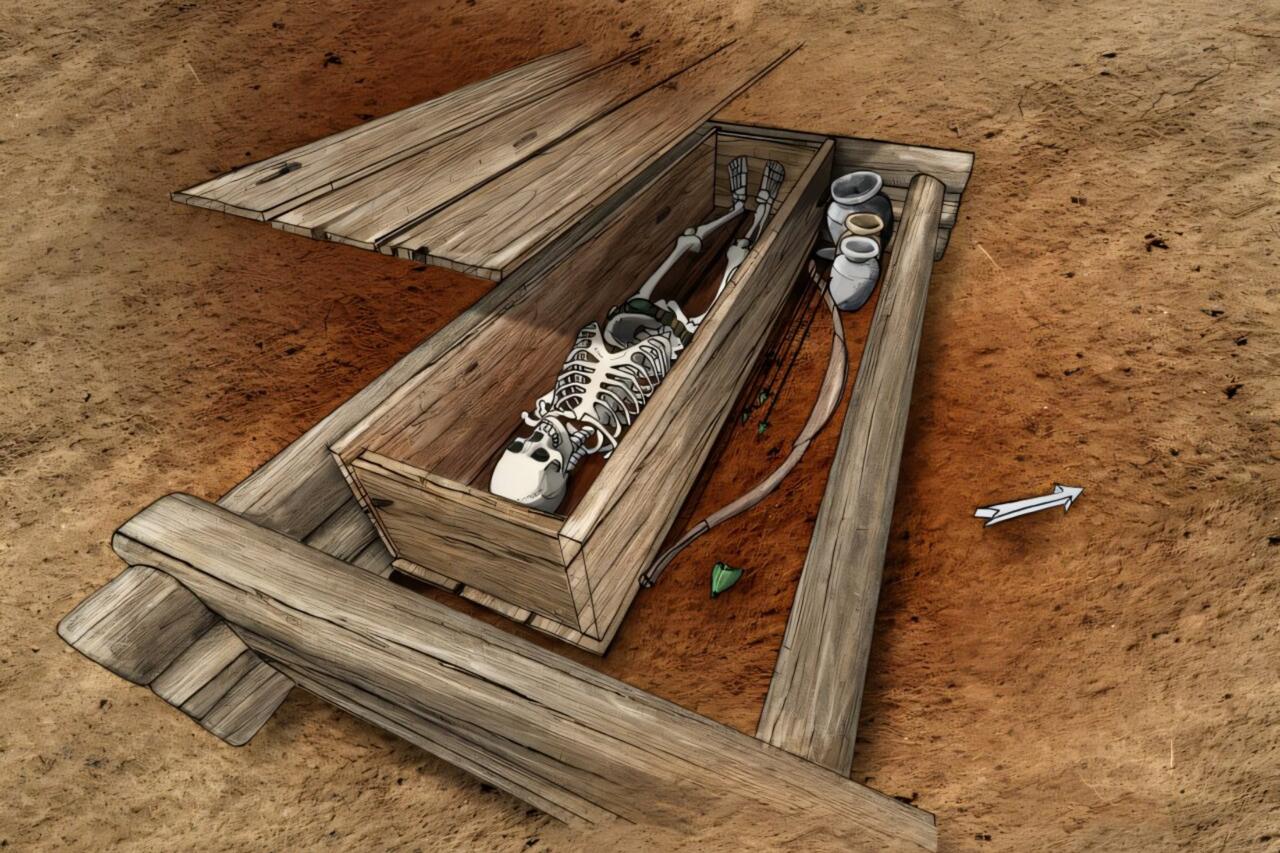
The third tomb contained a partially deteriorated wooden coffin, whose condition Zaghl attributed to the burial structure and Jericho's climatic conditions.
The recovered materials have been transferred to storage facilities operated by the Palestinian Ministry of Tourism and Antiquities for protection.
While the excavations have brought to light three tombs, Zaghl said preliminary assessments suggest that the structures belong to a more extensive burial ground.
"Our initial assessment is that we are dealing with an entire cemetery, but we cannot yet determine how many tombs are located here," he said.
Researchers have identified additional areas where further burials may be present, raising the possibility that continued excavations will uncover more human remains and archaeological artifacts.
Zaghl emphasized that the three known tombs do not represent the cemetery's full extent and that a definitive count will only become possible after excavations and examinations of the archaeological layers have been completed.
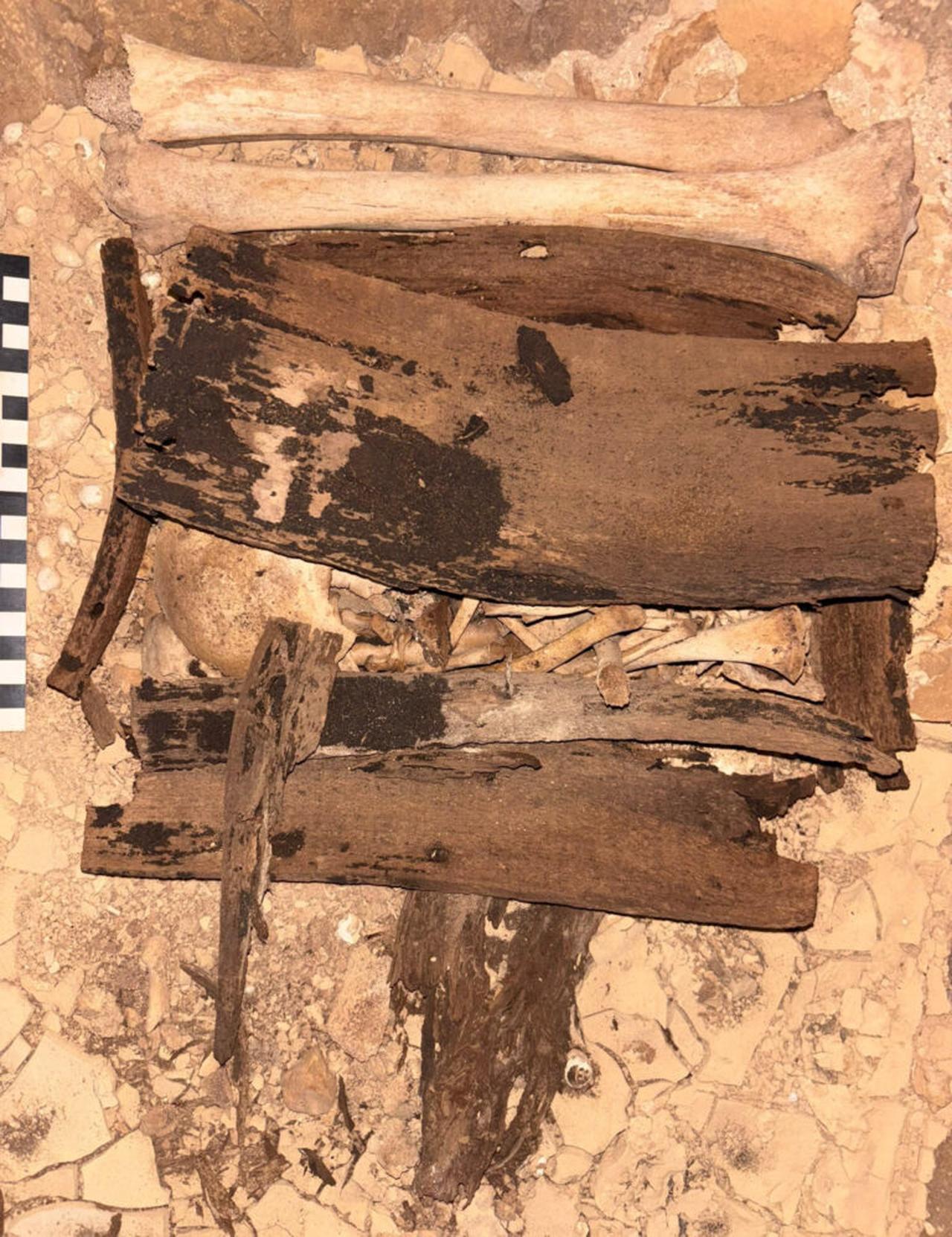
Beyond the discovery of the burial structures themselves, archaeologists hope the human remains and coffins will shed light on the lives of people who inhabited Jericho during the Roman period.
Zaghl explained that examining the tombs could help researchers piece together ancient funeral ceremonies, burial customs and social practices.
Further analysis of the skeletons may also provide clues about the social standing, lifestyles and living conditions of the individuals buried at the site.
The discoveries could add to existing archaeological evidence from Roman-era locations in Jericho, including Tel Abu al-Alayiq and Duq Castle.
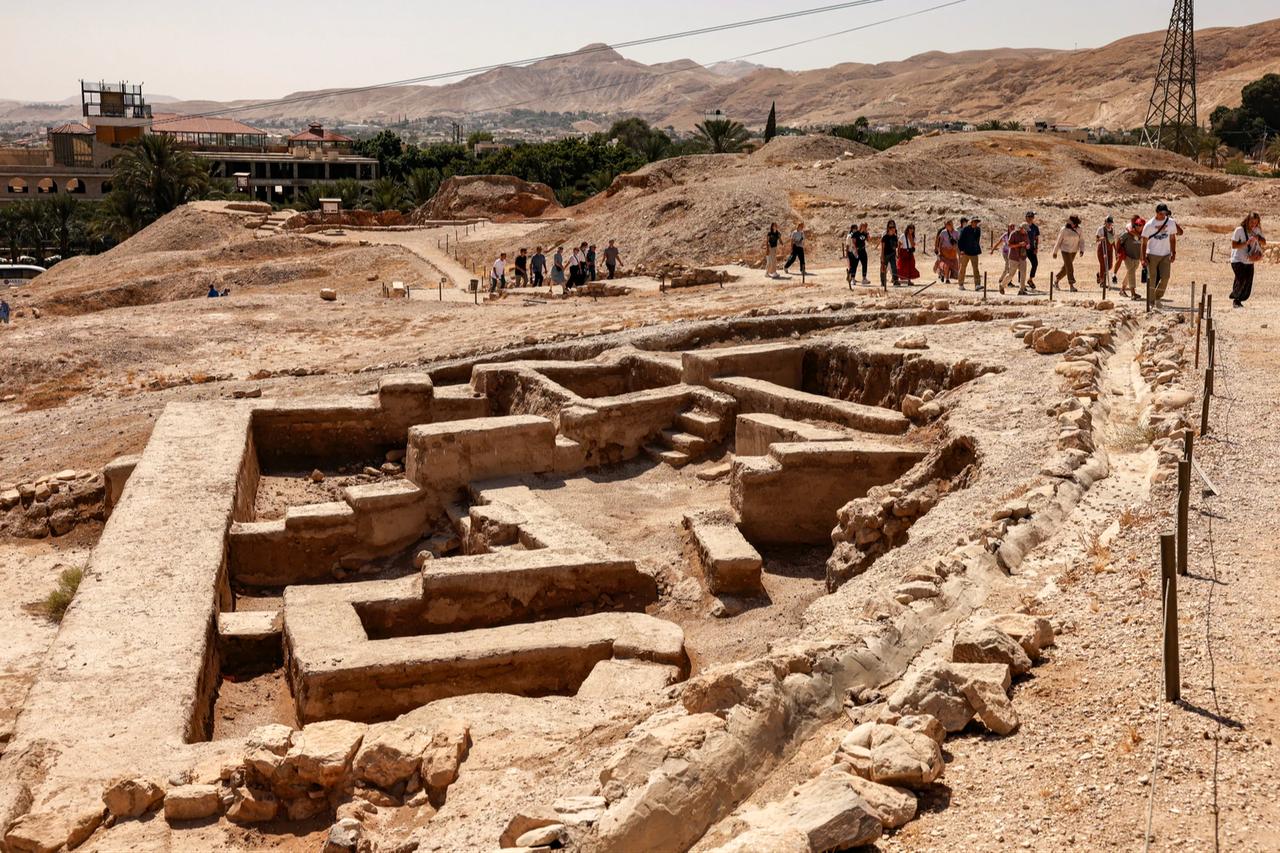
Jericho, located in the eastern occupied West Bank, is considered one of the world's oldest cities, with evidence of human settlement stretching back to prehistoric times.
The Palestinian city is home to archaeological landmarks associated with different civilizations, including Tel es-Sultan, Hisham ibn Abd al-Malik Palace, Tel Abu al-Alayiq and Duq Castle.
As Palestinian and Italian specialists continue excavation and documentation work at Khirbet es-Seniye, identifying the cemetery's boundaries and studying its contents could uncover further details about Jericho's ancient inhabitants.


 Set as preferred source
 Set as preferred source


 1 min read
 1 min read