Newsletters


Christopher Nolan's film adaptation of Homer's epic "The Odyssey" has reignited a debate that has run for centuries: was the ancient poet born in what is now Türkiye?
Ancient texts, coins, and a rediscovered statue trace a memory of Homer preserved for nearly three millennia in the Aegean city once known as Smyrna, today's Izmir.
Ancient historians Herodotus, Strabo, and Pausanias each described Homer as a native of Smyrna, the classical name for Izmir.
Their accounts, written centuries after the poet is believed to have lived in the 8th century BC, form the earliest written thread connecting him to the Aegean coast, long before any physical evidence was found.
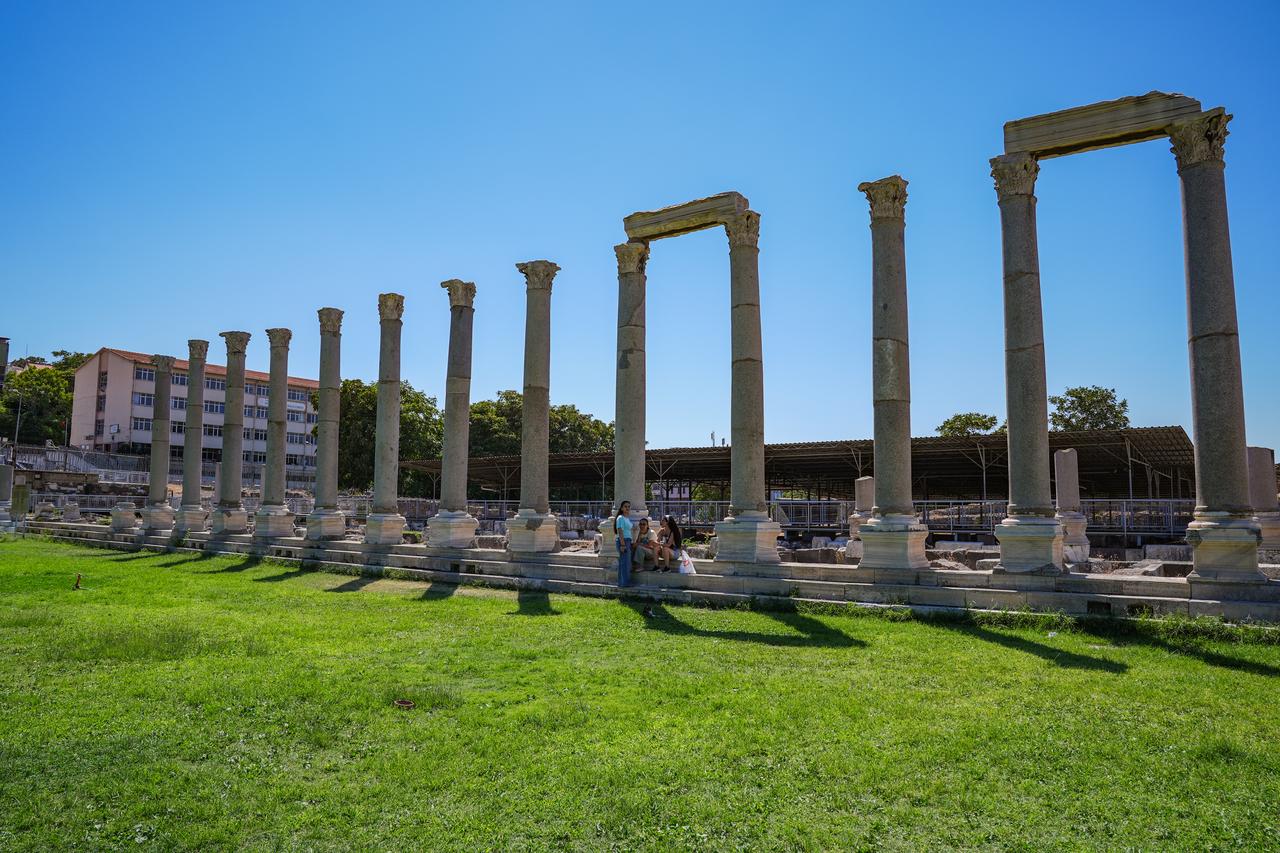
Homer was also known as Melesigenes, meaning "born of Meles" or "son of Meles," a name tied to the Meles River that still runs through Izmir
Scholars point to this alternate name as one of the clearest textual links between the poet and the ancient city he was said to have called home.
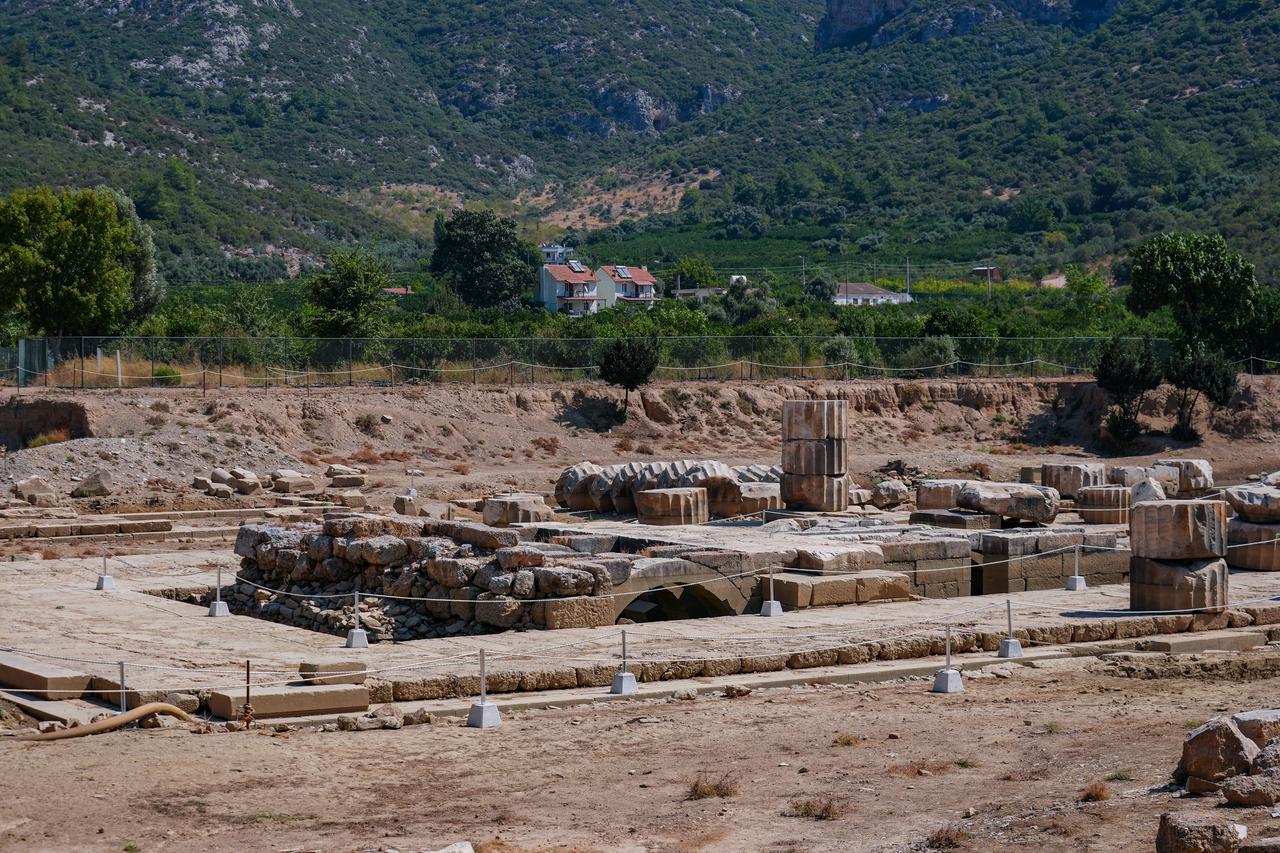
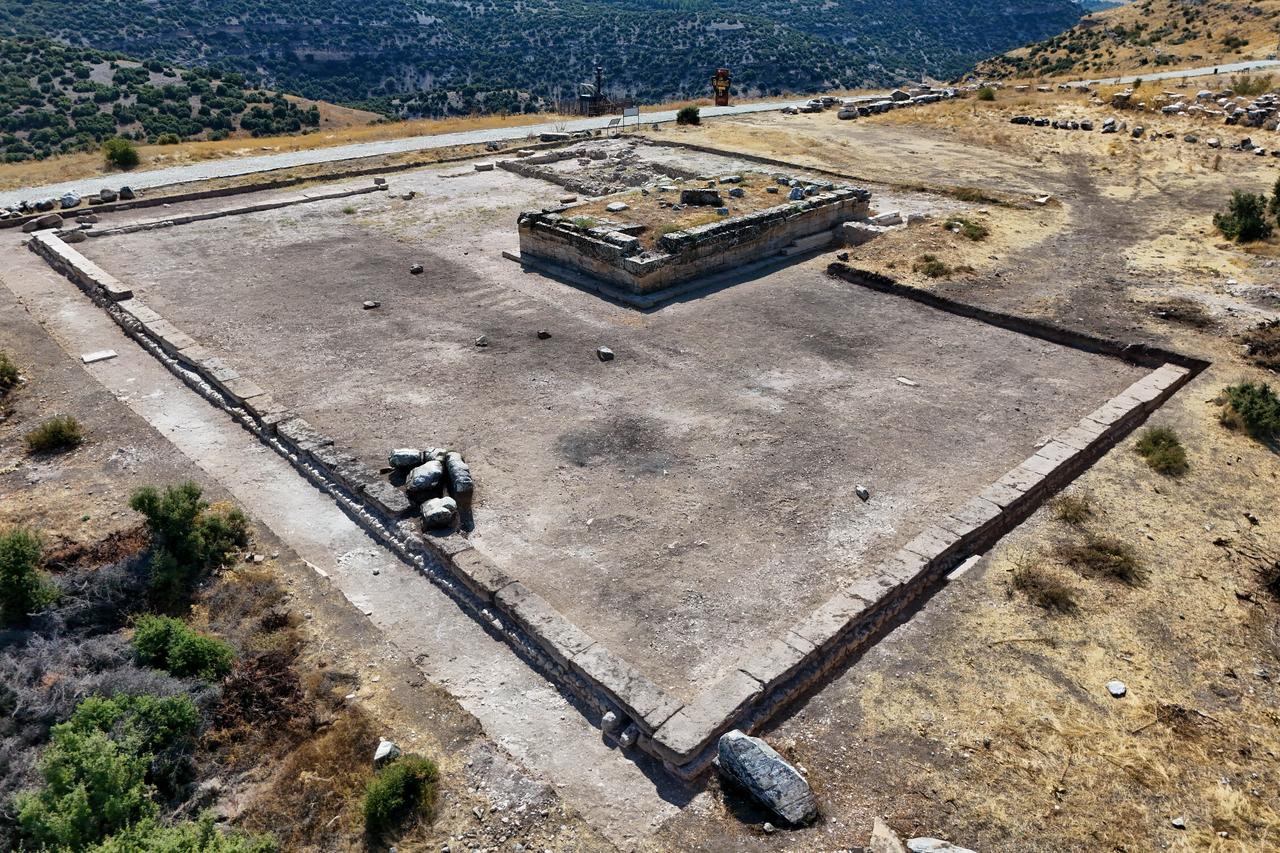
The Iliad and the Odyssey blend Ionic and Aeolic dialects, a linguistic mix scholars trace to ancient Smyrna's location at present-day Bayrakli.
The settlement sat directly on the boundary between the two cultures, founded first as an Aeolic city before later joining the twelve cities of the Ionian League.
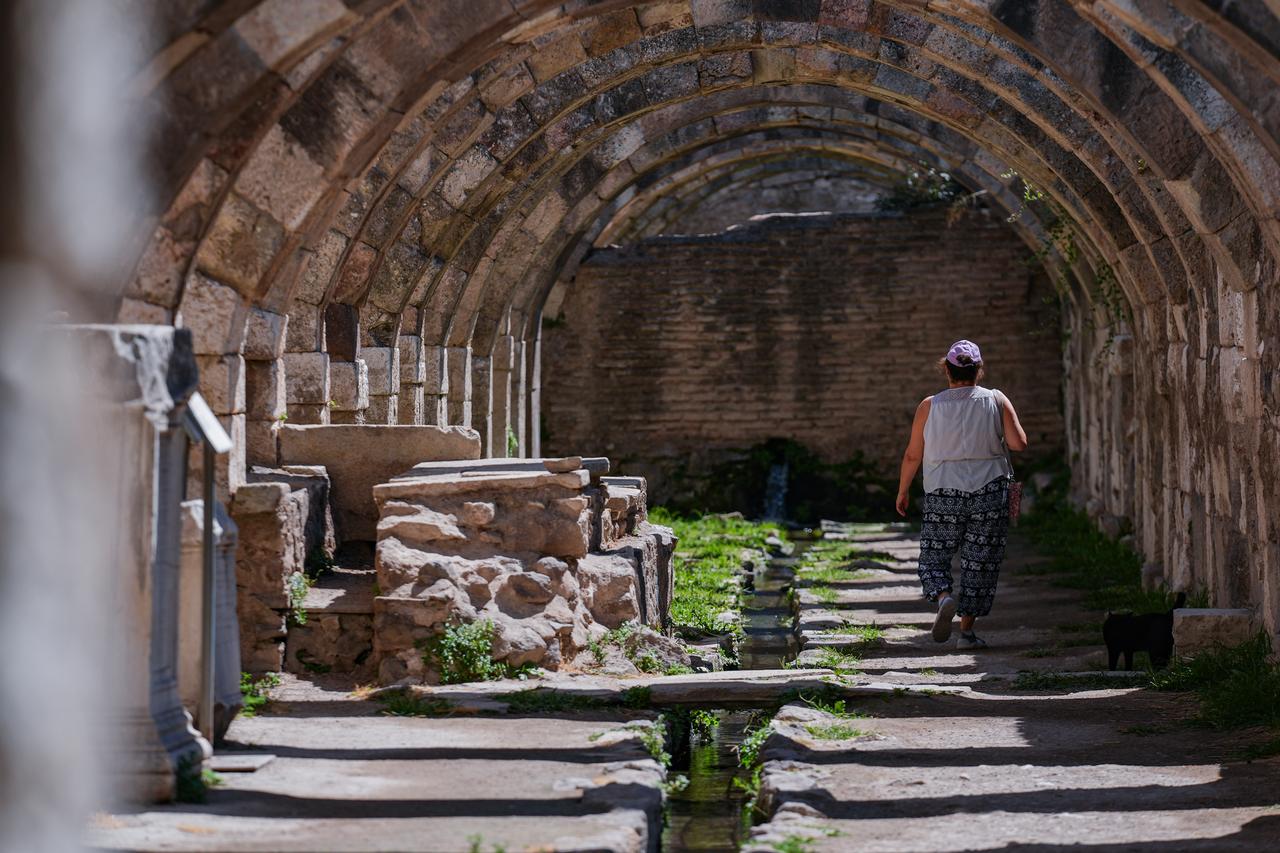
Professor Aylin Umit Erdem of Ege University, who leads excavations at the Bayrakli mound, says no direct archaeological evidence confirms Homer lived or was born in Smyrna.
Still, she says the surviving historical record makes it plausible to imagine the poet walking the ancient city's streets and looking out over the Gulf of Izmir.
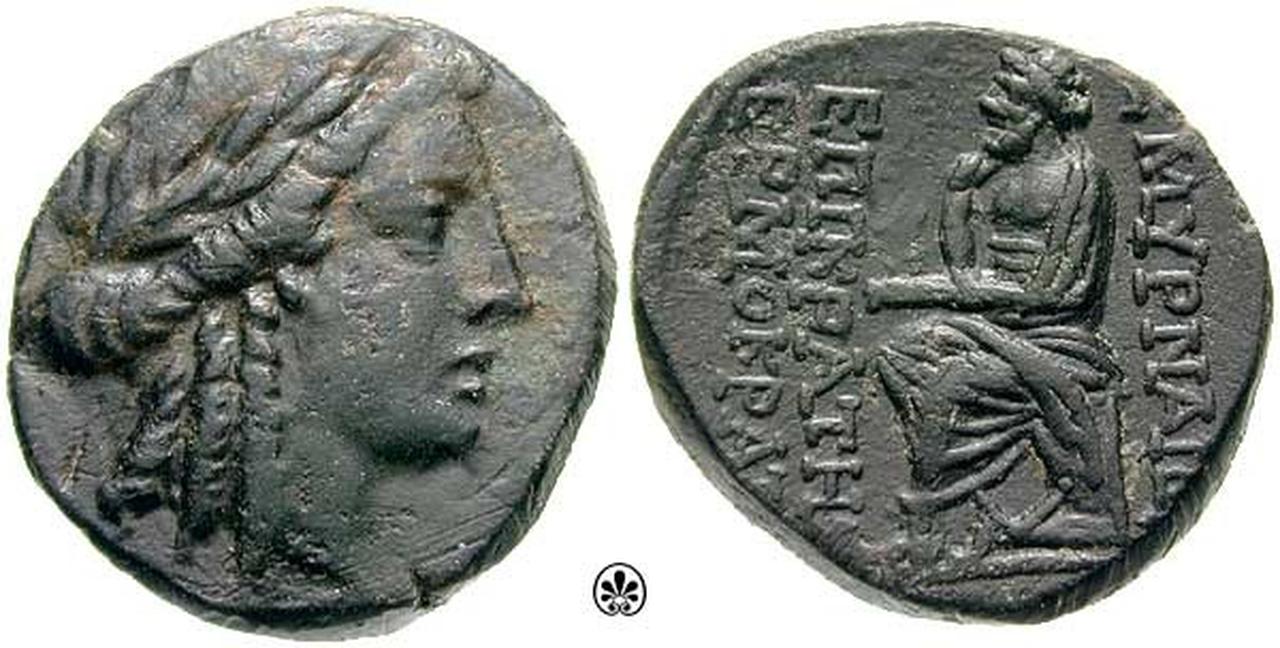
Smyrna coins minted from the 2nd century BC onward carry a relief portrait of Homer, among the earliest physical evidence of the city's association with the poet.
The imagery placed him in Smyrna's daily economic life, embedding his memory in the coinage that circulated across the ancient city.
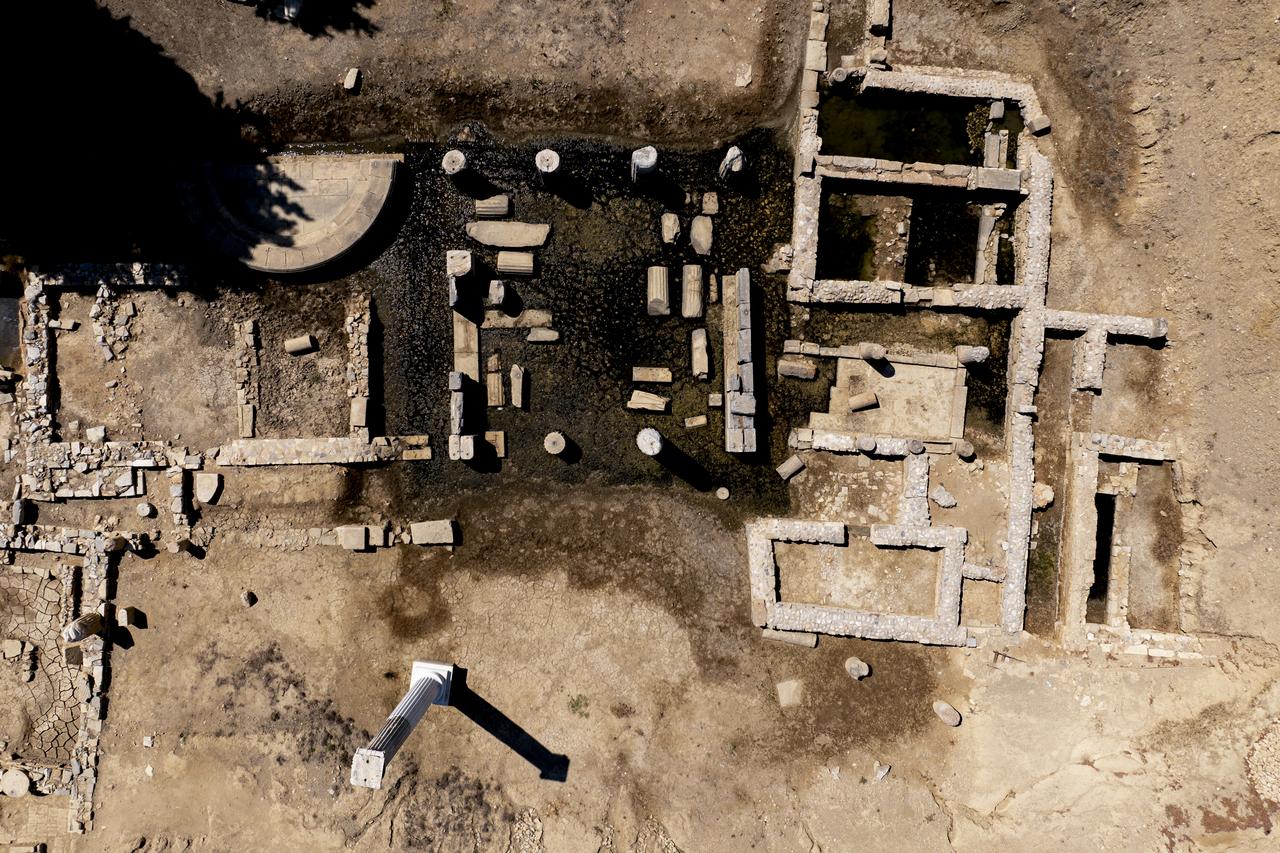
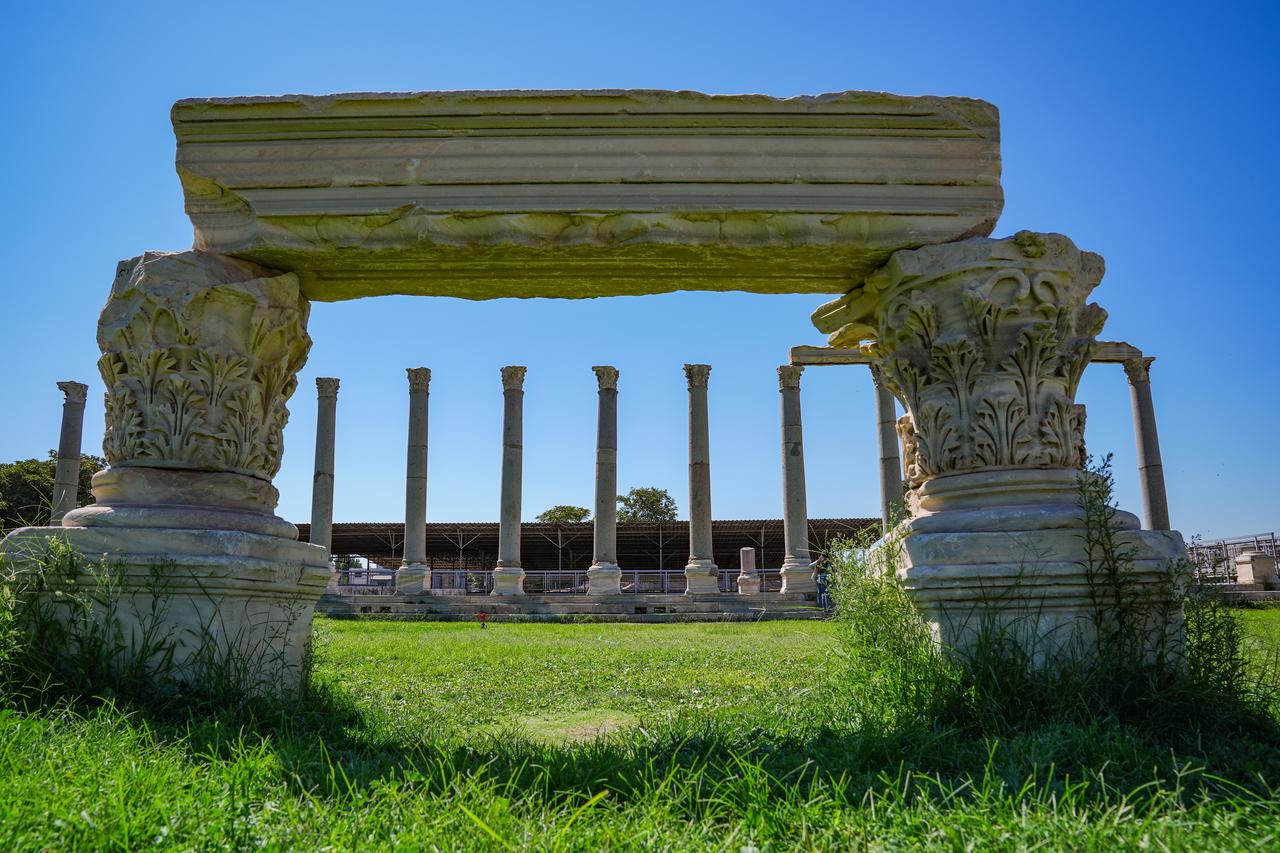
The ancient geographer Strabo described a structure in Smyrna called the Homerium, a colonnaded building he associated with the poet.
Professor Akin Ersoy of Izmir Katip Celebi University says the building may have functioned as a gathering place, library, or association for poets honoring Homer's legacy.
Roman-era coins struck under the Severan dynasty depicted Homer holding scrolls representing the Iliad and the Odyssey.
Roman intellectual Cicero also linked the poet to Smyrna in a speech before the Senate, extending the association well beyond the Aegean world and into the heart of the Roman Republic.
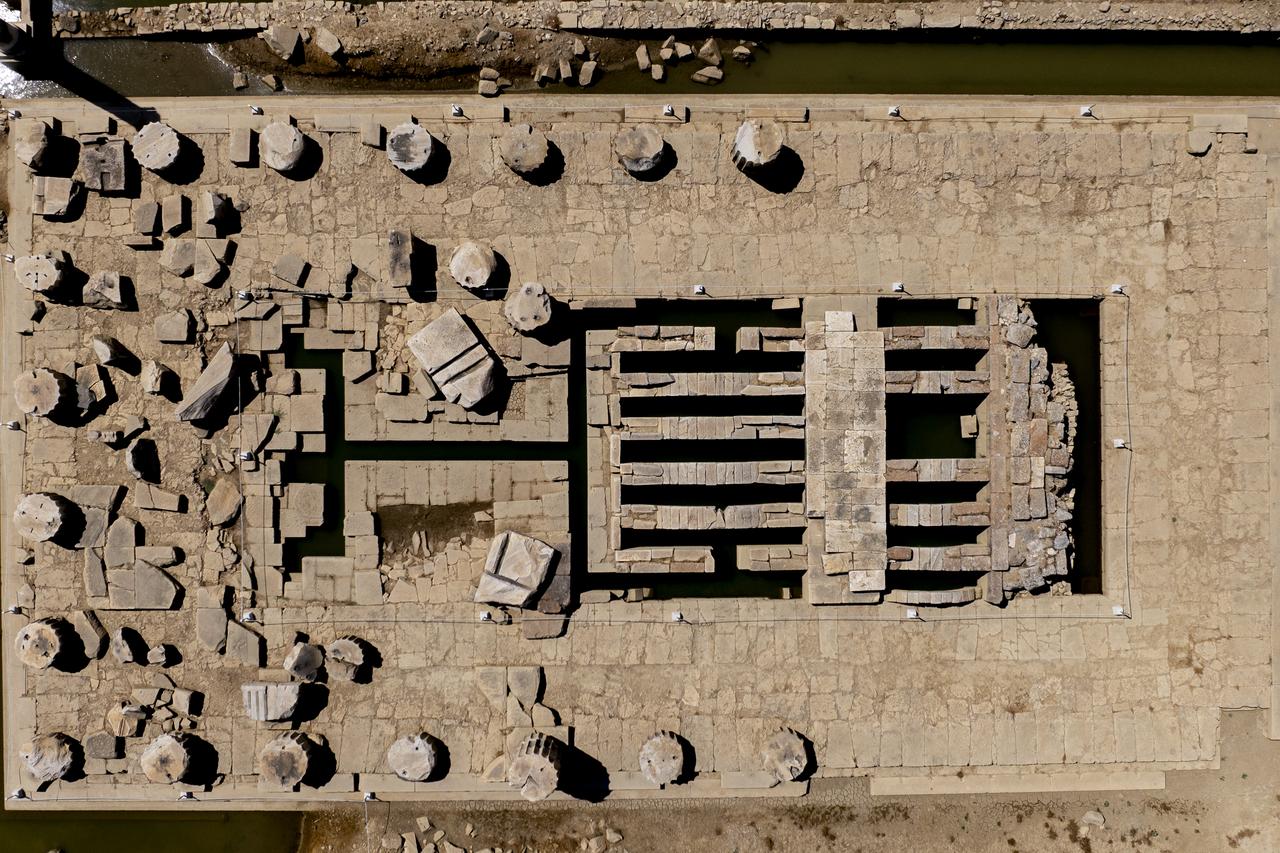
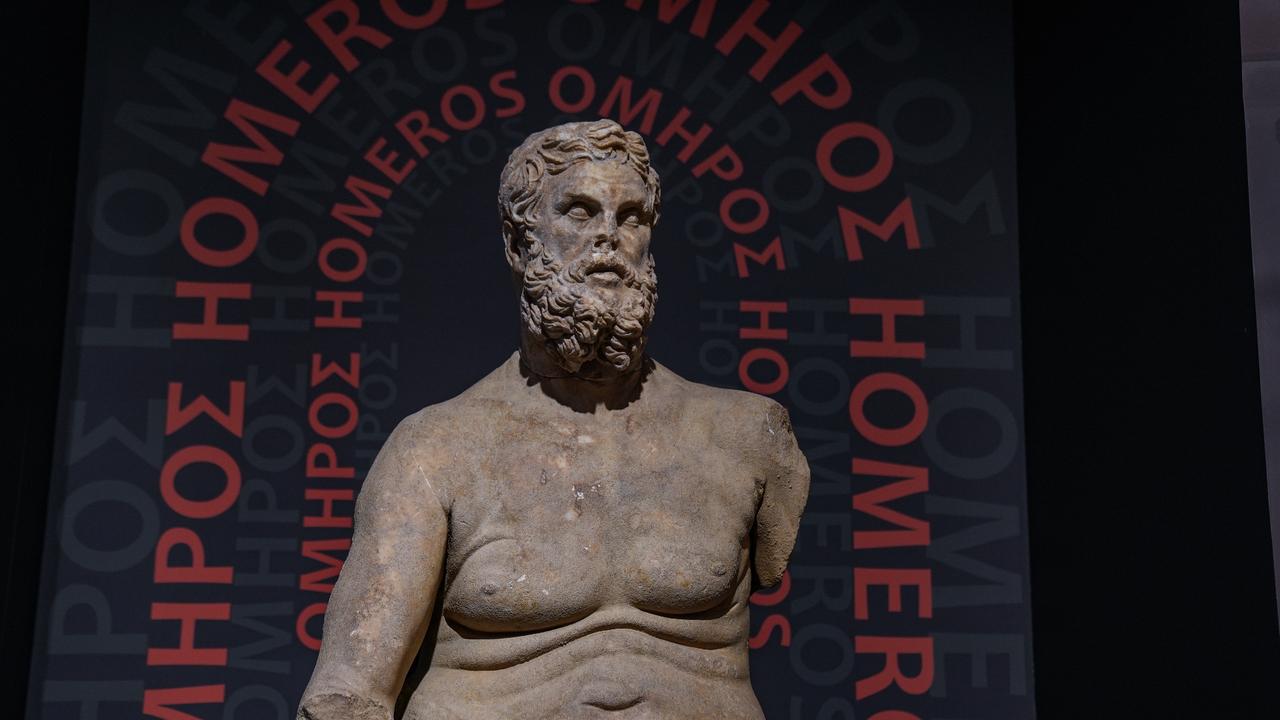
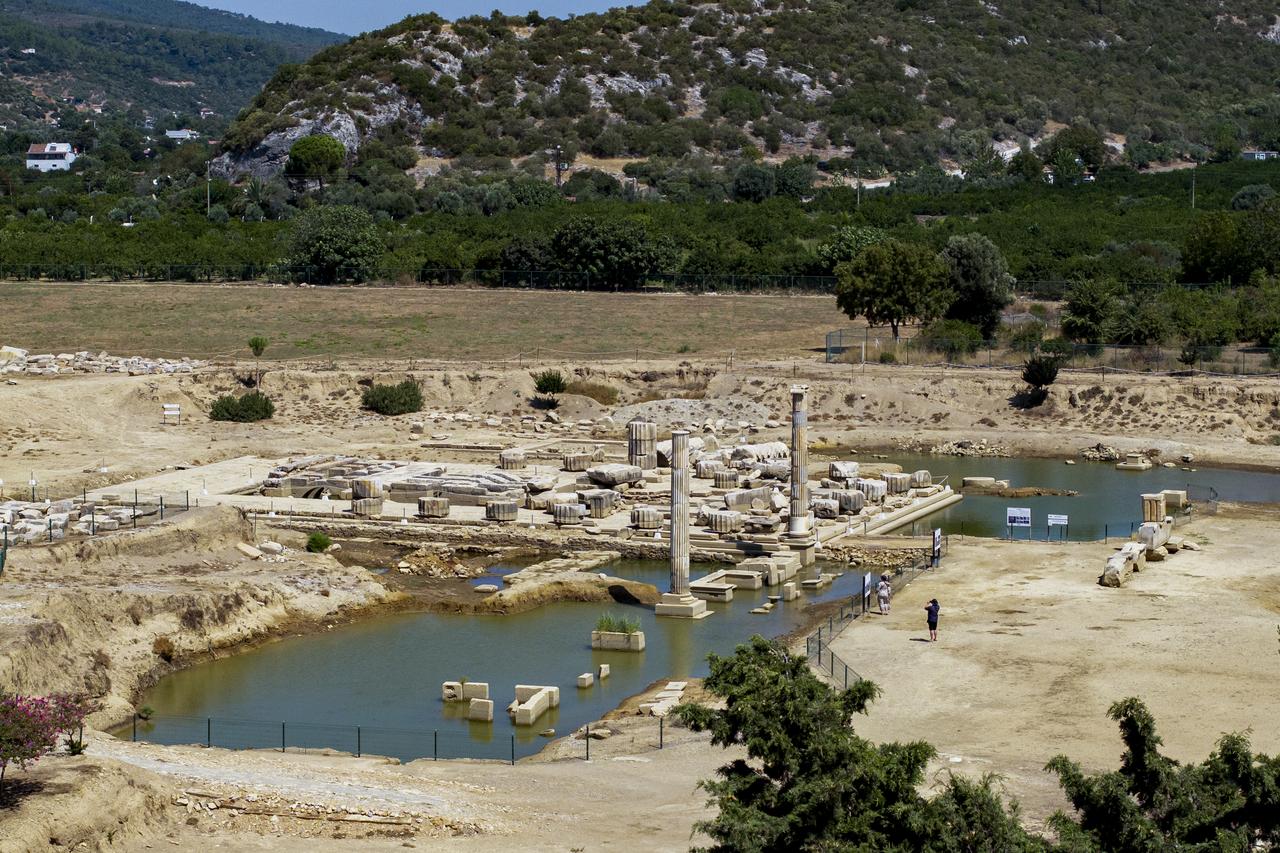
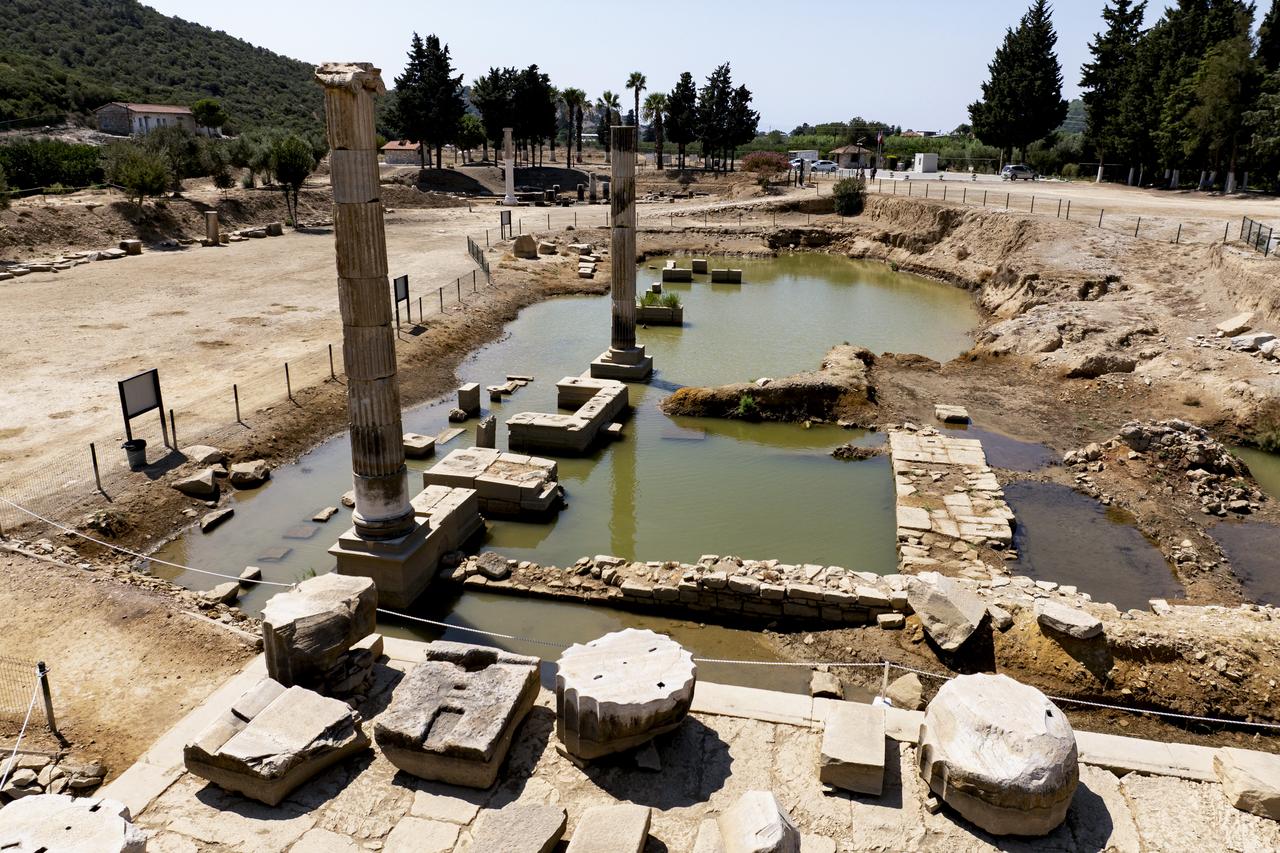
Excavations at the Klaros sanctuary uncovered two fragments of a seated Homer statue's body in 1952, with the head surfacing decades later in 1993.
Archaeologists confirmed the pieces belonged to the same sculpture, and the reassembled statue first went on public display in 2004.
The Klaros Homer statue is now housed at the Archaeology and Ethnography Museum inside the Izmir Culture and Arts Factory.
Excavation head Onur Zunal notes it was produced in the same period and workshop as cult statues of Apollo, Artemis and Leto, a detail he says points to the poet's near-divine status in antiquity.

 1 min read


 Set as preferred source