Newsletters




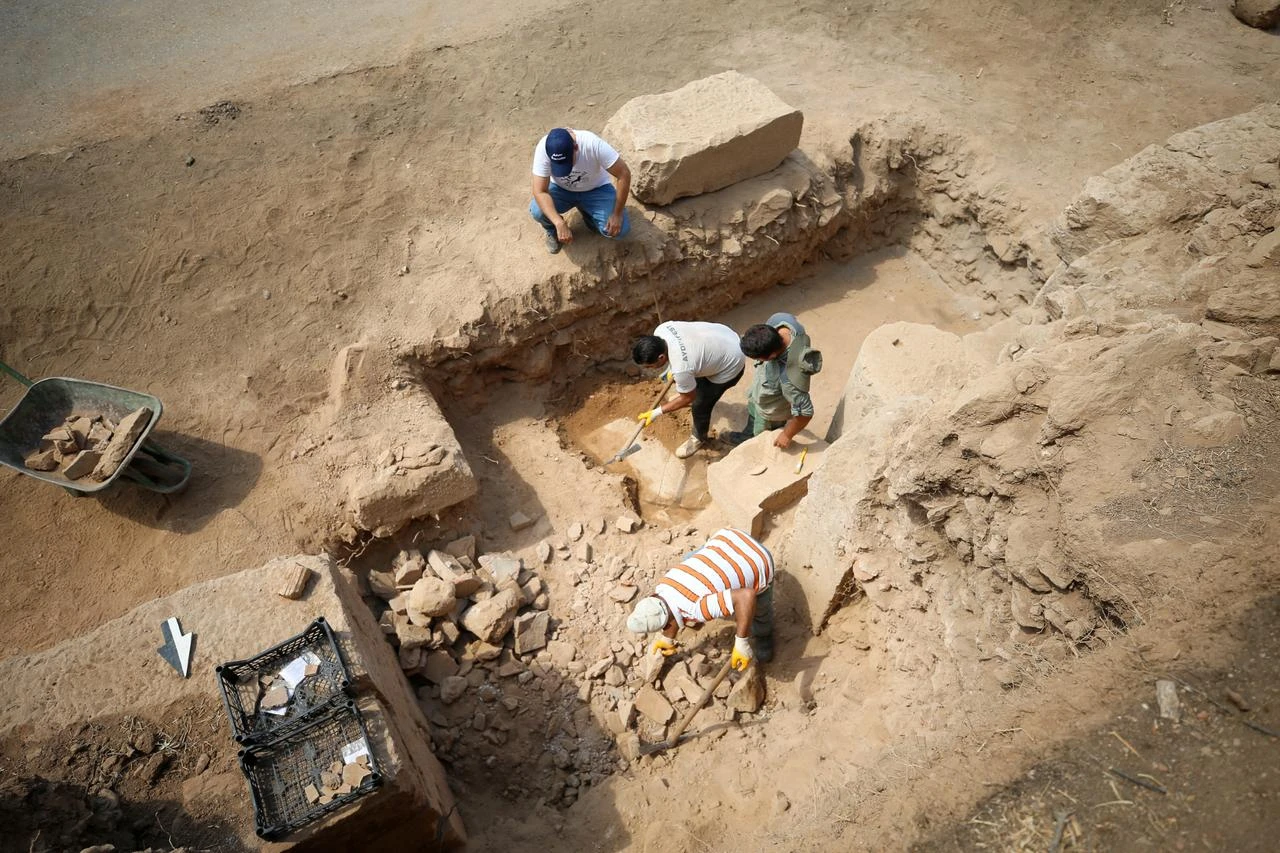
Recent archaeological excavations at the acropolis of Amphipolis, one of northern Greece’s most prominent ancient cities, has brought to light compelling evidence of a cult center dating back to the Classical period. Finds uncovered in the heart of the site point to ritual practices linked to a female deity and shed new light on the religious life of the city in the fourth century B.C.
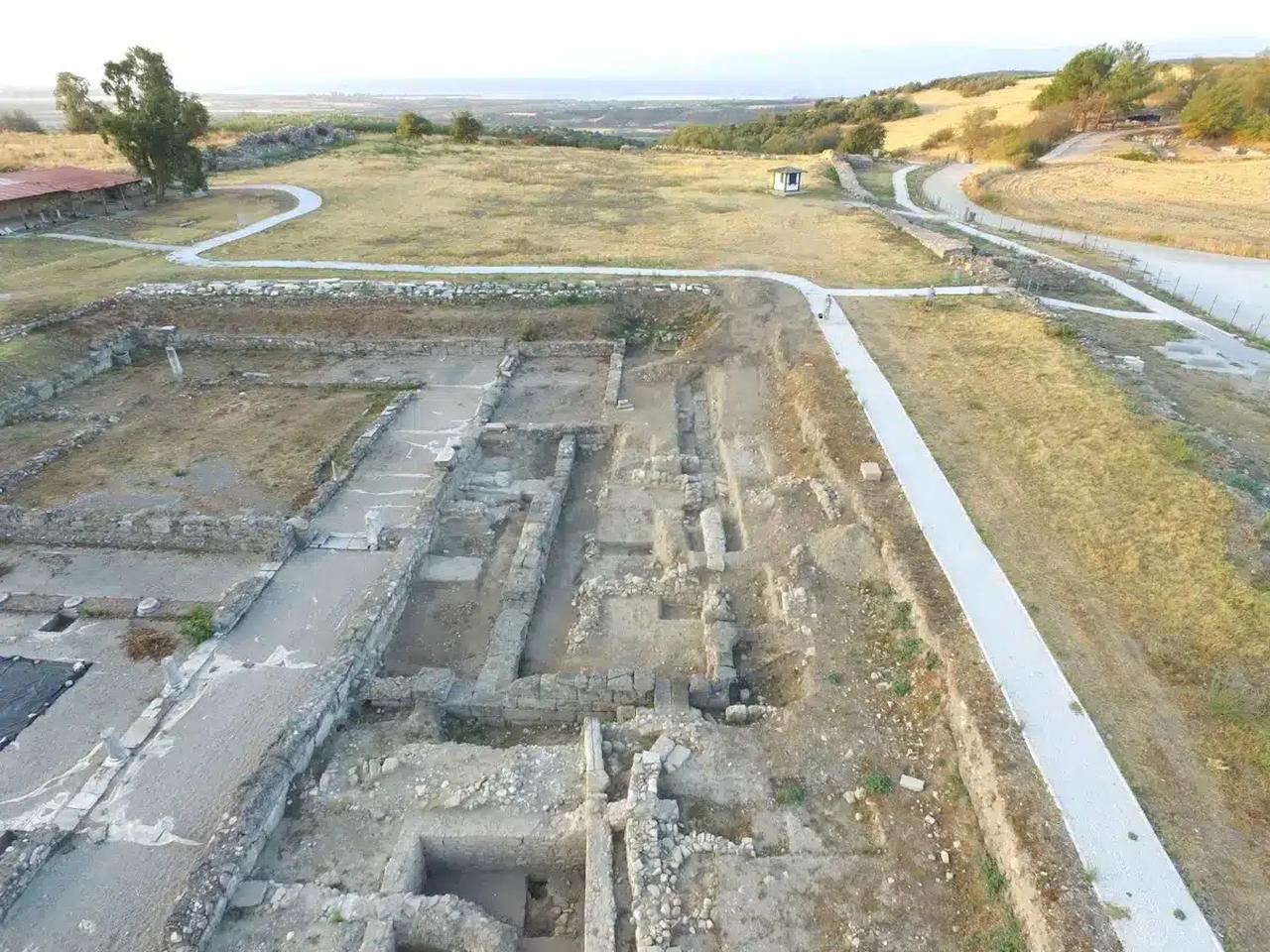
Speaking at the annual scientific conference held in Thessaloniki, Dimitris Damaskos, Professor of Classical Archaeology at the University of Patras, went over the results of the most recent excavation season. He explained that work in 2024 had focused on the area west of Early Byzantine Basilica III, where archaeologists brought to light part of a long, rectangular building.
Although only the western section of the structure has survived, as the rest was damaged during the construction of the basilica centuries later, the preserved walls were described as solid and carefully built. Their lower courses consist of large, well-cut mudbrick blocks, suggesting a substantial original construction. Based on the material evidence, the first phase of the building has been dated to the fourth century B.C.
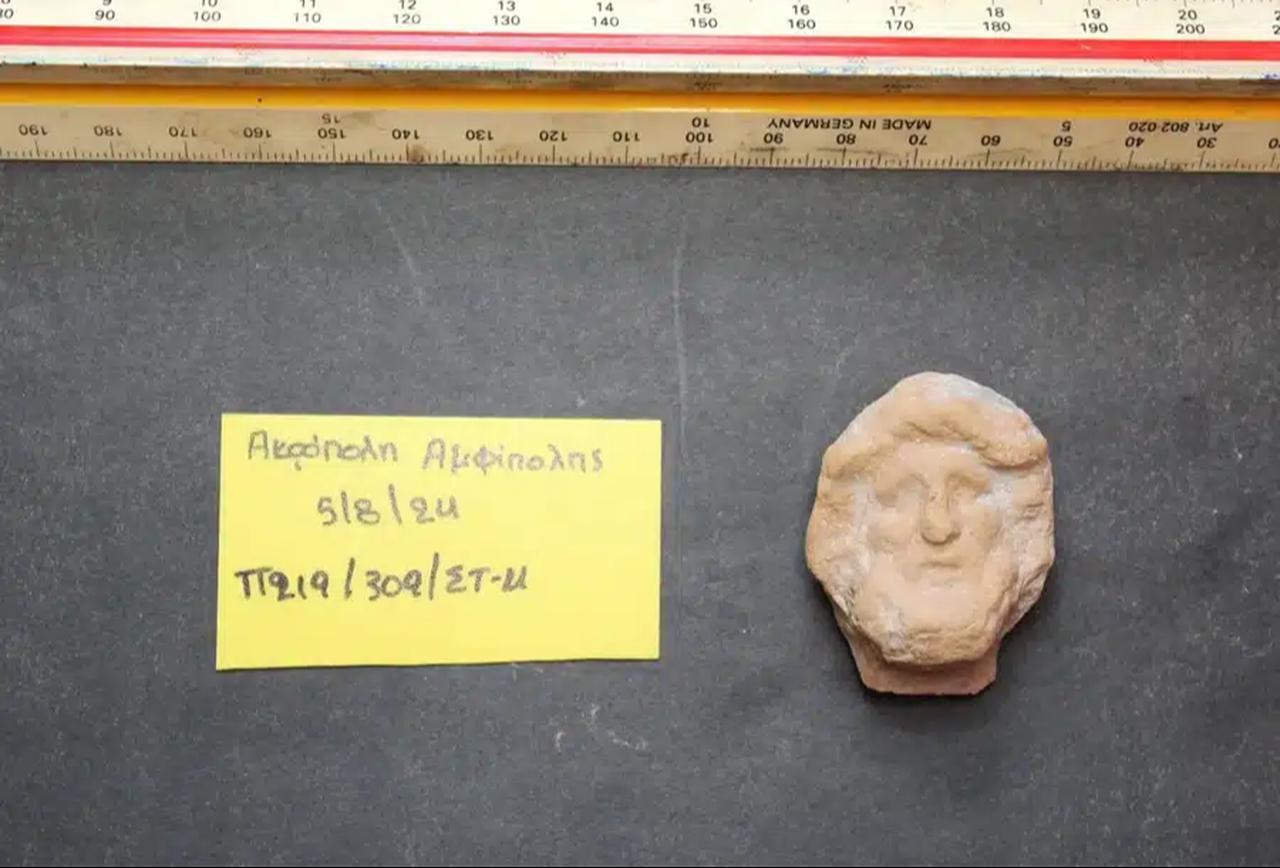

The most striking discoveries from the latest campaign include a tooth belonging to a child in early adolescence, a small bull figurine pierced through its body and preserved intact, and a small terracotta relief head of Asklepios, the ancient Greek god associated with healing and medicine.
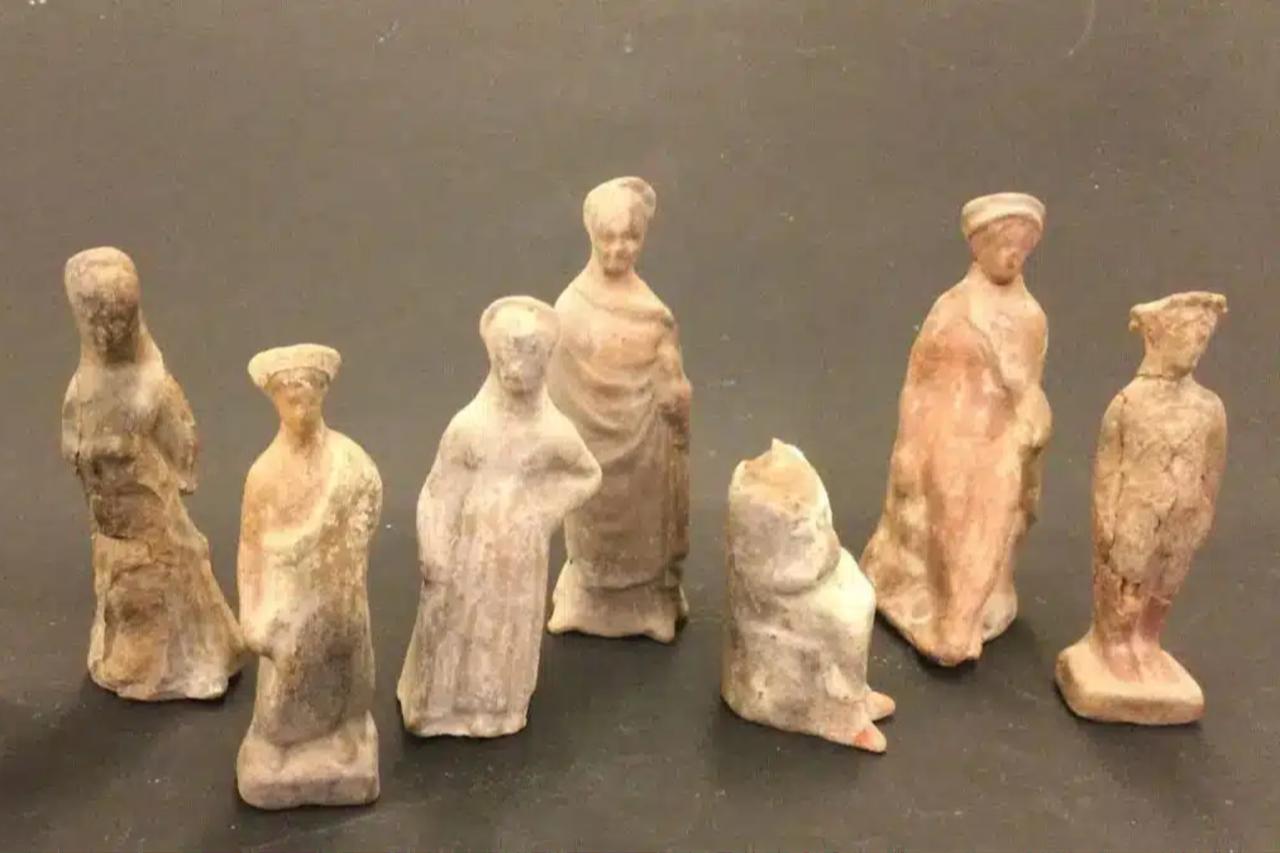
Damaskos noted that the range and density of finds were particularly revealing. Terracotta female figurines, womb-shaped votive objects, seashells, and animal bones were all found together in a charcoal-rich layer. Taken as a whole, this combination strongly suggests that the area was used for cult practices rather than domestic or industrial activity, an interpretation that also fits with evidence recovered in earlier excavation seasons.
According to Damaskos, the excavation points to a cult building that was rebuilt during the fourth century B.C. and was likely dedicated to a female goddess. This conclusion is based on the portable finds, especially the concentration of female figurines, as well as other indicators linked to ritual behavior.
Among the finds was a torso identified as belonging to Artemis, although its condition does not allow for precise dating. Even so, material recovered from fill layers in 2019 and 2022 has already suggested that the site was connected to Artemis, the goddess of the hunt, nature, and transitions in life.
Several objects strengthen the link to Artemis Tauropolos, a specific aspect of the goddess associated with the protection of young girls as they moved toward adulthood. An equine bust and an oyster shell, both found in the area, are commonly connected with this cult form. In addition, the large number of oyster shells discovered to the west of the structure supports this interpretation.
For international readers, it is worth noting that oysters in this context are not food waste in the modern sense. They are thought to have symbolized the onset of menstruation and fertility, and may have been left behind by young girls after ritual meals marking important stages in their lives.
The child’s tooth, an object rarely found outside a burial context, was interpreted as a votive offering to a protective goddess rather than as evidence of a grave.
The small terracotta head of Asklepios can also be explained within the Artemis cult framework. As Damaskos pointed out, Artemis was the sister of Apollo, who in myth was the father of Asklepios, and the two deities often appeared together in religious settings.
This connection is supported by earlier discoveries in Amphipolis. In excavations of a large ancient house near the acropolis, marble body fragments of Artemis and Asklepios from the Hellenistic period were found side by side. In addition, a terracotta figurine of Pan discovered last year in a layer containing carbonized fruit, together with the Asklepios indicator, further strengthens the case for sustained worship of the goddess in this area.
Amphipolis played a major role in ancient Greek and later Roman history, and its extensive remains are still visible today. Founded as an Athenian colony, the city became the setting of a famous battle between Spartans and Athenians in 422 B.C. It later served as a strategic base for Alexander the Great, who prepared his Asian campaigns there in 335 B.C.
Three of Alexander’s most important admirals, Nearchos, Androsthenes, and Laomedon, lived in Amphipolis. After Alexander’s death, his wife Roxana and his son Alexander IV were imprisoned and killed there in 311 B.C.
Excavations across the city and its surroundings have brought to light fortifications, public buildings, and tombs, many of which are displayed in the Amphipolis Archaeological Museum. Nearby landmarks include the Lion of Amphipolis monument and the massive Kasta Tumulus, discovered in 2012. Known internationally as the Amphipolis Tomb, it remains the largest burial mound found in the region and continues to attract interest, as the identity of the person buried there has yet to be established.


 Set as preferred source
 Set as preferred source


 3 min read