Newsletters


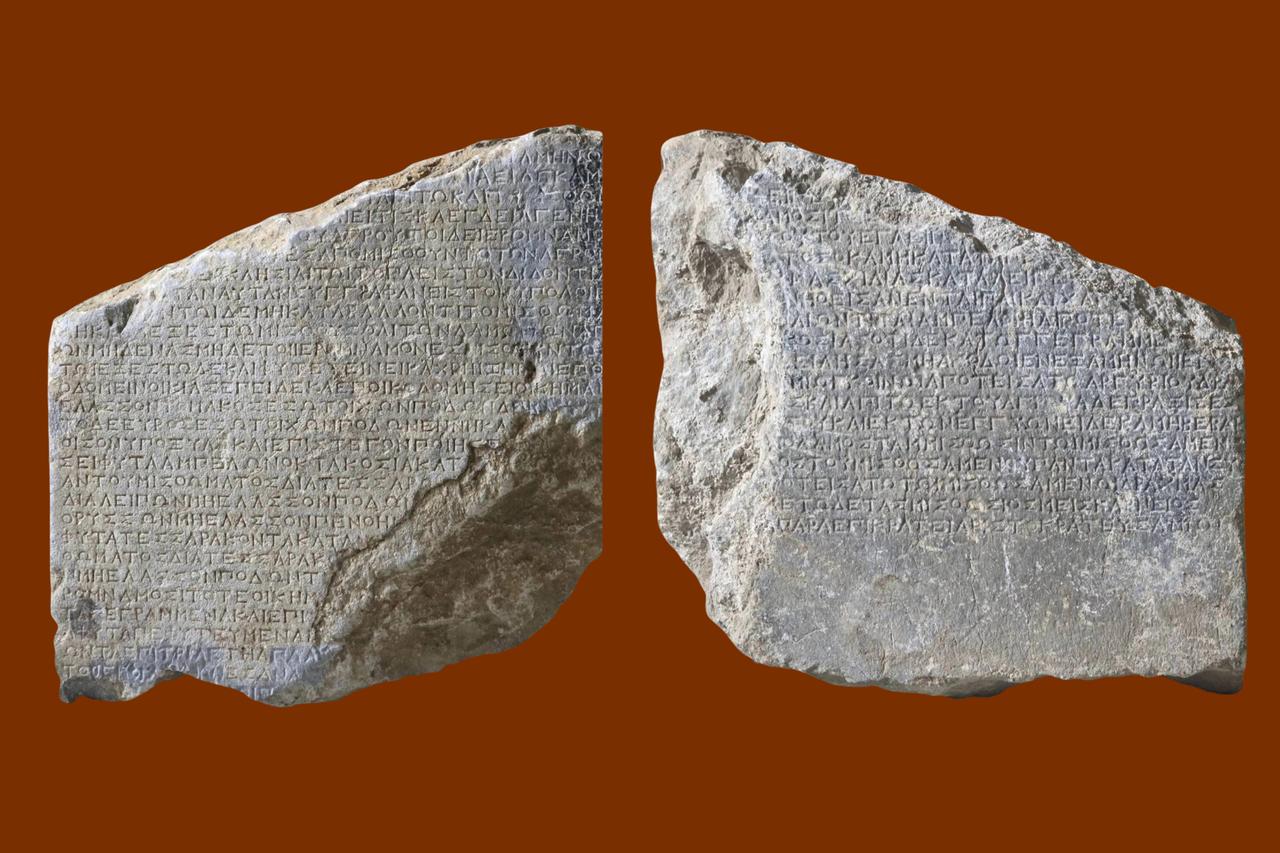


A newly identified inscription tied to the Ancient City of Amos in southwestern Türkiye has brought to light a detailed land lease contract dating to the 2nd century B.C., offering a rare glimpse into how agriculture and legal obligations were set out in the Hellenistic period.
The inscribed stele fragment was found during work on Knight Island near Fethiye and was placed under protection by the Fethiye Archaeology Museum Directorate. Following an epigraphic study, researchers determined that the piece belonged to the Ancient City of Amos in Marmaris. Written on both sides, the text was dated to around 220-200 B.C. and identified as a land rental agreement linked to the ancient city.
The inscription lays out not only annual rental payments but also the tenant's agricultural obligations in striking detail. According to the text, for every 100 drachmas in rent, the lessee was required to plant 800 vine saplings and 40 fig saplings.
The contract also spells out how deeply the saplings were to be planted, showing that the agreement went beyond simple payment terms and set down practical farming instructions as well. Alongside these provisions, the text includes penalty clauses and compensation rules, pointing to a legal framework that governed both cultivation and compliance.
Examination by Türkiye's General Directorate of Cultural Assets and Museums found that the inscription originally stood in the Apollo Samnaios sanctuary at Amos.
It was later transported in the medieval period to Knight Island, where it appears to have been used as ballast, or weight for stabilizing ships.
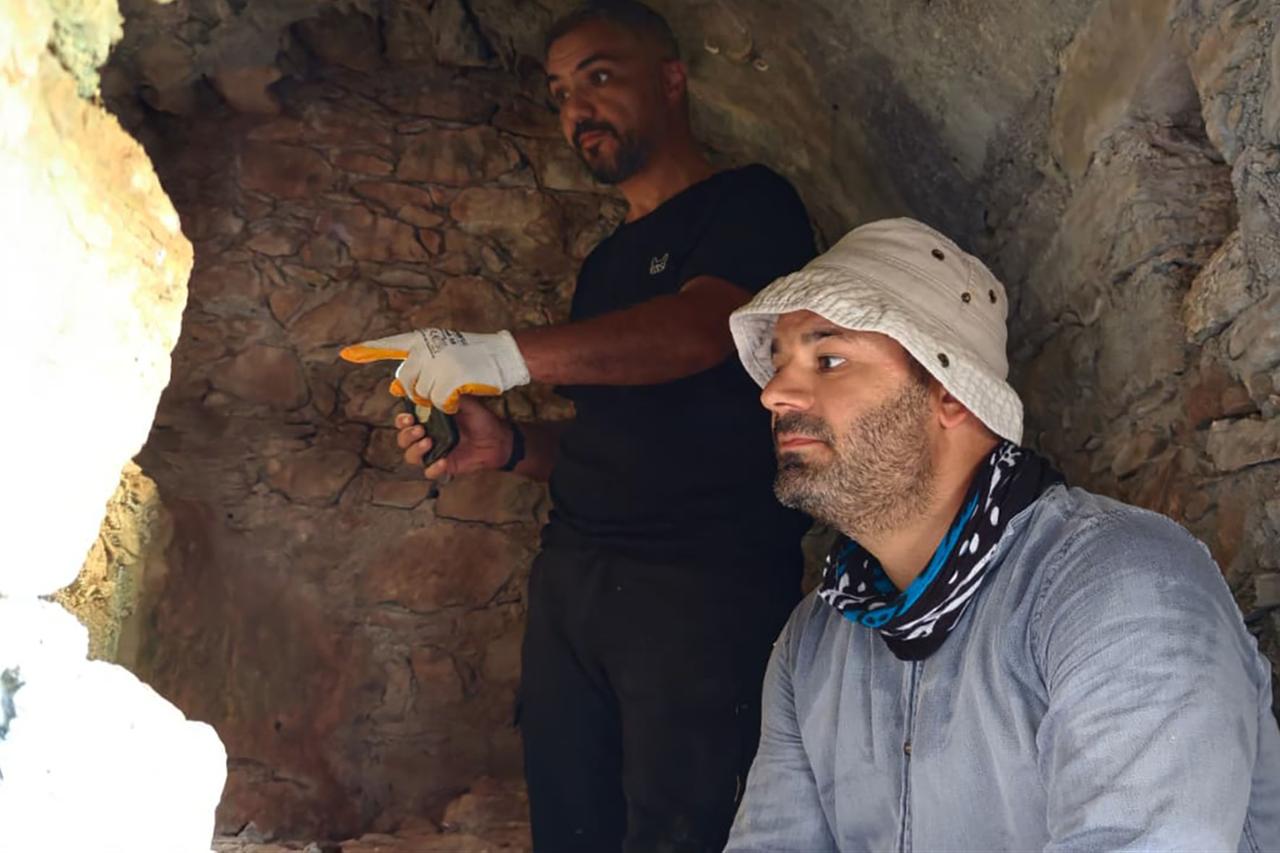
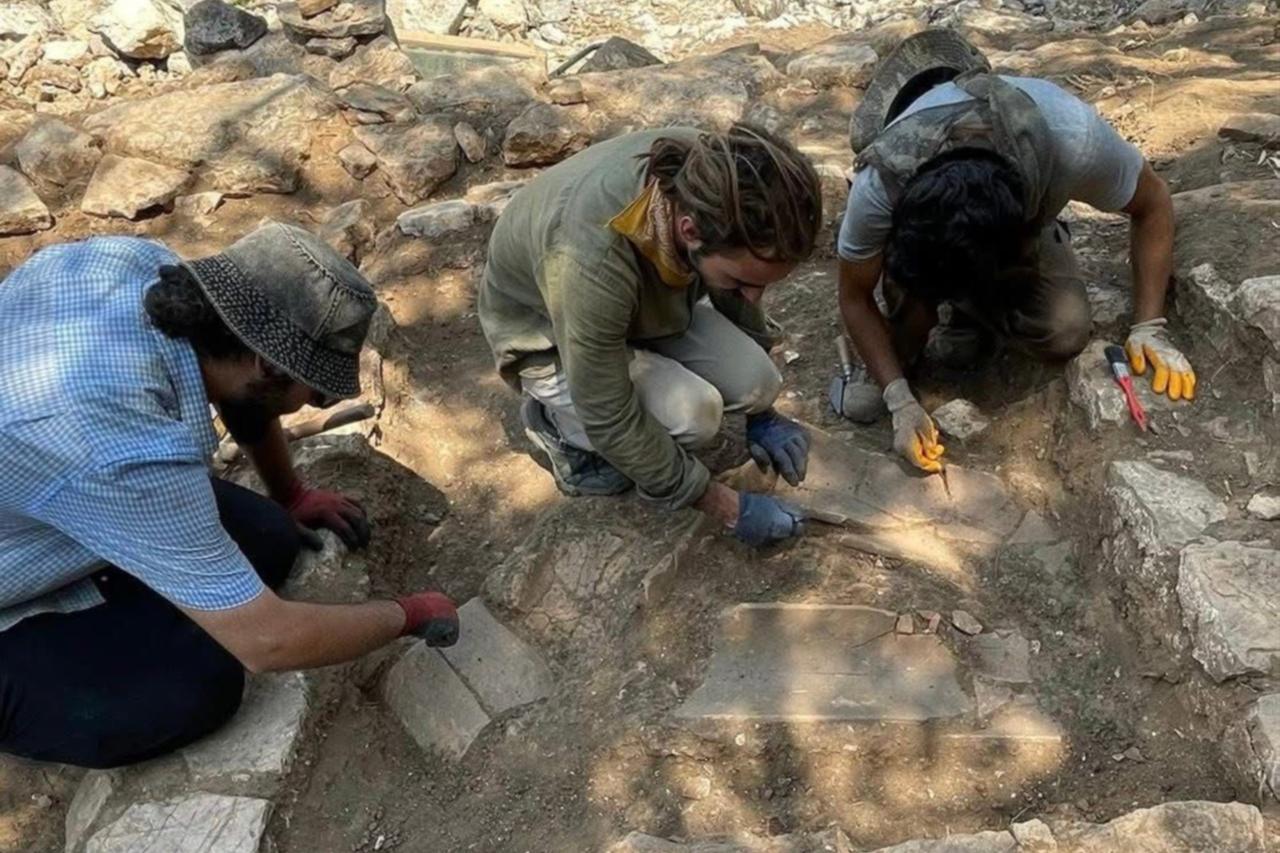
The statement also said excavation head Associate Professor Mehmet Gurbuzer and his team are continuing their work in hopes of uncovering further pieces belonging to the same contract group.


 Set as preferred source
 Set as preferred source


 1 min read

 1 min read