Newsletters


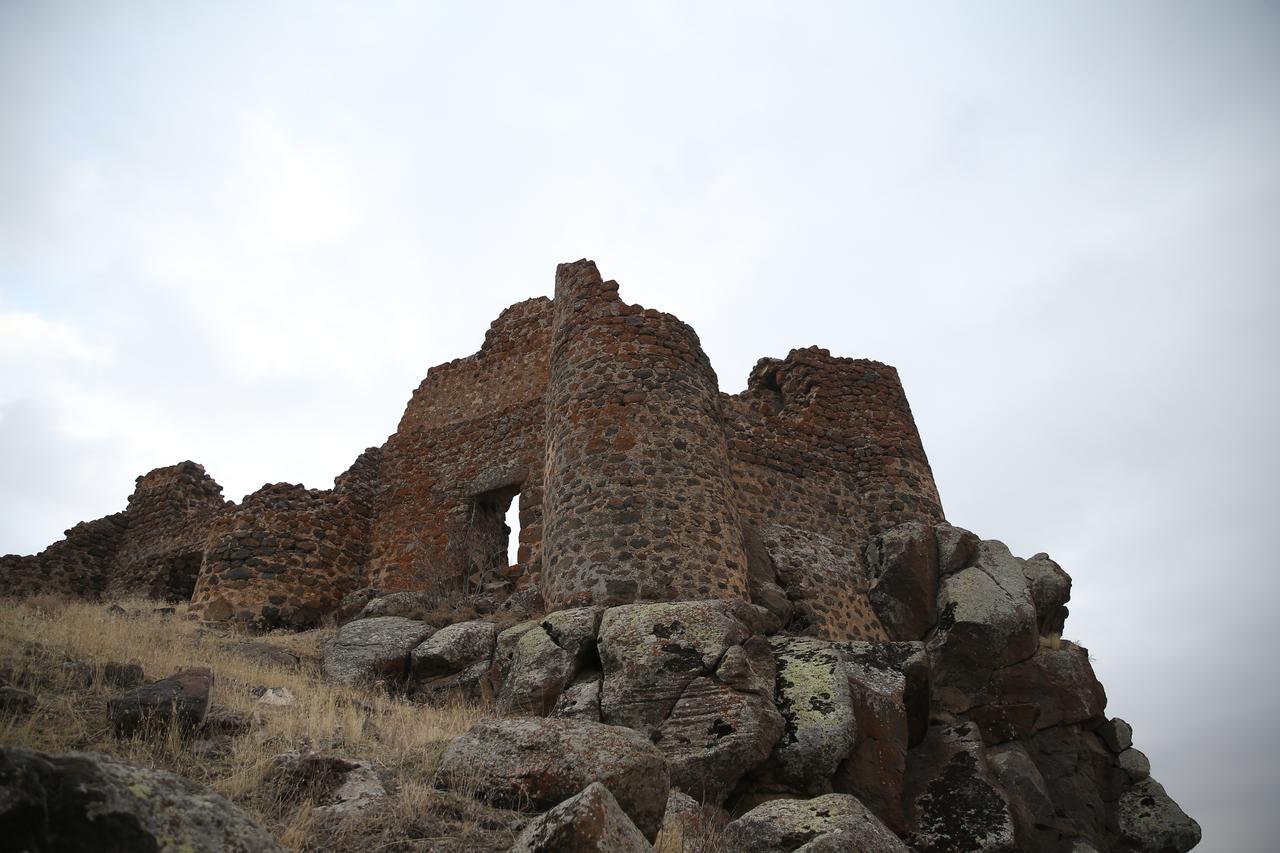


Rising above Murtaza village in Nigde, central Anatolia, the approximately 1,000-year-old Murtaza Castle continues to represent an important example of medieval military architecture.
Built on a massive rock formation at an altitude of about 1,830 meters, the castle is believed to date back to the Eastern Roman (Byzantine) period and to have served defensive and military purposes for centuries. Its monumental entrance gate, six bastions, and curtain walls have largely survived to the present day.
Following surface surveys conducted in 2009 by the Provincial Directorate of Culture and Tourism, the structure was registered in the Nigde Cultural Inventory.
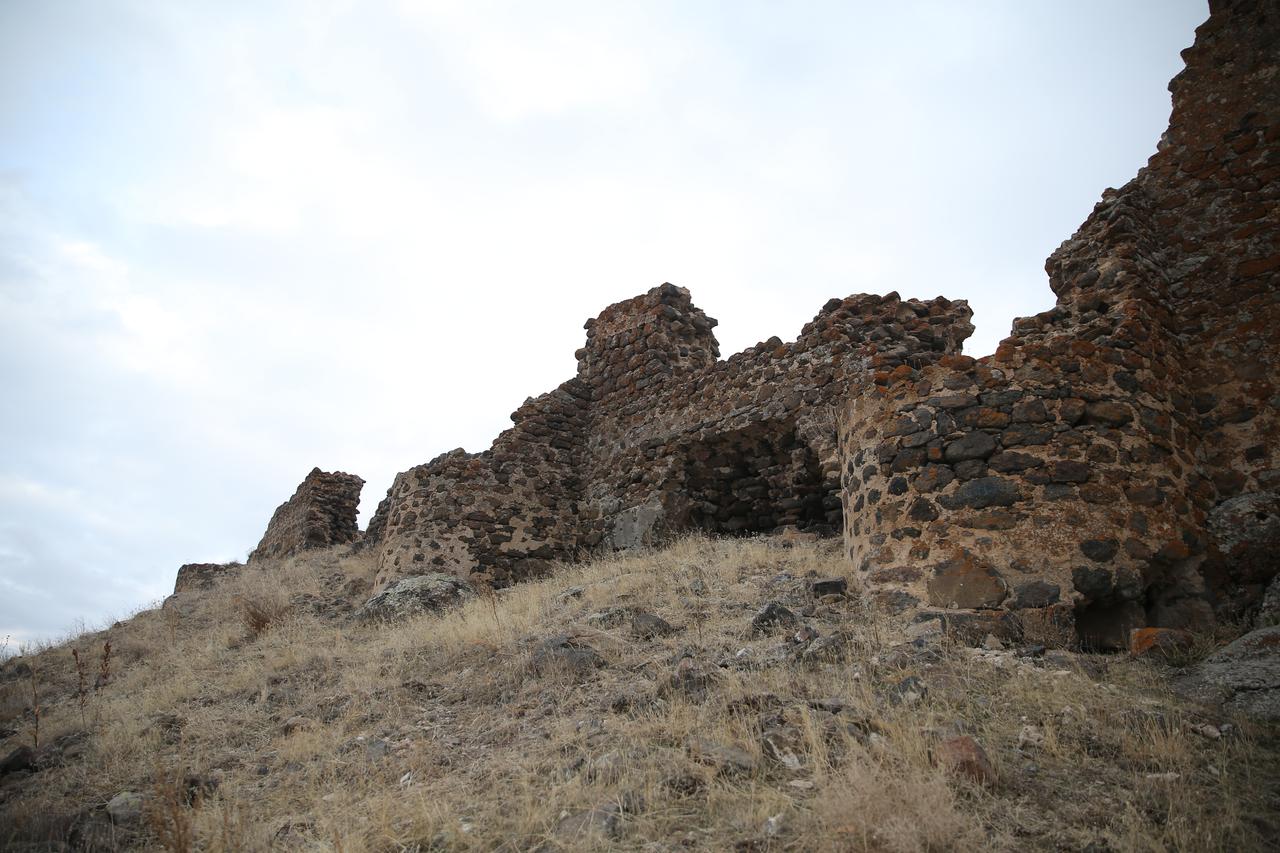

Archaeologist Mustafa Eryaman spoke to Anadolu Agency that the fortress is also known as “Andulus Castle.” He explained that Murtaza Castle was built on a dominant rock mass controlling a strategic passage leading to the Melendiz Plain.
According to Eryaman, the inner fortress was formed by constructing walls supported by six bastions on a natural rock rising approximately 60 meters. The walls, shaped along the western, southern and northern sides, reach an average height of 20 meters and were designed to resist possible attacks.
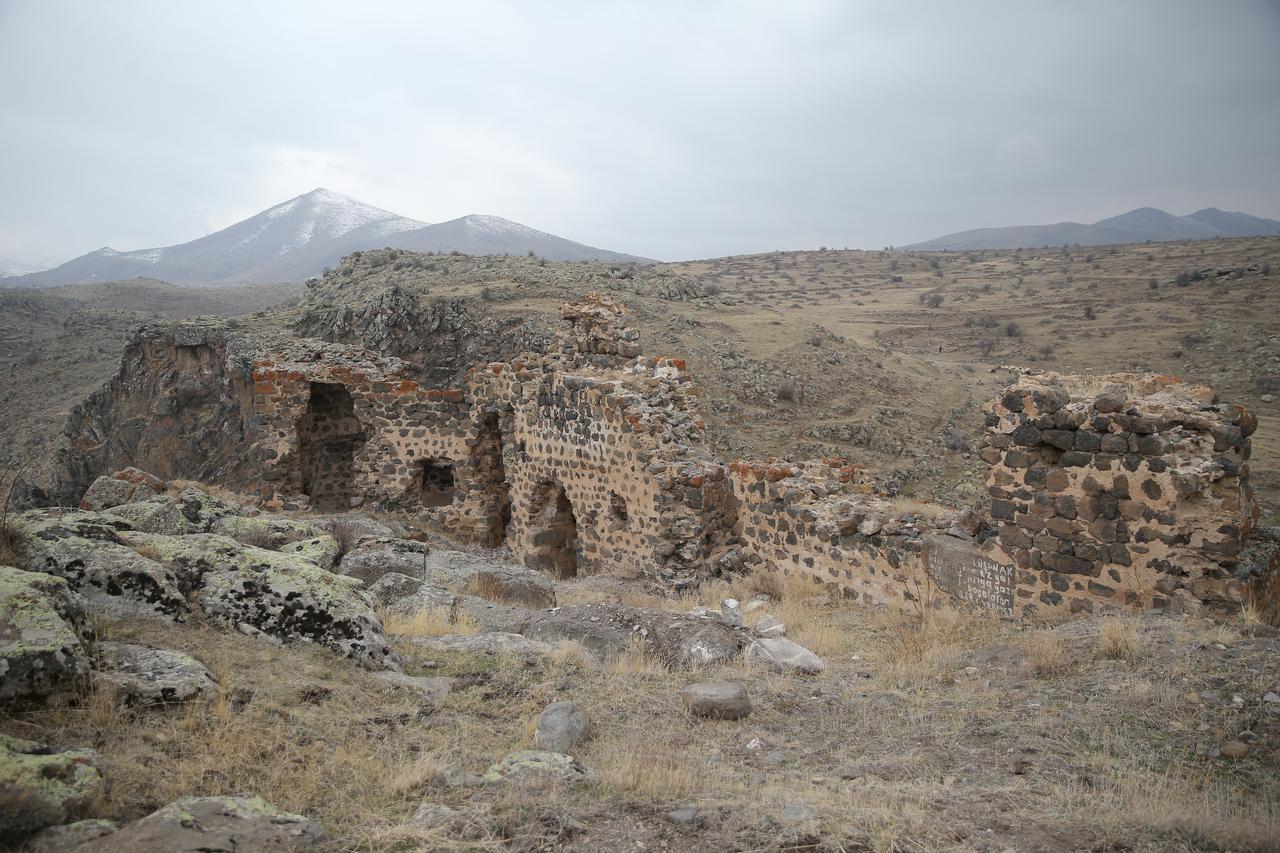
The main entrance, located on the southwest side, has remained largely intact, as have most of the bastions and curtain walls. Eryaman noted that the castle was actively used during the Byzantine period and later during the Anatolian Seljuk era, particularly to protect water resources and agricultural lands in the Melendiz Mountains and surrounding valleys.
He added that evidence suggests the structure continued to be used until the late 19th or early 20th century, indicating that Murtaza Castle served different purposes for approximately 700 to 800 years.
While several internal structures within the castle have collapsed over time, the outer walls remain largely preserved. Eryaman emphasized the importance of initiating scientific archaeological excavations and restoration efforts.
He noted that the castle contains water cisterns, durable mortar-based masonry, and arrow slits used for observation and defense.


 Set as preferred source
 Set as preferred source



 1 min read