Sign in
 Newsletters


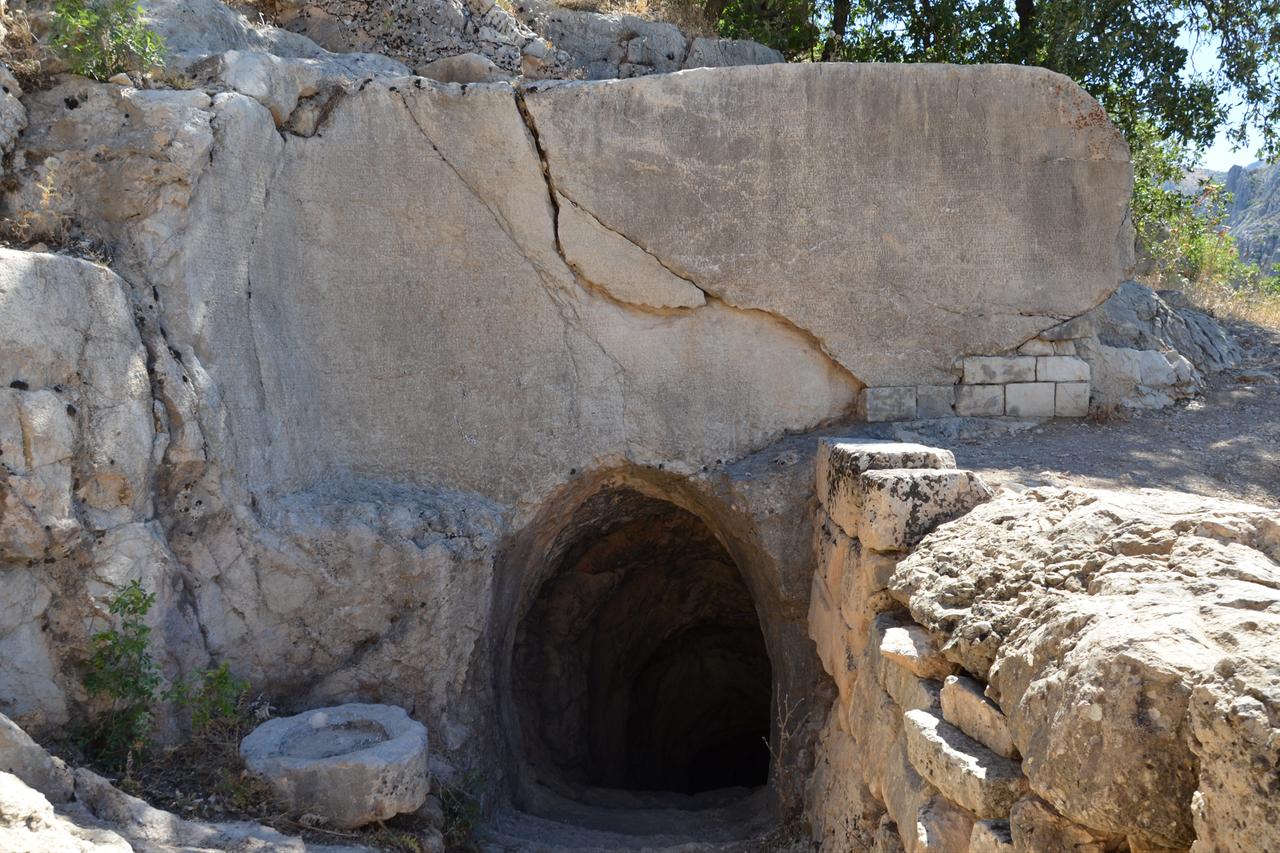


A 158-meter rock-cut staircase tunnel at the ancient sanctuary of Arsameia on the Nymphaios in southeastern Türkiye may have served as both a water source and a religious passage, offering ancient pilgrims an immersive experience associated with death, the divine and royal worship.
A new study by Lennart Wouter Kruijer of Leiden University, published in the Journal of Roman Archaeology on Nov. 19, 2026, challenges the longstanding distinction between the practical and religious functions of ancient Anatolian tunnels.
Rather than focusing solely on why the tunnel was built, Kruijer examines how its darkness, steep stairway, confined space and fluctuating groundwater may have shaped the physical and emotional experiences of pilgrims more than 2,000 years ago.

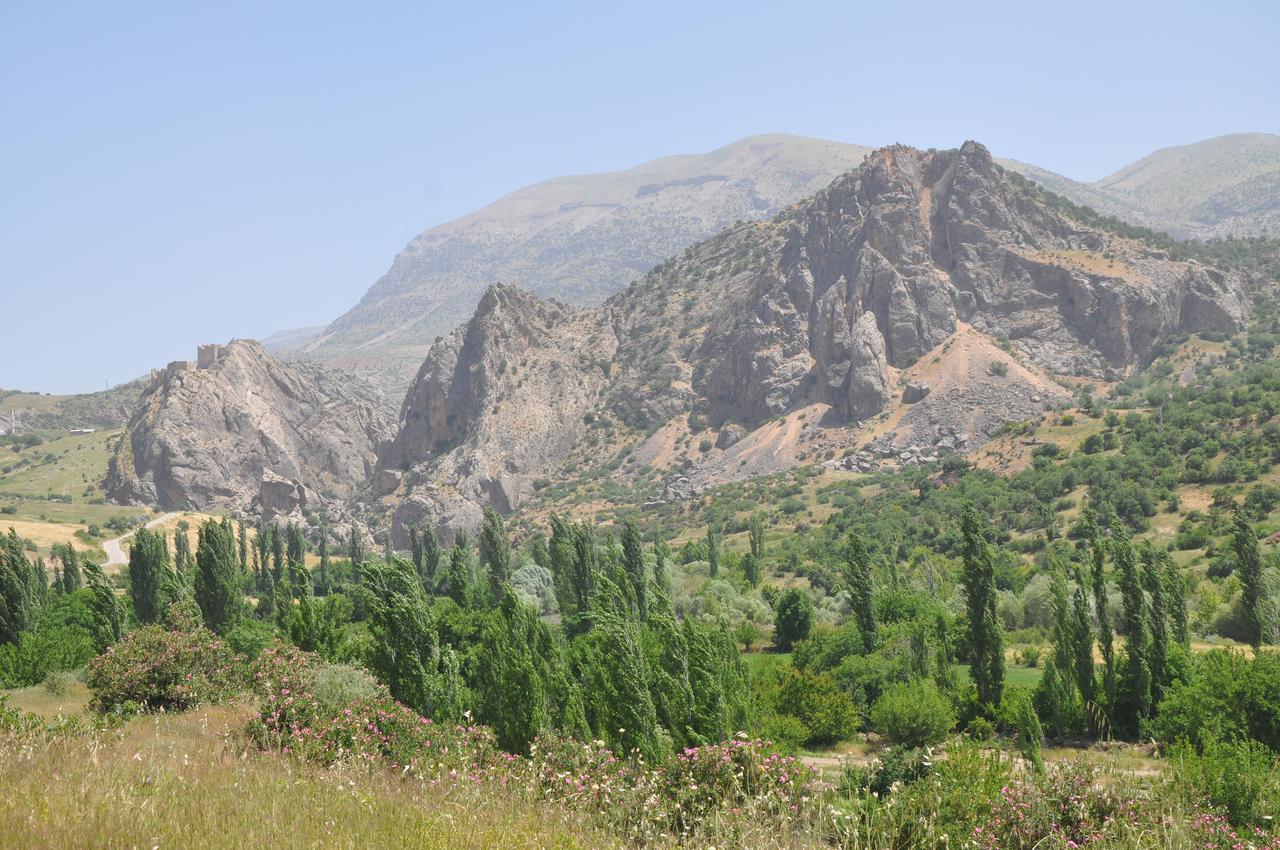
Arsameia belonged to the ancient kingdom of Commagene and may initially have served as a fortress under King Mithridates I Kallinikos before becoming a major religious center under his son, Antiochos I, who ruled between 69 and 36 B.C.
Antiochos established a royal cult, a system of religious worship centered on rulers and their relationship with the gods, and organized several religious festivals each month.
The sanctuary's monumental Greek inscription, known as the Great Cult Inscription, reveals that the king intended to welcome pilgrims from both within and beyond his kingdom.
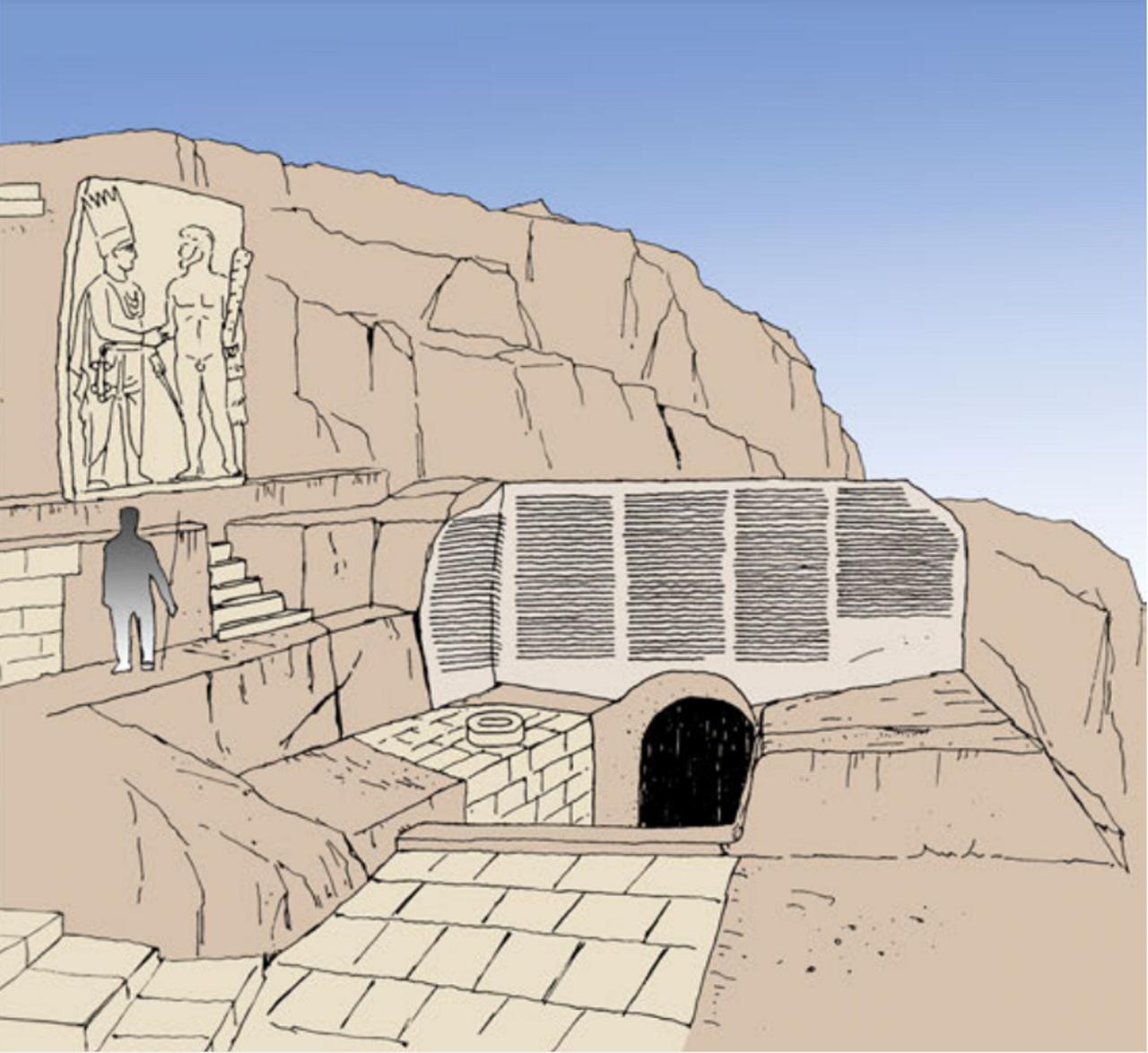
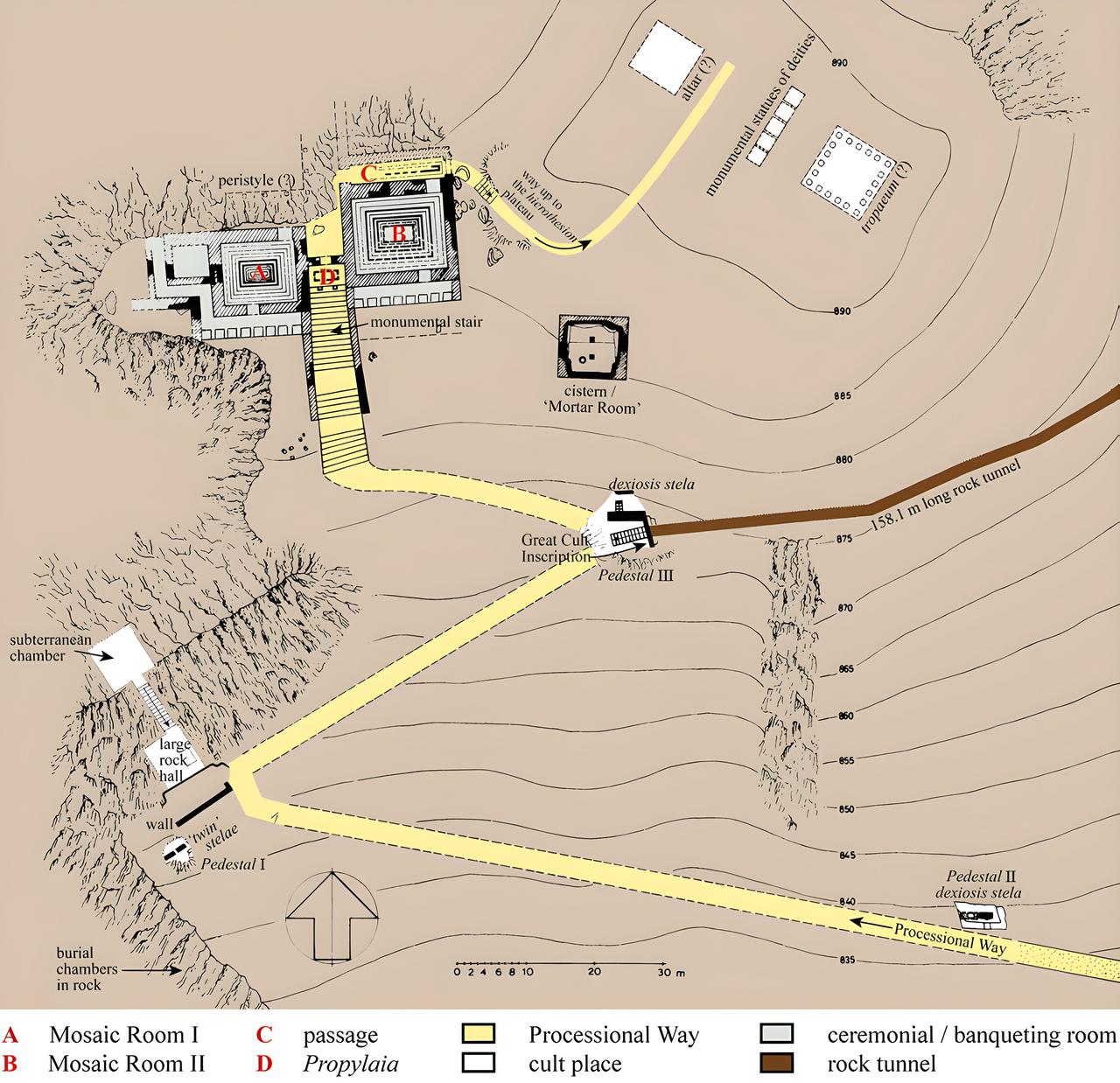
Visitors followed a winding sacred road lined with carved reliefs and religious monuments, passing a rock-cut chamber believed to be associated with Mithridates I's tomb before reaching the tunnel.
Its horseshoe-shaped entrance, measuring two meters high and 1.5 meters wide, was framed by the inscription and overlooked by a stone relief depicting Antiochos shaking hands with Herakles, the Greek mythological hero also known as Hercules.
Kruijer identifies four characteristics that may have shaped the pilgrims' experience: the attraction of the entrance, darkness, physical movement and the presence of water.
The researcher compares the entrance to a symbolic trap, drawing visitors into the depths of the rock and delaying their arrival at the sanctuary's colossal statues of the king and gods.
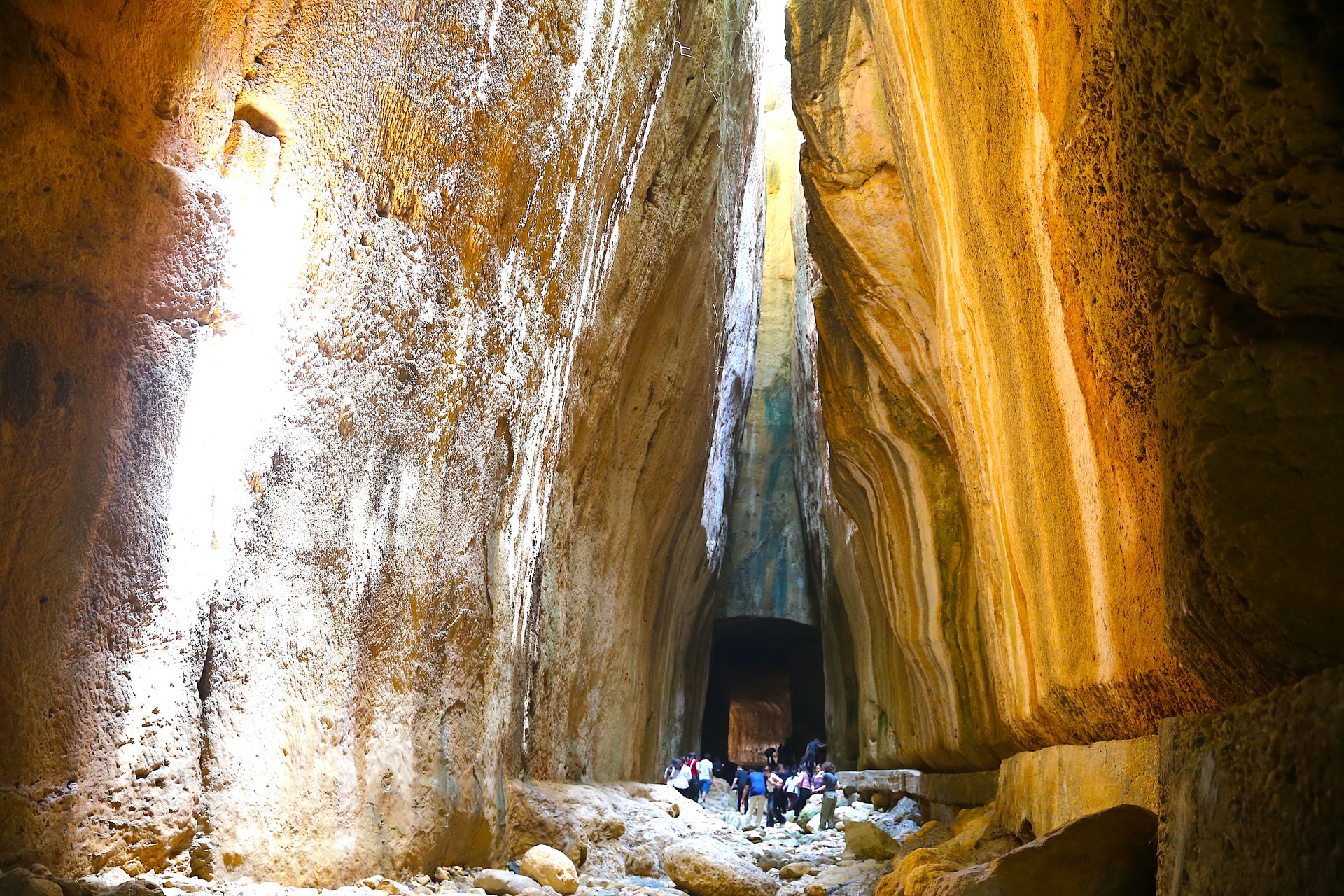
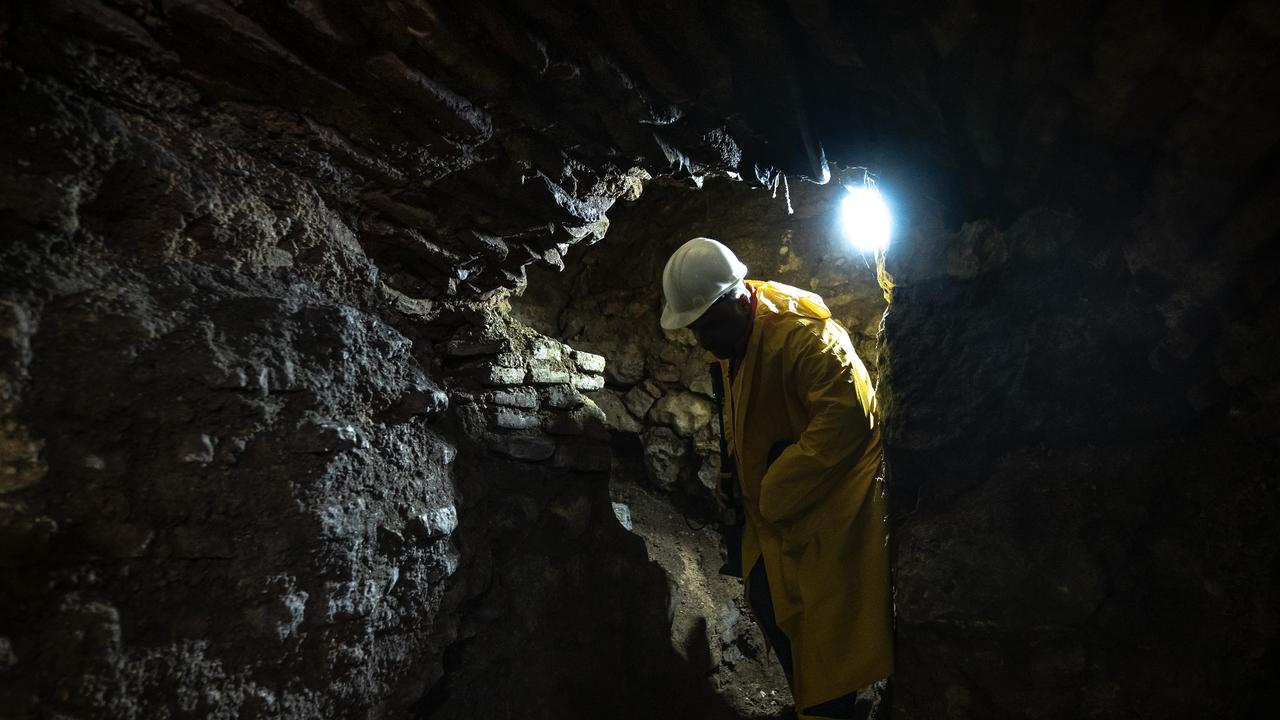
As pilgrims made their way underground, daylight gradually disappeared, temperatures dropped and the sounds of religious festivities gave way to echoing footsteps.
The tunnel's proximity to the royal tomb, together with their shared architectural features, may have evoked associations with death and the underworld.
The depiction of Herakles above the entrance further supports this interpretation, as the mythological hero was associated with two journeys into the realm of the dead.
Kruijer suggests that these sensory experiences may have strengthened pilgrims' memories of the royal tomb and their emotional connection with Commagene's rulers.
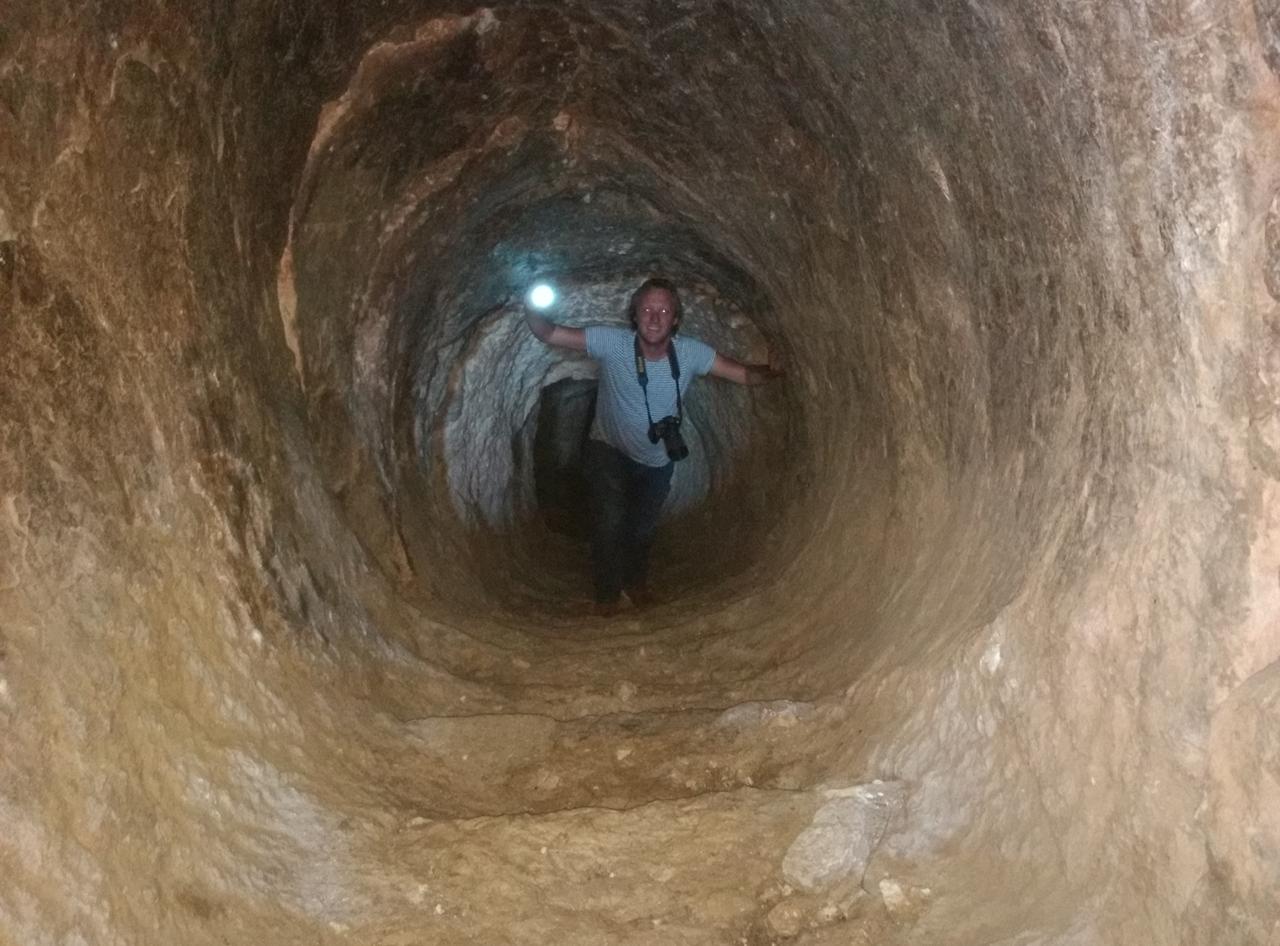
The tunnel's steep and irregular steps required visitors to lean forward, crouch and carefully position their feet as they descended into the rock.
Kruijer describes this heightened physical awareness as having to “think through the feet.”
While priests and sanctuary staff would have regularly descended to collect water, pilgrims may also have made repeated journeys underground.
The narrow passage could have brought visitors' movements into a shared rhythm, creating a collective experience similar to a religious procession.
Over time, repeated journeys would also have gradually worn down the stone steps, leaving physical traces of those who passed through the tunnel.
Groundwater at the end of the tunnel fluctuated considerably, sometimes flooding the passage following rainfall and nearly disappearing during summer.
The water supplied different parts of the sanctuary, providing drinking water and supporting religious banquets and potentially ceremonial liquid offerings.
The Great Cult Inscription emphasizes the symbolic importance of local water, describing it in divine terms, while regulations restricted the use of dedicated drinking vessels to the sacred site.
According to Kruijer, these practices may have strengthened the connection between religious worship, the surrounding landscape and Commagenean identity.
The study also revisits a wider archaeological debate surrounding rock-cut staircase tunnels across Türkiye.
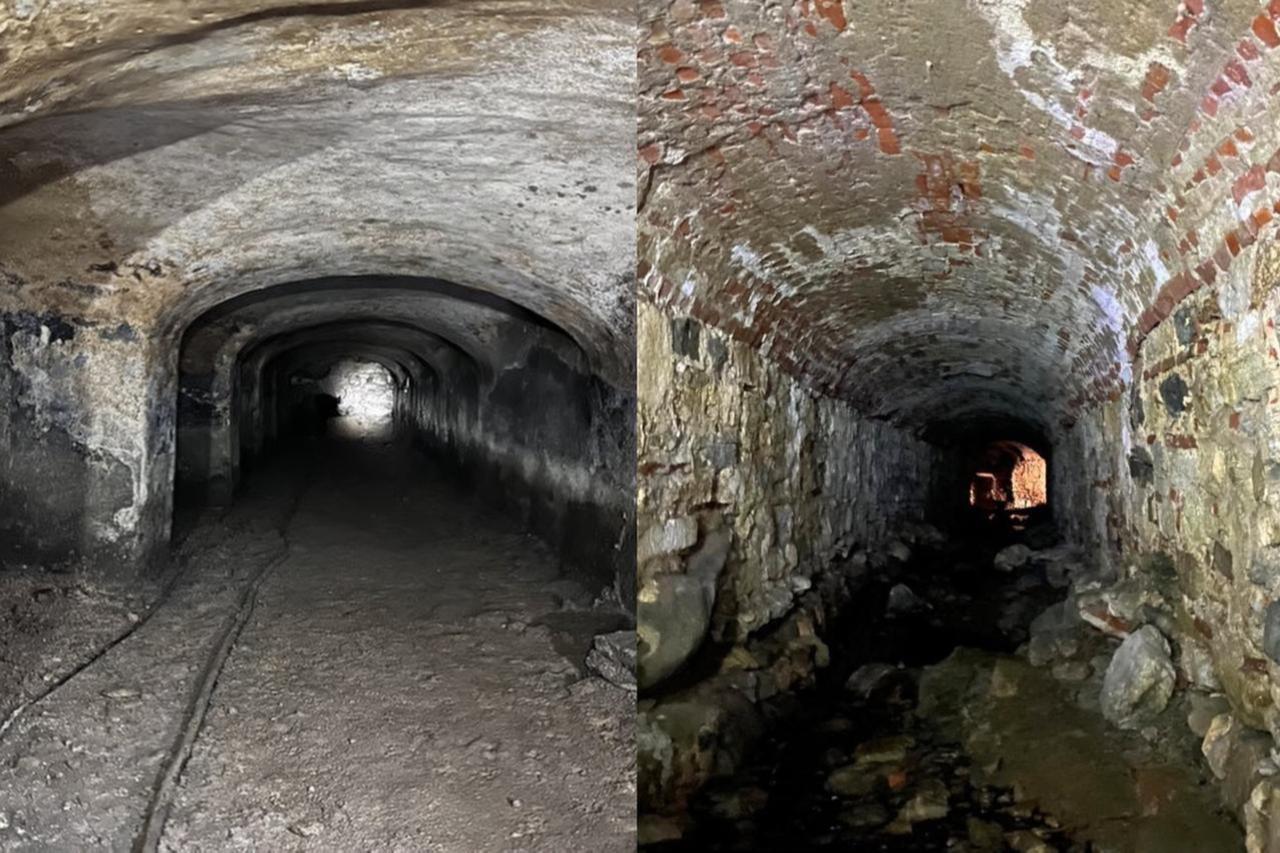
While many tunnels provided access to underground water sources, discoveries such as a marble statue of the goddess Kybele at Kurul Fortress and religious carvings near other tunnel entrances suggest that some structures also served ceremonial purposes.
However, Kruijer cautions against assigning the same religious meaning to every ancient staircase tunnel.
As no surviving text explicitly describes how pilgrims interacted with Arsameia's tunnel, its proposed religious significance remains an interpretation based on its architecture, inscriptions and relationship with the surrounding sanctuary.
The researcher suggests that similar approaches could help shed light on ancient tunnels at Amaseia, modern-day Amasya, Midas City, Kurul Fortress, Incesu Koy and Hisarkavak.


 Set as preferred source
 Set as preferred source


 1 min read
 1 min read