Newsletters


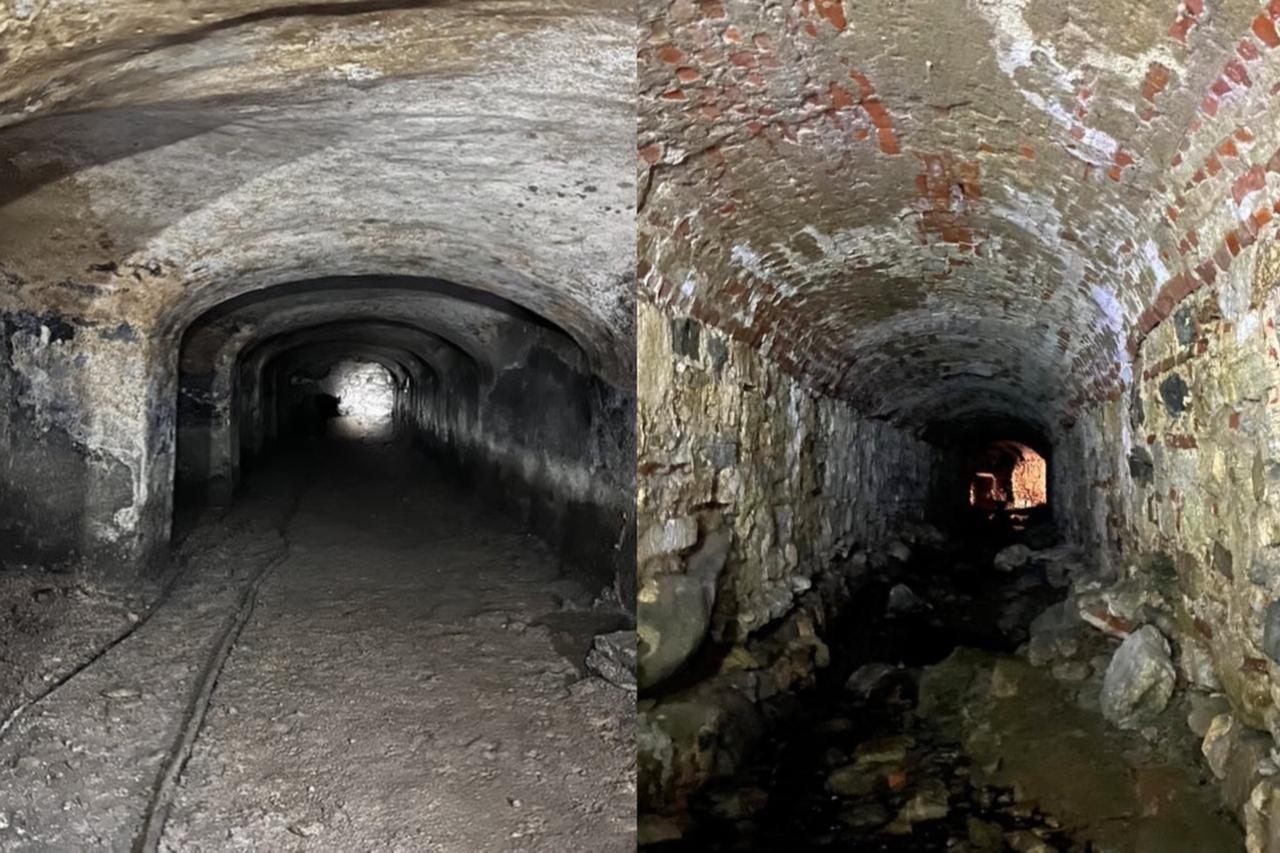


Archaeologists working beneath Istanbul's iconic Hagia Sophia have removed approximately 3,000 tons of mud and debris from an extensive network of ancient Roman tunnels since February 2025, revealing previously inaccessible sections of infrastructure and structures that predate the existing monument.
Professor Hasan Firat Diker, a member of Hagia Sophia's Scientific Board, outlined the findings during a presentation titled "The Archaeology of Hagia Sophia," held at the BlackBox cultural venue inside the Türkiye Is Bank Painting and Sculpture Museum in Istanbul.
Speaking as part of the "Istanbul Conversations" series organized by Is Sanat and moderated by Cengiz Ozdemir, Diker explained that the underground structures once served purposes extending far beyond the religious function of Hagia Sophia.
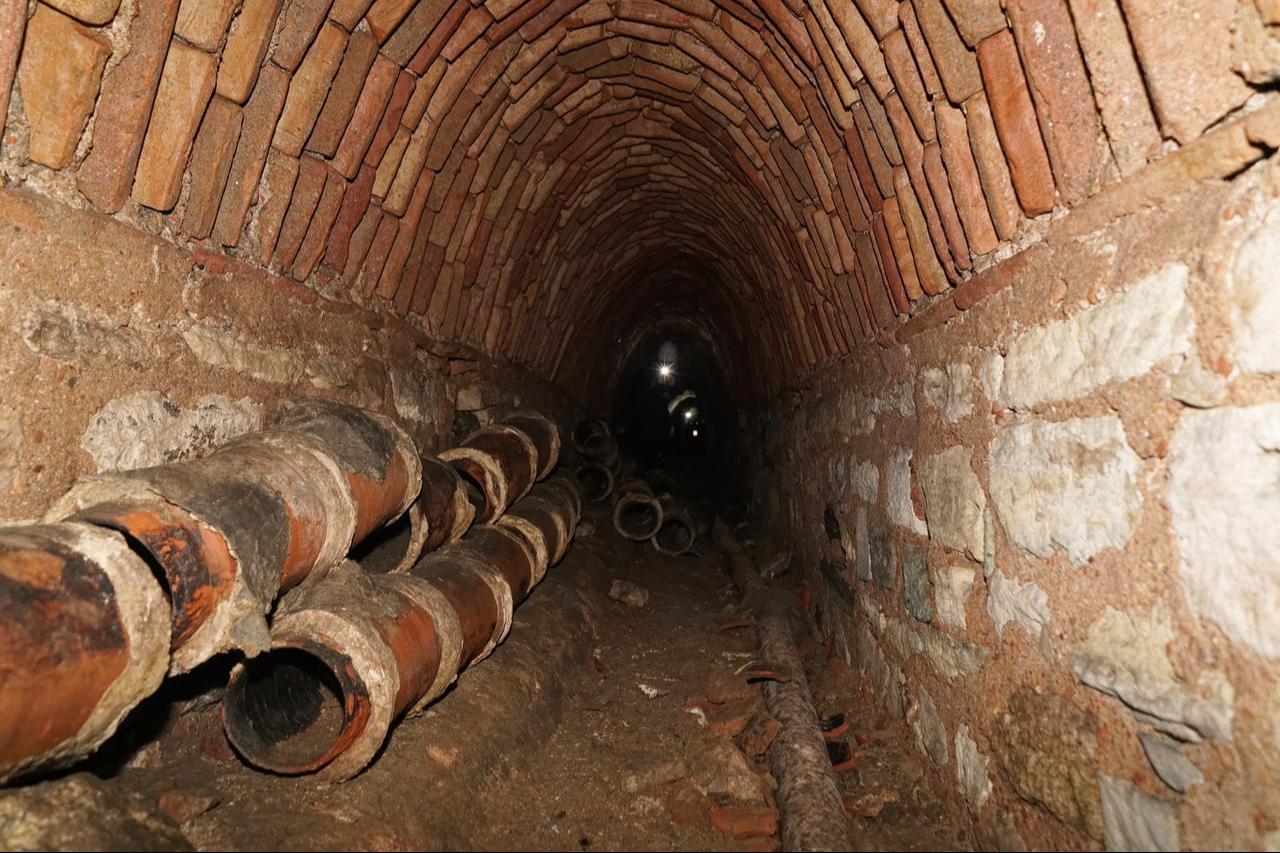

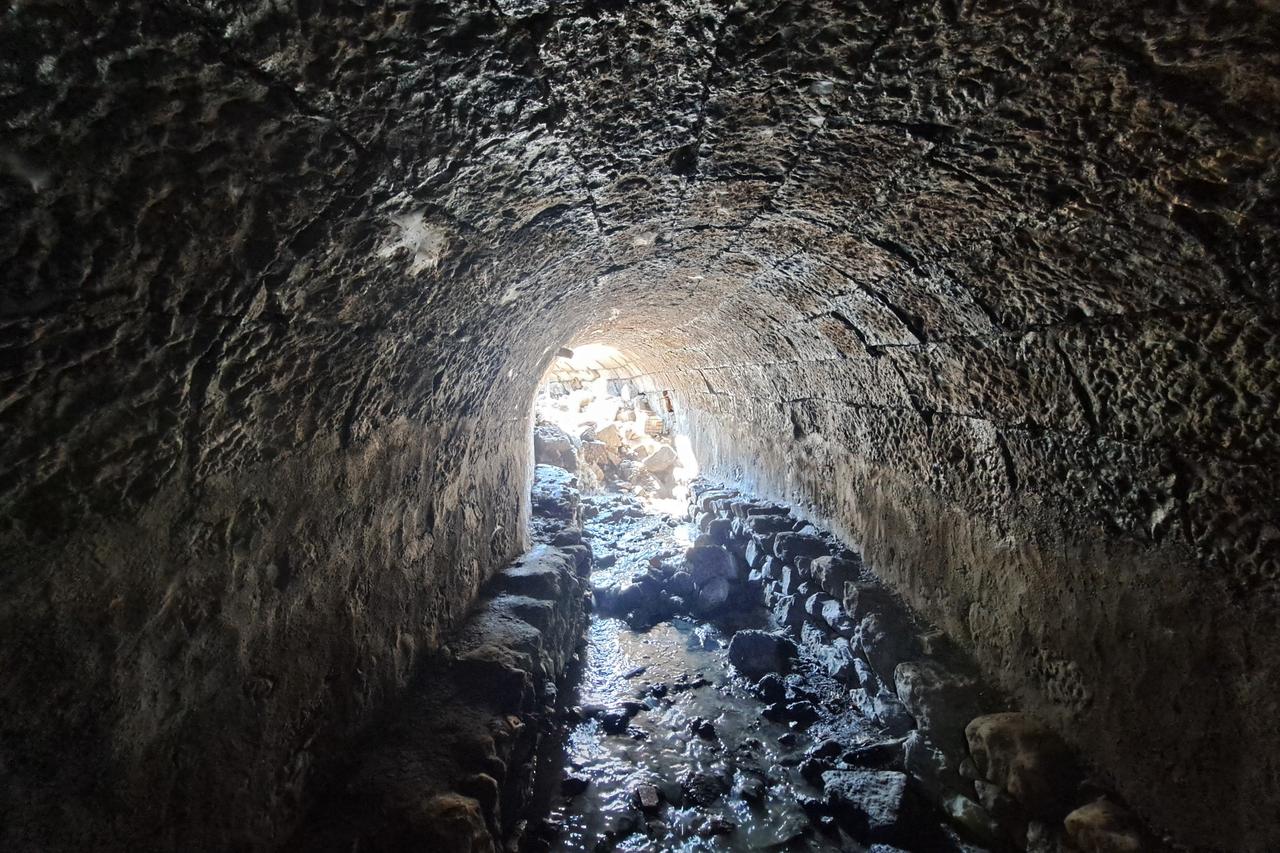
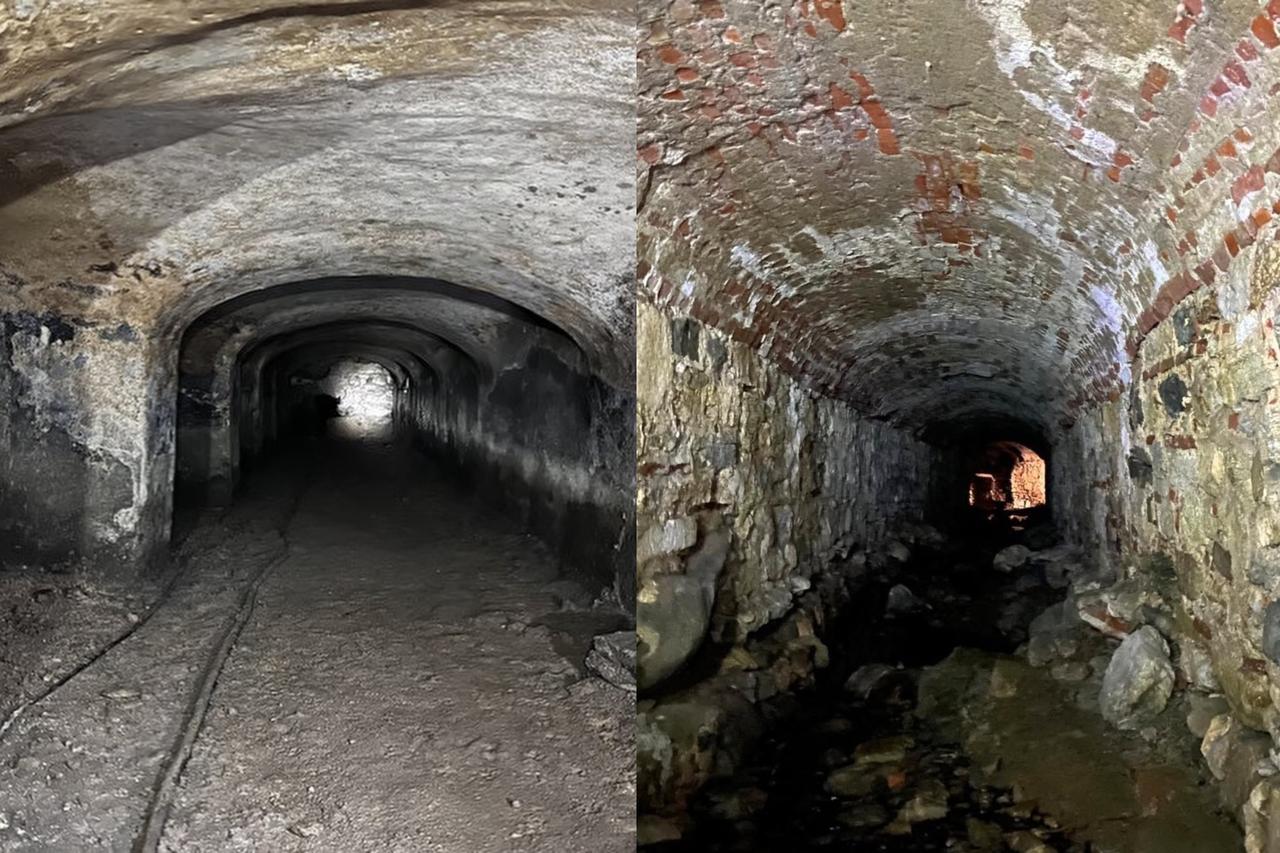
According to Diker, the Romans built an extensive underground infrastructure system beneath Hagia Sophia that functioned as part of the city's water distribution and drainage network while also providing a protected and secure space.
He described the underground passageways as an intricate network resembling a modern metro system, explaining that Roman engineers had designed tunnels to carry rainwater away from surrounding streets and discharge it into the sea approximately 1,600 years ago.
The Scientific Board has continued excavating and clearing these passages, including a section of a Roman street dating back to the fifth century that German archaeologist Alfons Maria Schneider first uncovered and documented.
Diker said researchers have cleared 170 meters (558 feet) of an underground route connected to the Roman street, which extends from the Sarayburnu area toward Little Hagia Sophia.
The underground infrastructure had previously been documented by Schneider and the Byzantine Institute of America in 1943, while Diker's team carried out additional surveys and documentation inside and outside the monument in 2017.

Diker also explained that the Hagia Sophia standing today is the third structure built at the site, following the destruction of two earlier buildings.
The original Hagia Sophia was destroyed by fire in the fifth century, while its successor was burned down during the Nika riots, an uprising in Constantinople, the former name of Istanbul.
According to Diker, the foundations of the first Hagia Sophia lie approximately 2.3 meters (7.5 feet) beneath the present structure, reflecting how successive periods of construction gradually raised the city's ground level over centuries.
The archaeologist identified Hagia Sophia's northeastern section as particularly significant because of its multiple archaeological layers.
In this area, archaeologist Muzaffer Ramazanoglu discovered a hypogeum, an underground burial structure consisting of four adjoining chambers, in 1946.
Diker said his team had cleared both the upper and lower sections of the burial complex, excavating an additional 1.5 meters beneath it.
"This area is older than Hagia Sophia," he said, explaining that the underground chambers had been filled with mud.
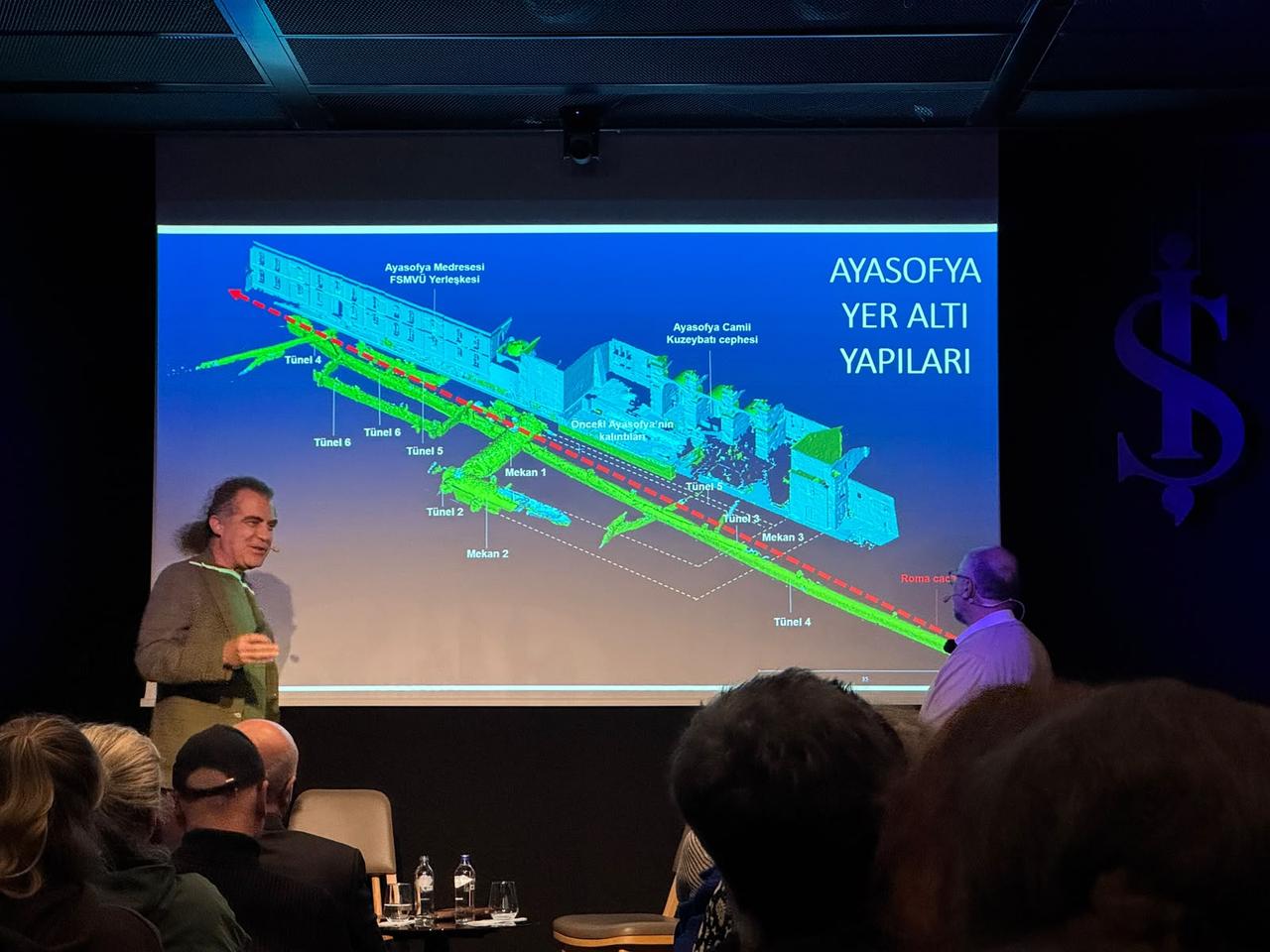
Beyond the underground excavations, Diker discussed the architectural structures that once surrounded Hagia Sophia, including traces of a colonnaded courtyard recorded in descriptions by European travelers until the 17th century.
He also traced the history of the Fatih Madrasa, an Islamic educational institution commissioned by Ottoman Sultan Mehmed II beside Hagia Sophia. The building was demolished in 1869, rebuilt in the 1870s and later removed again after serving as an orphanage.
Its reconstruction began in 2017, and the complex was subsequently handed over to Fatih Sultan Mehmet Vakif University following Hagia Sophia's conversion into a mosque in 2020.
Referring to archaeological investigations undertaken in 1935 and 1936 by the German Archaeological Institute and a team from the United States, Diker said the current research continued excavation efforts initiated during Mustafa Kemal Ataturk's presidency.
He added that the Scientific Board was working carefully to make larger sections of Hagia Sophia's underground infrastructure accessible to visitors, with plans to develop an exhibition project presenting the archaeological remains.


 Set as preferred source
 Set as preferred source


 2 min read
 1 min read