Newsletters


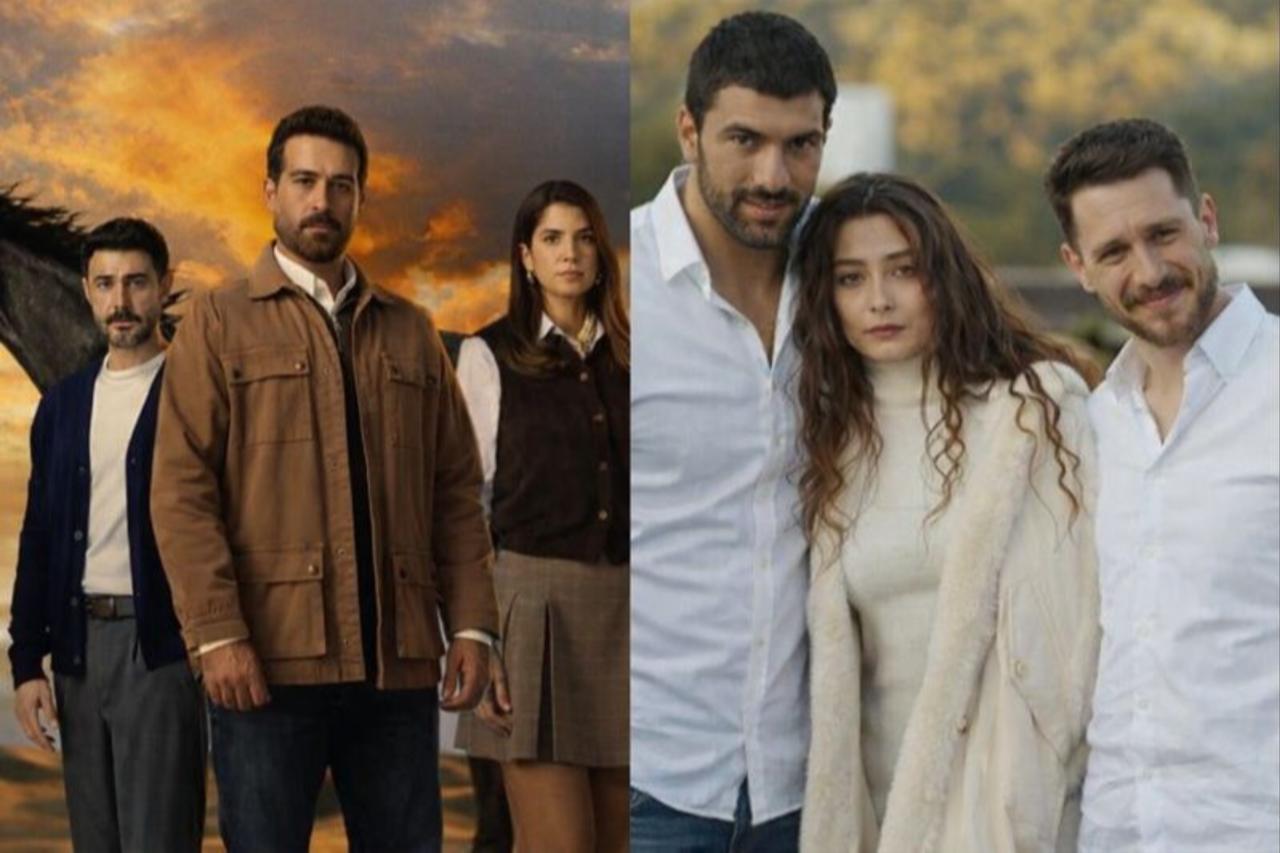


MBC began airing “Layl,” an Arabic adaptation of the Turkish drama “The Ambassador’s Daughter,” on Dec. 24.
The series also appeared in the Top 10 on MBC Shahid’s “Most Watched” list.
“Layl” is based on the popular Turkish series The Ambassador’s Daughter, which first aired in 2019 and achieved wide success.
The Arabic version was filmed in Türkiye and features a cast that includes Syrian actor Mahmoud Nasr and Lebanese actress Carmen Lebbos, alongside other Syrian and Lebanese performers.
The story follows a love relationship between a diplomat’s daughter and a poor man. Circumstances force them apart, but years later, they reunite, and their love is rekindled.
In its original Turkish version—starring Engin Akyürek and Neslihan Atagül—the series recorded high viewership in Türkiye and across the Arab world.
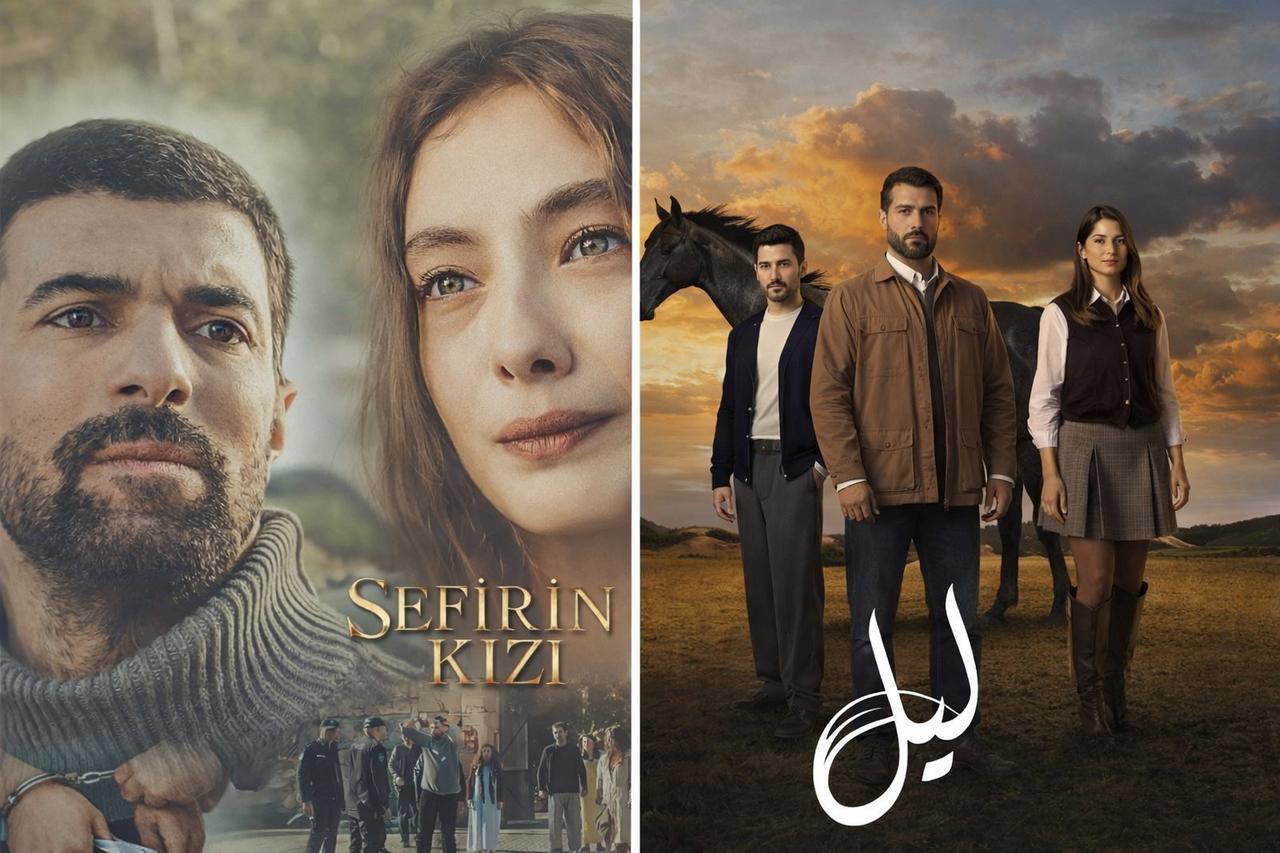

Critics say “Layl” preserves the core of the original plot—an impossible love across social classes, shaped by secrets and shocks—while introducing new emotional and human layers inspired by the Lebanese context.
This is reflected in language and dialect, family dynamics, and rural-urban tensions that add a contemporary social dimension.
Unlike the longer Turkish format, “Layl” runs for 45 episodes, compared with 90 in the original. Critics noted that the Arabic adaptation moves at a faster dramatic pace, maintaining suspense and avoiding narrative drag.
The series has also drawn attention for its visual style and directorial choices, which give it a distinct tone, along with performances by Lebanese and Syrian actors—especially Mahmoud Nasr, Carmen Bsaibes and Wissam Fares.
Not all reviews have been positive. Lebanese critic Rabih Fran said the original relied on “a coherent dramatic structure, highly intense performances, and a clear ability to handle the characters’ psychological details.”
He added that the Arabic version “from the outset seems to lack surprise and is weighed down by familiar faces that have been overused in previous adaptation projects.”
Fran also said it is “hard to ignore the major gap between the two versions,” arguing that the difference is not limited to acting but extends to directing, actor blocking, and filming locations—described, in his view, as “poor and flat” compared to the Turkish original.
Still, some critics believe “Layl” succeeds in rereading the story through an Arab lens, moving beyond literal translation toward rebuilding context and identity.
While some viewers prefer the original for its distinctly Turkish character, others find the Arabic version closer to Arab social realities and cultural sensibilities.
In recent years, Lebanon has produced several Arabic adaptations of well-known Turkish series.
Among the most notable is Bride of Beirut (2019–2022), the Lebanese version of the Turkish drama Istanbullu Gelin.
Arabic adaptations have also achieved wide reach across the region. The third season of Bride of Beirut recorded record viewership on Shahid and topped the platform’s most-watched lists during its run.
Media reports likewise said Crystal drew large audiences—something some attributed to its themes of love and rivalry—and it remained among the top two most-watched dramas in Arab countries and beyond.
Meanwhile, Stiletto reportedly reached No. 1 globally on Shahid within days of its release, with social media users praising the suspense and dramatic cohesion in its early episodes.


 Set as preferred source
 Set as preferred source


 2 min read