

 Newsletters


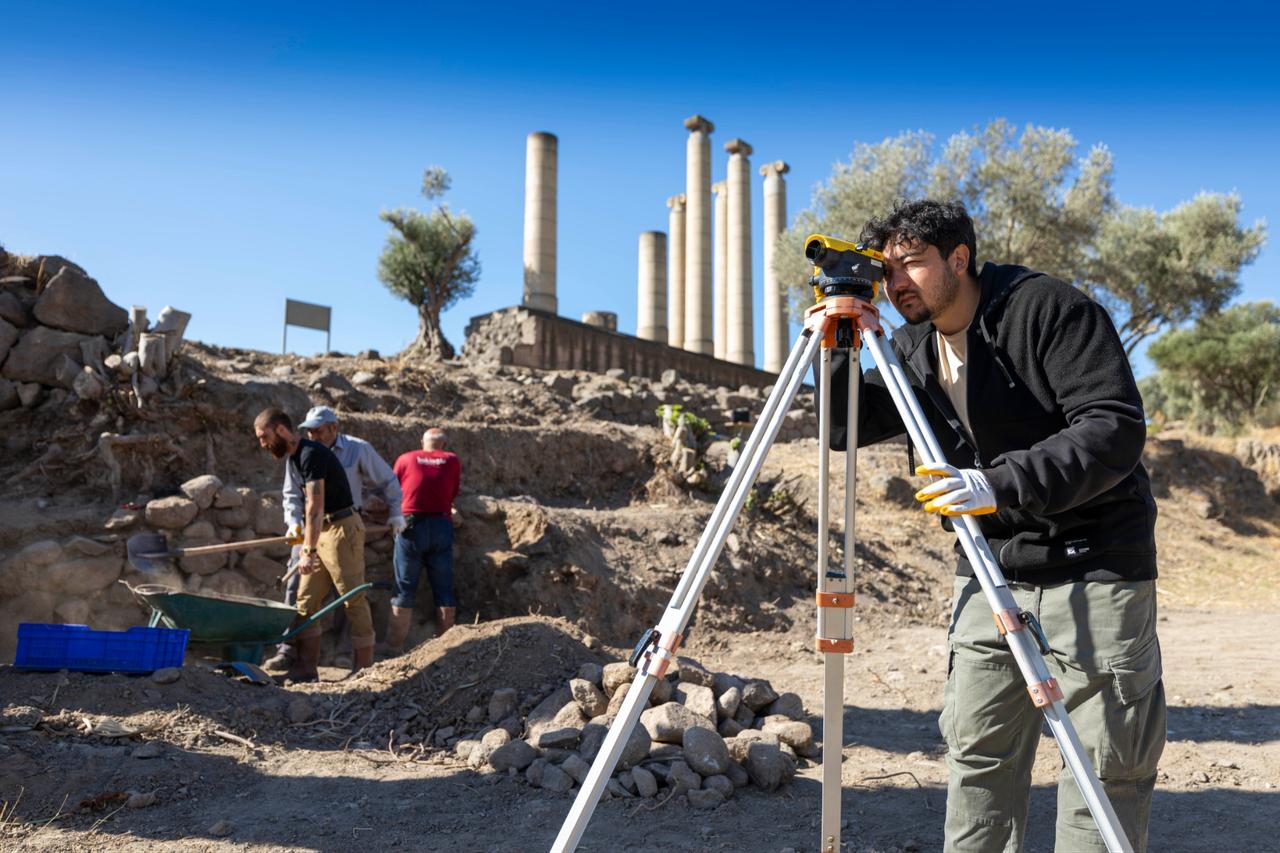


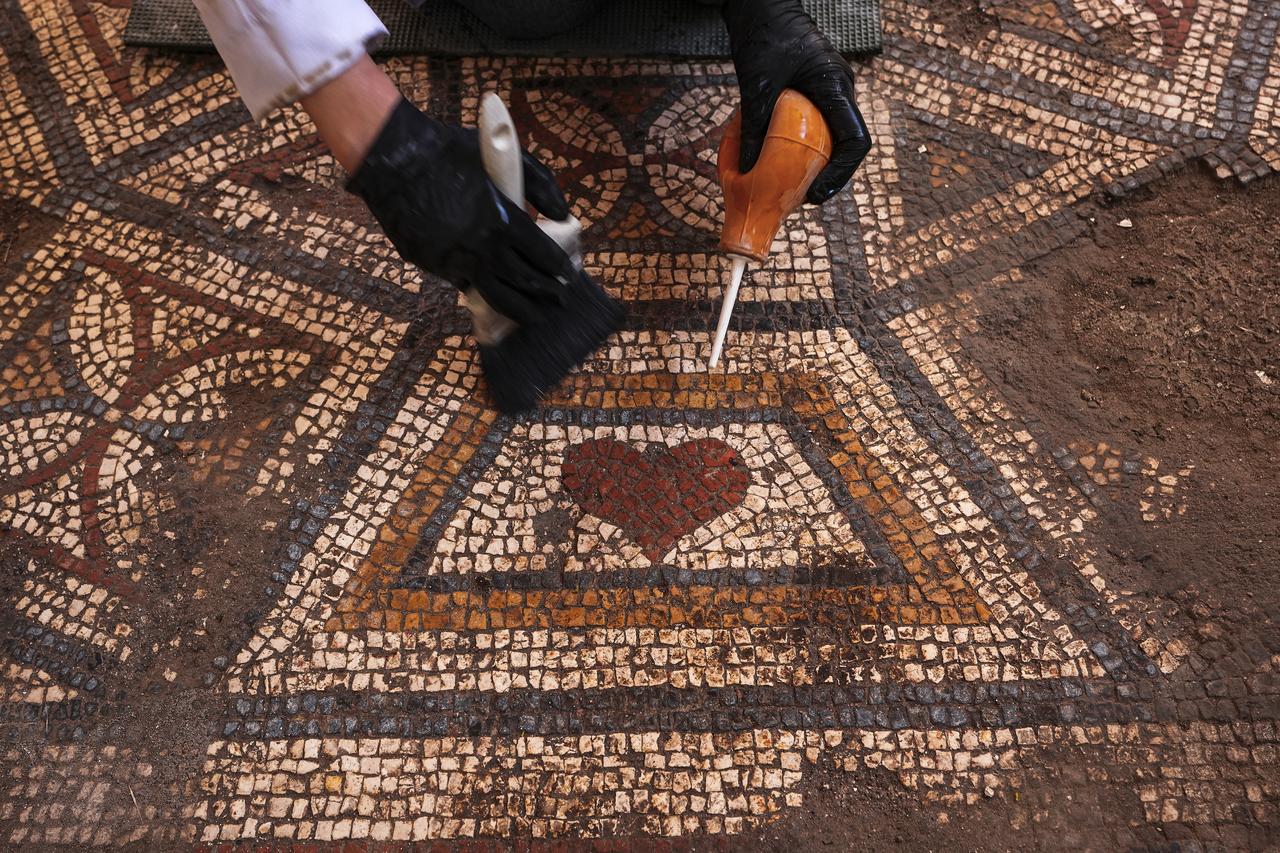
Archaeologists working at Smyrna Mound in Izmir, western Türkiye, have uncovered settlement layers dating back approximately 5,000 years, revealing six architectural phases from the Early Bronze Age and providing new evidence of the ancient city's development and defensive systems.
The excavations, carried out in the Bayrakli district through a collaboration between Türkiye's Ministry of Culture and Tourism and Ege University, with support from Izmir Metropolitan Municipality, aim to establish the settlement's earliest boundaries and trace how its fortifications evolved over time.
The excavation director of Bayrakli Hoyuk said recent investigations had reached archaeological layers dating to the third millennium B.C., while radiocarbon dating, a scientific method used to determine the age of ancient organic materials, confirmed the settlement's early origins.
According to Professor Aylin Umit Erdem, researchers have identified six distinct architectural phases in an Early Bronze Age settlement previously believed to have only two, expanding their understanding of the site's earliest occupation.
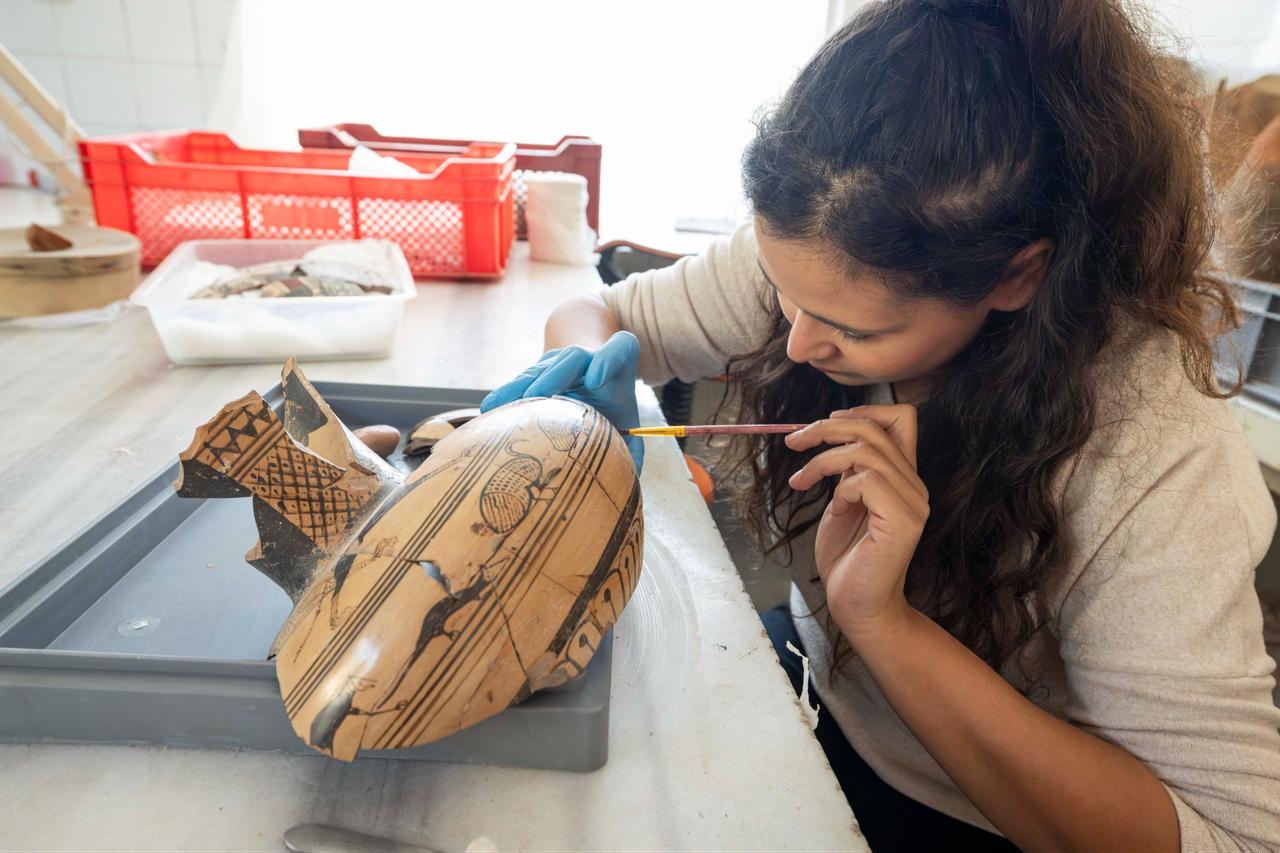

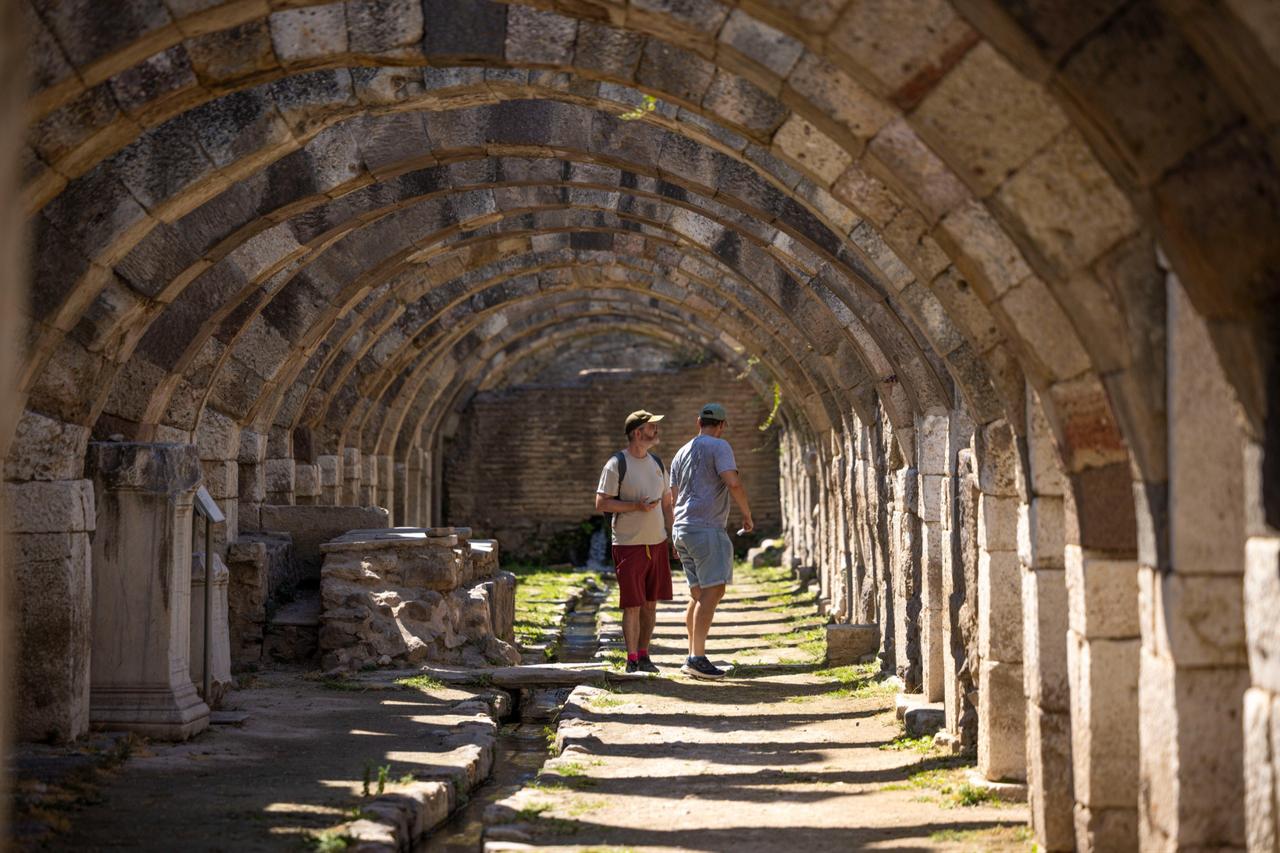
Beyond its prehistoric origins, Smyrna preserves evidence of an organized urban settlement that developed particularly from the seventh century B.C., with streets intersecting at right angles and designated areas for residential, public and production activities.
One of the most notable discoveries concerns Athena Street, named after the city's Temple of Athena. Archaeologists established that the street remained in use along the same alignment from the seventh century B.C. until the end of the fourth century B.C.
Excavations have also brought to light water channels running through houses and a large channel beneath the city's monumental entrance gate, offering further evidence of its infrastructure.
Meanwhile, researchers have identified three phases of defensive walls dating to the ninth, eighth and seventh centuries B.C. Built without mortar, the walls feature interlocking stone blocks that illustrate construction techniques used during those periods.
Among the site's earlier discoveries is a collection of silver jewelry weighing approximately 406 grams, uncovered during excavations in 2019.
Ancient sources also identify Smyrna as one of the cities associated with Homer, the poet traditionally credited with composing the Iliad and the Odyssey.
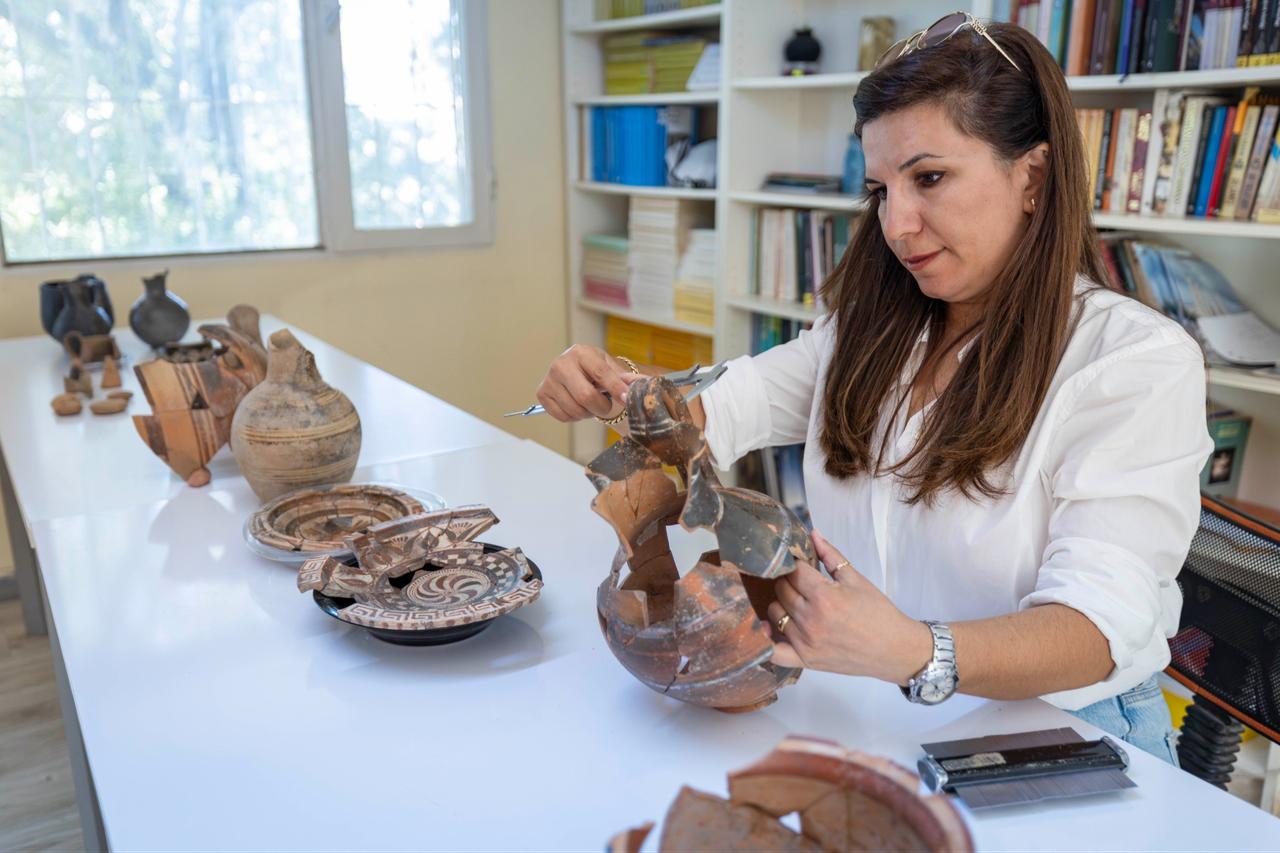
This year's investigations are focusing on the Bronze Age excavation area, a large public building dating to the fourth century B.C., and the defensive line along the northern section of the ancient city.
Erdem explained that archaeologists had previously uncovered the eastern defensive wall and monumental entrance gate, but information about the northern, southern and western fortifications remained limited.
The ongoing work aims to establish the different construction phases of the defensive system and determine how far the ancient settlement extended.


 Set as preferred source
 Set as preferred source


 1 min read
 1 min read


