Newsletters


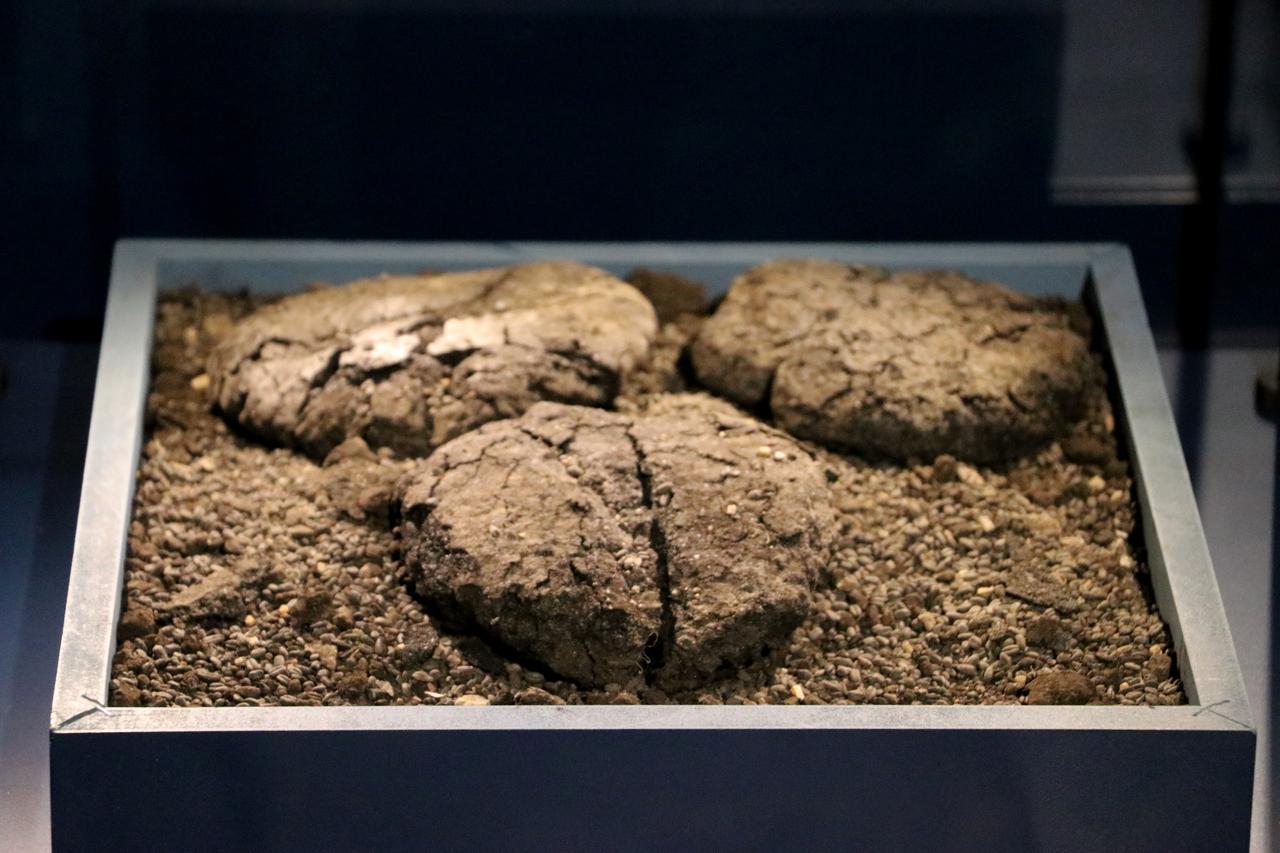


Eight 5,000-year-old loaves of bread preserved by an ancient fire have been uncovered by archaeologists at Seyitomer Mound in Kutahya, western Türkiye. The charred loaves were found during rescue excavations in an Early Bronze Age room, sitting between shelf legs near an oven structure alongside wheat and lentil remains.
According to Sevgi Gurdal, director of the Kutahya Museum and lead archaeologist, agricultural products and bread were stored in sacks or bags on a shelf before a fire broke out, causing the shelf to collapse and mixing the items together.
Gurdal noted that the finds date to the first quarter of the Early Bronze Age, which began around 3000 B.C. in the region.
The rescue excavations, currently exploring the mound's Middle Bronze Age and Early Bronze Age layers, are being carried out by the Kutahya Museum Directorate with sponsorship from Celikler Holding. The work aims to bring the lignite reserve, a soft brown coal beneath the thermal power plant site, into the economy.
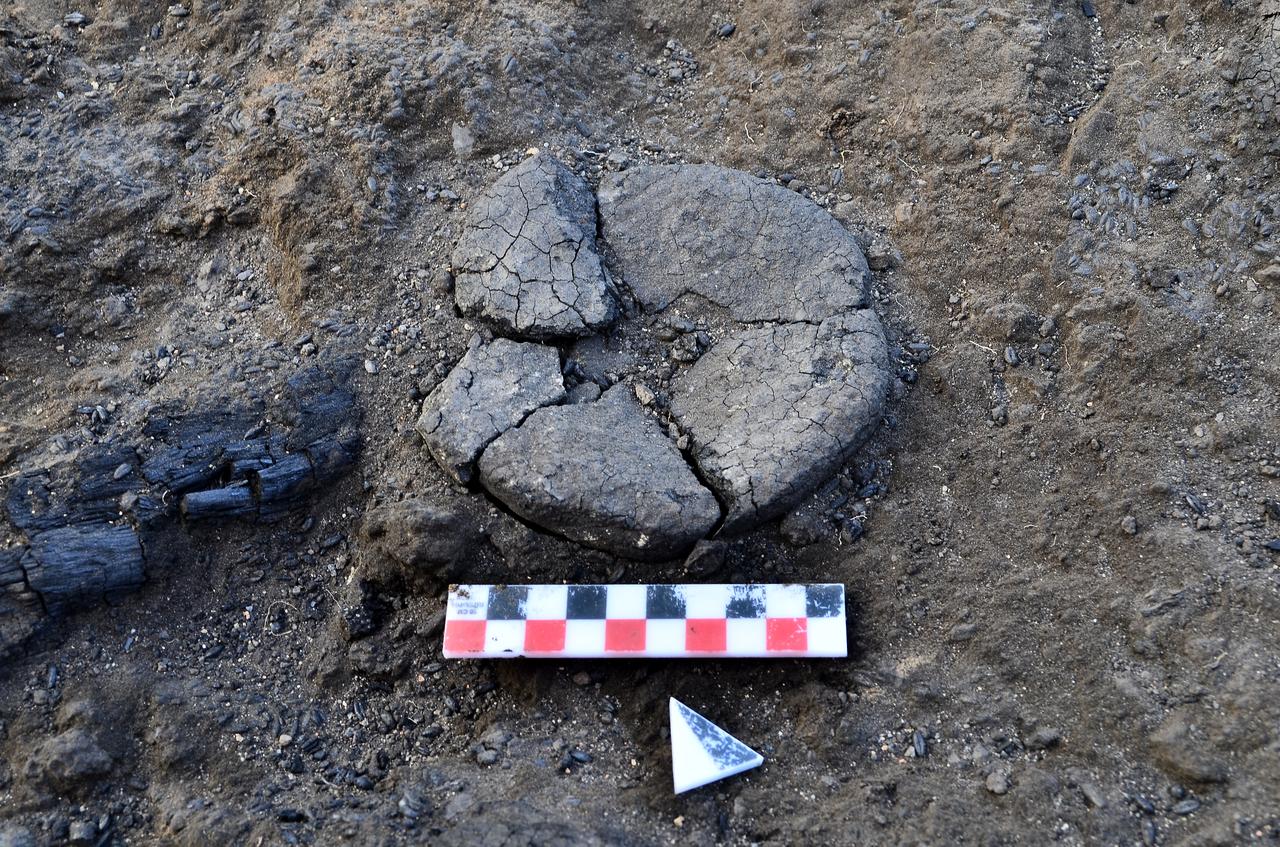

Gurdal said the unearthed loaves, together with the wheat and lentil remains, have gone on display at the Kutahya Archaeology and Mining Museum, and that visitors are curious about how the finds have survived to the present day.
Noting that the artifacts are among the most popular finds in the museum, Gurdal said Seyitomer Mound “actually makes up a large part of the artifacts exhibited in our museums.”
She added: “The Seyitomer Mound artifacts offer various data on the daily and social life, artistic understanding and eating habits of their period.”
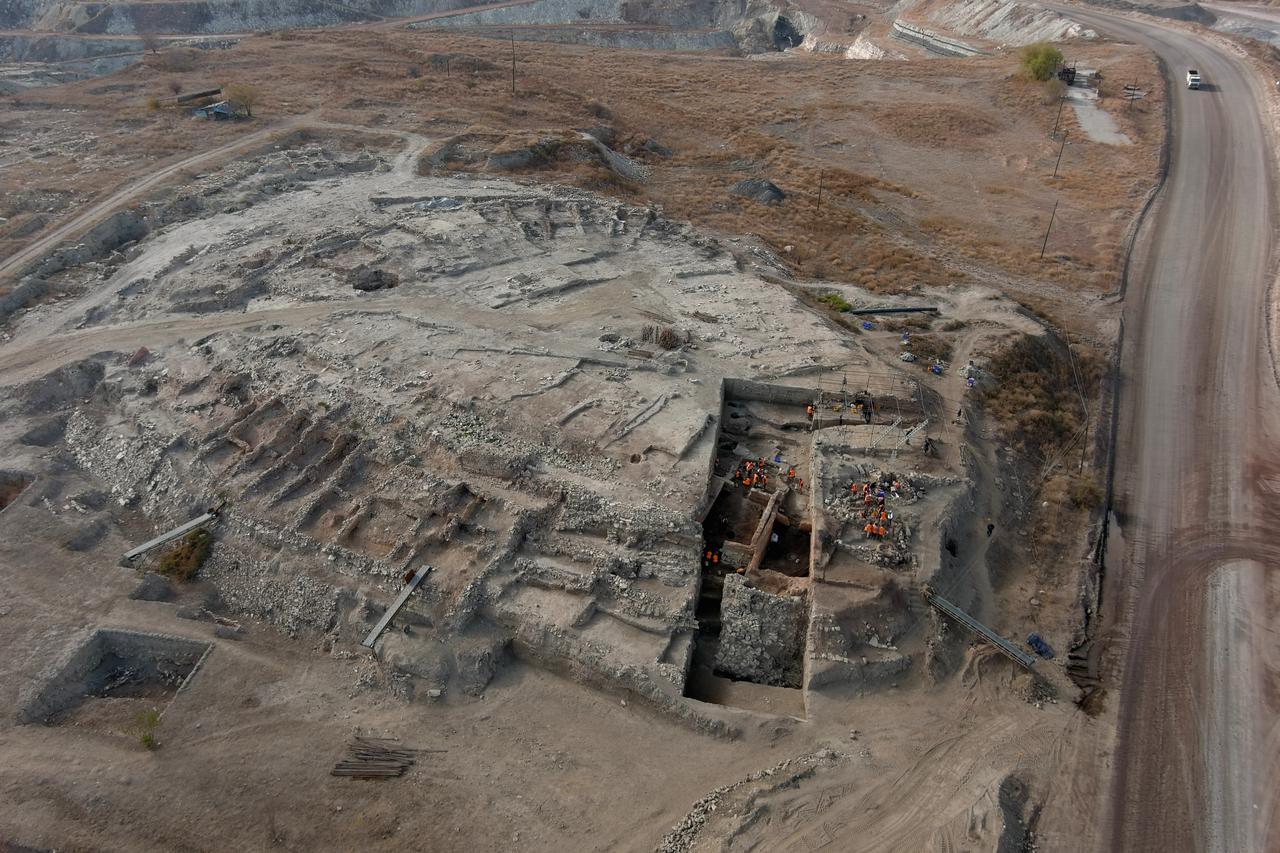
Seyitomer Mound, which dates to 3000 B.C., is located 26 kilometers (16.2 miles) from the center of Kutahya, within the operating area of Celikler Seyitomer Electricity Generation Inc.
Rescue excavations at the 26-meter-high (85-foot) mound, measuring 140 meters wide and 150 meters long, were launched in 1989 by the Eskisehir Museum Directorate to clear the site for lignite coal extraction.
The excavations were continued by the Afyonkarahisar Museum Directorate between 1990 and 1995. Under a protocol signed between the Turkish Coal Enterprises General Directorate and the Rectorate of Kutahya Dumlupinar University, the work was transferred to the university’s Department of Archaeology in 2006.
The excavation team, made up of faculty members, students, and workers, continued its work until 2014. More than 17,000 artifacts unearthed from the mound were handed over to the Kutahya Museum Directorate for display.
The rescue excavations have been run by the Kutahya Museum Directorate since 2019.


 Set as preferred source
 Set as preferred source


 2 min read