Newsletters


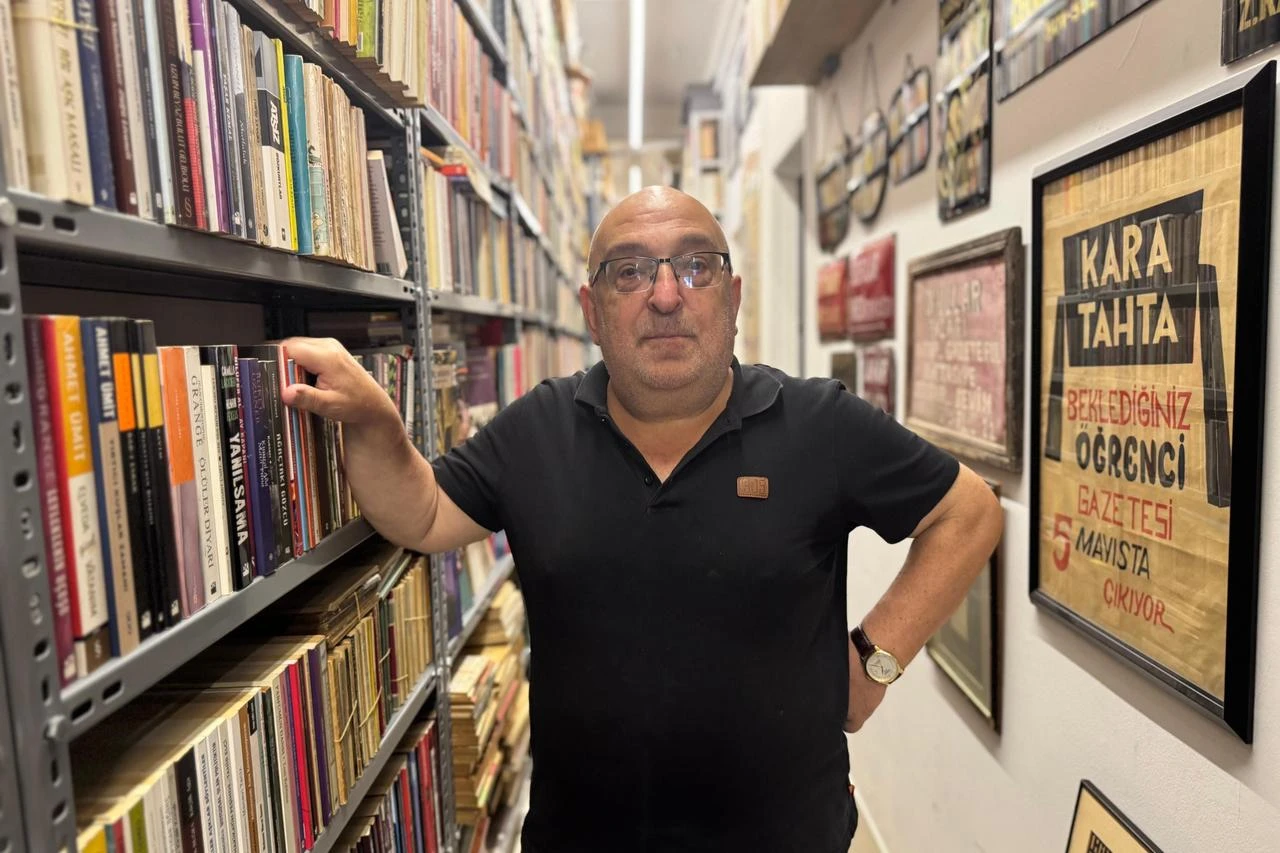


Veteran Turkish antiquarian bookseller has questioned reports that artificial intelligence companies are buying up books from secondhand bookstores across Europe to scan them for AI training, arguing that there is little evidence the practice has become widespread.
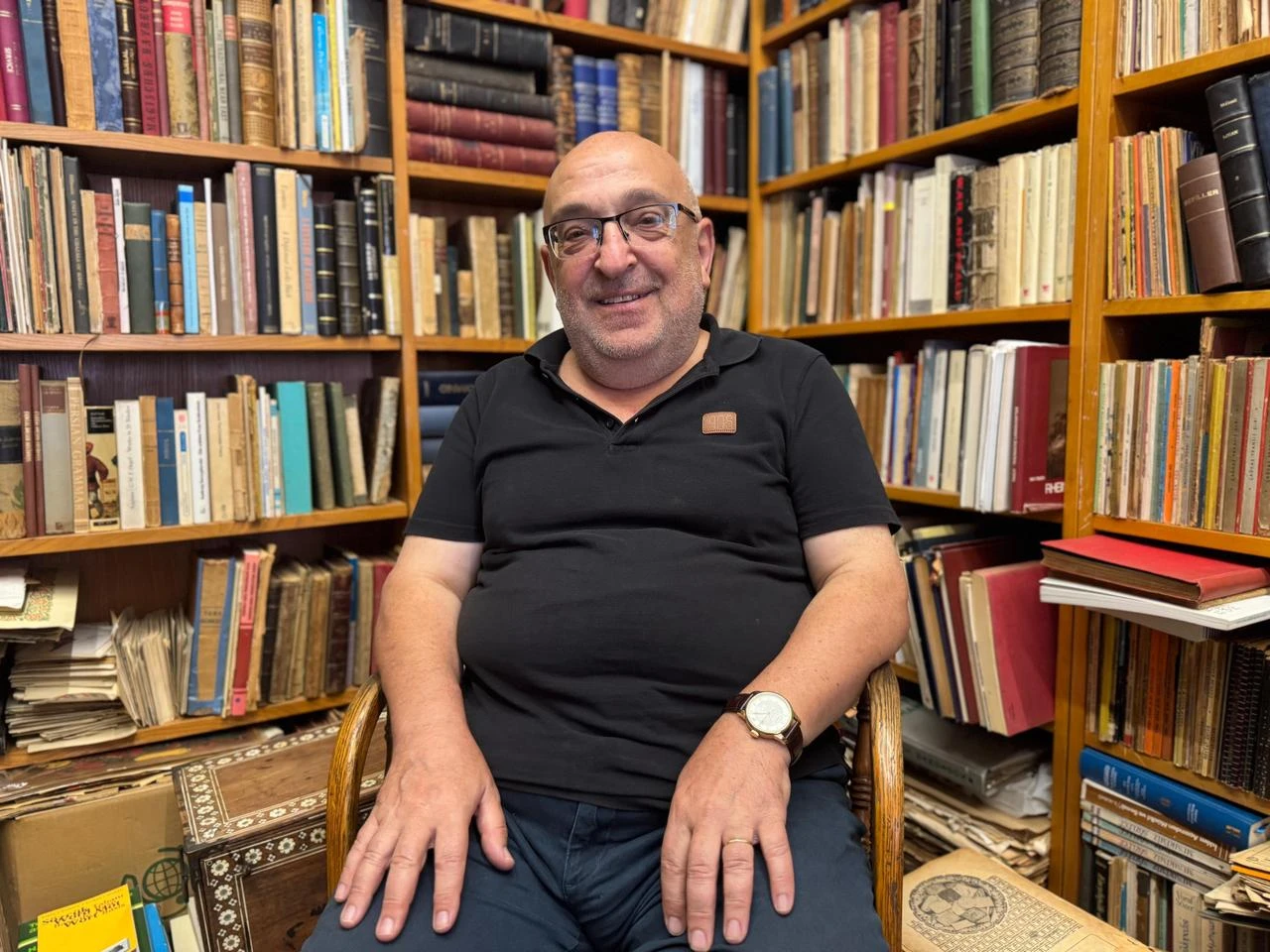
Nedret Isli, an author, editor, publisher and owner of Istanbul-based Turkuaz Sahaf, said he had looked into the claims by speaking with booksellers and collectors in the United Kingdom and the Netherlands.
An antiquarian bookseller specializes in old, rare, scarce or out-of-print books, rather than newly published titles.
Isli said the people he contacted had not seen AI companies emptying bookstore shelves on a significant scale. At the same time, an acquaintance living in the Netherlands also told him that the issue had not sparked any major public debate.
"I've been researching this from every angle, speaking with booksellers and collectors in both the U.K. and the Netherlands," Isli said. "They told me this has not become a major issue in Europe."
Reports have suggested that some AI companies may be purchasing books, scanning their contents to help train artificial intelligence systems and then destroying the original copies.
Isli, however, argued that such a process would make little commercial sense for profit-driven businesses.
"These companies exist to make money," he said. "Why would they buy a book, scan it and then destroy it?"
He pointed out that many books found in secondhand stores are out of print or difficult to obtain. Still, copies are often already held by libraries, universities and research institutions around the world.
Because those works have already been preserved in major collections, Isli said he could see no clear reason for companies to destroy additional copies after digitizing them.
He added that even if bulk buying was taking place in certain markets, it appeared to be linked to conditions specific to Europe rather than Türkiye's secondhand book trade.

Isli also drew a distinction between ordinary secondhand books and handwritten manuscripts, noting that genuinely rare works are generally already held by established institutions.
He said many European libraries, castles and research collections were broken up after World War II, with important printed books and manuscripts later making their way into institutions in the United States and other countries.
As an example, he referred to German-born antiquarian bookseller Hans Peter Kraus, who moved to the United States after the war, acquired valuable European books and manuscripts, and later sold them to American libraries and research centers.
According to Isli, this history means that previously unknown manuscripts now very rarely show up in European bookstores.
"When such a work does appear, it becomes a major event," he said.
Given the high prices attached to such items, he argued that buying them only to scan and destroy them would be commercially difficult to justify.
"That simply doesn't fit with a capitalist business model," he said.
Isli said reports about AI companies buying books had attracted particular attention in Türkiye because of the country's strong sensitivity toward cultural heritage, archives and the loss of historical material.
"We are highly sensitive when it comes to books, archives and cultural losses," he said. "Even friends who have little connection with books asked me, 'Nedret, what's happening?'"
He added humorously that no AI company or other business had yet approached his store to make a bulk purchase.
Isli said it was still too early to judge whether artificial intelligence would eventually help or harm antiquarian booksellers.
He noted that online platforms and digital communication had helped many secondhand bookstores keep going during the COVID-19 pandemic, showing that new technologies could also support the trade.
Although AI systems can produce inaccurate or misleading information, Isli suggested that such weaknesses could push readers toward more dependable sources.
"Perhaps AI will eventually lead more people back to bookstores like ours," he said.


 Set as preferred source
 Set as preferred source


 1 min read