Newsletters





“The enemy’s attack met with our stubborn resistance; the enemy hesitated; it’s time to take the offensive. Forward everywhere. Make the bugles sound the call, ‘Advance’.”
Order issued by General Albert d’Amade, commander of the Corps Expeditionnaire d’Orient (CEO) at 5:00 a.m. on May 2, 1915.
And then, just hours later:
“The attack, which had been progressing slowly since daybreak, was soon stopped in front of trenches flanked by machine guns. At certain points, the enemy counterattacks."
So reads the entry in the war diary of the CEO—the day-to-day chronicle of the Corps Expeditionnaire d'Orient's commander during the Dardanelles Campaign, known in Türkiye as the Canakkale Savasi.
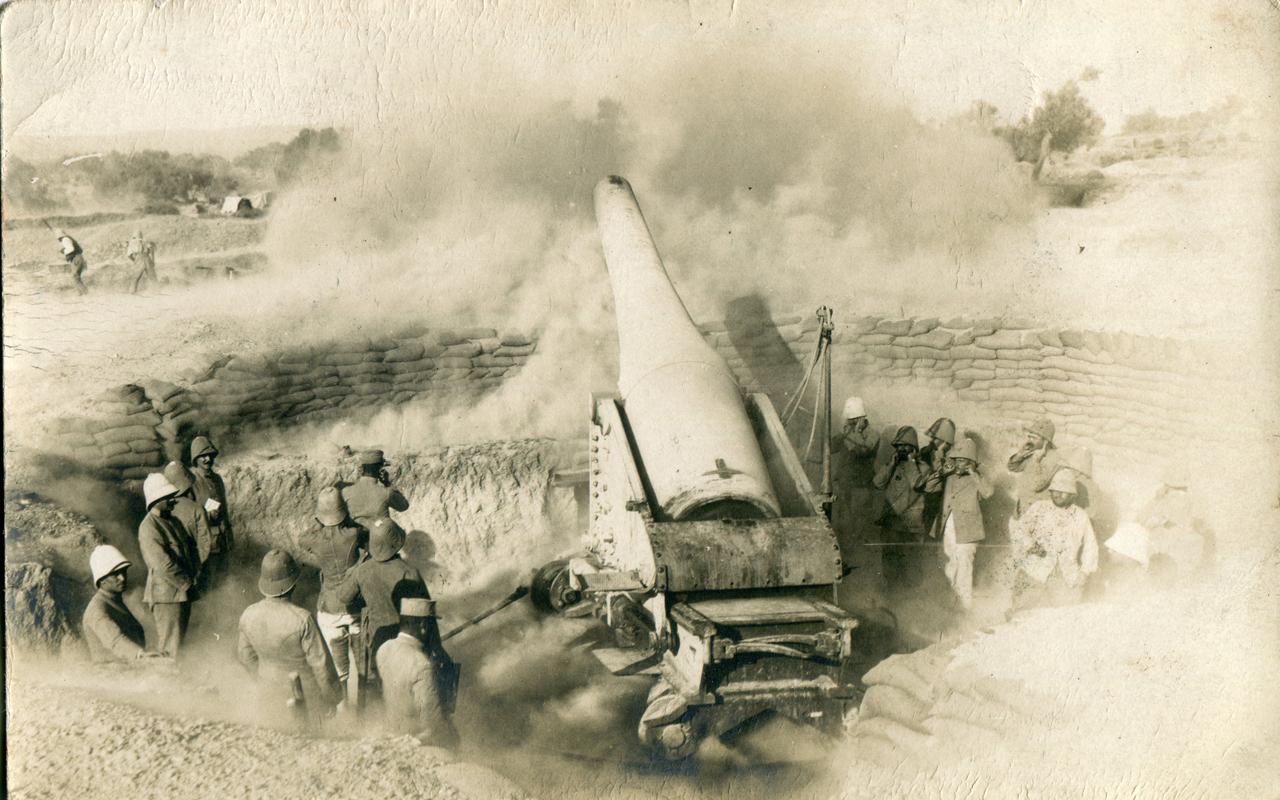
It captures the brutal arc of May 2, 1915: a dawn offensive that stalled against machine-gun nests, Ottoman counterattacks, and a day that ended with heavy losses and scant ground gained for the French and their British allies at the southern tip of Gallipoli.

For keen history students, the book "At the Gates of the Dardanelles" offers a detailed account of the actions, battles won and lost, and casualties endured by the French forces, and in-depth data on the often-ignored importance of logistics in fighting a war, with lists of the supplies and material landed on the peninsula every day that were needed to keep an army operating.
However, this is not just a book of reports and statistics; it is the story of over 80,000 men—soldiers of France—representing countries around the globe.
The Dardanelles Campaign was a battle of empires: fundamentally the Ottoman, German, and Austro-Hungarian Empires on one side and those of France and England on the other.
More than any other contingent that took part in the campaign, it was the French who best epitomized the concept of empire, with men in its ranks from all corners of the world.
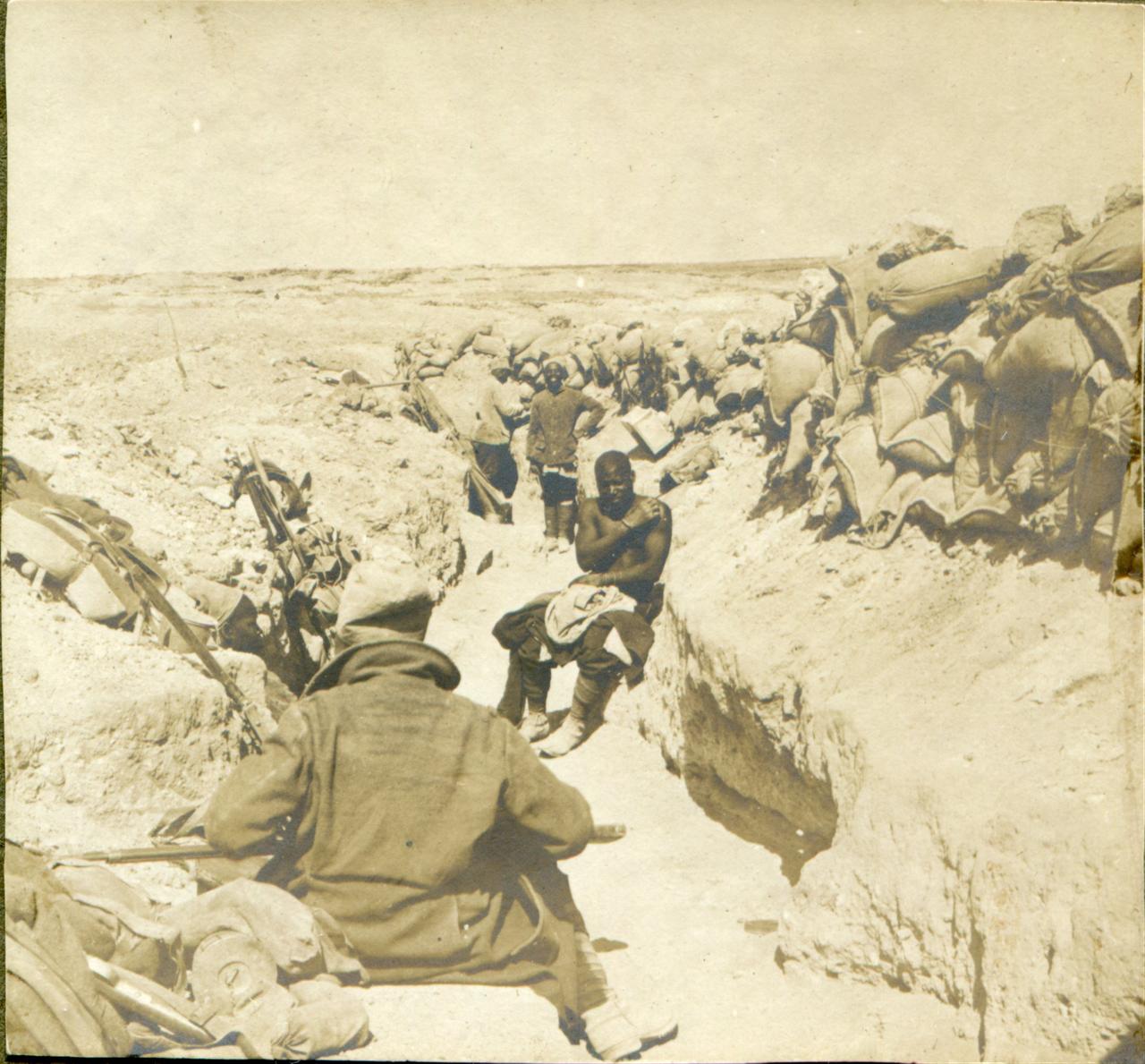
Only a fraction of the CEOs were from metropolitan France, with men from across the French Empire serving on the peninsula.
Along with men from mainland France, there were soldiers from Algeria, Tunisia, Cameroon, Mauritius, Madagascar, Tahiti, Senegal, Guadeloupe, Martinique, Benin, Sudan, and Cote d’Ivoire.
The list of nationalities in the French ranks widens far further with the soldiers of the Foreign Legion, which included officers and men from countries as diverse as New Zealand, the United States, Switzerland, Belgium, Russia, Britain, Greece, and Italy.
There were even men from the other side, with soldiers who called Germany, Austria-Hungary, and the Ottoman Empire itself home, who served in the Legion’s ranks.
Released by Little Gully Publishing, a press based in Australia that specializes in books dealing with the Dardanelles Campaign and other fronts in the Aegean and Mediterranean during World War One, "At the Gates of the Dardanelles" is illustrated with original photos, many of which have never been published before, and a series of maps allowing the reader to link the words on the page to the action on the ground.
Even more maps, and the original war diary of the CEO, are also available to those who buy the publication in either hard copy or as an online book, with Little Gully providing a code to allow all the source material to be downloaded.
The history of the French role in the Gallipoli Campaign, as it is also known, is often lost among the stories of France’s allies in the fight against the Ottoman Empire—Great Britain, Australia, New Zealand, India, and even Canada.
However, more soldiers of France fell in the campaign than all the allied forces except Britain, with some 10,000 now lying in Turkish soil.
Thousands more were wounded, including General d’Amade’s successor as commander of the French forces, General Henri Gouraud. Nowhere was safe in the Allied lines, not even for senior officers or the evacuated sick.
It is their story—the suffering, the hardship, and the sacrifice in what was ultimately a defeat—told through the records of the CEO and a rich stream of footnotes that editor and translator Tom Iredale has helped bring to life in "At the Gates of the Dardanelles."


 Set as preferred source
 Set as preferred source



 3 min read