Newsletters


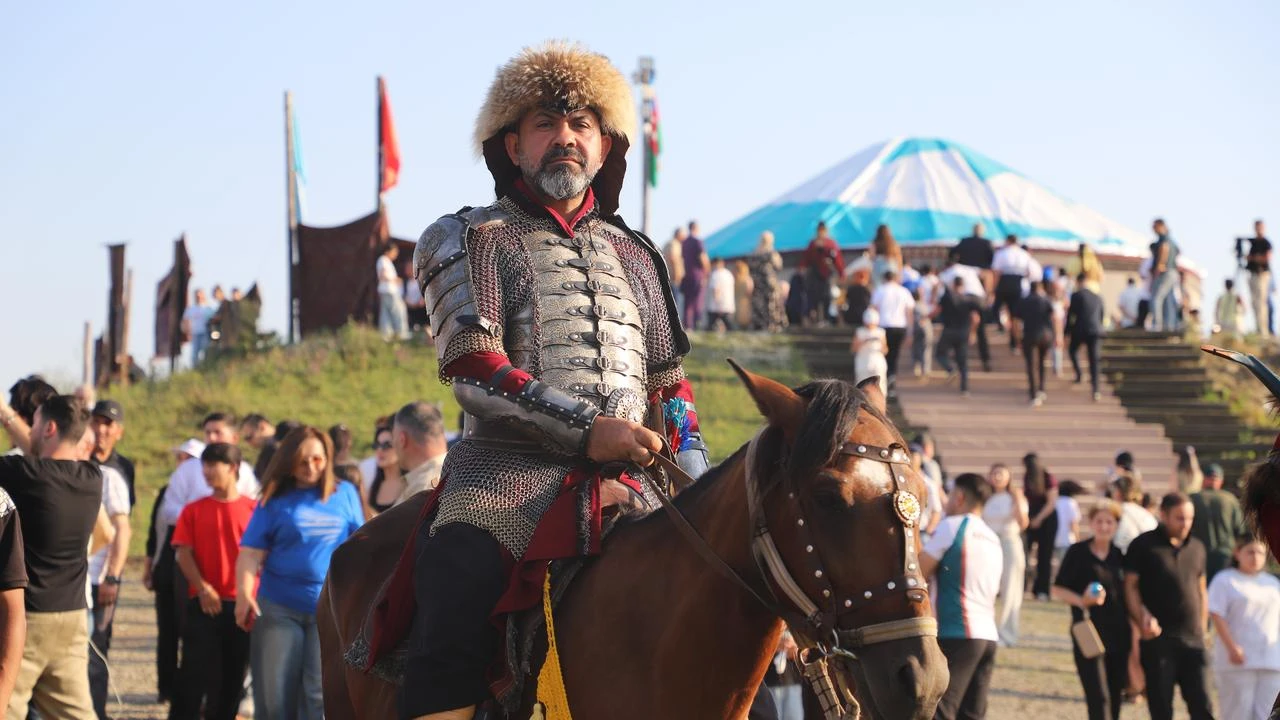
Azerbaijan's fifth National Yayla Festival opens in Goygol, a region in western Azerbaijan near the city of Ganja, drawing thousands of visitors from more than 20 countries.
Organized by the Cevat Han History and Culture Foundation at the Han Yurdu Etno Kasaba, a traditional village site on the Han Yaylasi highland pasture, the gathering celebrates the shared heritage, sport and everyday customs of Turkic peoples through crafts, competitions and music.
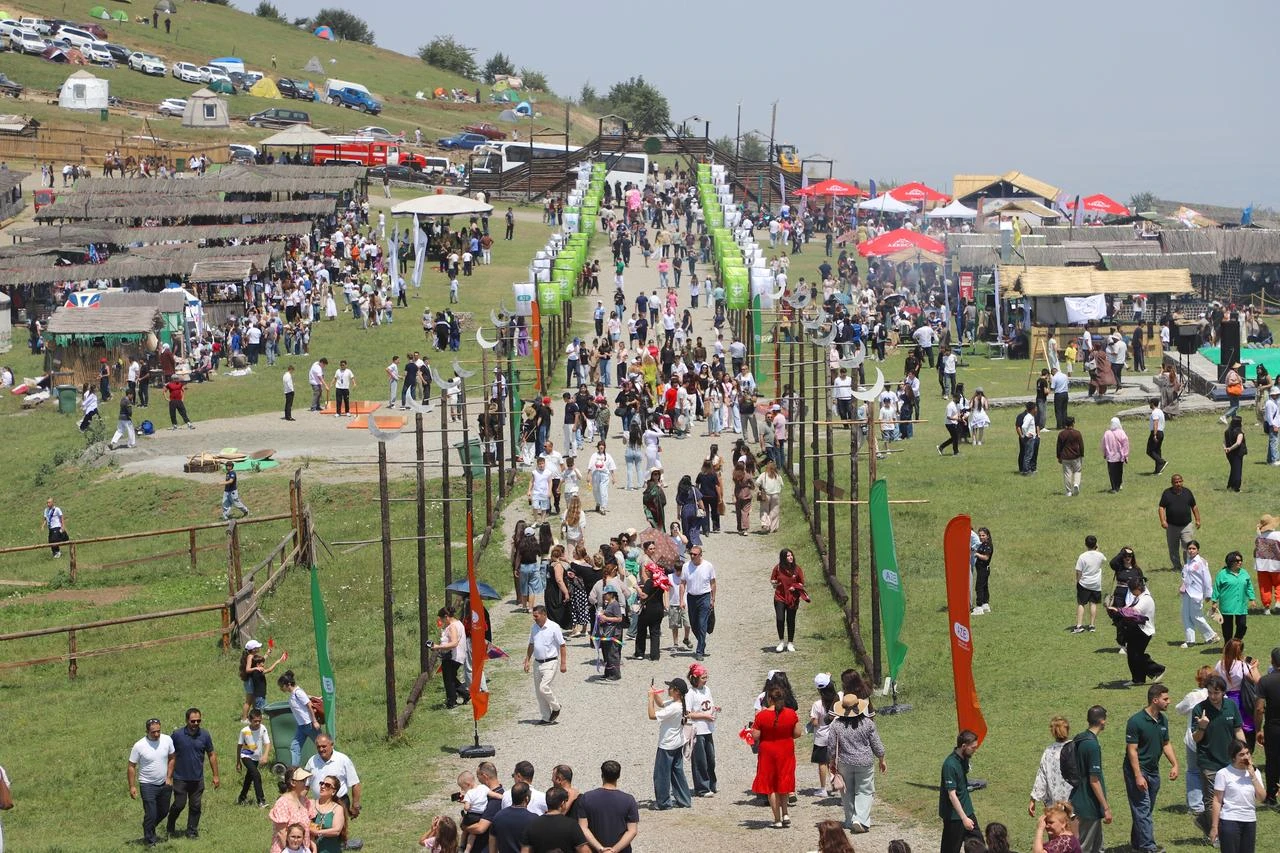
Visitors stream through the wooden gates of the Han Yurdu Etno Kasaba as the festival opens on the Han Yaylasi, a highland pasture above Goygol.
The site recreates a traditional Turkic settlement, with timber structures and open courtyards designed to reflect centuries-old highland life.
Organizers describe the setting as central to the event's mission of keeping pastoral customs alive for younger generations.
The Cevat Han History and Culture Foundation leads this year's program with support from Azerbaijan's Ministry of Youth and Sports, the Turkish Cooperation and Coordination Agency (TIKA), the World Ethnosport Union, the Turkish Culture and Heritage Foundation and the Yunus Emre Institute.
Their combined backing has expanded the festival since its first edition into a multi-day gathering drawing participants from across the Turkic world.
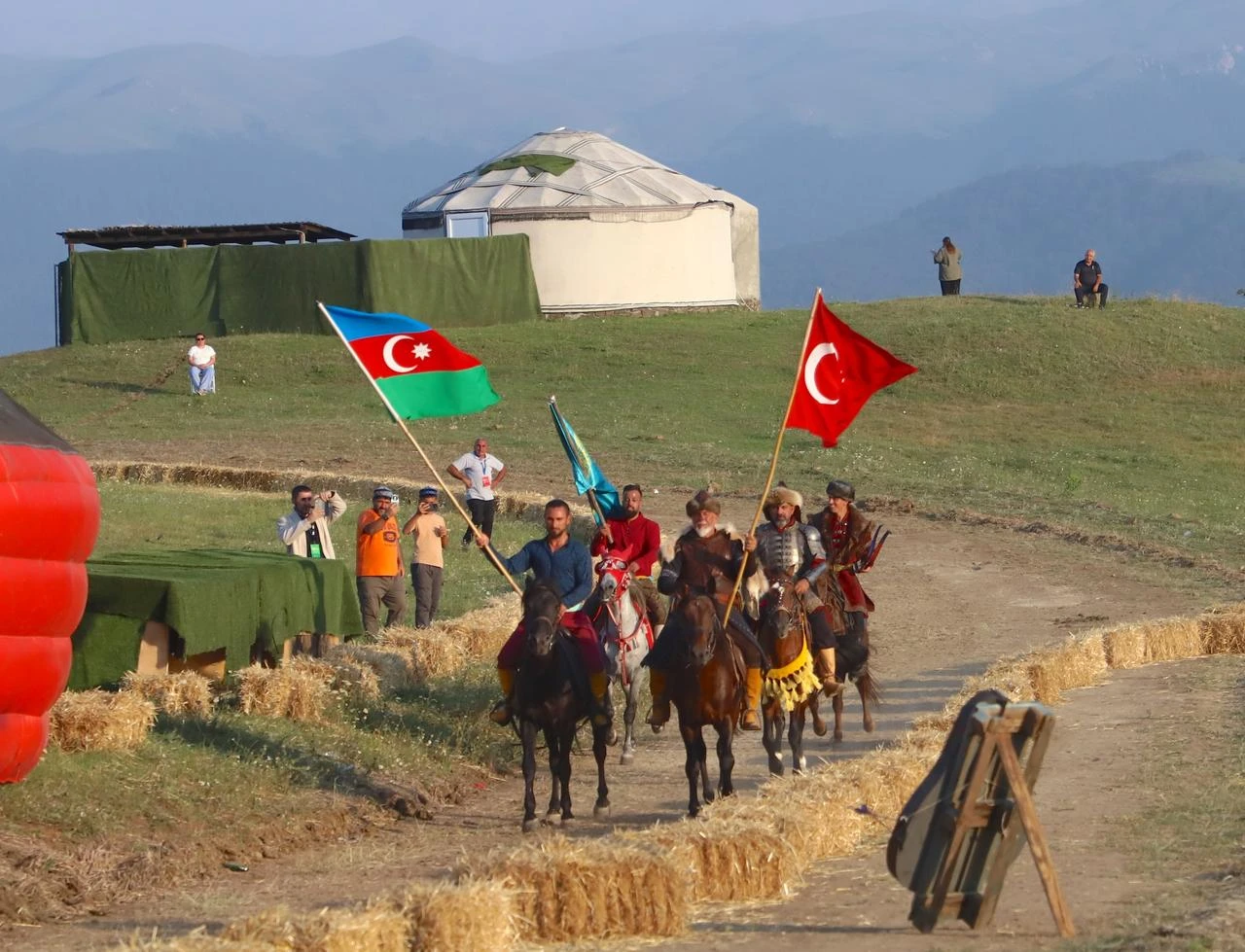
Flags and banners representing more than 20 participating countries line the festival grounds, reflecting the international reach of an event rooted in regional tradition.
Organizers say the growing turnout from abroad signals rising interest in the shared cultural threads that connect Turkic communities from Central Asia to the Caucasus and beyond.
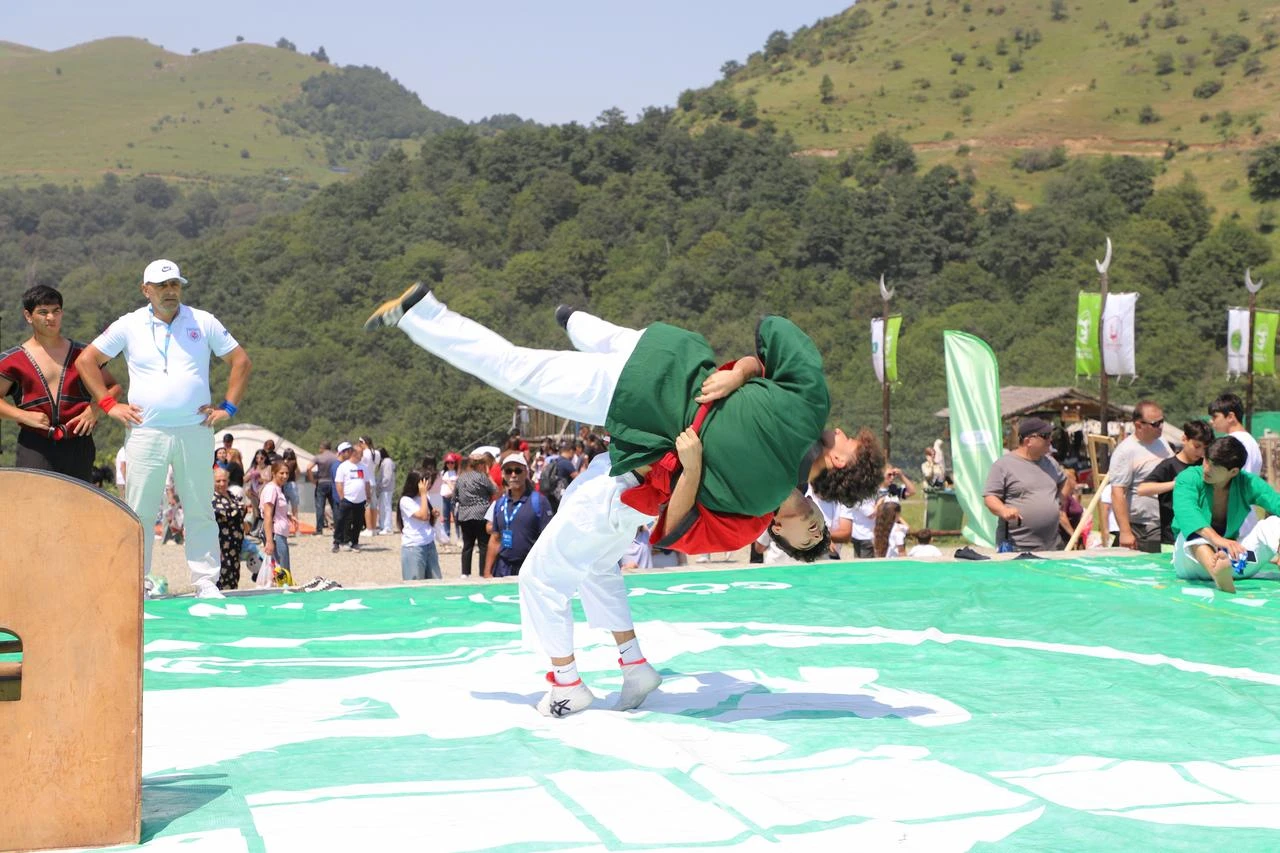
Wrestlers grapple in the festival's pehlivan guresi, a traditional form of oil wrestling long practiced across the Turkic world.
The bouts draw some of the largest crowds of the program, with competitors testing strength and technique on open ground before spectators gathered along the edges of the arena.
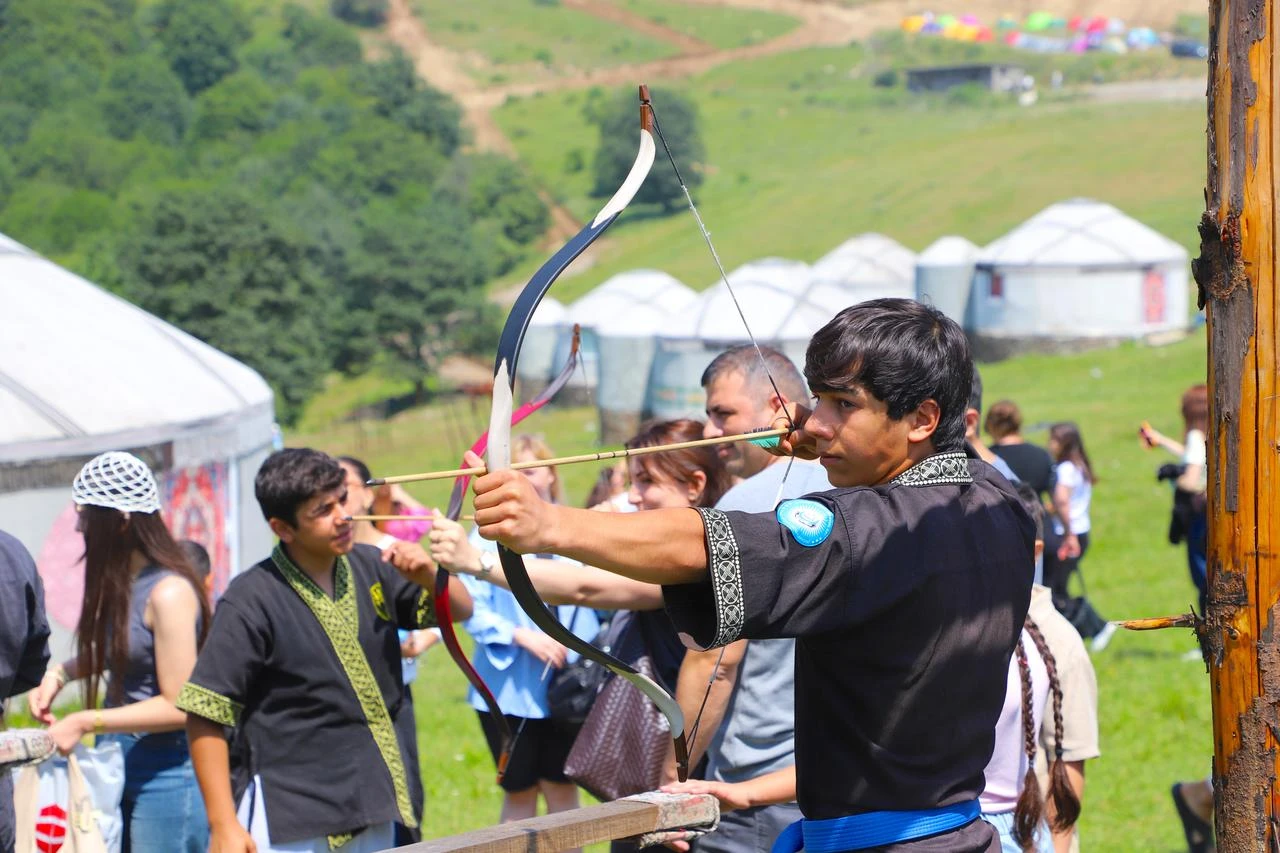
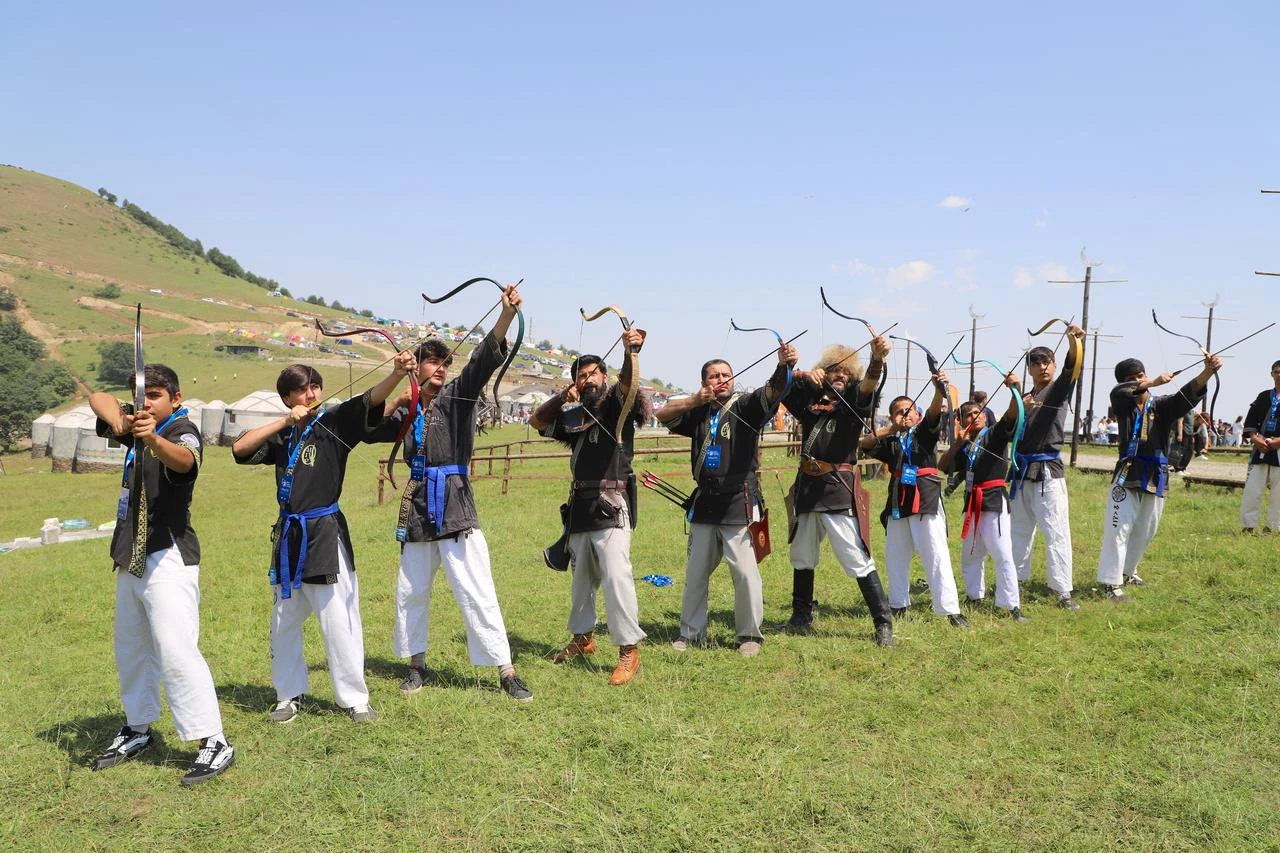
Archers take aim during one of the festival's mounted and standing archery demonstrations, a discipline historically tied to nomadic and highland life across the region.
The displays highlight traditional equipment and technique, offering visitors a direct look at skills once essential to travel, hunting and defense on the steppe.
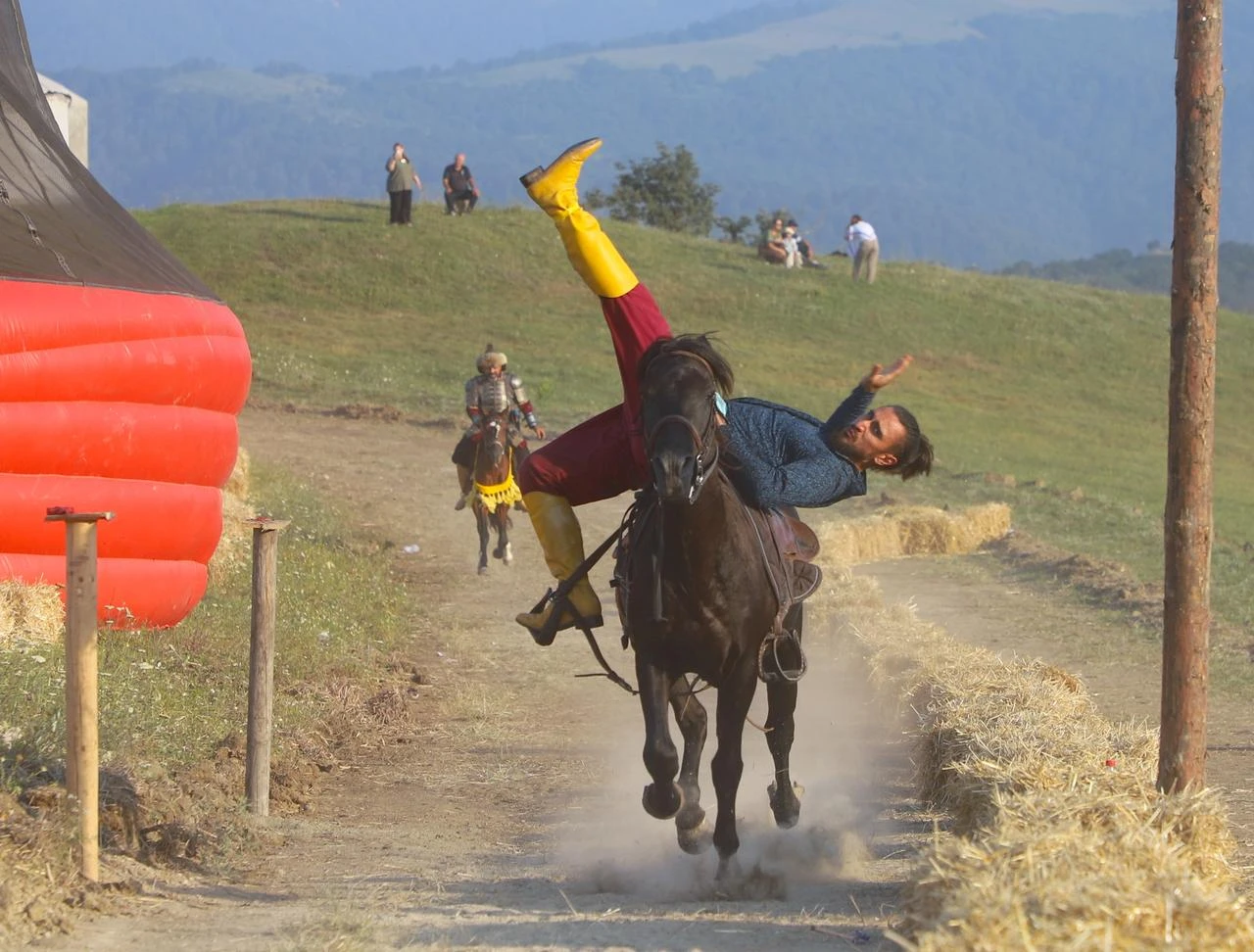
Riders showcase equestrian skill during the festival's horseback sporting events, part of a program built around games historically practiced by highland communities.
The performances range from speed and control exercises to displays of horsemanship passed down through generations of pastoral families in the region.
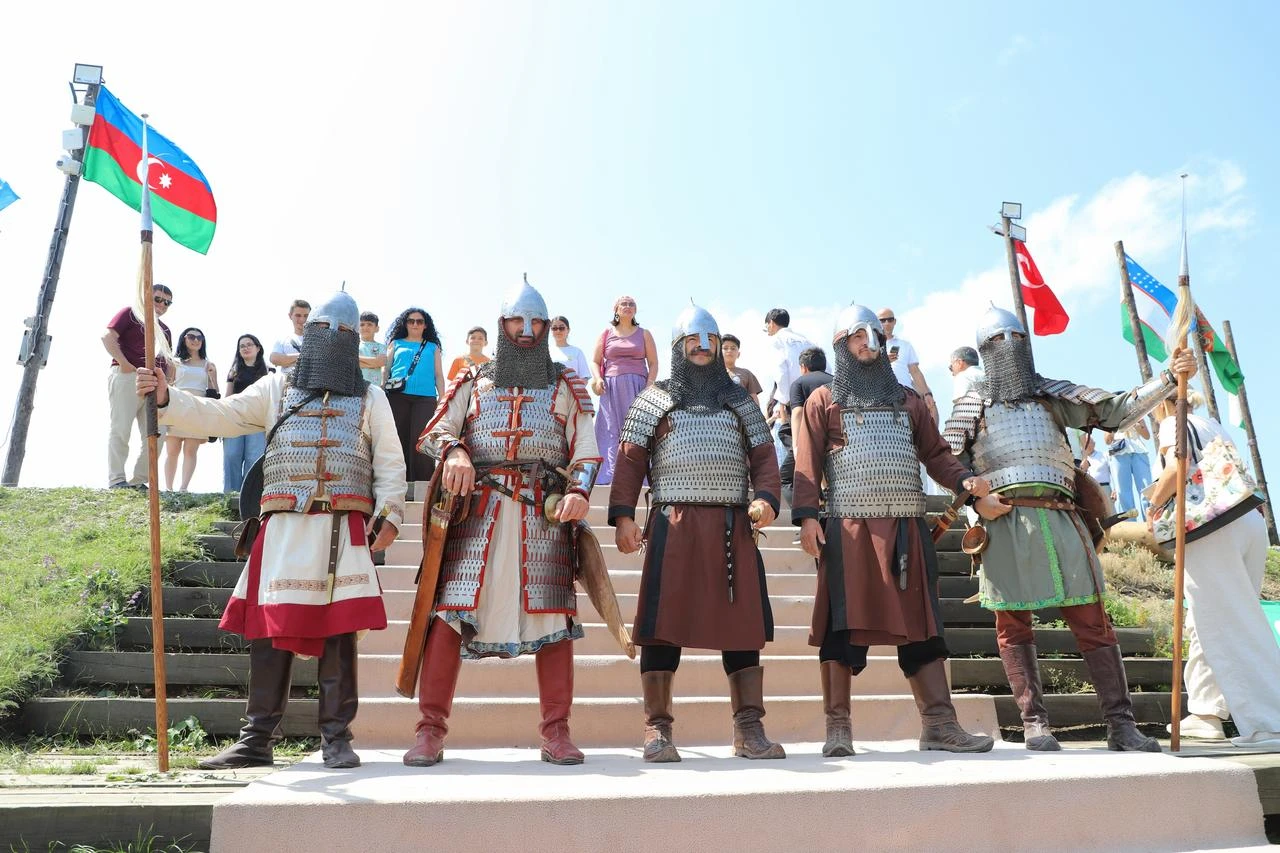
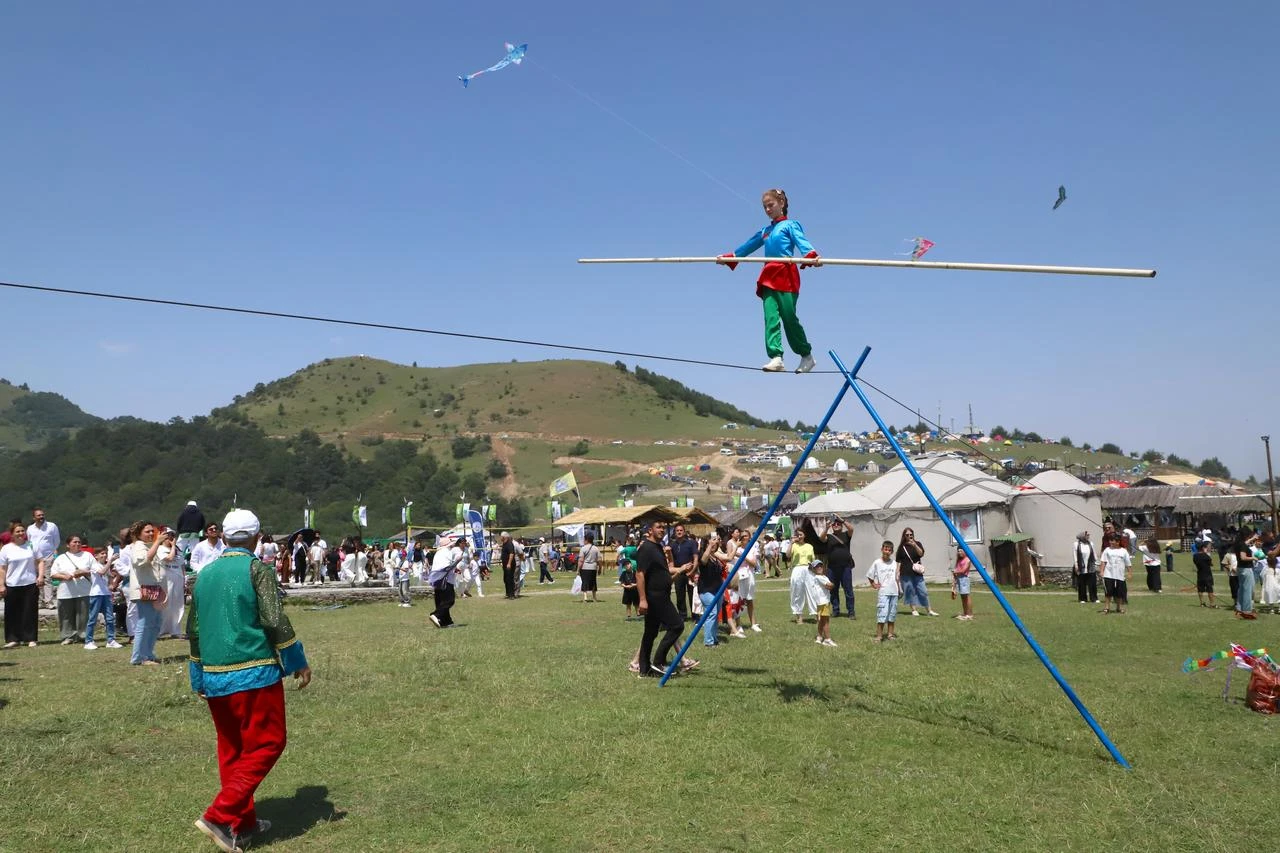
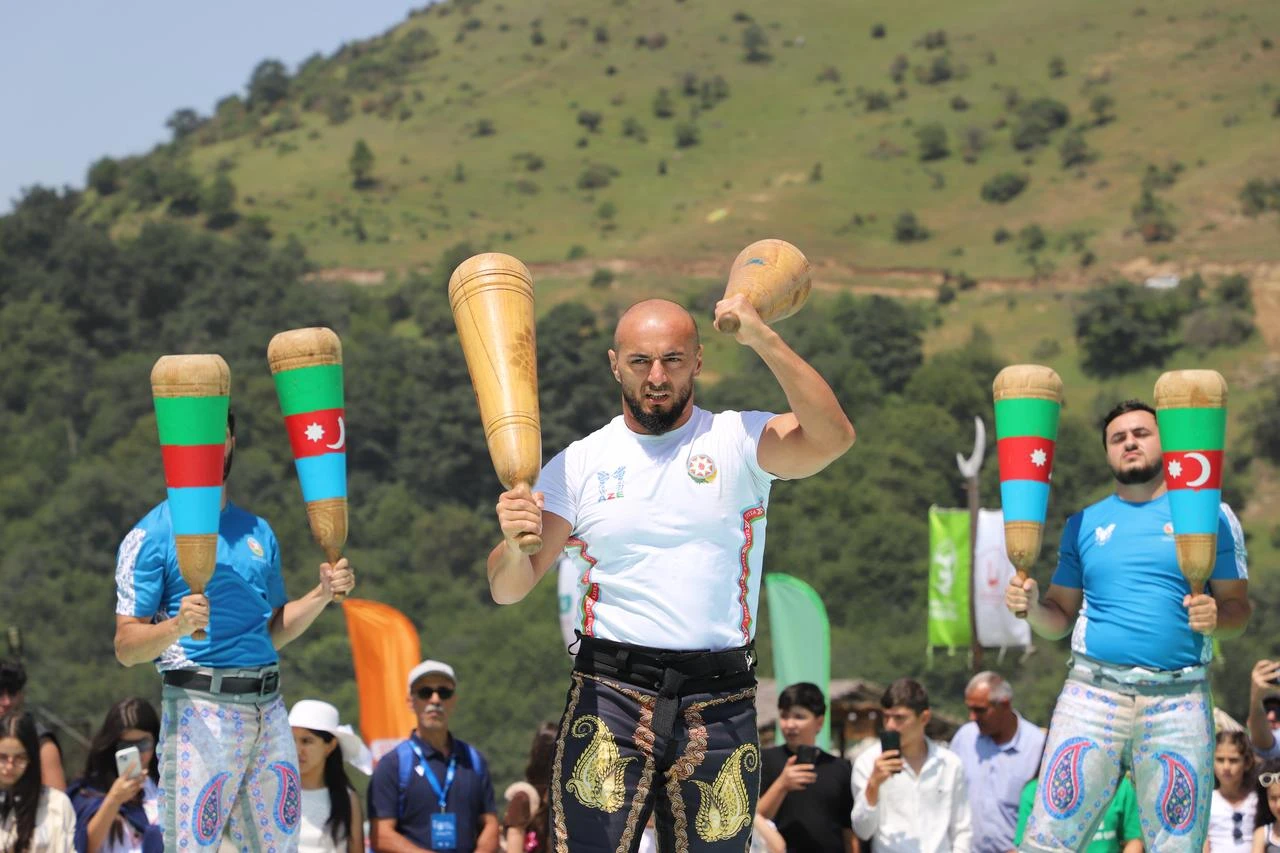
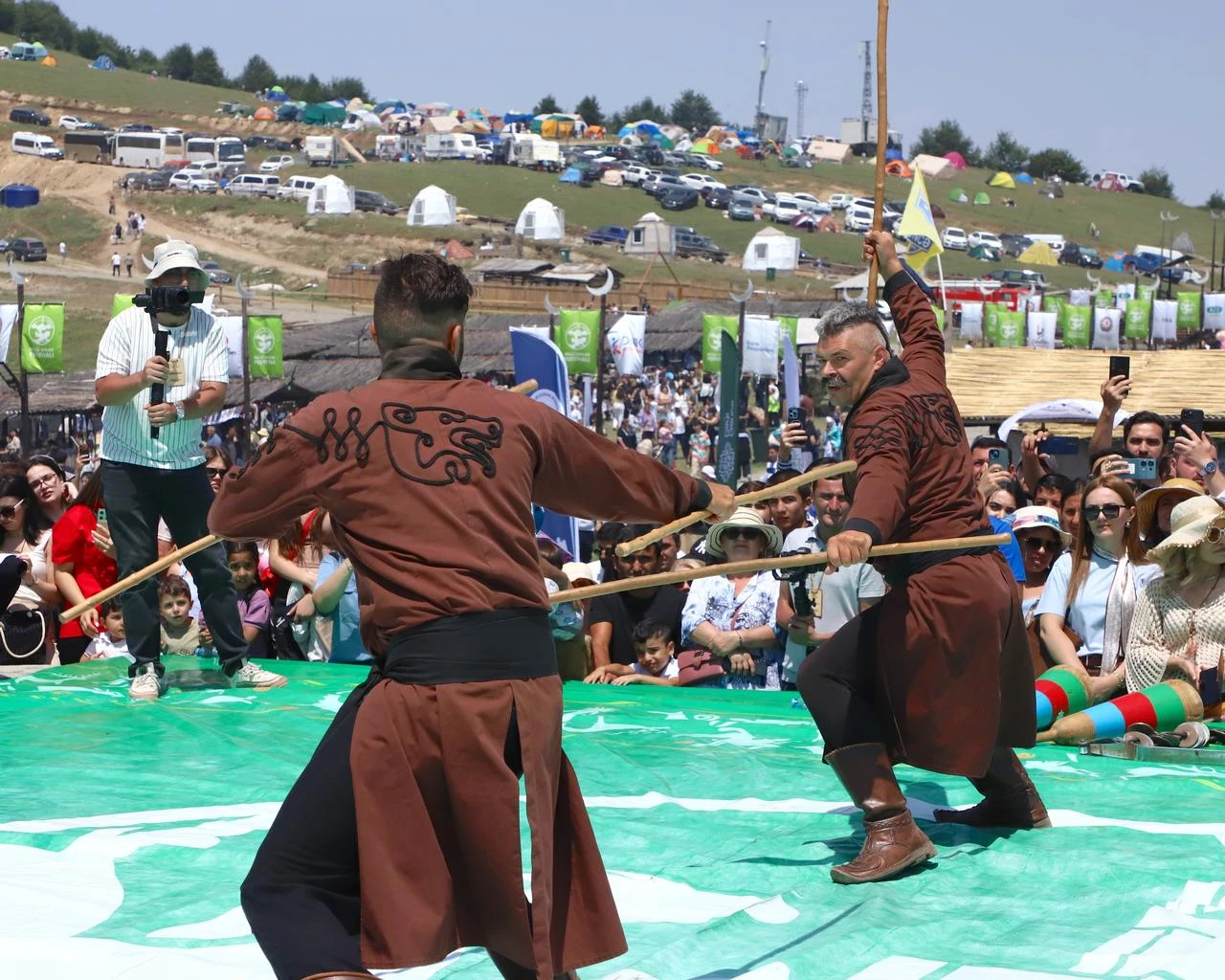
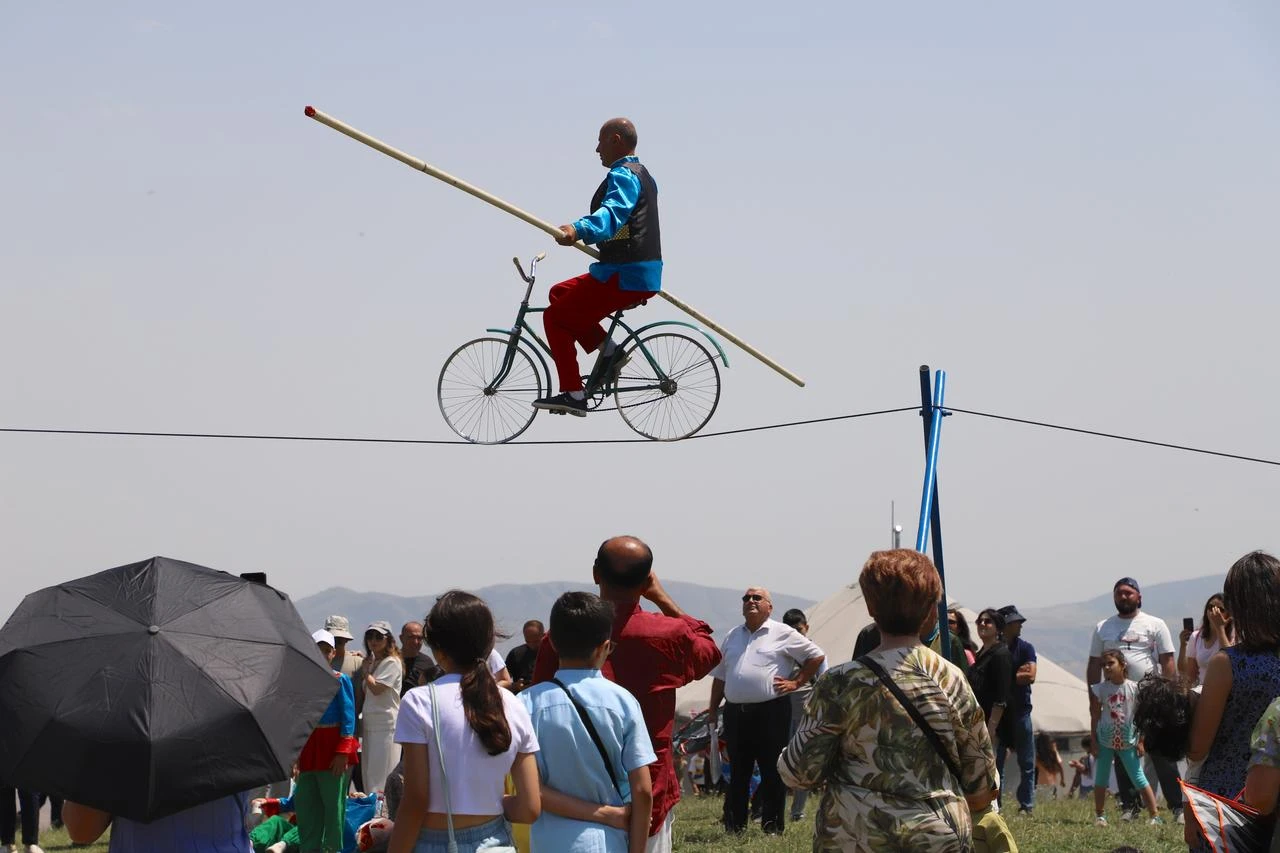
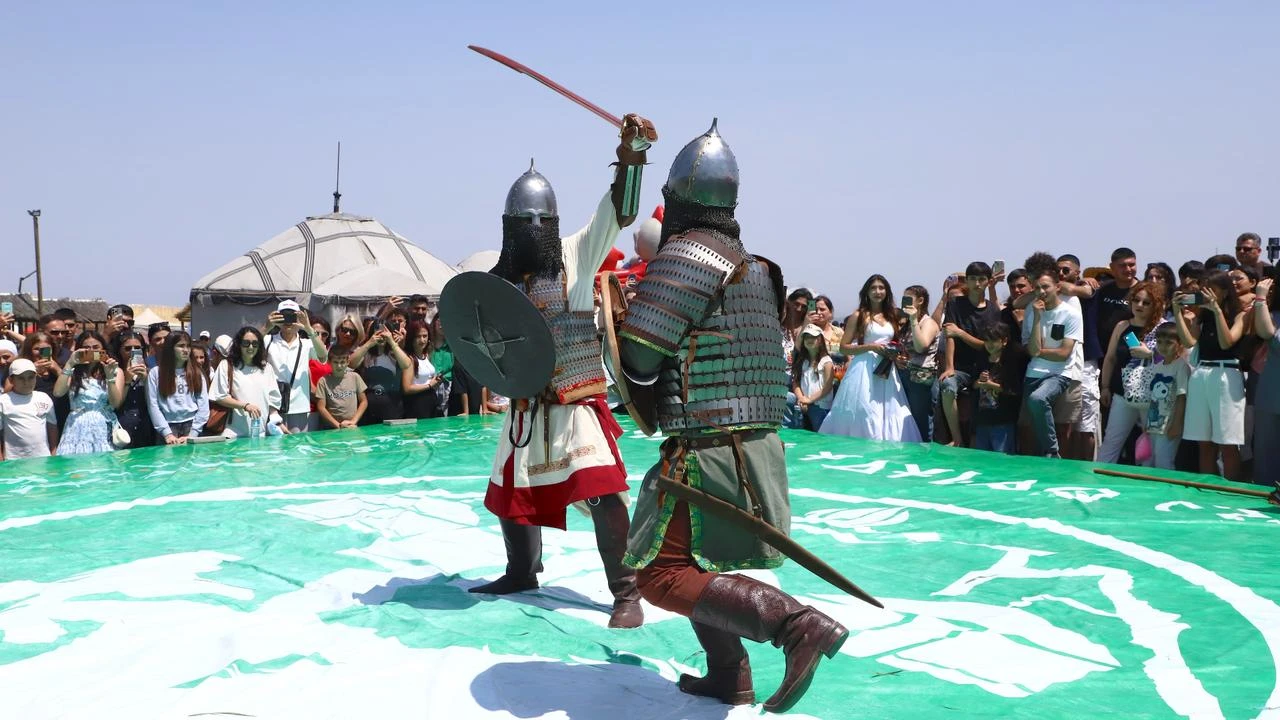
Martial artists and sword performers take turns on the main stage, joined by acrobats whose routines add a physical, high-energy dimension to the day's program.
Together the performances trace a line from combat traditions to festival entertainment, illustrating how historic skills have been adapted for a modern audience.
In the festival's craftsmen's corner, artisans demonstrate techniques passed down through generations, from textile work to metal and woodcraft.
Their stalls give visitors a close look at production methods rarely seen outside workshop settings, with several craftspeople pausing to explain their tools and materials to onlookers.
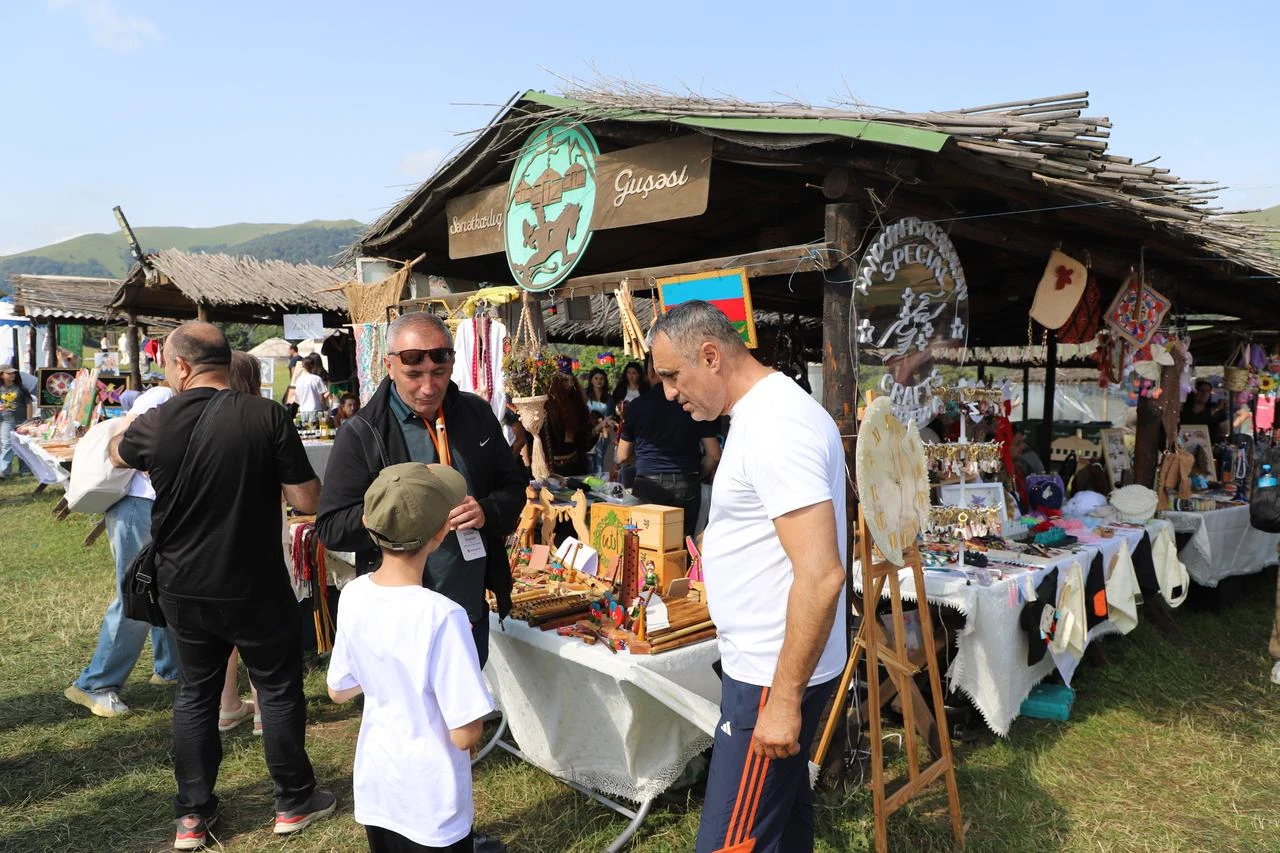
Finished handicrafts line the tables at the Etno Kasaba market area, where organic produce sits alongside locally made souvenirs.
The market functions as both a commercial space and an informal exhibition, giving visitors a tangible connection to the region's rural economy and material culture.
Stalls offering traditional dishes draw steady interest throughout the day, with organizers highlighting regional recipes as part of the festival's broader cultural program.
Food has become one of the event's central attractions, giving international visitors an accessible entry point into local customs.
A visitor examines handmade goods at one of the market stalls, part of a broader effort by organizers to connect craft traditions with everyday commerce.
Similar scenes repeat across the festival grounds, where small-scale producers interact directly with an international audience.
Musicians and folk dancers perform throughout the day, with routines drawing on shared Turkic musical traditions.
The performances run continuously across the festival site, providing a rhythmic backdrop to the crafts, sport and market activity taking place nearby.
Families gather for picnics across the festival grounds, adding a relaxed, communal dimension to a program otherwise built around competition and performance.
Organizers say the picnic areas were deliberately designed to give visitors space to unwind between scheduled events.
As the festival's first day draws to a close, organizers confirm a further round of cultural and sporting events for the following day before the gathering concludes.
The closing program is expected to draw many of the same crowds that filled the Han Yaylasi grounds throughout the opening day.


 Set as preferred source


 2 min read