Newsletters


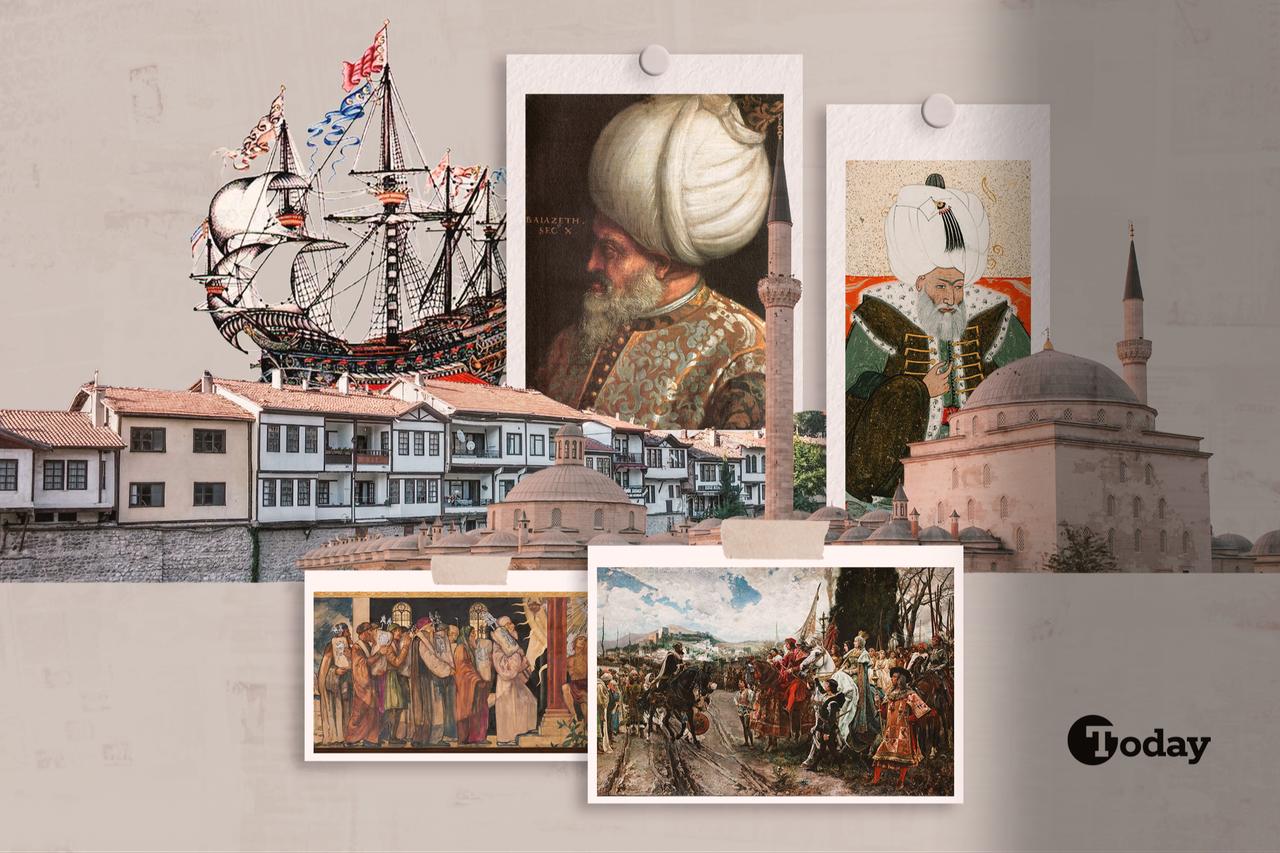


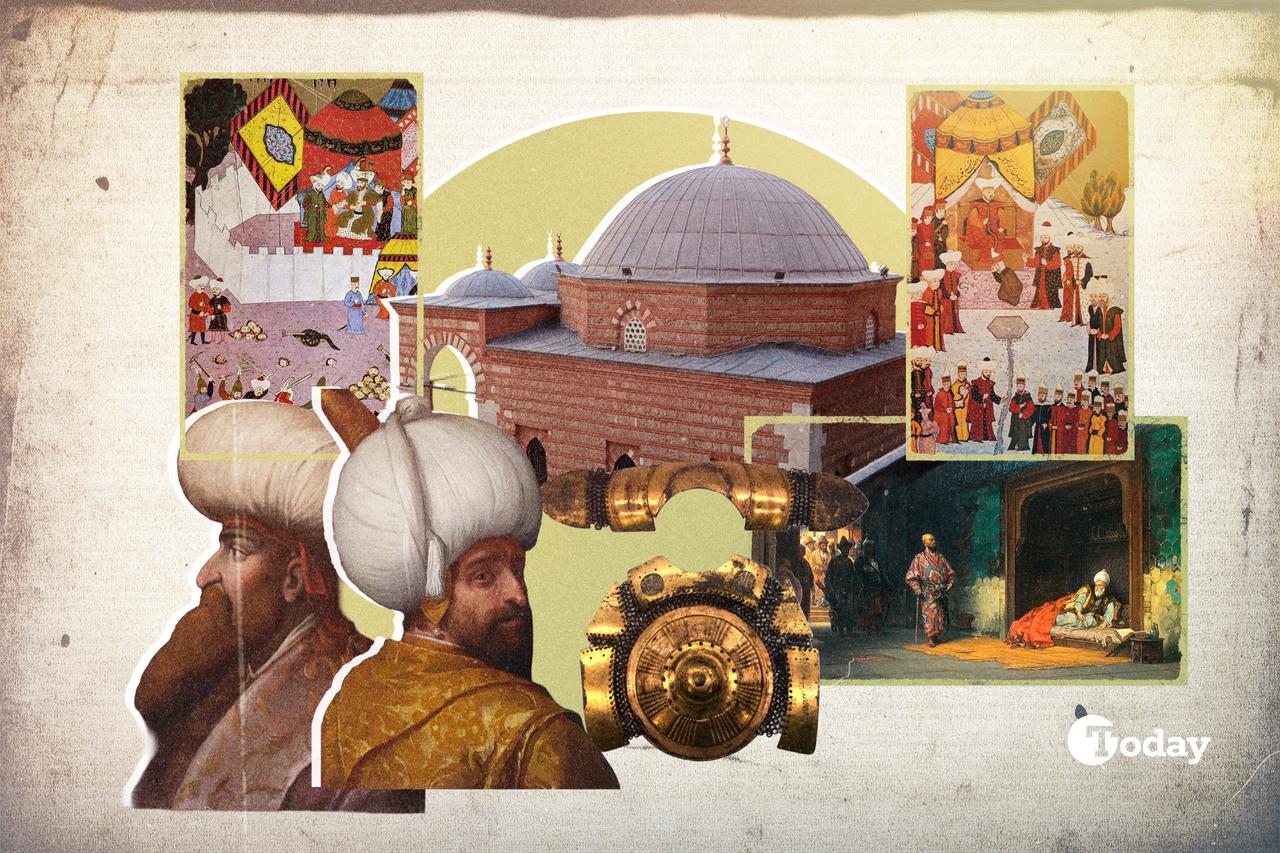
Power in the Ottoman world was not only measured by conquest, but by conscience. Before ascending the throne, Prince Bayezid withdrew into a spiritual retreat in Amasya, shaping a vision of rulership grounded in humility, justice and compassion. These qualities would later define his reign, earning him the title “veli,” also known as “wali,” the saintly sultan.
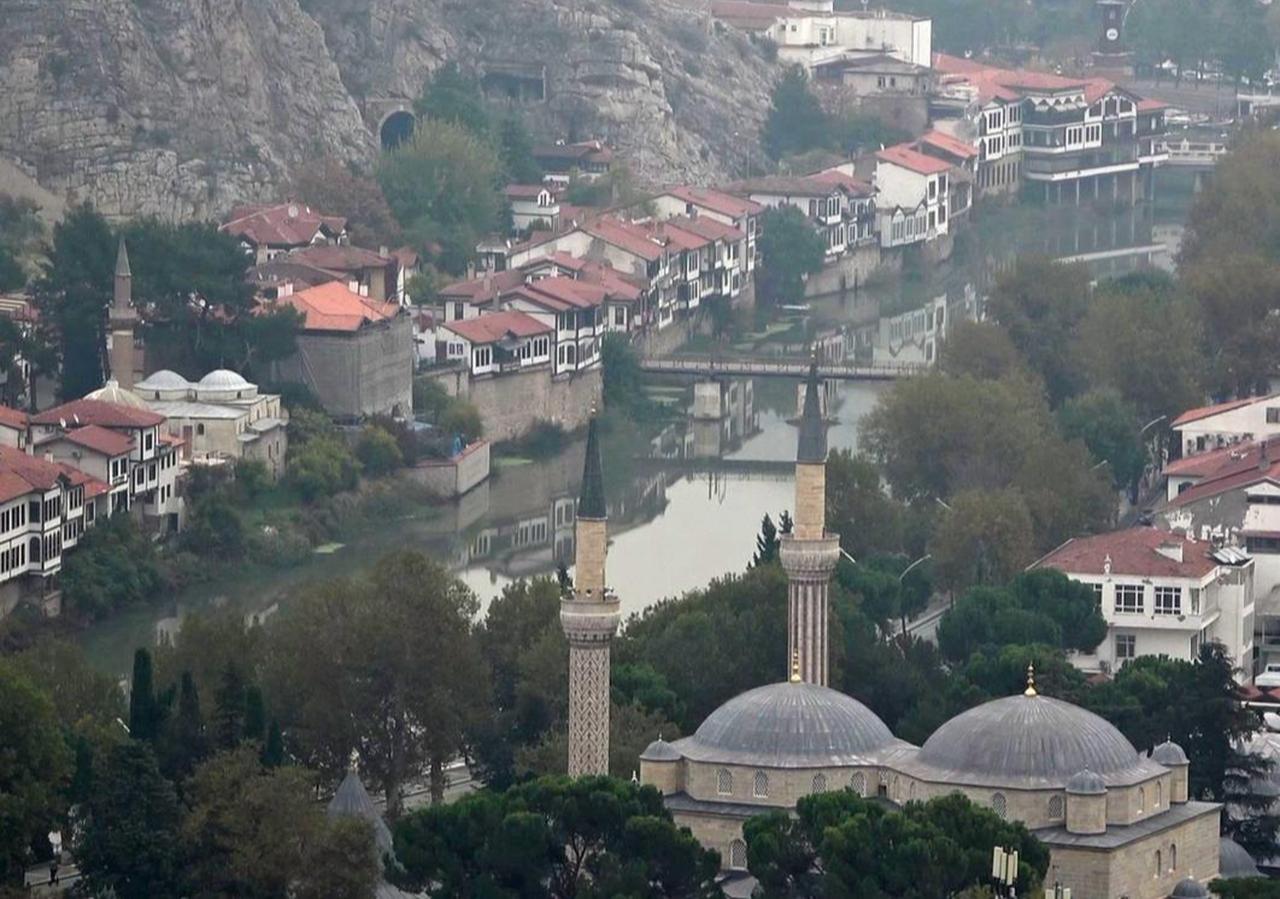
Dawn was breaking over Amasya. The Yesilirmak River wound slowly through the valley, cradled by rugged mountains rising above the Black Sea. In a dervish lodge, far from the palace and its courtly intrigue, a young Ottoman prince sat alone in his cell.

For 40 days, he remained withdrawn from the world, fasting and praying, meditating on the divine, and wrestling with his own soul. Forty–the sacred number: the days Prophet Musa (pbuh) spent on Mount Sinai, the years the Prophet Muhammad (pbuh) waited before he received the first revelation. This was not the usual training of a future sultan. It was “cile,” a trial of self-discipline, designed to subdue pride, cultivate humility and purify the soul. Only by governing himself could he hope to rule others with justice, mercy and compassion.
Inside the modest lodge, Prince Bayezid’s days passed in silent reflection. The gentle murmur of a nearby spring mingled with the cooing of doves resting along the eaves, the cool stone floor pressing against his knees as he studied the Quran. Under the guidance of the Halveti sheikh, he learnt to listen. Not just with his ears, but with his heart.
It was said he was gifted with “karamats,” quiet, supernatural graces manifesting as wisdom, righteousness and an instinctive inclination to do good. Those who met him glimpsed something rare: a ruler in whom justice and piety were inseparable, a prince tempered by discipline and compassion, destined to earn the epithet, Veli.
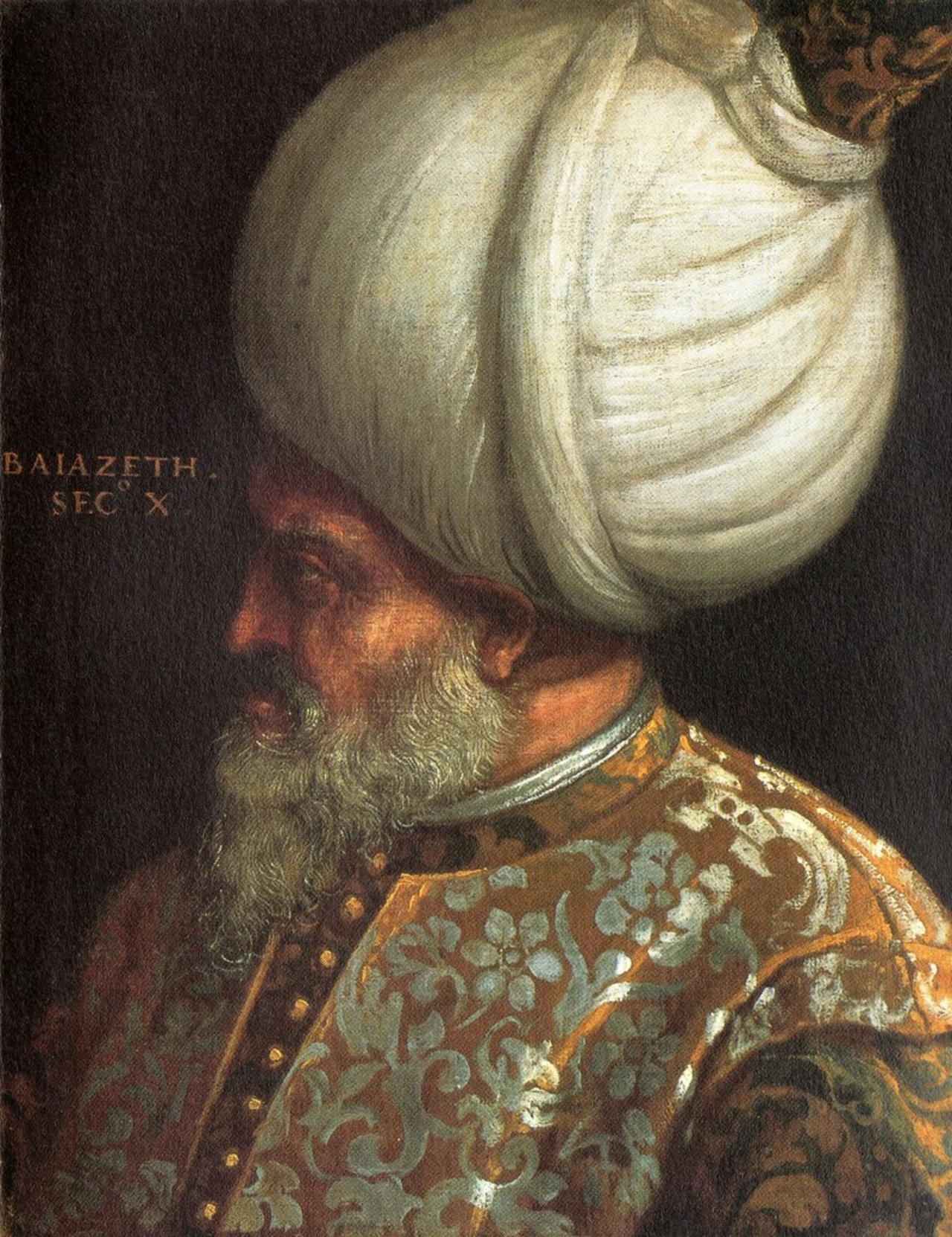
In Islamic tradition, a veli is a “Friend of Allah,” a person marked by spiritual closeness to Him. Such men inspired awe and devotion, their presence and deeds seemingly guided by something higher.
Sultan Bayezid II was one such man. His devotion was not merely contemplative. It infused every decision he made. He understood that with immense power came immense responsibility. Chroniclers praised him as merciful, loyal and generous; his charity alone was said to lift the poor from poverty.
He was a sultan who listened with his conscience, and it was this rare combination of piety and compassion that would determine his response when cries for help reached the Ottoman Court, and the fate of thousands rested in his hands.
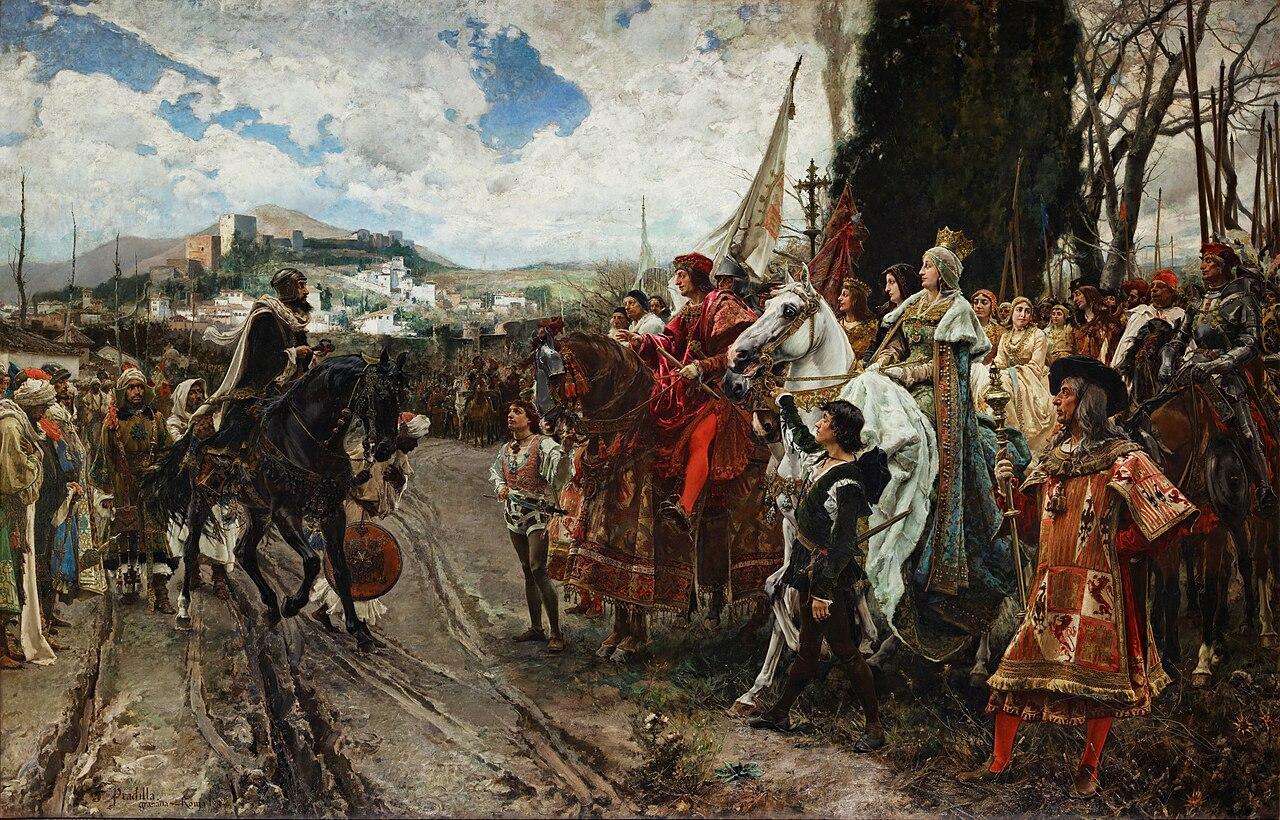
In 1492, the Nasrid Kingdom of Granada fell to the joint forces of Ferdinand and Isabella. Seven centuries of Islamic rule on the Iberian Peninsula came to an end, and the Muslim and Jewish populations were confronted with a brutal choice: forced conversion, expulsion, or death at the hands of the merciless Spanish inquisition.
Word of their suffering reached Sultan Bayezid, and he did not hesitate. To him, power was not a privilege to be enjoyed, but a sacred trust to be upheld, a responsibility to defend the oppressed. He ordered the Ottoman fleet, under the command of Kemal Reis, to sail west. Muslims were evacuated to safety, and tens of thousands of Sephardic Jews were offered refuge in Ottoman lands.
They arrived with little more than what they could carry: sacred books, keys from homes they would never see again, their customs and traditions. Most settled in Istanbul, Izmir and Salonica, where they rebuilt their lives and communities. For generations thereafter, Sephardic Jews would pray for the soul of Bayezid Veli, blessing the “Friend of Allah,” the saintly sultan whose compassion transcended politics, religion, and saved their lives.
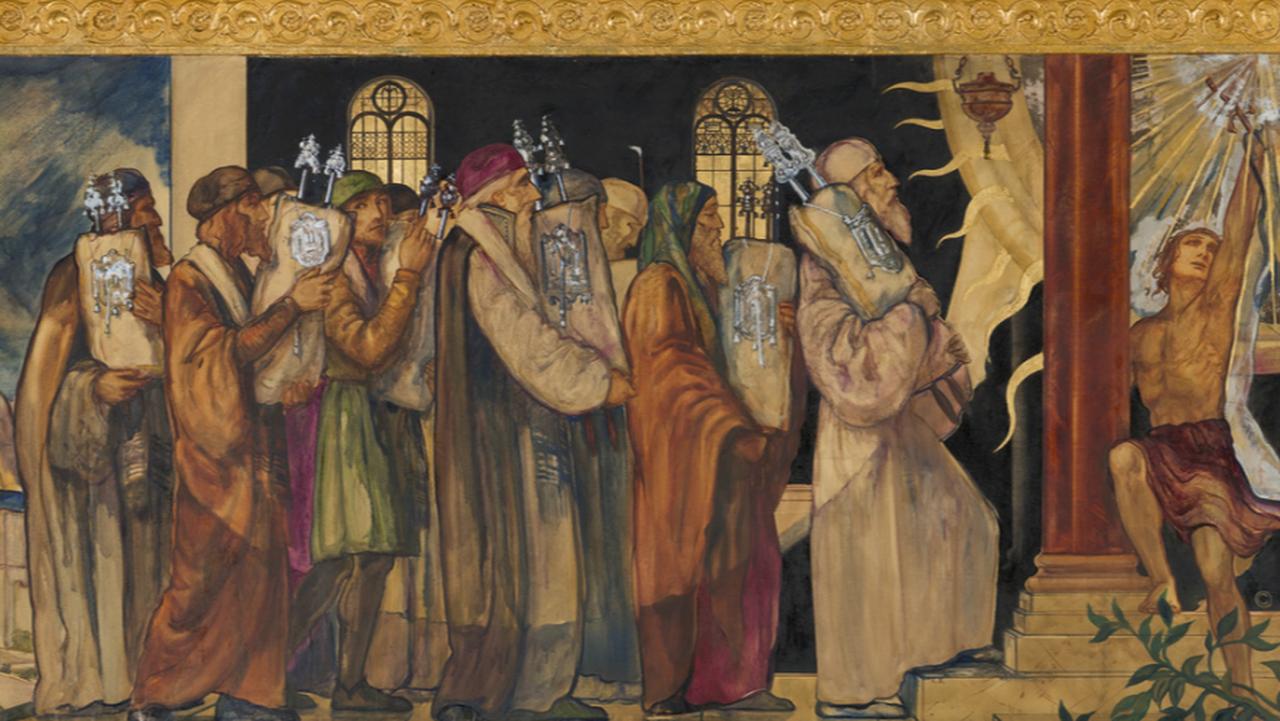
In an age defined by religious intolerance, when no other great power would open its doors, Bayezid chose mercy. He offered sanctuary where others offered persecution. He allowed families to recover, communities to flourish, and faith to be practised freely. His actions remind us that the true measure of a ruler, and indeed of any human being, is not wealth or power, but the capacity to extend kindness and empathy to those in need.
Memories may fade, but such acts of humanity must not be forgotten. Once received, they carry an obligation: to show the same compassion to others. Remember this when wandering the narrow streets of Istanbul’s Jewish quarter in Balat, or walking along the bustling port of Salonica, where Ladino songs once echoed through windows and synagogues.
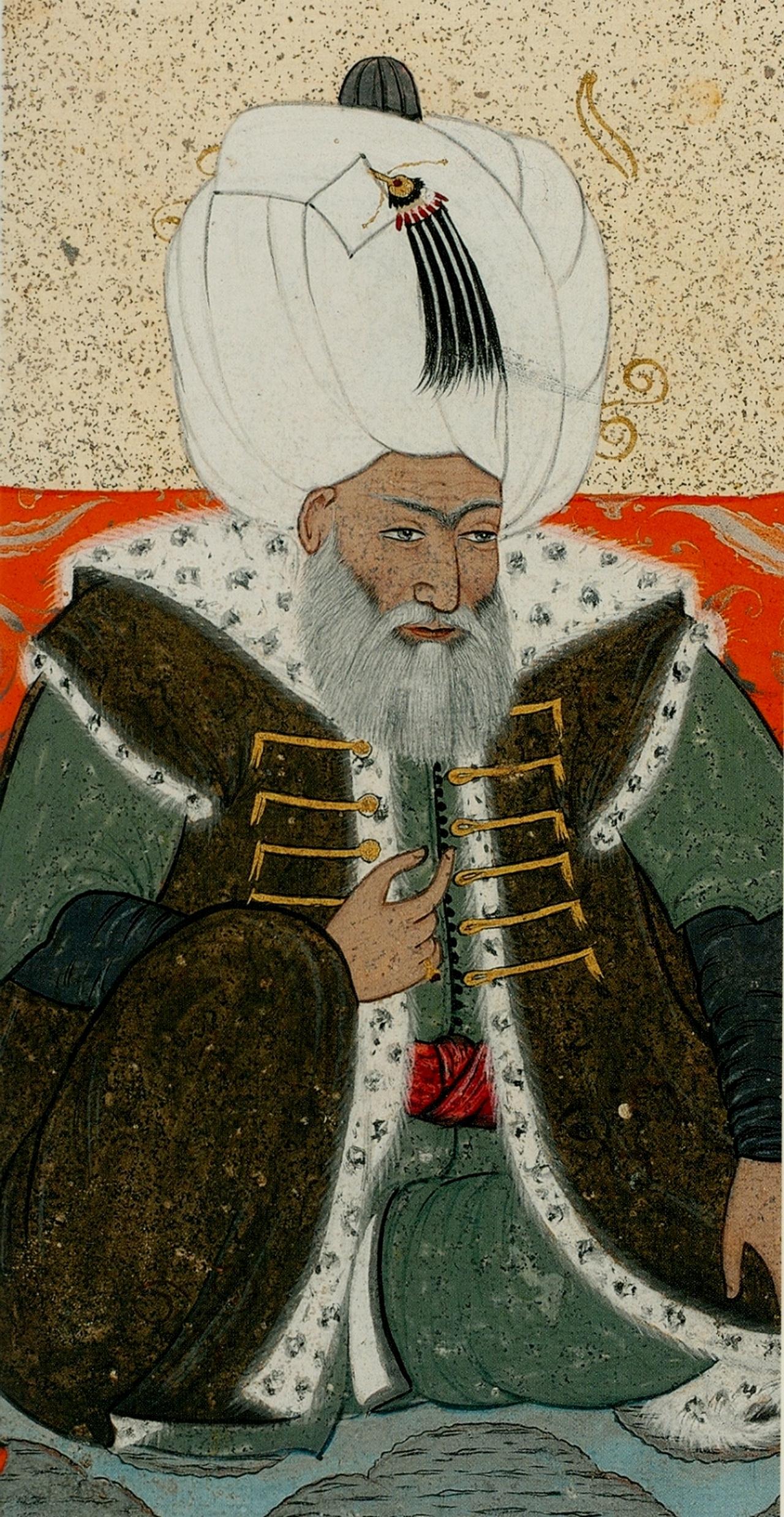
Bayezid Veli’s piety and conscience were not only evident in moments of crisis. They were woven into the streets, inscribed upon the skyline, and built into the daily lives of his people. He was a sultan who understood that power without nurture and provision for his subjects was meaningless.
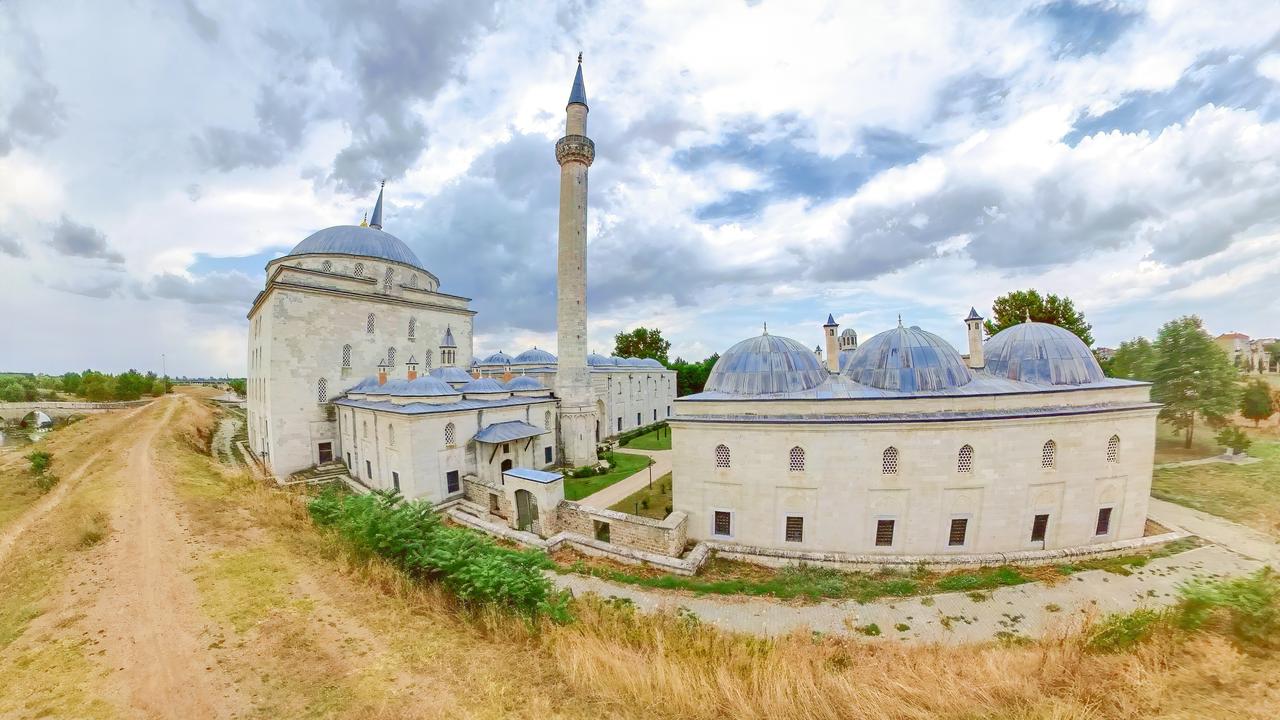
In Edirne, the Bayezid II Complex stood as one of the most enlightened institutions of its age. It comprised a mosque, medrese, soup kitchen, lodgings, food warehouses and a hospital. Within its walls, the poor were fed, travellers sheltered, students educated, and the sick were treated with dignity and care. The hospital was particularly remarkable. Those suffering from mental illness were soothed with music, flowing water and gentle birdsong, at a time when in much of Europe such people were condemned as possessed and burnt at the stake.
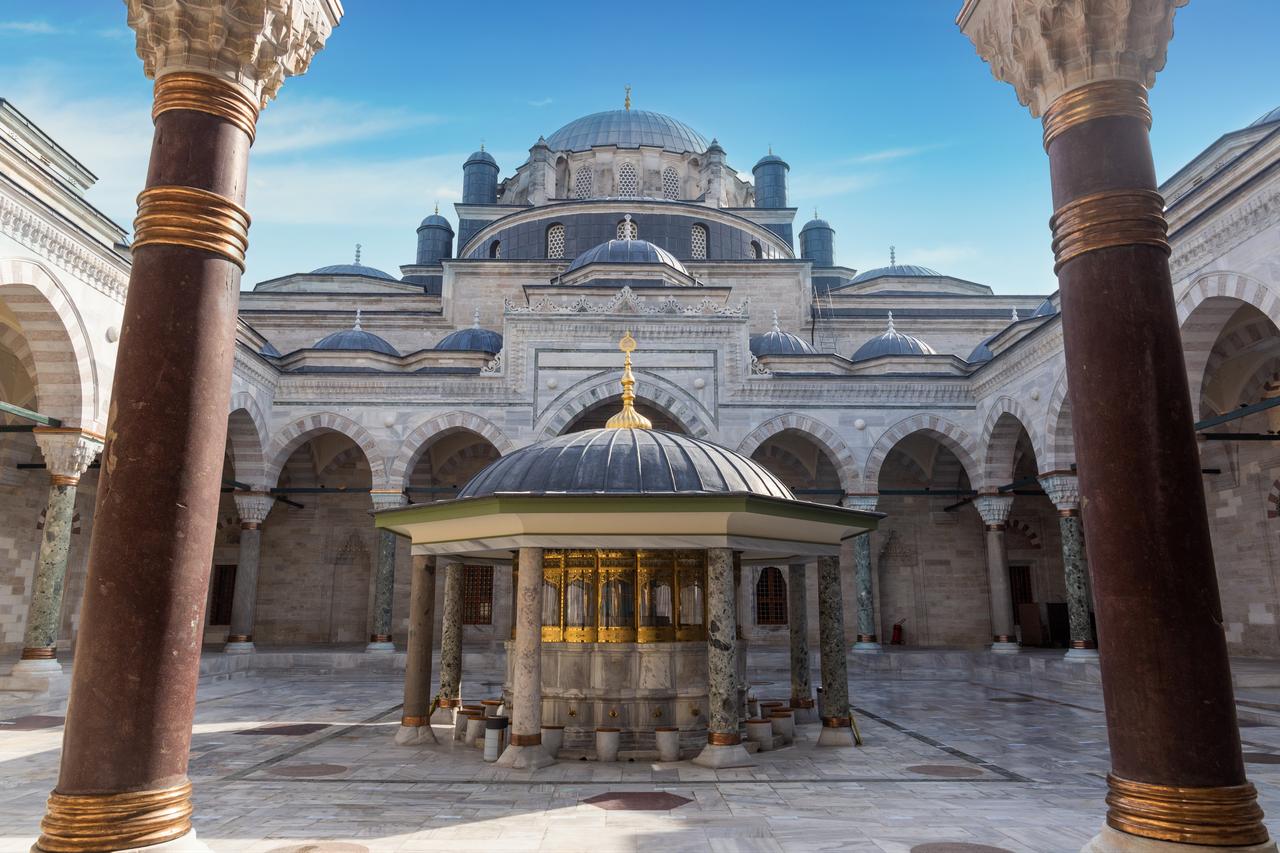
In Istanbul, the Bayezid Mosque Complex crowns one of the old city’s seven hills. Alongside the mosque is a medrese, library and soup kitchen, another embodiment of Bayezid’s conviction that spiritual life and social welfare must exist together. He also endowed weekly public lessons in Quranic interpretation, open to all and funded in perpetuity, believing that knowledge, like charity, should never be the preserve of the privileged.
Walking through these complexes today, one can almost hear the echoes of his vision. Stone and marble, domes and courtyards, speak of a sultan who saw his duty not in conquest but in conscience. Every brick was laid in the service of others. As with the Muslims and Jews rescued from Spain, these works protected ordinary lives, nurturing them.
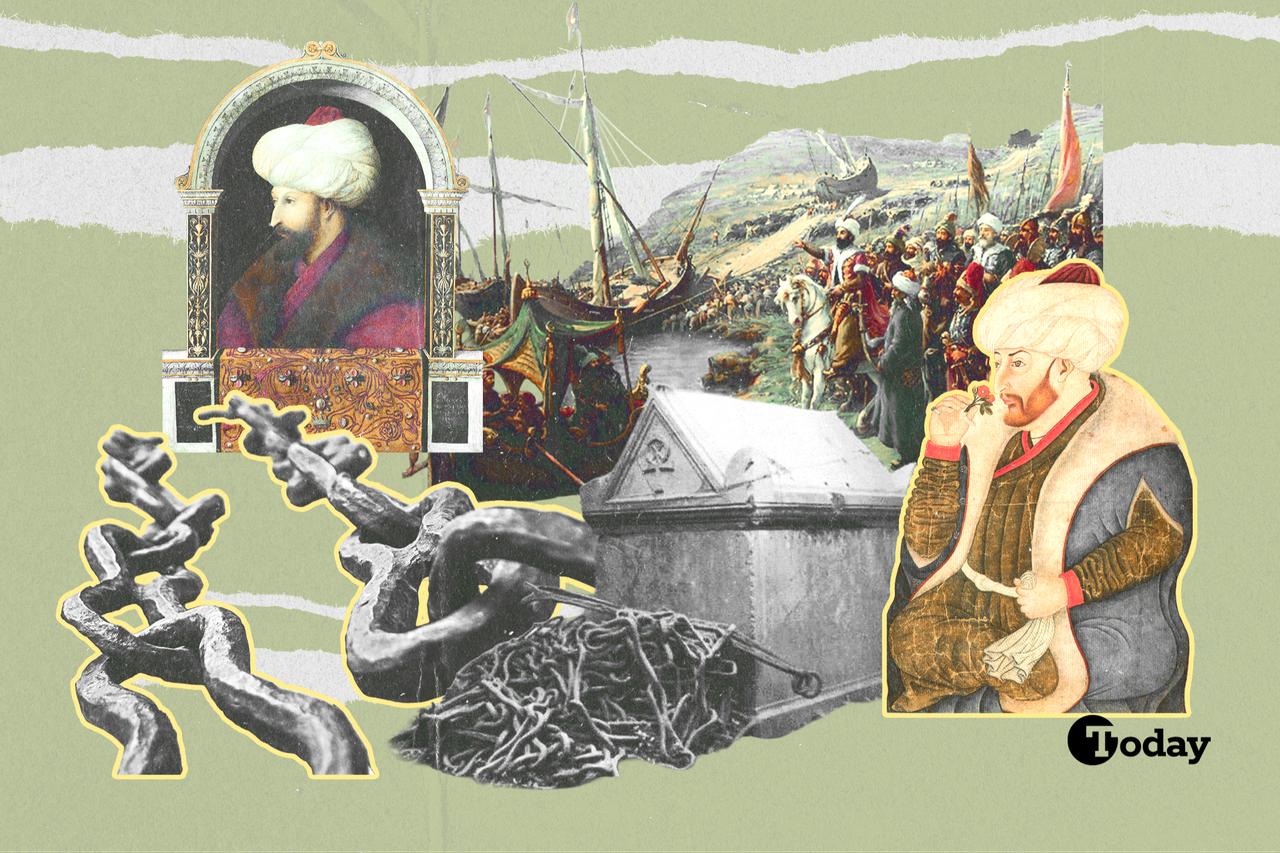
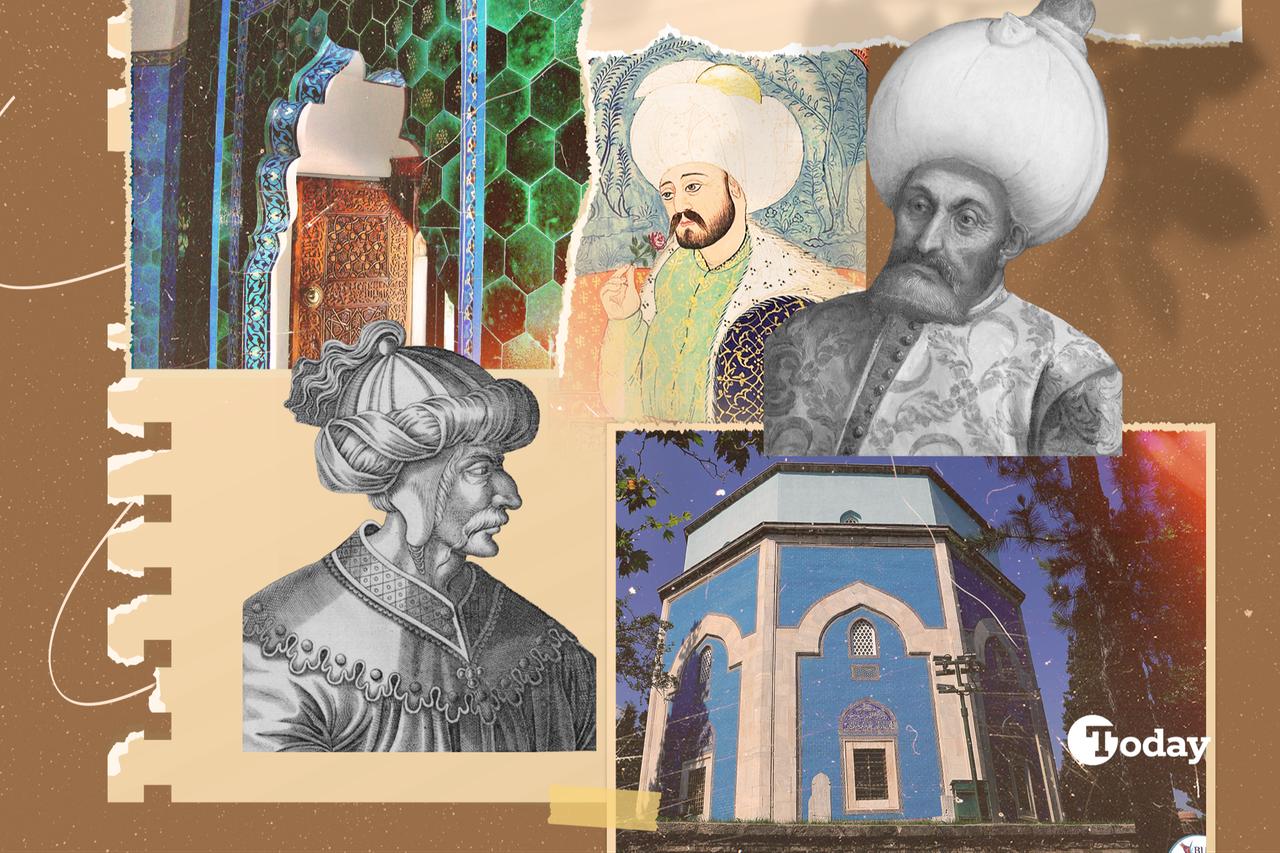
Bayezid II lived between the giants of Ottoman history. His father, Fatih Sultan Mehmed II, conqueror of Constantinople; his son, Yavuz Sultan Selim I, conqueror of the Holy Cities of Islam; and his grandson, Kanuni Sultan Suleyman the Magnificent, who would rule at the empire’s zenith.
Yet history is not shaped by conquest alone. It is shaped by those who decide what kind of world those conquests will create. By rulers who quietly, patiently and deliberately lay the foundations of a stable, tolerant, and peaceful society.
That is the enduring legacy of Bayezid Veli. And it lives on, not only in stone and memory, but in the descendants alive today of those whose lives he saved.
Until we meet again in the next “Sultan’s Salon.”


 Set as preferred source
 Set as preferred source


 2 min read
 1 min read