Newsletters





Turkish cinema will be represented by two prominent filmmakers at the Berlin International Film Festival as Ilker Catak and Emin Alper enter the main competition for the Golden Bear, marking a rare and significant moment for Türkiye’s presence at Berlinale.
The 76th Berlin International Film Festival (Berlinale) is set to open its doors to world cinema with a competition lineup that once again reflects global diversity and strong auteur voices. Among the films selected for the festival’s prestigious Main Competition, two works connected to Turkish cinema stand out: Kurtulus by acclaimed director Emin Alper and Sarı Zarflar (Yellow Letters) by Ilker Catak. Their inclusion places Türkiye firmly in the international spotlight, as both films will compete for Berlinale’s top honor, the Golden Bear.
Berlinale is widely regarded as one of the “Big Three” European film festivals alongside Cannes and Venice. Being selected for the main competition is considered a major achievement, and the presence of two Turkish directors in the same year is viewed as an exceptional development for the country’s contemporary cinema scene.

Although both films share cultural roots linked to Türkiye, Kurtulus and Sarı Zarflar represent very different cinematic approaches. Emin Alper is known for his politically charged narratives and tense atmospheres, while Ilker Catak often focuses on intimate, character-driven stories shaped by social realities in Europe.
Alper Kurtulus is a Turkish-based production that returns the director to the Berlinale main competition after his earlier success with A Tale of Three Sisters. The film is expected to resonate strongly with Berlinale’s tradition of socially conscious cinema. Catak’s Sarı Zarflar, on the other hand, is a German-French-Turkish co-production and will have its world premiere in Berlin, underlining the festival’s role as a platform for transnational storytelling.
The selection reflects Berlinale’s openness to diverse perspectives and reinforces its reputation as a festival where political, social, and human themes take center stage.
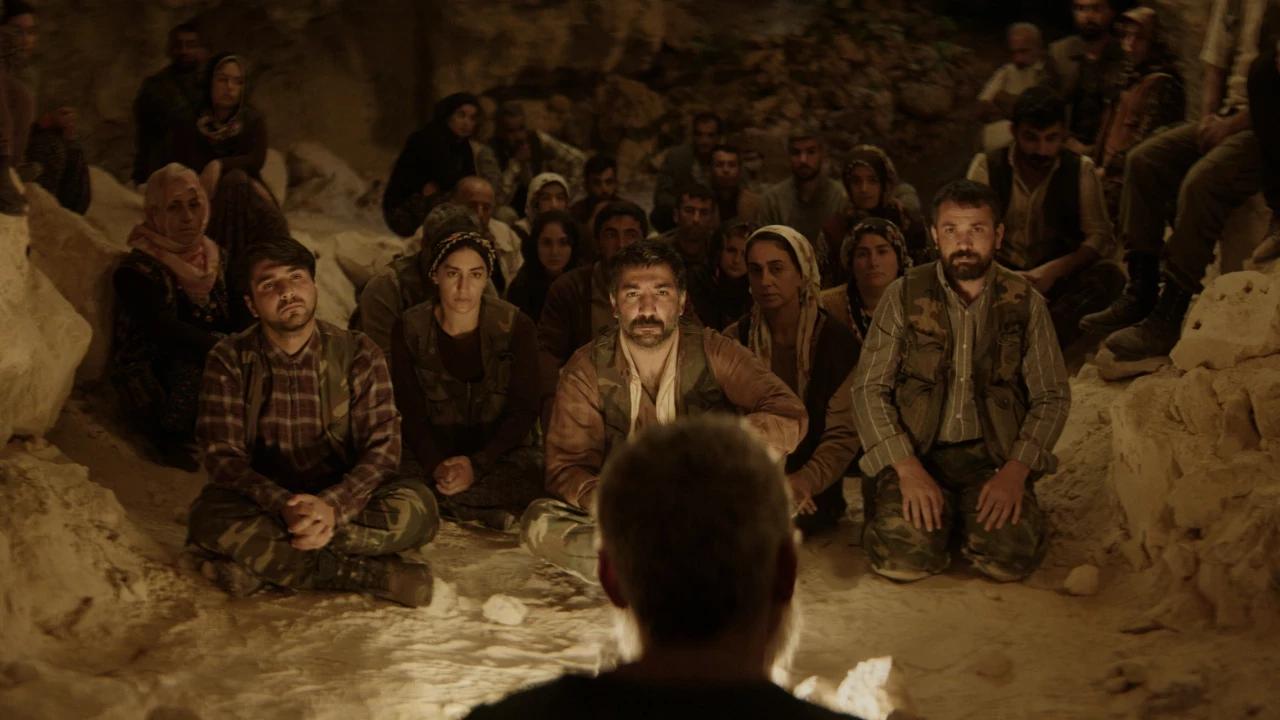
Directed by Emin Alper, Kurtulus explores long-standing tensions surrounding land, belonging, and power in southeastern Türkiye. Set against a backdrop shaped by historical disputes and unresolved trauma, the film follows a community forced to confront its past while navigating the pressures of the present.
Shot on location in the region, Kurtulus combines stark landscapes with a restrained yet intense narrative style. Alper once again focuses on characters caught between personal loyalty and collective responsibility, a recurring theme in his filmography. The cast includes well-known Turkish actors whose performances are expected to play a crucial role in the film’s emotional weight.
With its local setting and universal themes, Kurtulus aims to speak not only to Turkish audiences but also to international viewers familiar with stories of displacement, identity, and social fracture.
Ilker Catak’s Sari Zarflar (Yellow Letters) takes place largely in Germany and centers on a family struggling with sudden social and economic decline. The story follows a couple who lose their professional stability, forcing them—and their teenage daughter—to reassess their values, dreams, and place in society.
Known for his sensitive direction and focus on moral dilemmas, Catak approaches the narrative through quiet tension rather than overt drama. The film examines how external pressures reshape family dynamics and personal ideals, offering a nuanced portrait of modern life in Europe. Its selection for the Berlinale main competition also highlights the growing visibility of filmmakers with transnational identities.
The simultaneous presence of Emin Alper and Ilker Catak in the Golden Bear race is being widely interpreted as a milestone for Turkish cinema. It signals both artistic continuity and generational diversity, bringing together a director rooted in Türkiye’s independent film tradition and another shaped by the European production landscape.
As Berlinale audiences and juries prepare to engage with these films, expectations are high. Regardless of the final awards, the festival has already confirmed one thing: Turkish filmmakers continue to claim a strong and relevant voice on the world cinema stage.


 Set as preferred source
 Set as preferred source


 3 min read