Newsletters


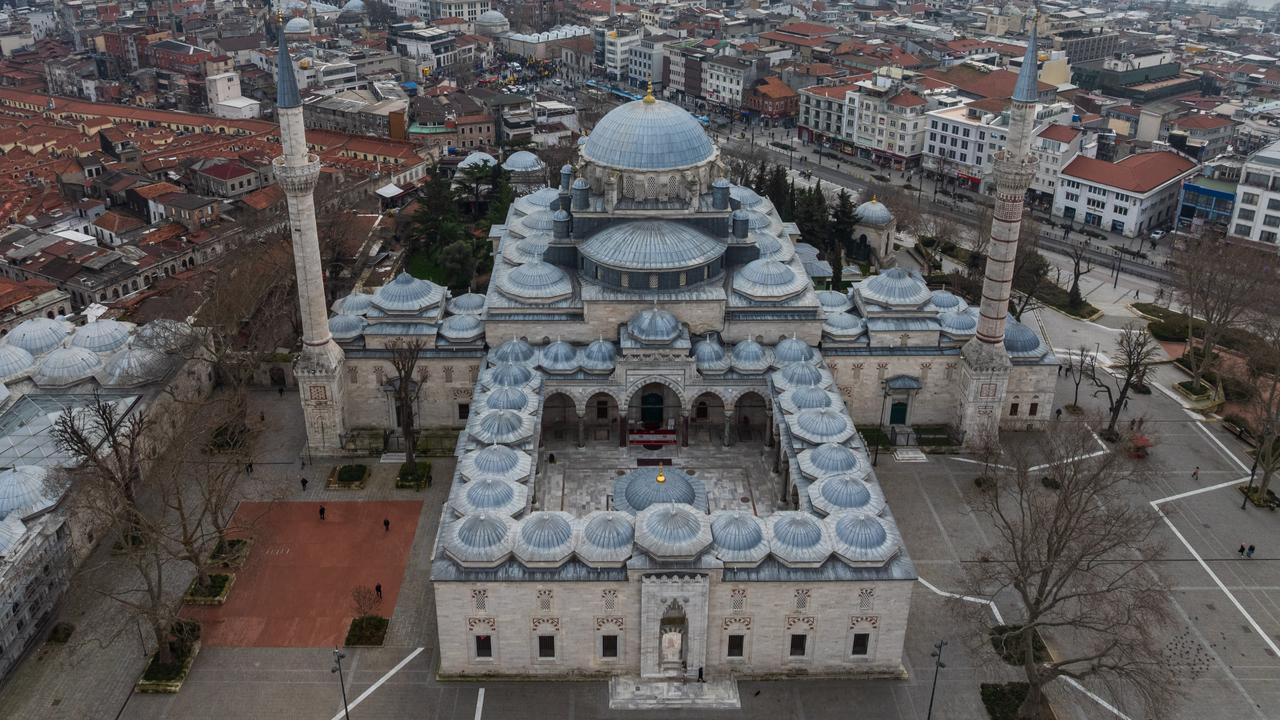
Standing in Beyazit Square, Beyazit Mosque continues to draw attention as one of the early examples of classical Ottoman architecture in Istanbul. Located at the crossroads of the Grand Bazaar, the Sahaflar (Secondhand Books) Bazaar and Istanbul University, the mosque remains surrounded by libraries and publishing houses, which together shape one of the city’s historic intellectual districts.
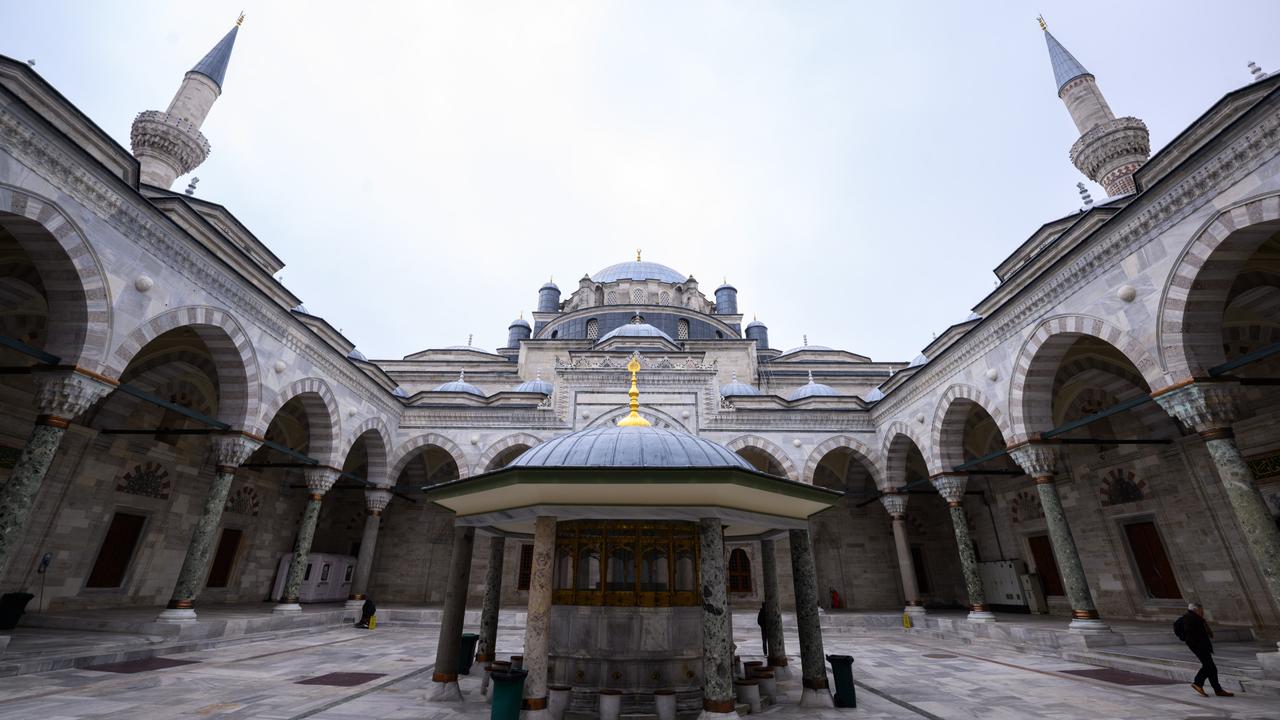
The mosque was commissioned by Sultan Bayezid II, the son of Fatih Sultan Mehmet, and constructed between 1501 and 1505. Rising on one of Istanbul’s seven historic hills, the structure gradually gave its name to the surrounding district, turning the area into a recognizable urban landmark over time.
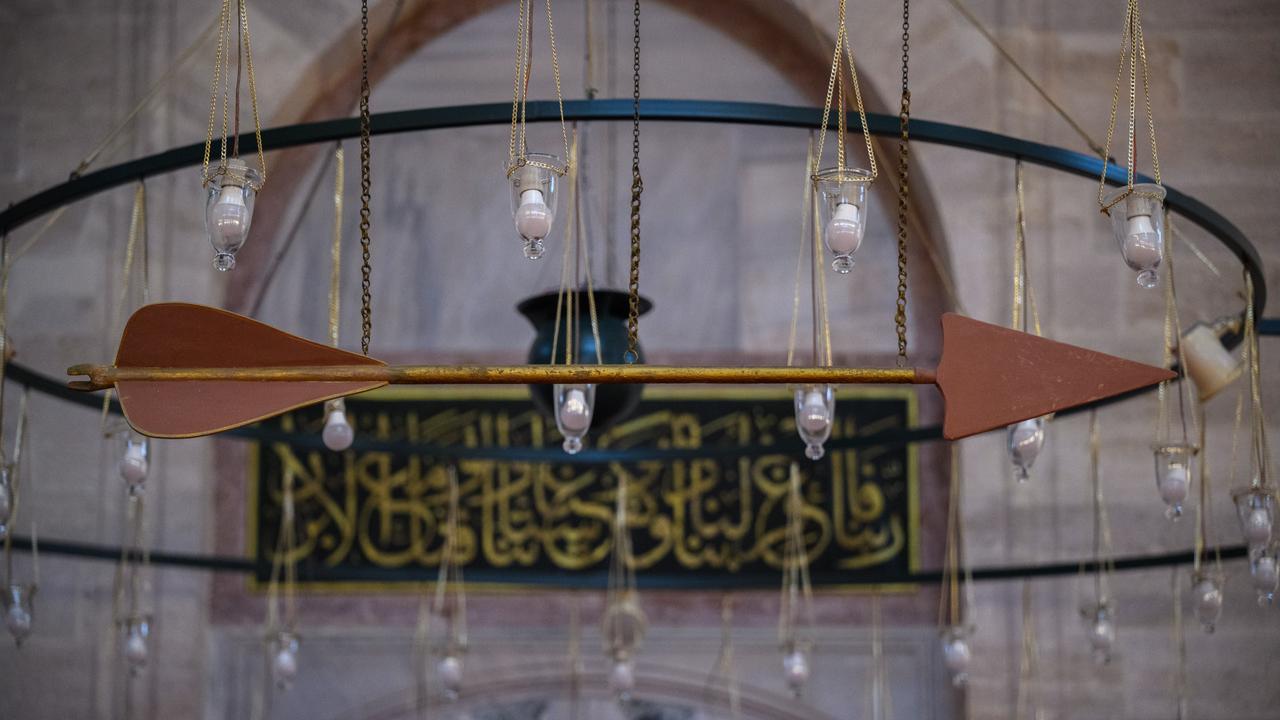
Beyond serving as a place of worship, the mosque forms part of a larger külliye, a term used in Ottoman architecture to describe a charitable complex built around a central mosque. In this case, the külliye includes a madrassa (religious school), a soup kitchen, a bathhouse, a caravanserai used by traveling merchants, and tombs, bringing together religious, educational and social services within a single urban setting.
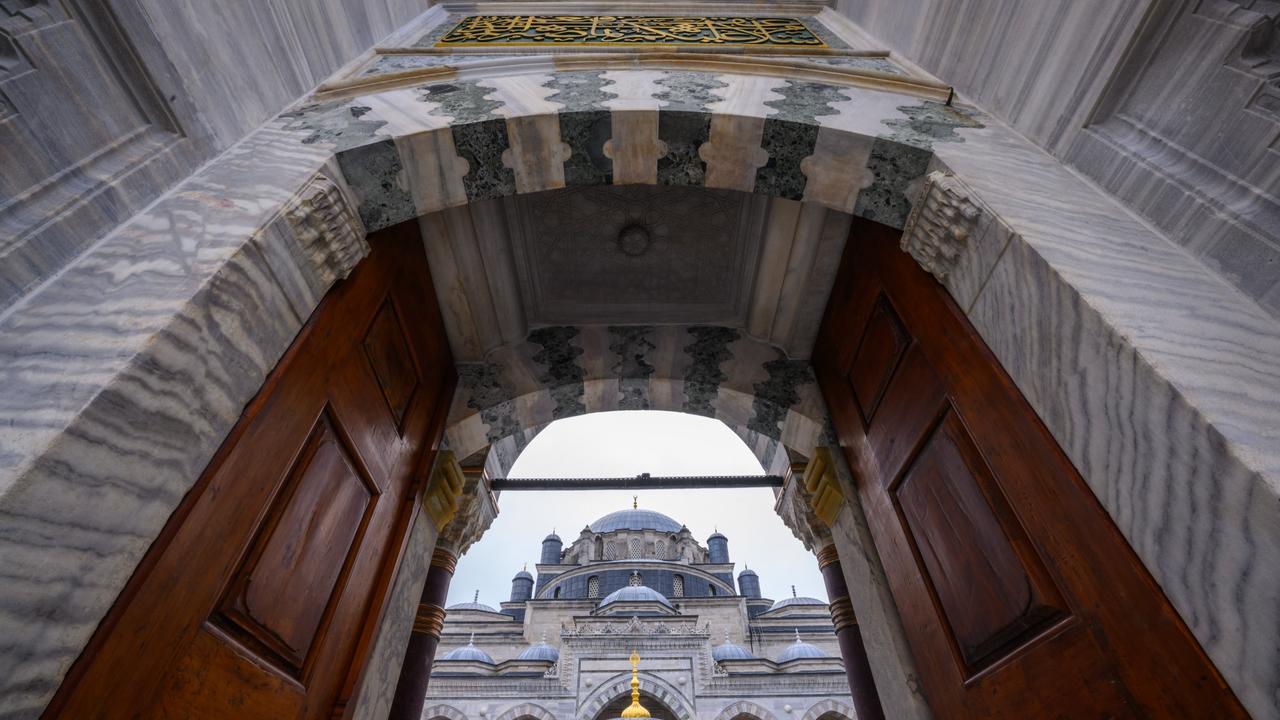
Facing directly toward Beyazit Square, the mosque continues to witness heavy pedestrian traffic throughout the day. Visitors and worshippers regularly gather in the courtyard, while the site becomes especially crowded during Friday prayers and kandil nights, which mark sacred evenings in the Islamic calendar.
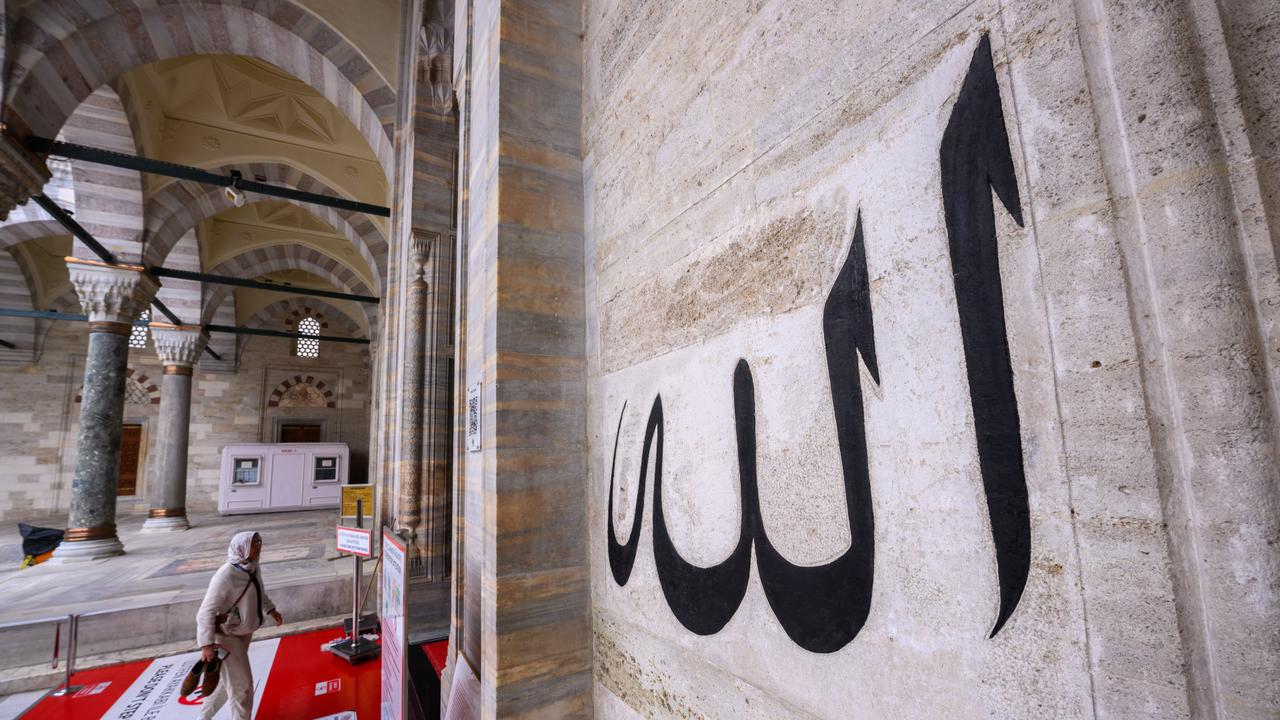
Architecturally, the mosque demonstrates the development of the centralized dome layout that would later become a hallmark of Ottoman design. The main prayer hall is covered by a large central dome supported by four piers, while two large semi-domes extend from the entrance and mihrab sides, creating a spacious and balanced interior.
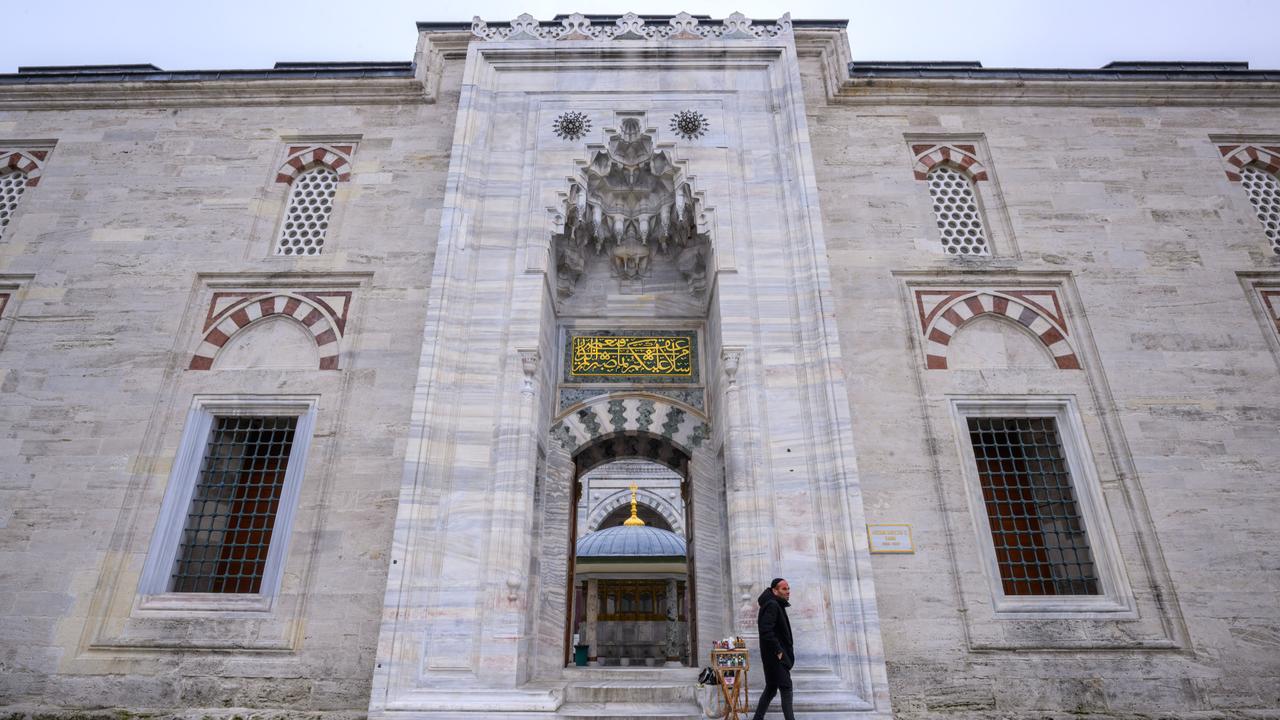
Around the central hall, smaller domed units extend outward and blend into arcaded structures that frame the mosque’s courtyard. These architectural elements form a classical Ottoman composition, combining symmetry, open space and monumental scale in a way that would influence later mosque designs.
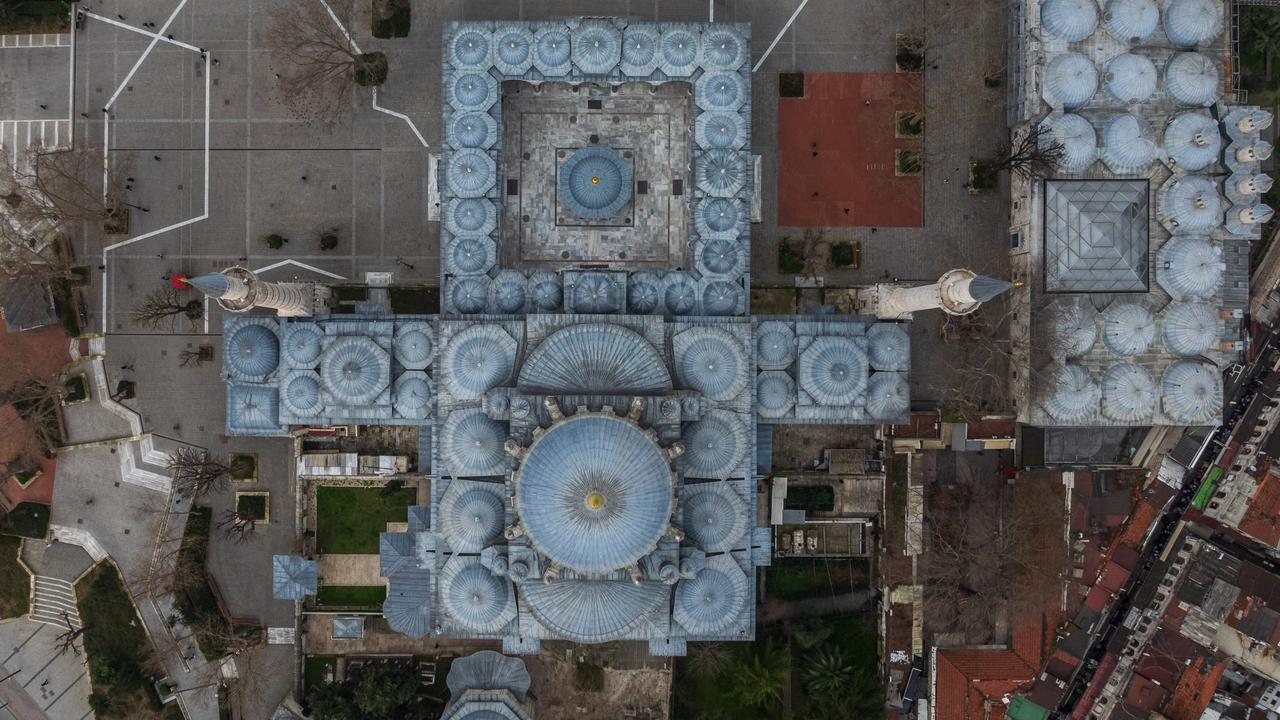
According to art historian Kadir Pektas of Istanbul Medeniyet University, the mosque contains tabhanes located at the corners of the prayer hall. A tabhane refers to a type of guest accommodation within early Ottoman mosques, and the arrangement creates a T-shaped interior plan, which is relatively rare in early Ottoman architecture.
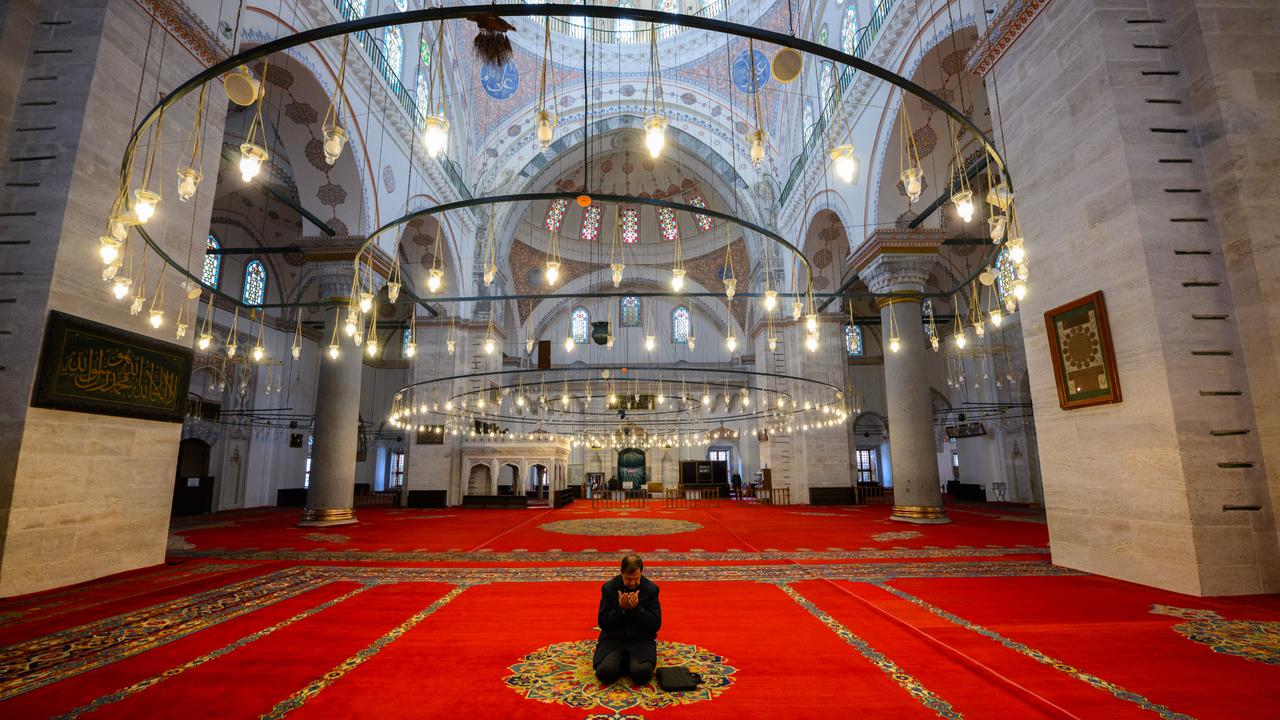
Pektas explains that the mosque’s two minarets stand at the far ends of these tabhanes, placing them farther apart than in many other sultanic mosques. This layout reinforces the sense that the tabhanes function as more independent units within the overall structure.
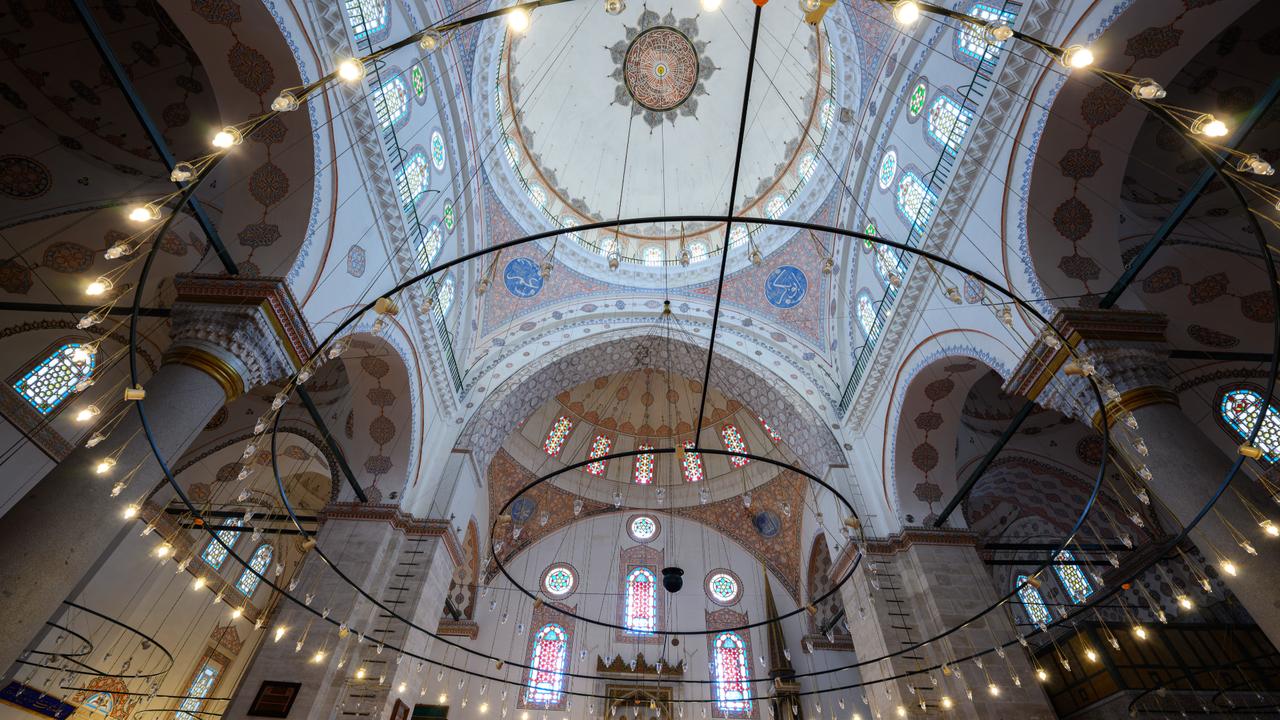
Although the mosque’s architect remains debated, it is generally attributed to Mimar Hayrettin. Art historians note that the design later influenced Mimar Sinan, who adapted elements of the plan roughly fifty years afterward when designing the Suleymaniye Mosque.
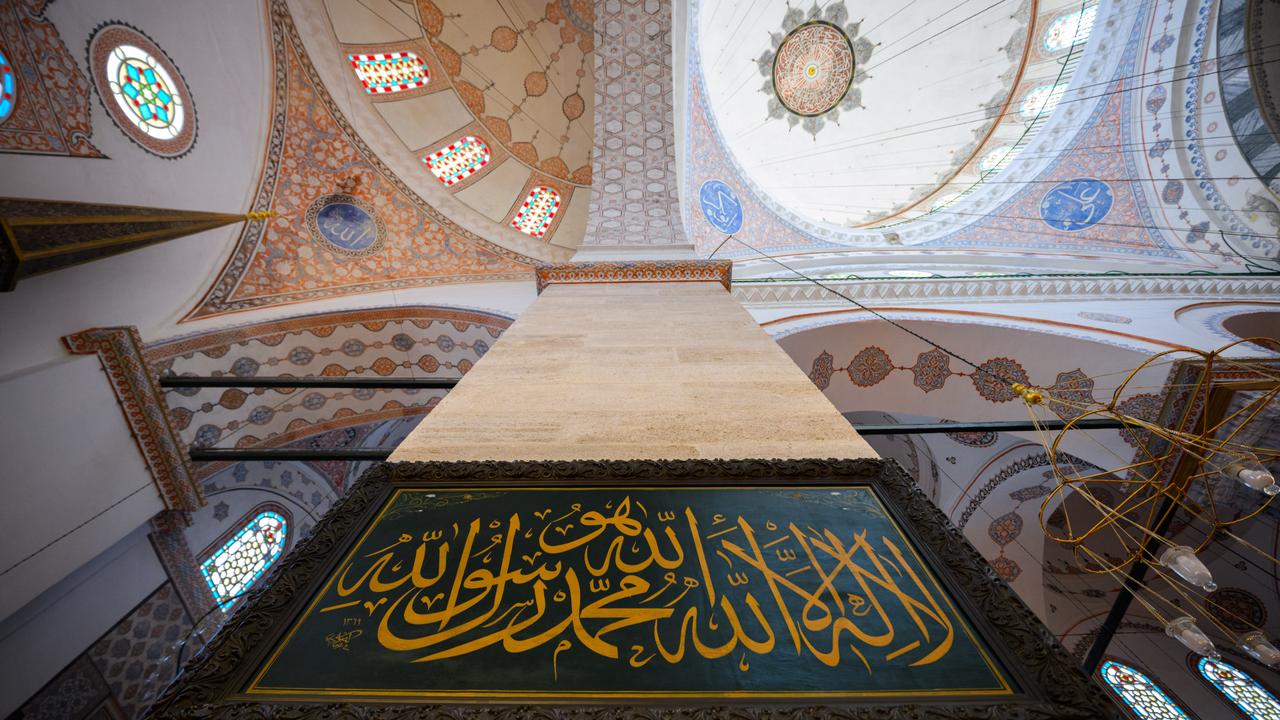
The cemetery within the külliye holds the tomb of Sultan Bayezid II, often referred to as Bayezid-i Veli. The mosque’s location also carries political significance, as the site once formed part of the Ottoman Old Palace (Saray-i Atik), while the later administrative center became the New Palace, known today as Topkapi Palace.


 Set as preferred source

 3 min read