Newsletters


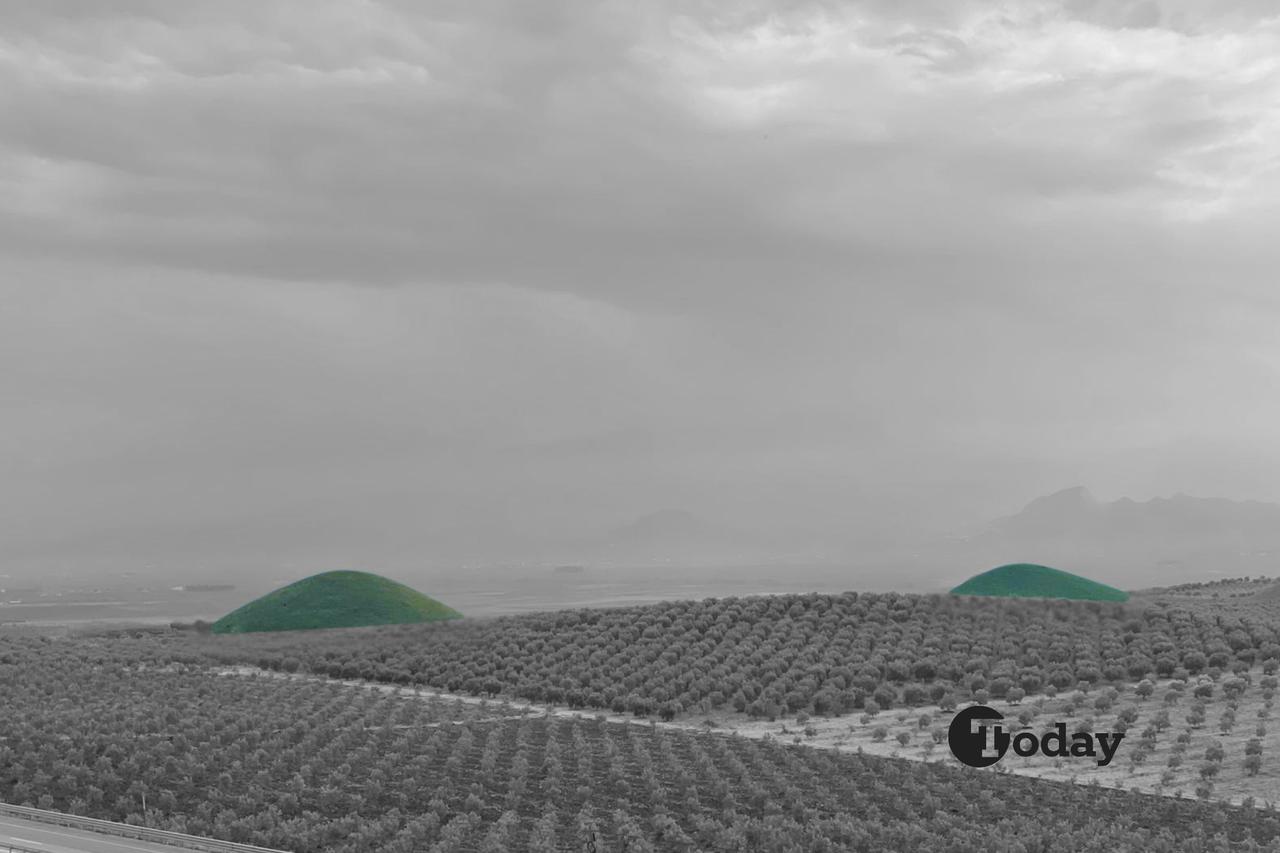


The vast tumulus cemetery of Bin Tepe, located north of Sardis, stands out as one of the most striking archaeological landscapes of ancient Lydia, with monumental burial mounds that rank among the largest ever built.
Recognized as part of the Sardis and the Lydian Tumuli of Bin Tepe, the site reflects the legacy of the Lydians, an Iron Age civilization that ruled western Anatolia between the eighth and sixth centuries B.C. and became known for its wealth and early coinage.
The cemetery, which spreads across a wide plain, once held at least 149 tumuli, although around 115 survive today after losses linked to agricultural activity.
These tumuli, or large earthen burial mounds built over tomb chambers, define the landscape and can be seen from afar, giving the region a distinctive and almost otherworldly character.
The scale of Bin Tepe sets it apart, as it is described as the largest tumulus cemetery in Türkiye and possibly in the world, even exceeding the size of Egypt’s Giza plateau in overall extent.
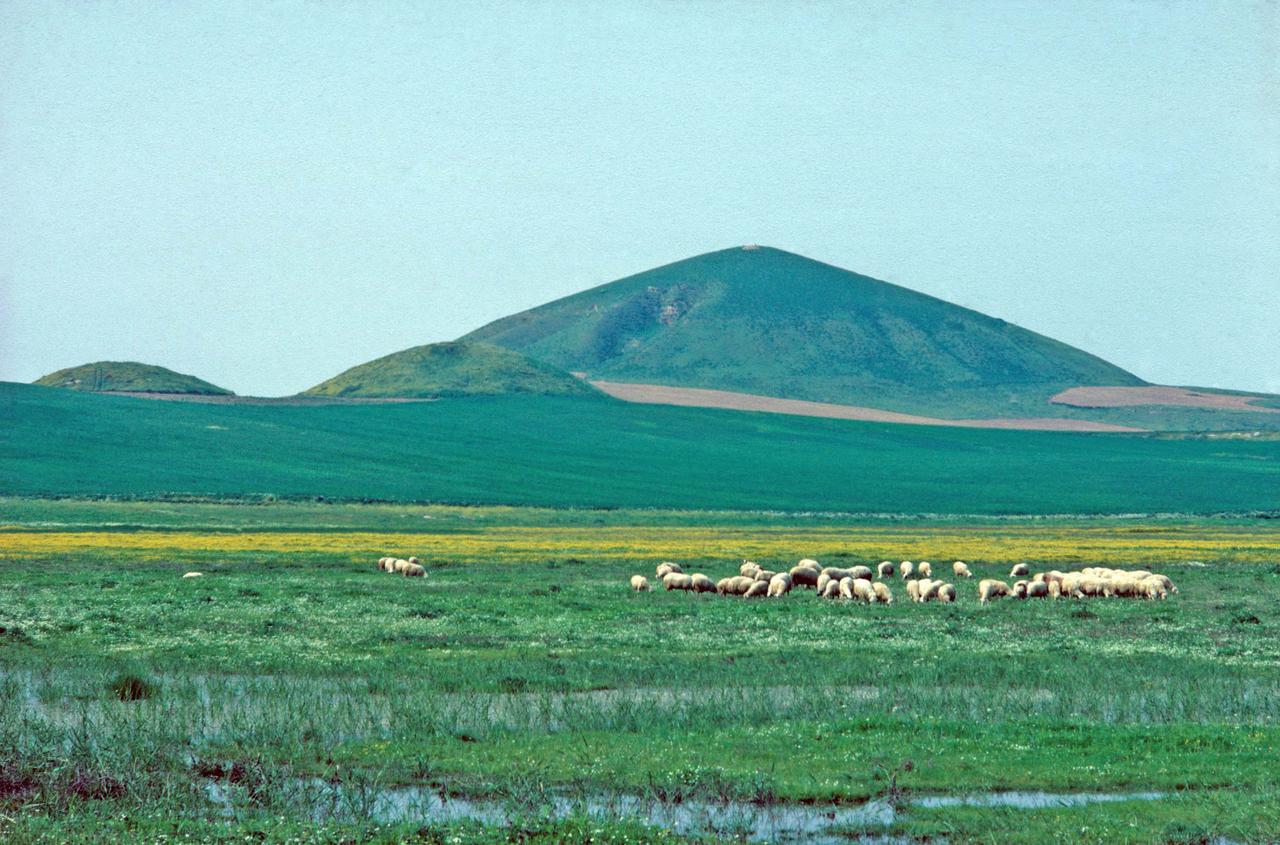

Among the burial mounds, the tomb of Alyattes stands out as one of the largest tumuli ever constructed, measuring about 355 meters in diameter and rising roughly 63 meters high.
Ancient historian Herodotus described the monument as second only to the great tombs of Egypt and Babylon, noting that its base was built from massive stone blocks while the upper structure consisted of earth piled into a mound.
He also referred to inscriptions that recorded contributions from different groups involved in its construction, including craftsmen and others.
Modern calculations suggest the mound contains over 785,000 cubic meters of material, and it could have been completed within a few years using a large workforce supported by draft animals.
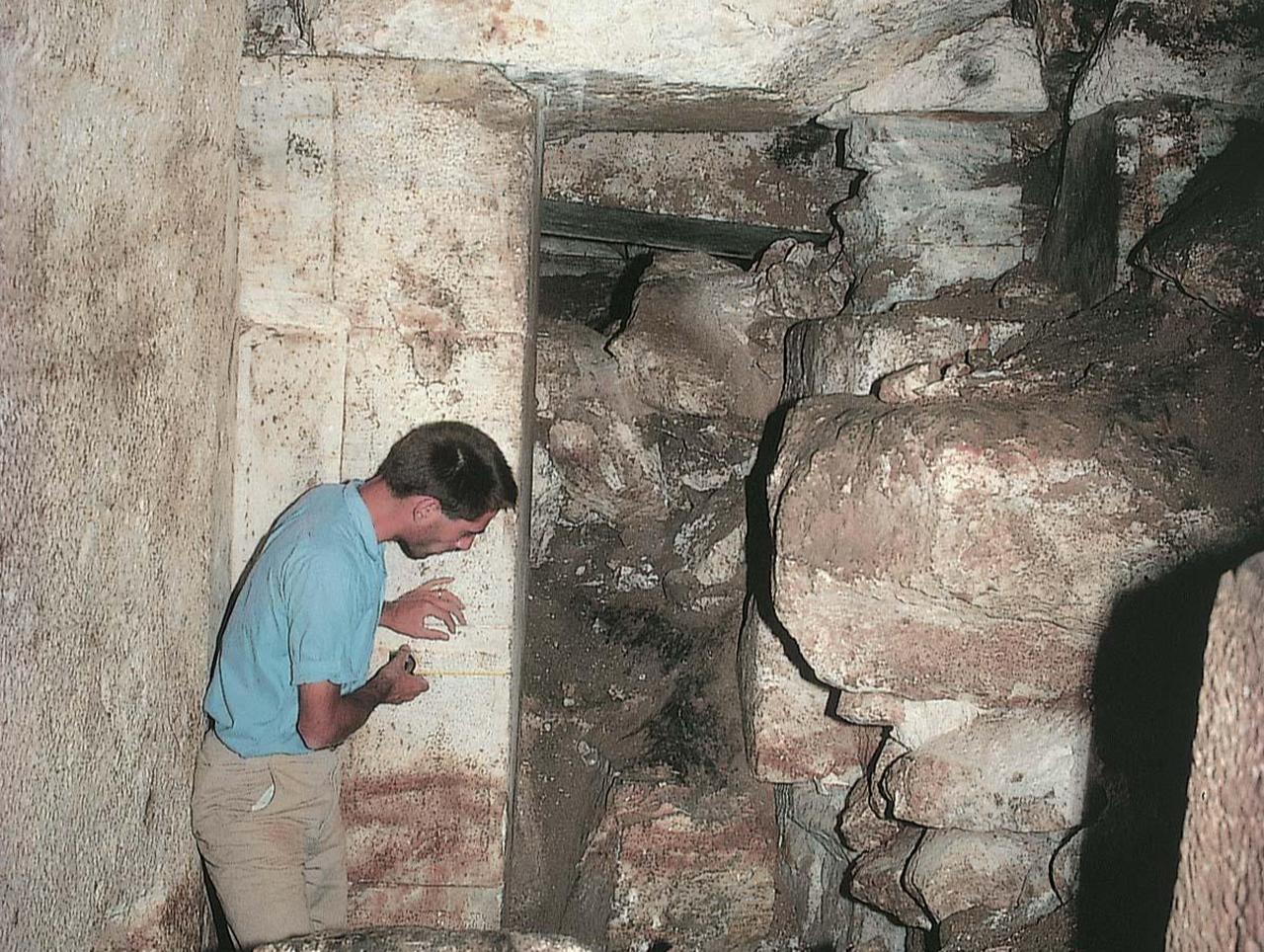
Inside, the tomb chamber was constructed from carefully carved limestone blocks, with roof beams weighing over 16 tons, and was deliberately placed away from the center to make it harder for looters to locate.
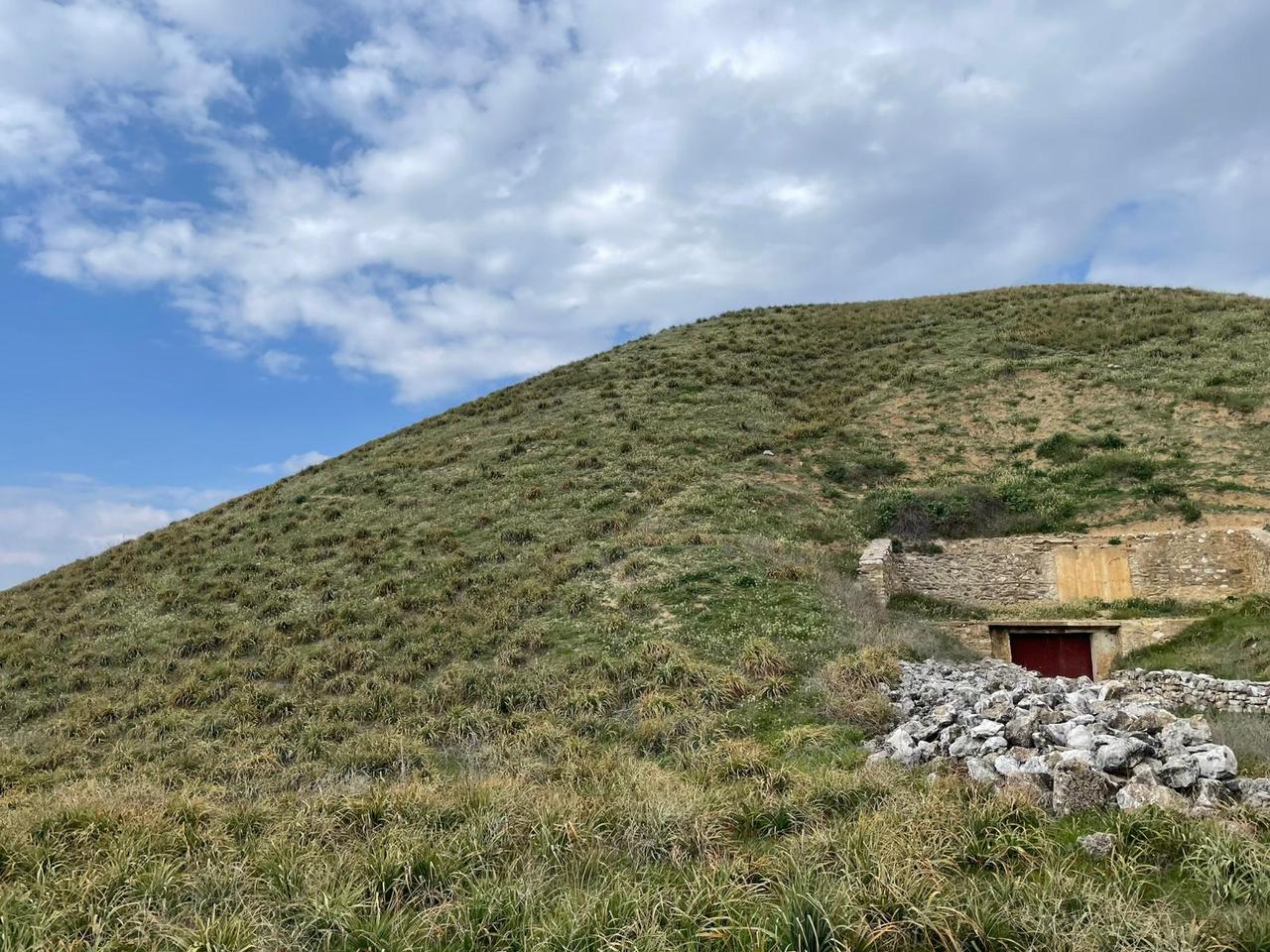
The neighboring Karniyarik Tepe forms part of a group of three massive tumuli that dominate the ridge at Bin Tepe, with dimensions comparable in footprint to the Great Pyramid of Giza.
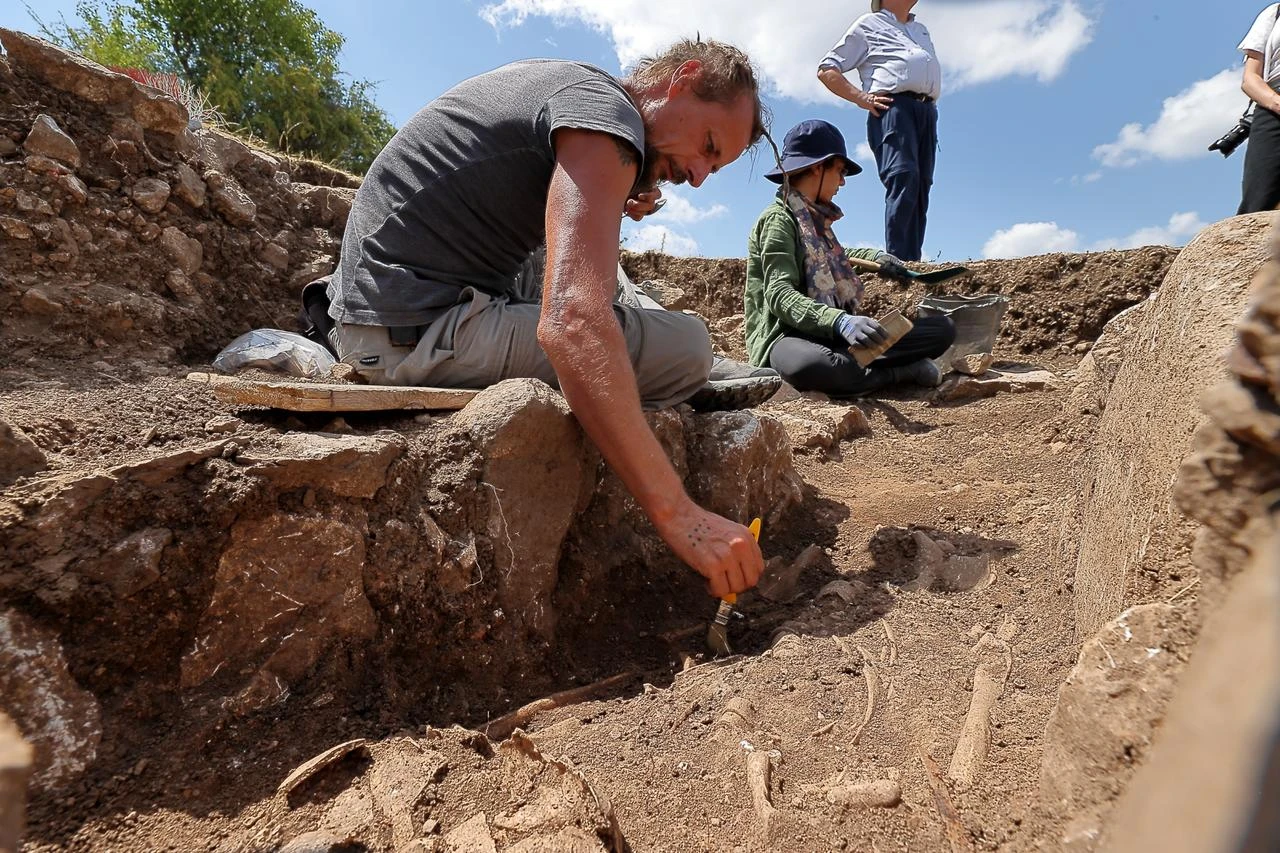
Archaeological work carried out over several decades revealed a distinctive feature within the mound: an unfinished internal “crepis wall,” a stone retaining structure typically found on the exterior of tumuli.
In this case, the wall appears to belong to an earlier, smaller mound that was later expanded, suggesting that construction plans changed during the building process.
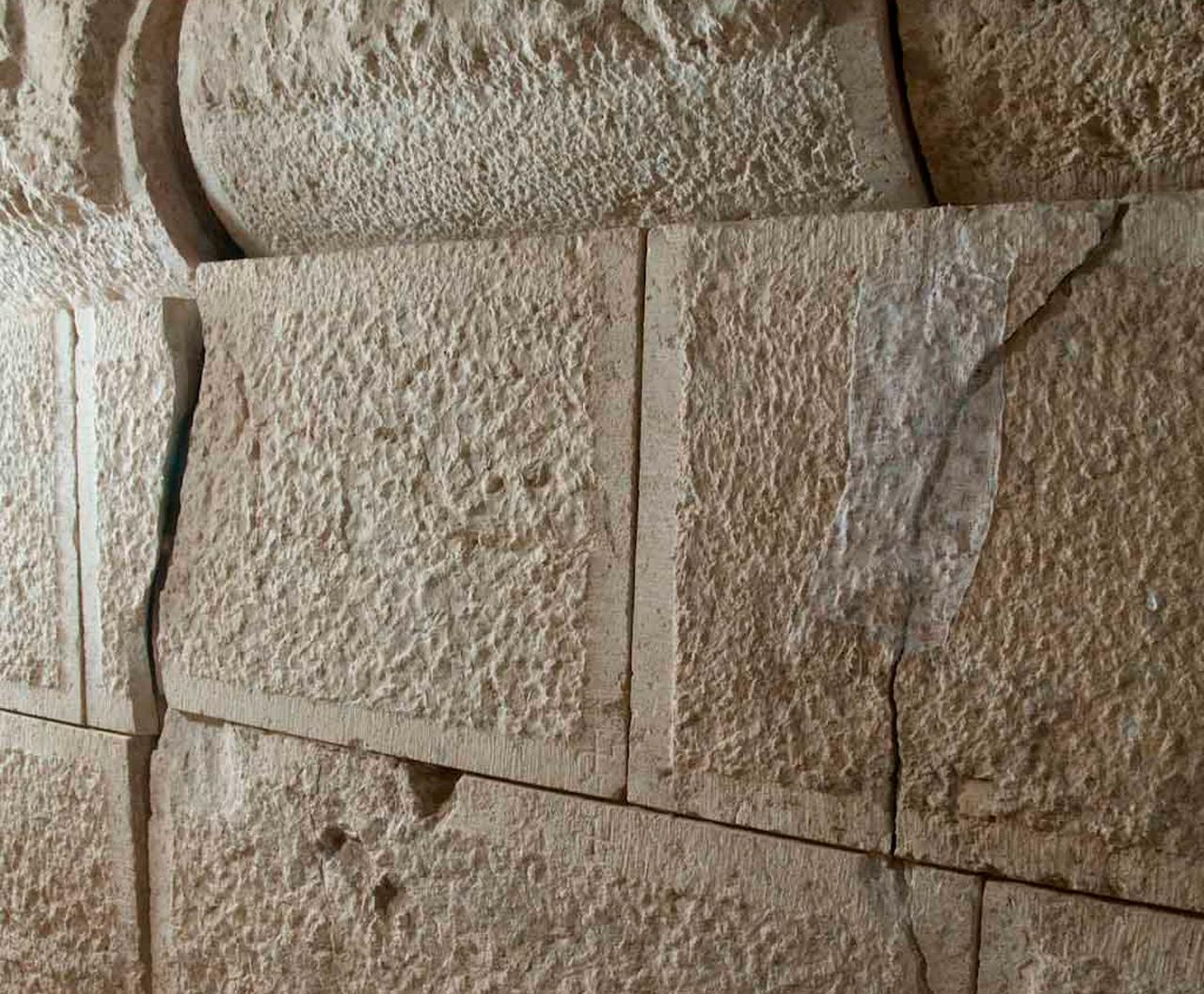
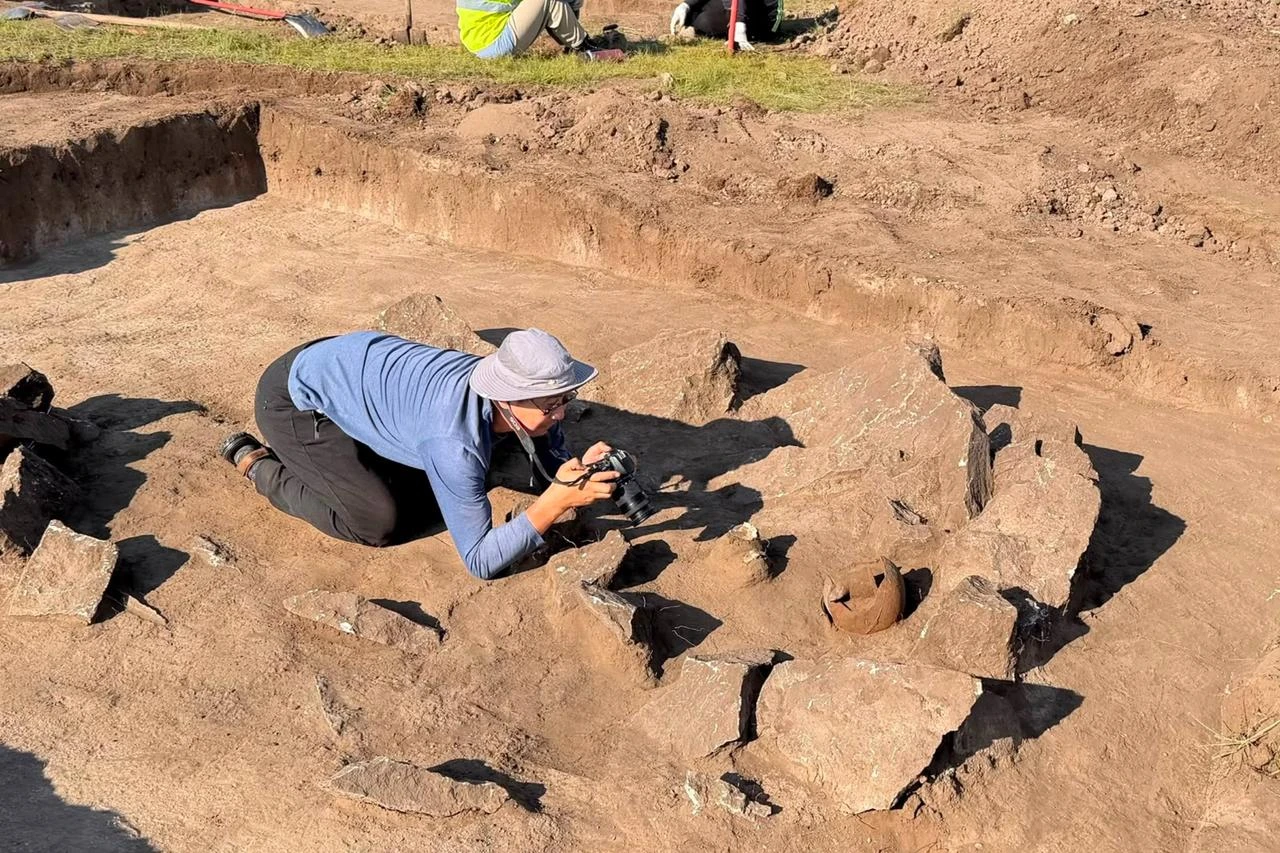
Researchers carried out geophysical surveys, coring, and tunneling campaigns across multiple periods, uncovering sections of the wall and evidence of organized labor, including mason marks that likely identified different work teams.
Despite extensive exploration, including more than half a kilometer of tunnels, archaeologists have not located a burial chamber inside Karniyarik Tepe, leaving its occupant unknown.
Its scale suggests a royal connection, yet pottery evidence indicates it dates to around 600 B.C., ruling out attribution to earlier kings such as Gyges and raising the possibility that it may have belonged to another elite figure.
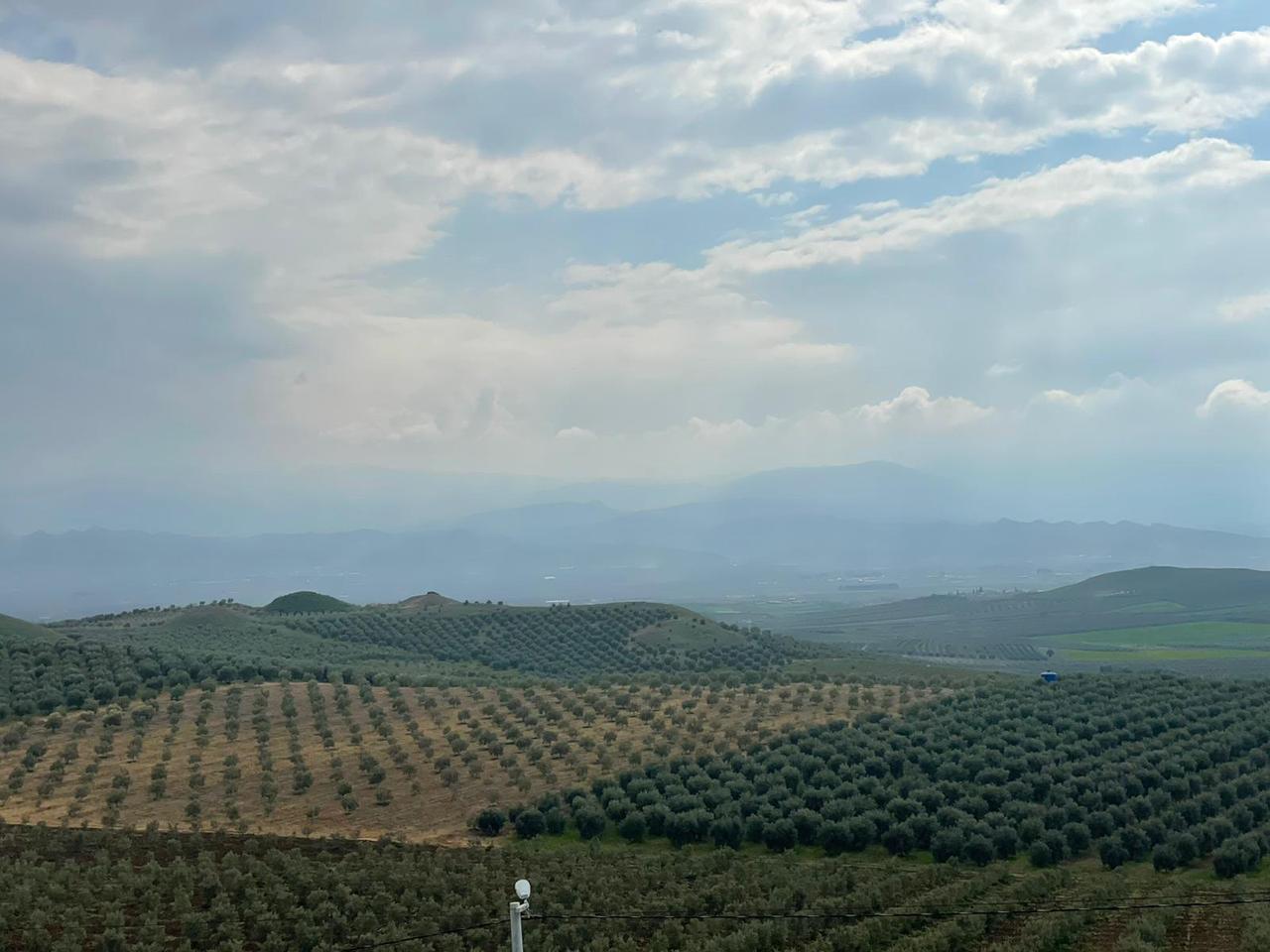
Reaching Bin Tepe and the ancient city of Sardis is relatively straightforward, as the site lies near the modern town of Salihli in western Türkiye.
Visitors traveling from Izmir can drive east for around 90 minutes along the Izmir–Ankara highway, while those coming from Istanbul can either take a domestic flight to Izmir and continue by car or bus or drive for approximately five to six hours.
From Salihli, the tumuli of Bin Tepe are just a short drive north across the plain, where the large burial mounds gradually come into view, while Sardis itself is located a few kilometers to the south, making it easy to explore both the ancient city and its royal cemetery in a single visit.


 Set as preferred source
 Set as preferred source


 3 min read