Newsletters


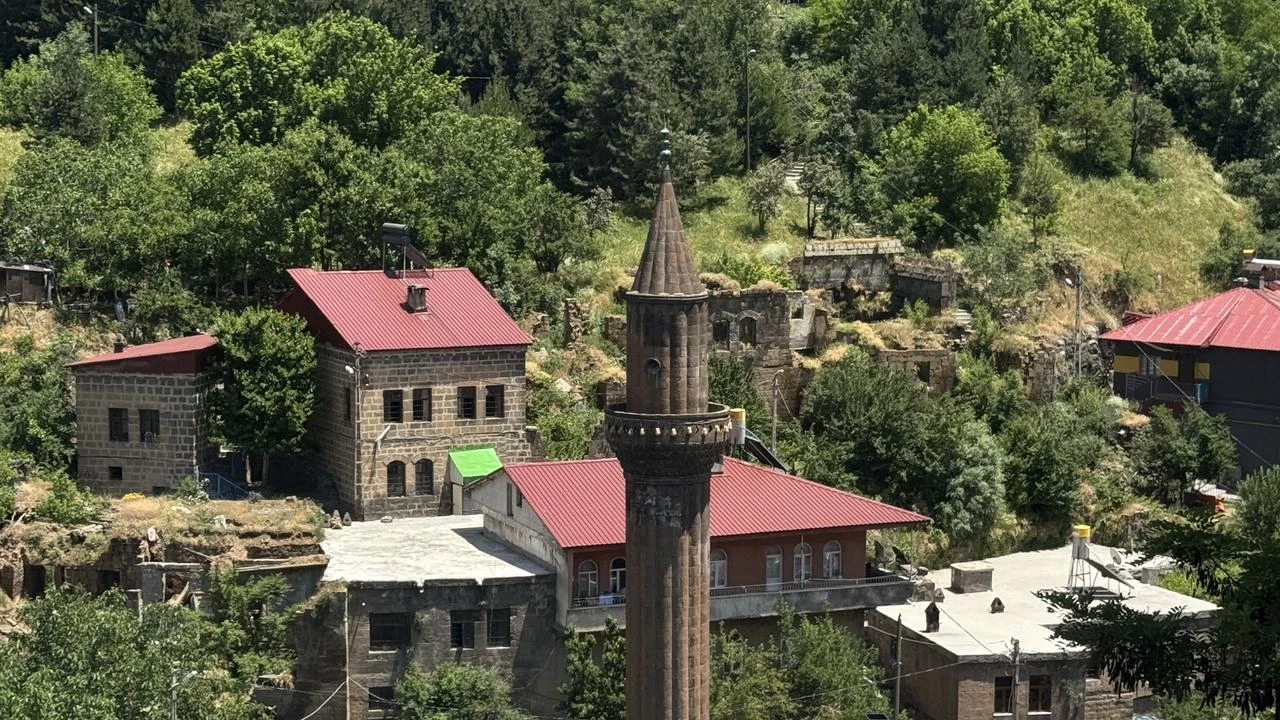
Located in eastern Türkiye, west of Lake Van, Bitlis carries layers of history spanning from the Urartu civilization to the Ottoman Empire.
Known for its valley setting, historic stone architecture and volcanic landscapes, the city draws visitors year-round with landmarks ranging from Seljuk cemeteries to a crater lake, alongside a distinct culinary tradition rooted in slow-cooked regional dishes.
Bitlis has hosted numerous civilizations throughout history, including the Urartians, Assyrians, Medes, Persians, Macedonians, Byzantines, Seljuks and Ottomans.
The city's name is believed to derive from Bedlis, a commander under Alexander the Great, linking its identity to the wider history of the region stretching back more than two millennia.
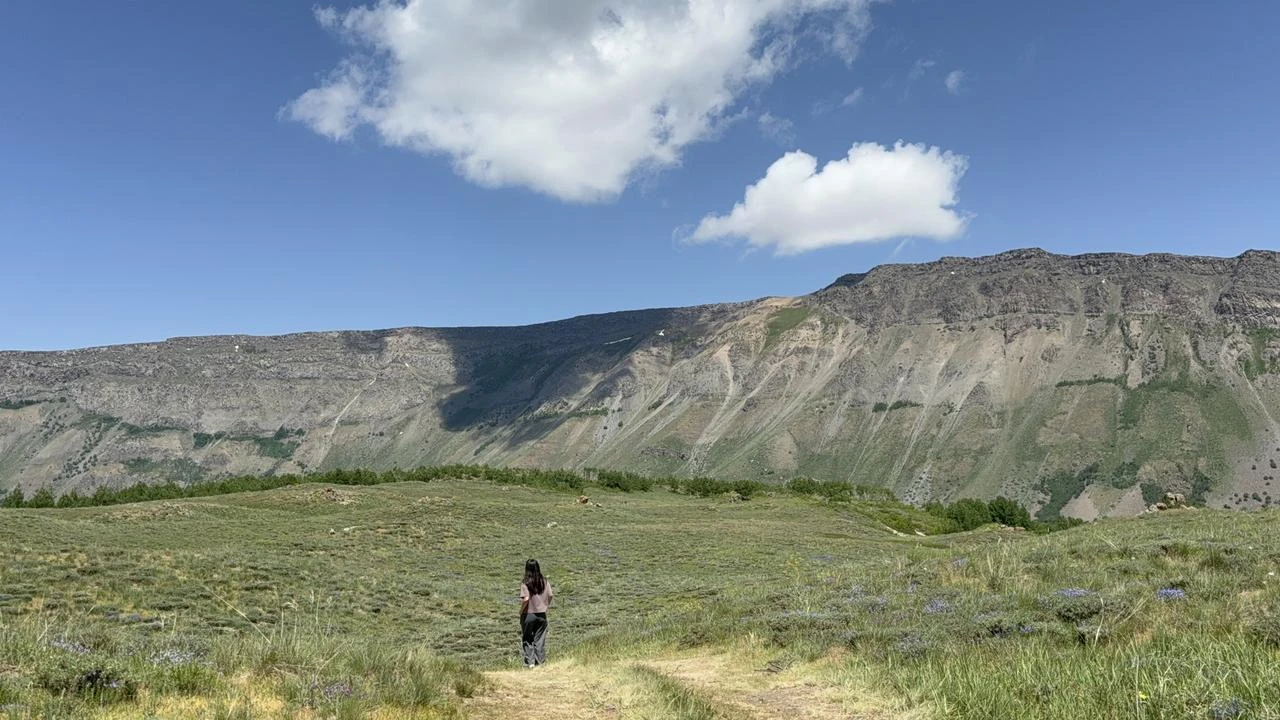
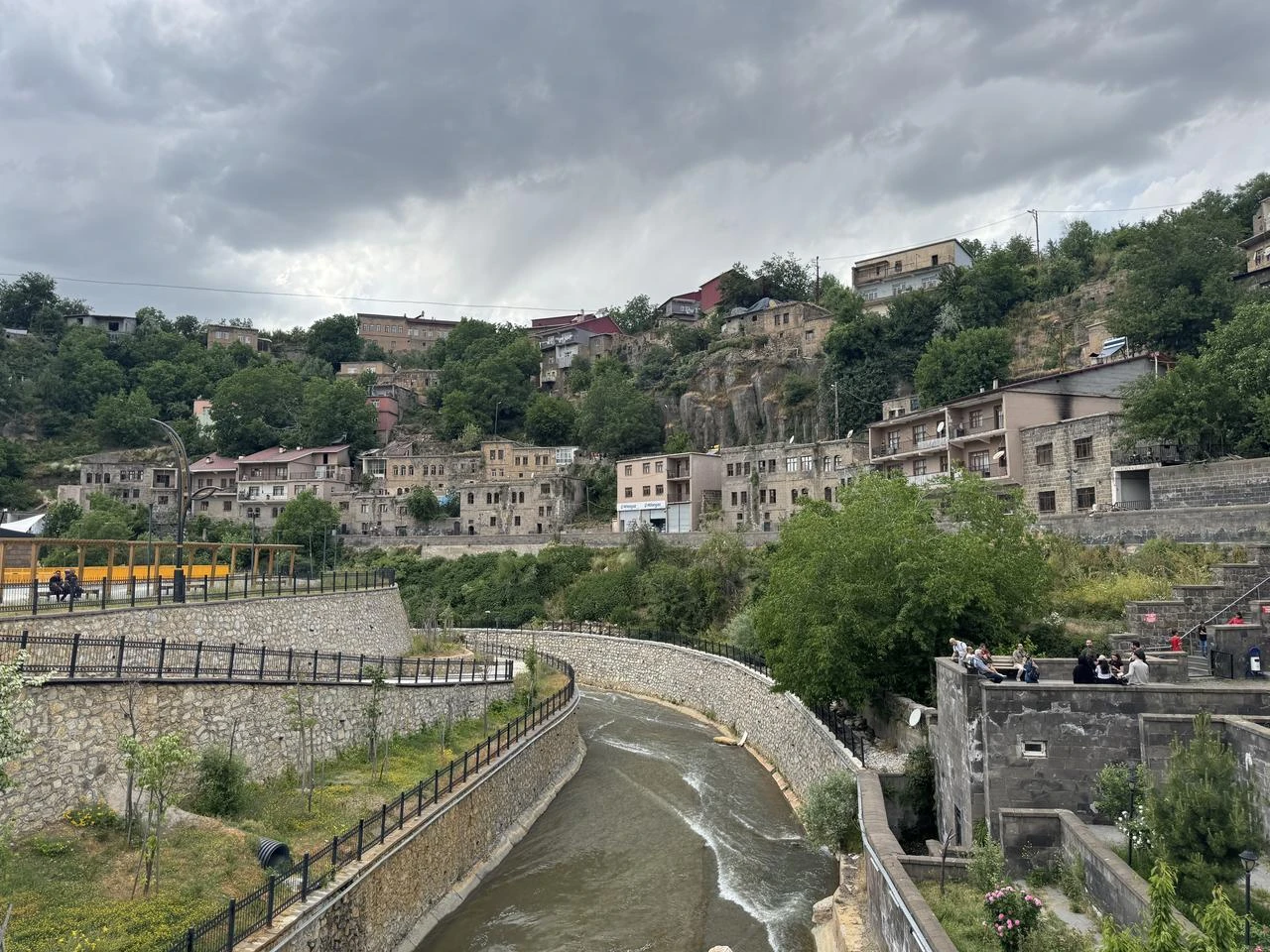
Built within a valley surrounded by historic structures, Bitlis is often referred to as the "Beautiful City in the Valley."
The city developed into a center of learning, culture and trade during the Seljuk and Ottoman periods, a legacy still visible in its citadel, mosques, madrasahs and historic cemeteries.
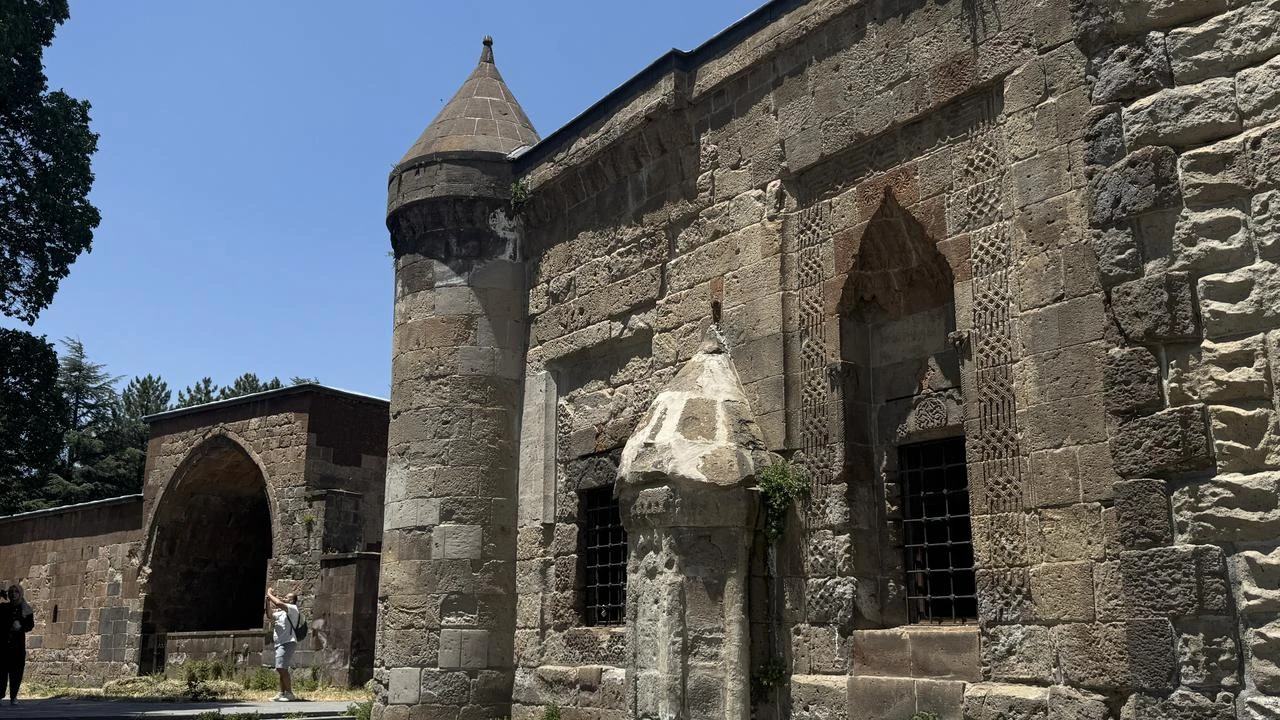
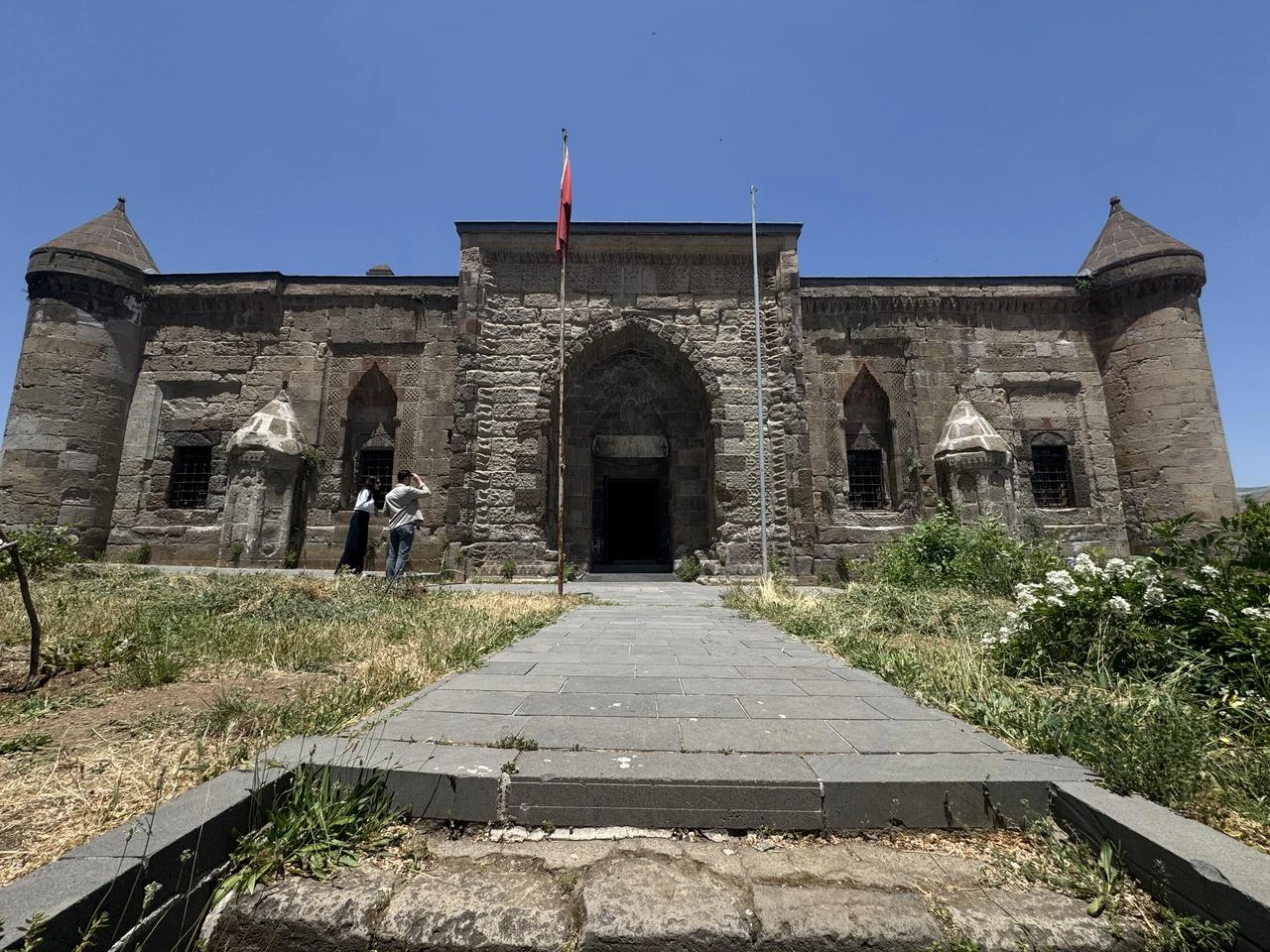
The Bitlis Historic City Museum, located in the city center, occupies a building once used as the governor's residence, constructed from Ahlat stone.
Inside, ornamented stones, hand mills, gravestones, and basalt architectural fragments trace the region's cultural heritage, with inscriptions offering insight into the social life, religious practices, and stonework of past eras.
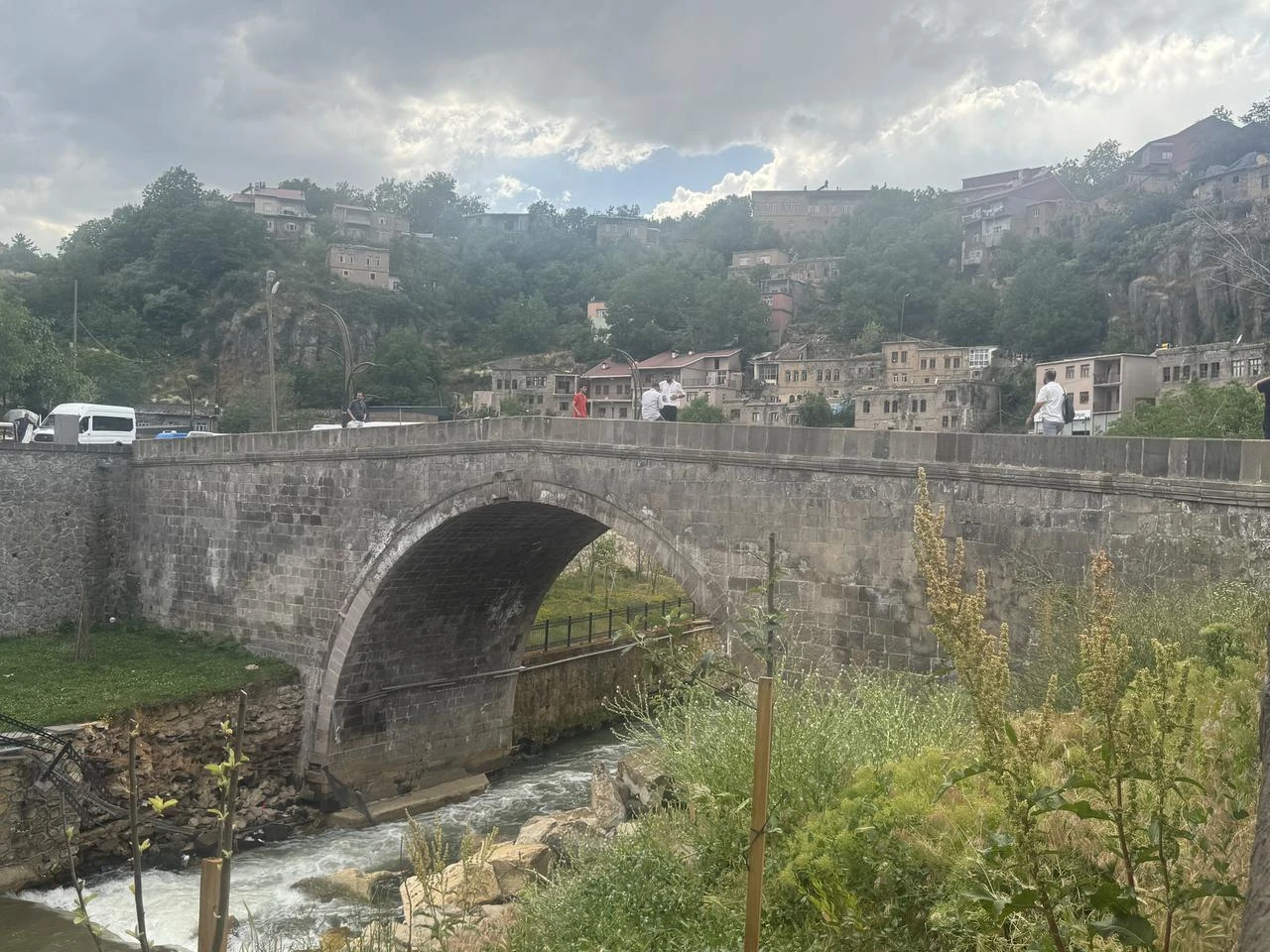
Overlooking the city center, Bitlis Seyir Hill offers a panoramic view of the historic urban fabric and surrounding landscape.
The viewpoint draws particular attention at sunrise and sunset, when Bitlis Castle and the city's historic stone buildings are visible together across the valley below.
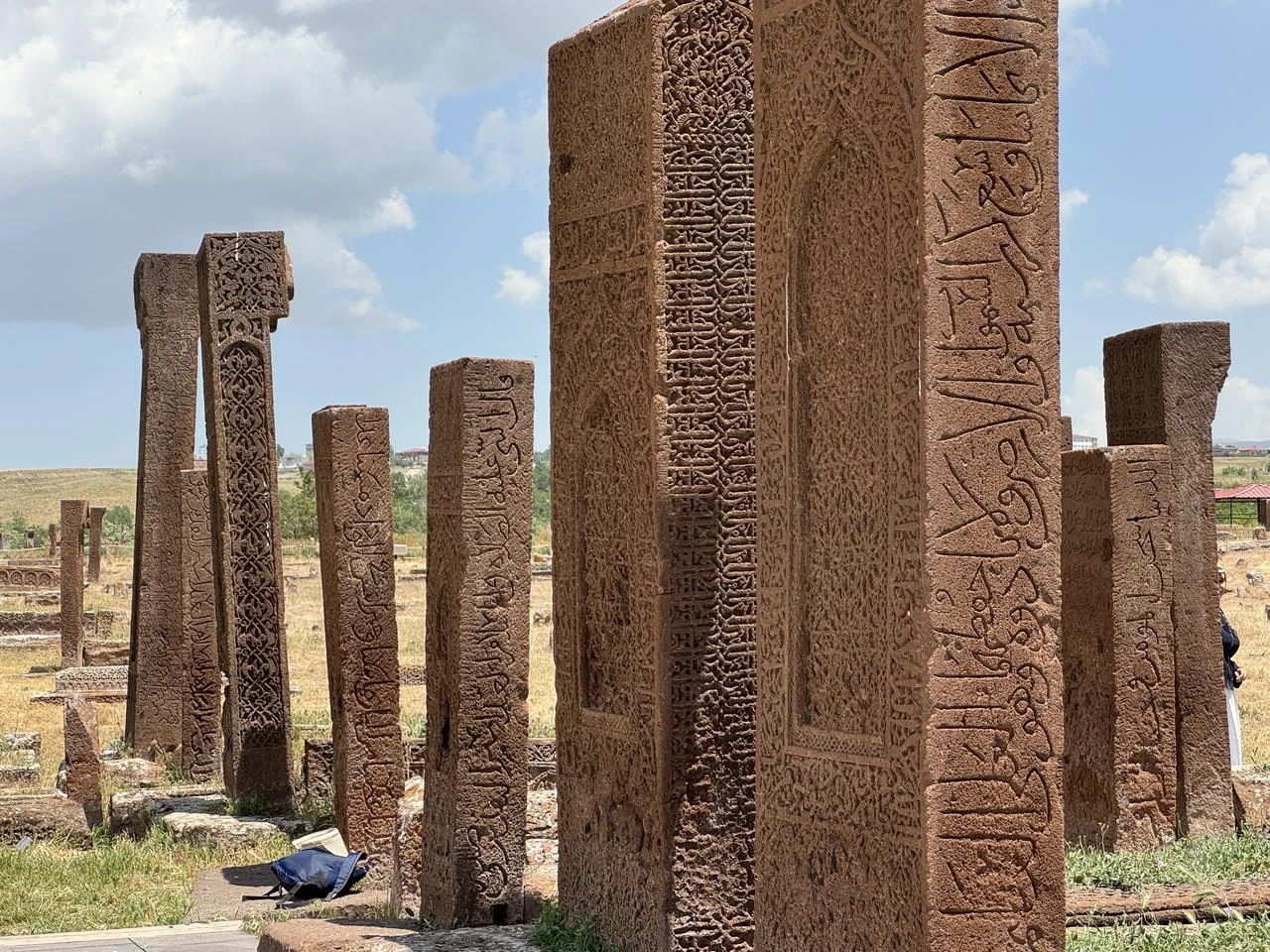
Northwest of Lake Van, the Ahlat district was known during the Seljuk era as 'Kubbet-ul Islam,' or Dome of Islam, serving as a center of learning and culture.
The Ahlat Seljuk Meydan Cemetery, spanning about 210,000 square meters, ranks among the largest Turkish-Islamic cemeteries in the world, with monumental gravestones carved in geometric and floral motifs. The site is recognized under UNESCO's World Heritage program for its universal value.
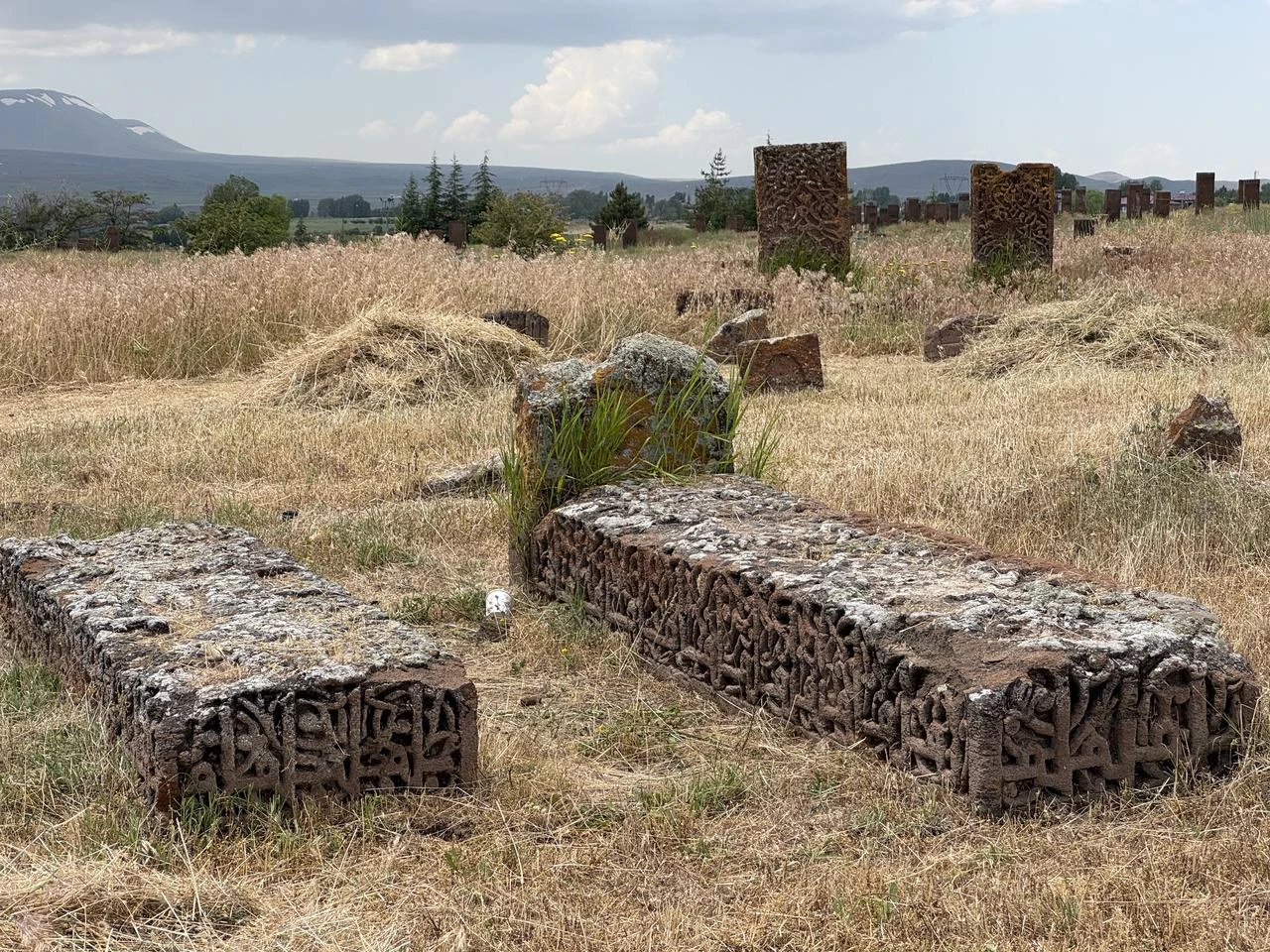
Also located in Ahlat, the Urartu House introduces the architecture and daily life of the Urartu civilization, one of the region's earliest cultures.
Designed in a traditional architectural style, the site presents information on Urartu-era artistic traditions and living habits to visitors exploring the district's deeper historical layers.
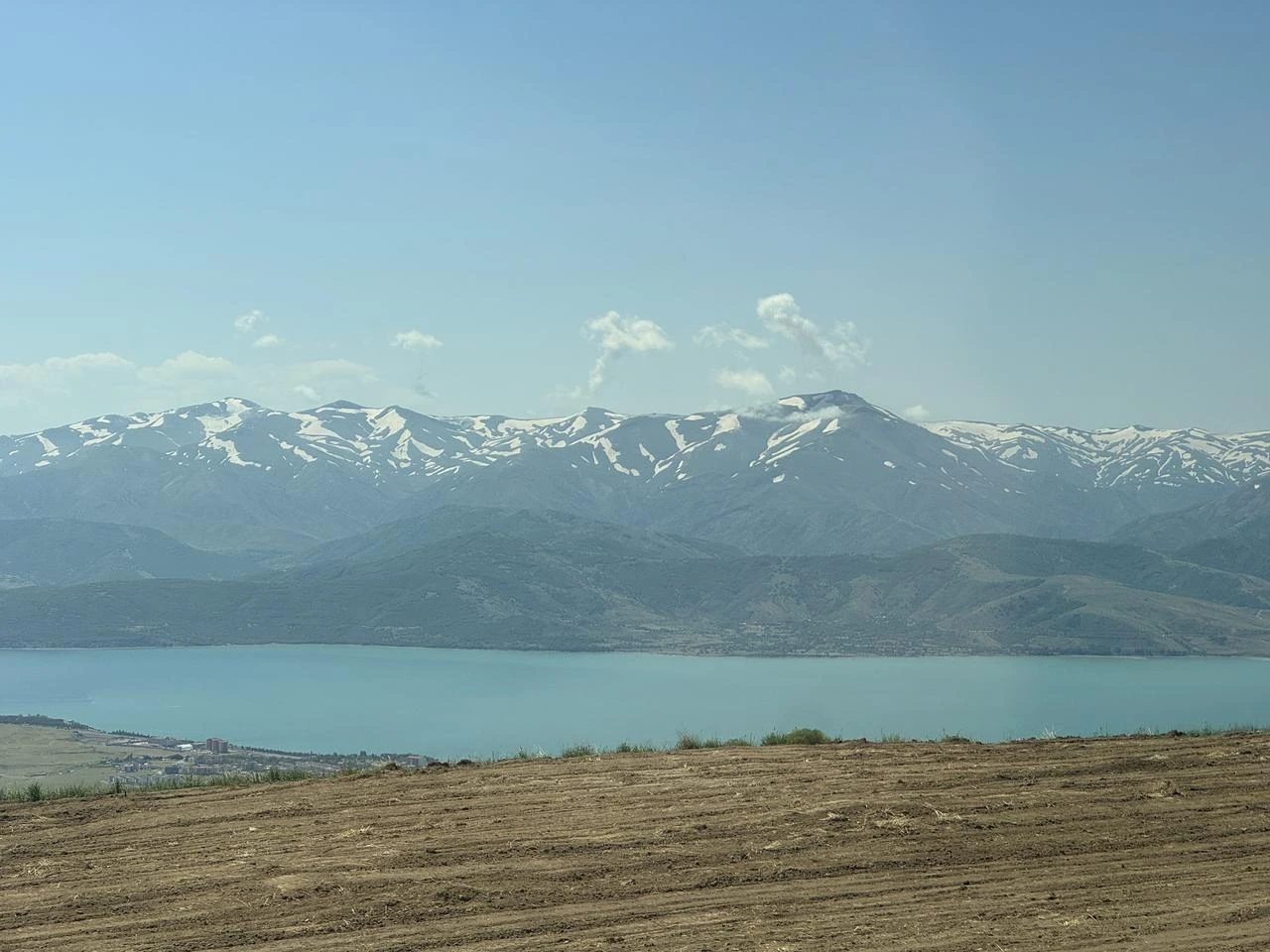
On the shore of Lake Van along the Adilcevaz-Ahlat road, Zal Pasha Mosque welcomes visitors with views of the lake.
The structure, which features 12 small domes, remains open for visits outside of prayer times, drawing those interested in the region's religious architecture.
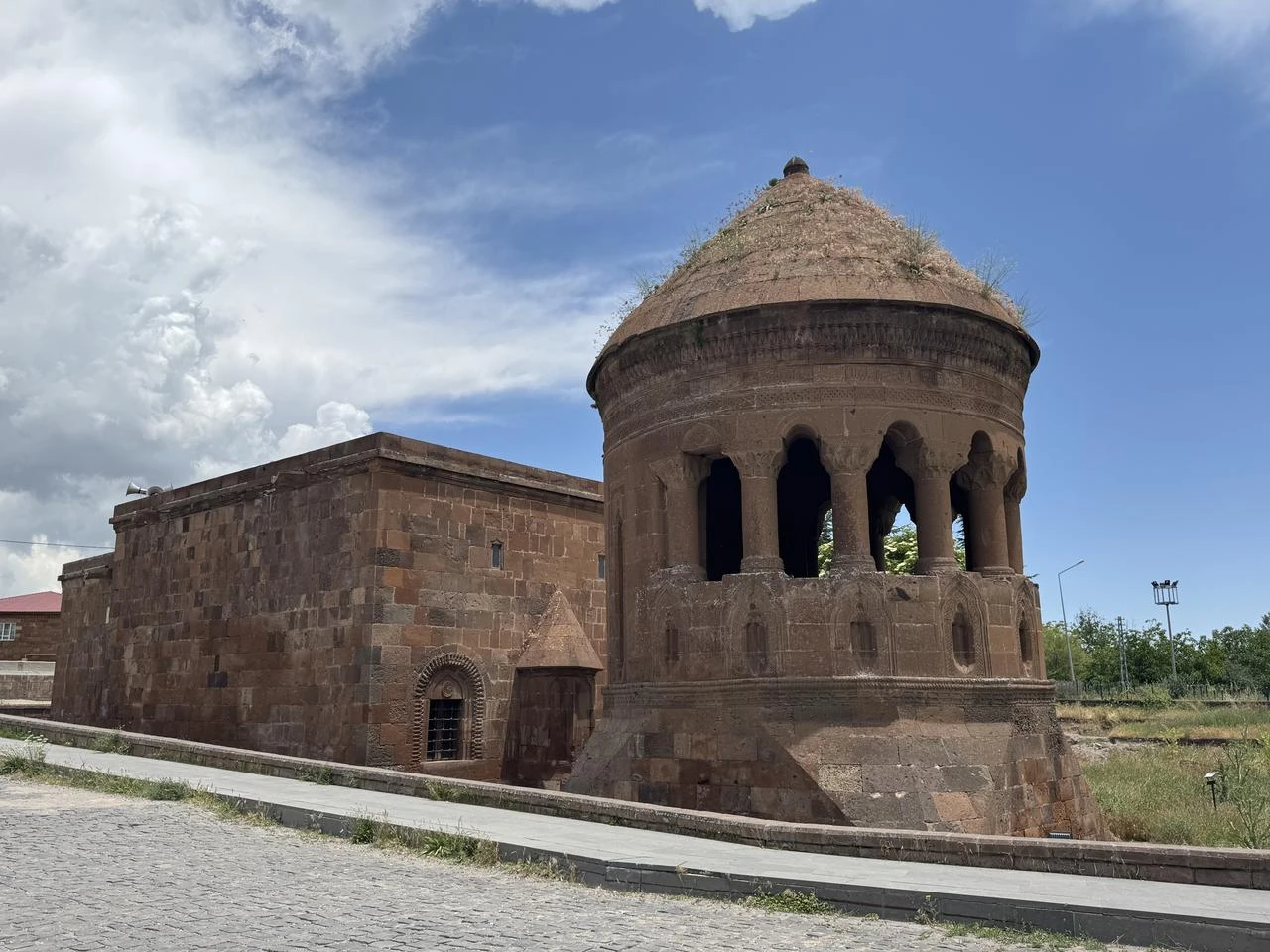
According to its inscription, Adilcevaz Ulu Mosque underwent repairs in 1150.
The mosque is distinguished by its conical dome covering and a minaret that rises separately from the main structure, standing among the region's significant historic monuments.
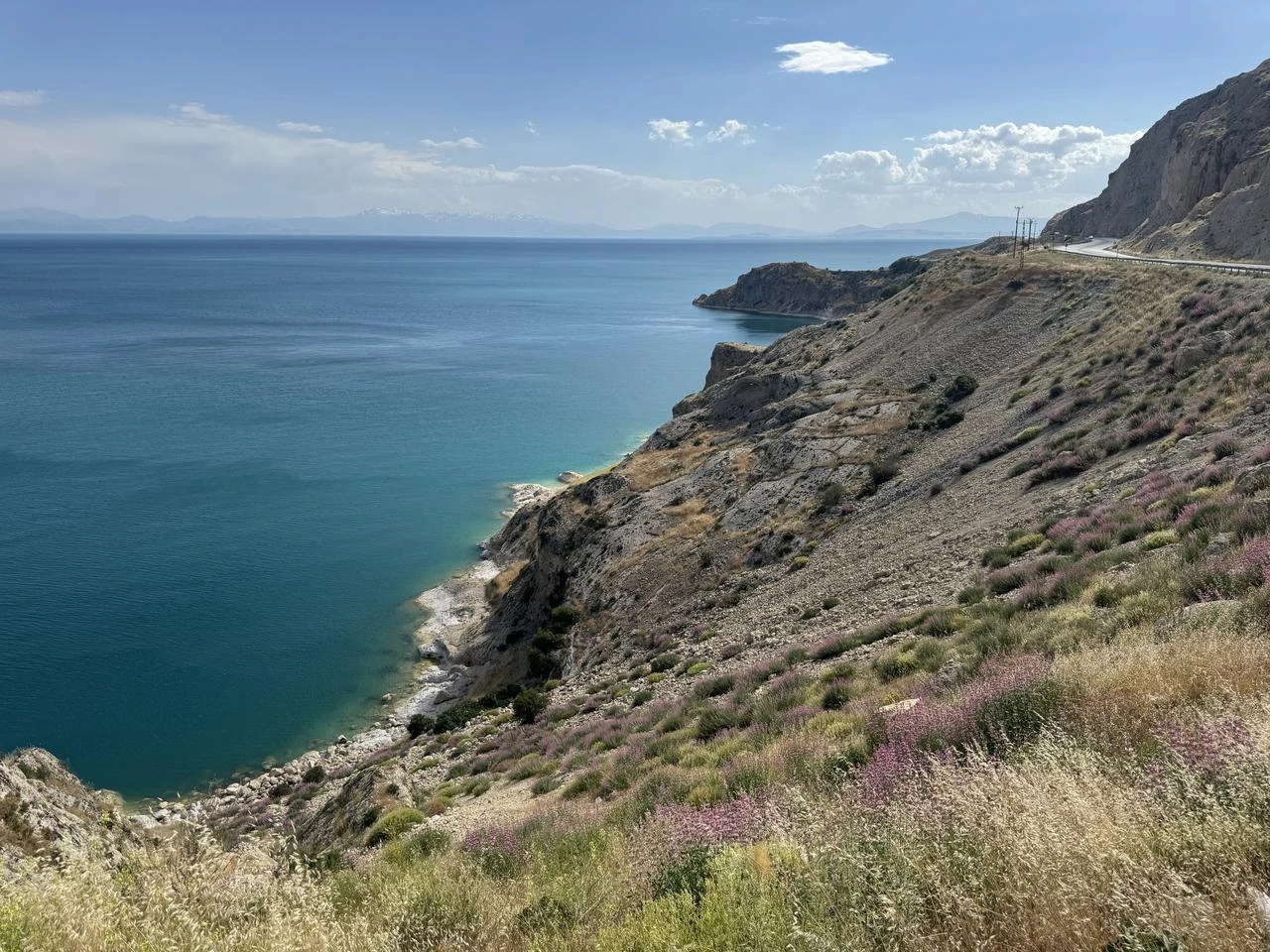
Within the boundaries of the Tatvan district, Nemrut Crater Lake ranks as the world's second-largest and Türkiye's largest crater lake.
Sitting at an elevation of about 2,250 meters, the crater contains hot and cold lakes, steam vents, and dense vegetation, attracting nature enthusiasts and photographers drawn to its volcanic terrain and panoramic views.
Bitlis' culinary tradition remains a central part of its identity today, anchored by Buryan Kebab, a dish slow-cooked for hours in specialized pit ovens and often served with Avsor soup.
Other regional dishes, including ciger taplamasi, katikli dolma, keledos and helise, are prepared using local herbs and traditional techniques passed down for generations.

 1 min read


 Set as preferred source