Newsletters


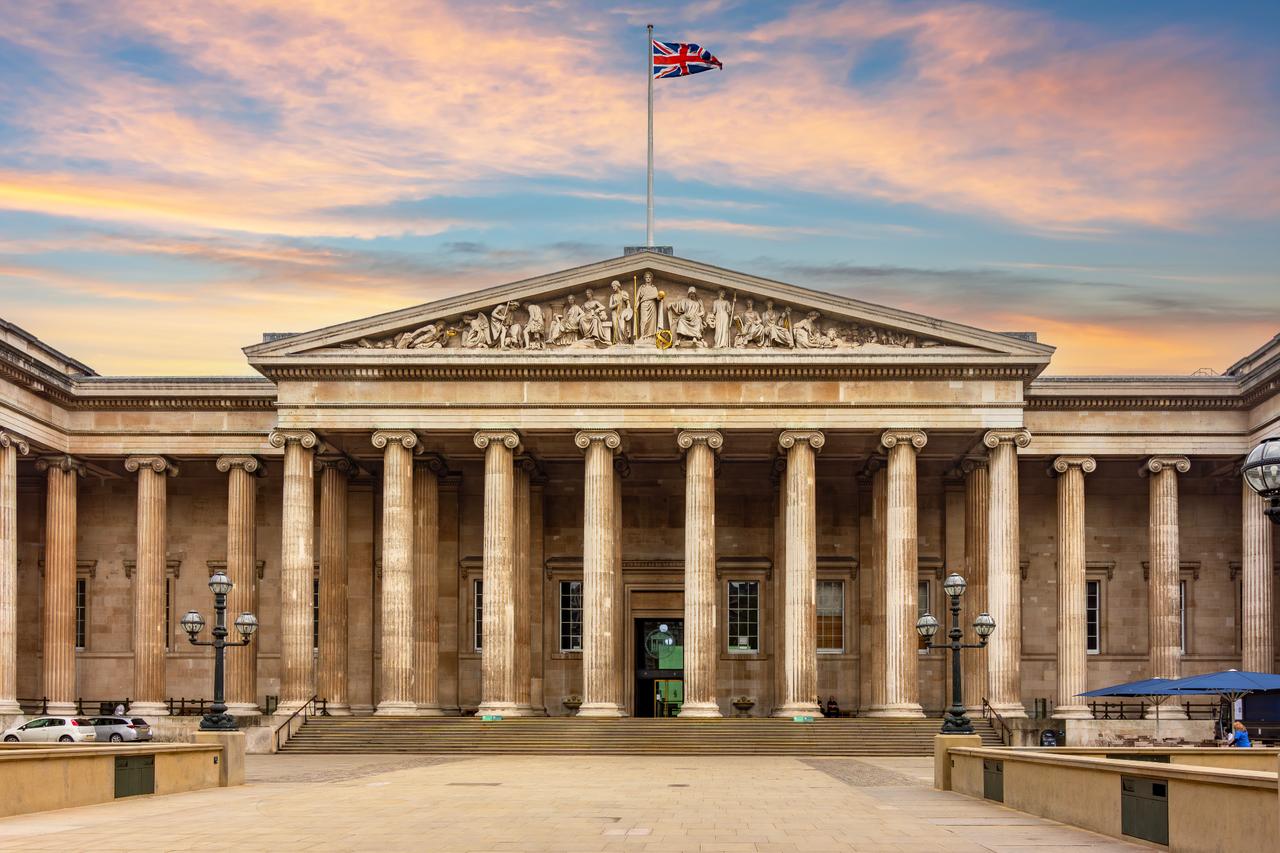


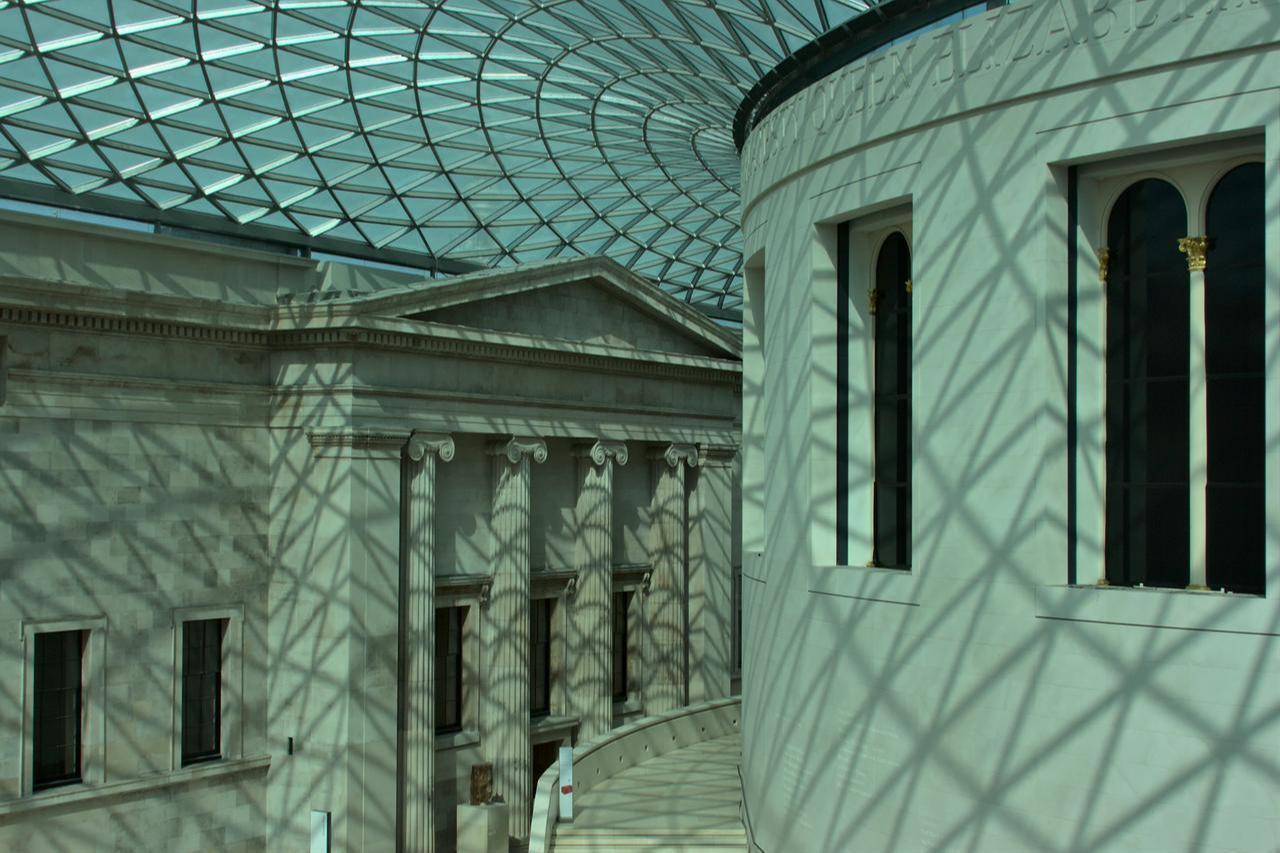
The British Museum has removed the word “Palestine” from several ancient Middle East exhibits following complaints from a pro-Israel legal group, prompting debate over historical terminology and representation.
The changes affect information panels and maps in the museum’s ancient Middle East galleries that previously described parts of the eastern Mediterranean coast as Palestine and referred to some ancient peoples as being of “Palestinian descent.”
The museum said the revisions aim to improve historical accuracy and reflect appropriate terminology for ancient cultural regions.

The decision followed concerns raised by UK Lawyers for Israel, a voluntary association of solicitors.
The group argued that using the term "Palestine" to describe ancient regions applied a modern label to civilizations that existed before the name emerged.
In a letter to museum director Nicholas Cullinan, the group said applying the term across thousands of years “erases historical changes” and creates a misleading impression of continuity. It also argued that such terminology could obscure the historical emergence of the kingdoms of Israel and Judah around 1000 BC.
After receiving the complaint, museum curators reviewed the displays. Several Egypt-related panels were updated, including one that had described the Hyksos people as being of “Palestinian descent.” The display now refers to them as being of “Canaanite descent.”
Maps and references linked to ancient Egypt and the Phoenician civilization have also been revised, with further updates planned under the museum’s broader redisplay and reconstruction program. Officials said panels are being reviewed individually.
A British Museum spokesperson said the term “Palestine” was not always “meaningful” when describing ancient cultural regions and that changes followed feedback and audience research.
A British Museum spokesperson said the institution had revised terminology to reflect historical context.
“For the Middle East galleries, for maps showing ancient cultural regions, the term ‘Canaan’ is relevant for the southern Levant in the later second millennium B.C.,” the spokesperson said.
The museum added, “We use the U.N. terminology on maps that show modern boundaries, for example, Gaza, the West Bank, Israel, and Jordan, and refer to ‘Palestinian’ as a cultural or ethnographic identifier where appropriate.”
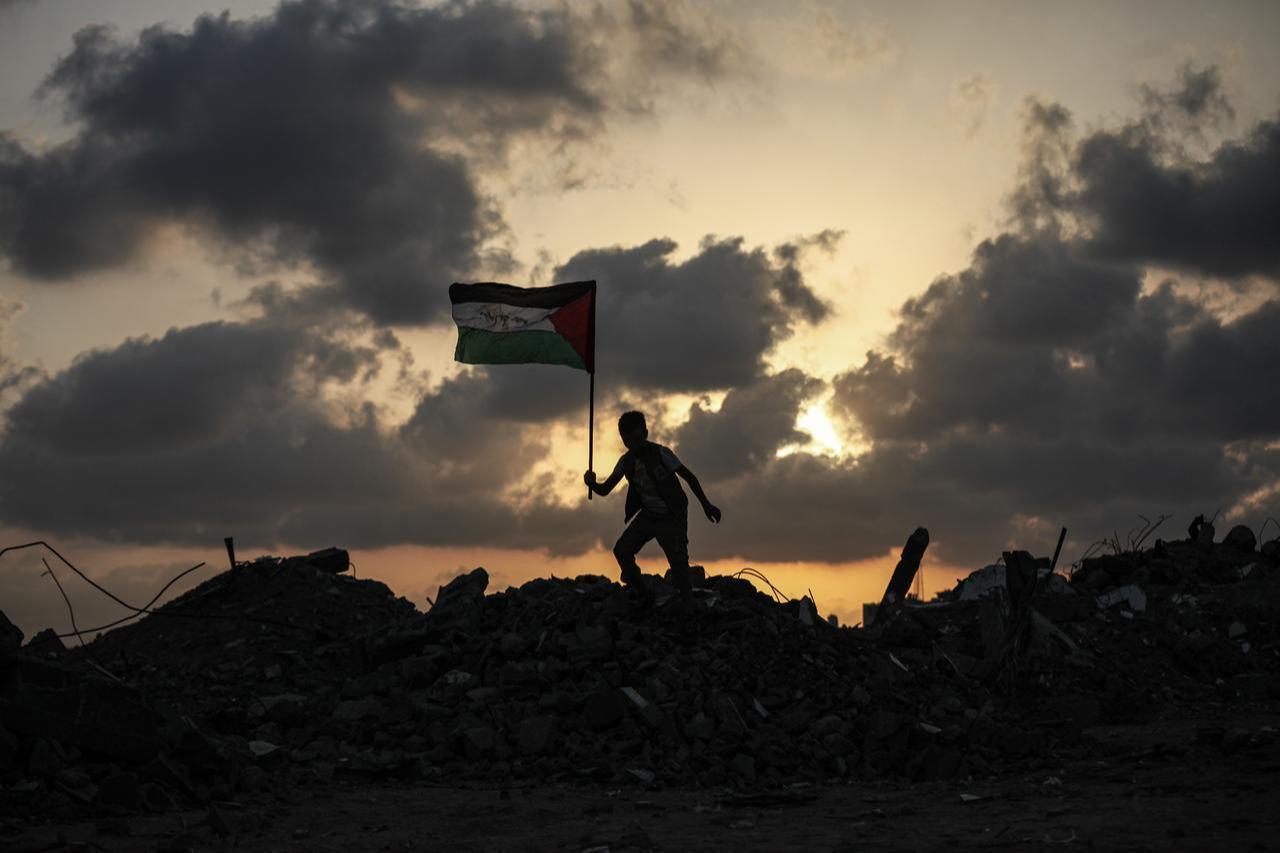
The eastern Mediterranean region has been known by several names throughout history, reflecting shifting political and cultural developments.
Ancient texts from around 1500 B.C. refer to the Canaanites, while an Egyptian inscription from around 1200 B.C. It includes one of the earliest references to a kingdom called Israel.
Assyrian texts later mention Judah, and Greek sources described the lands of the Phoenicians along parts of the Mediterranean coast.
The Greek historian Herodotus made one of the earliest textual references to Palestine in the fifth century BC. The term later described a province under Roman and Byzantine rule and became widely used as a geographic descriptor in the nineteenth century.
Museum officials said the revised displays seek to avoid applying historically later terms to earlier periods.

The terminology debate reflects wider disagreements over historical interpretation and modern political claims related to the region.
After World War I, Britain took control of the territory known as Palestine following the defeat of the Ottoman Empire. Most of the population was local Palestinian inhabitants of the territory, alongside a smaller Jewish population.
Tensions increased after Britain issued the Balfour Declaration in 1917, supporting the establishment of a national home for the Jewish people.
The United Nations voted in 1947 to divide the territory into separate Jewish and Arab states, with Jerusalem designated as an international city.
In 1948, Jewish leaders declared the state of Israel after British rule ended, triggering a war with neighboring Arab countries.
Around 700,000 Palestinians fled or were displaced during the conflict, and by 1949, Israel controlled most of the territory.
The museum’s decision to revise its displays comes amid ongoing debate over how historical narratives and terminology shape public understanding of the region’s past.


 Set as preferred source
 Set as preferred source


 2 min read