Newsletters


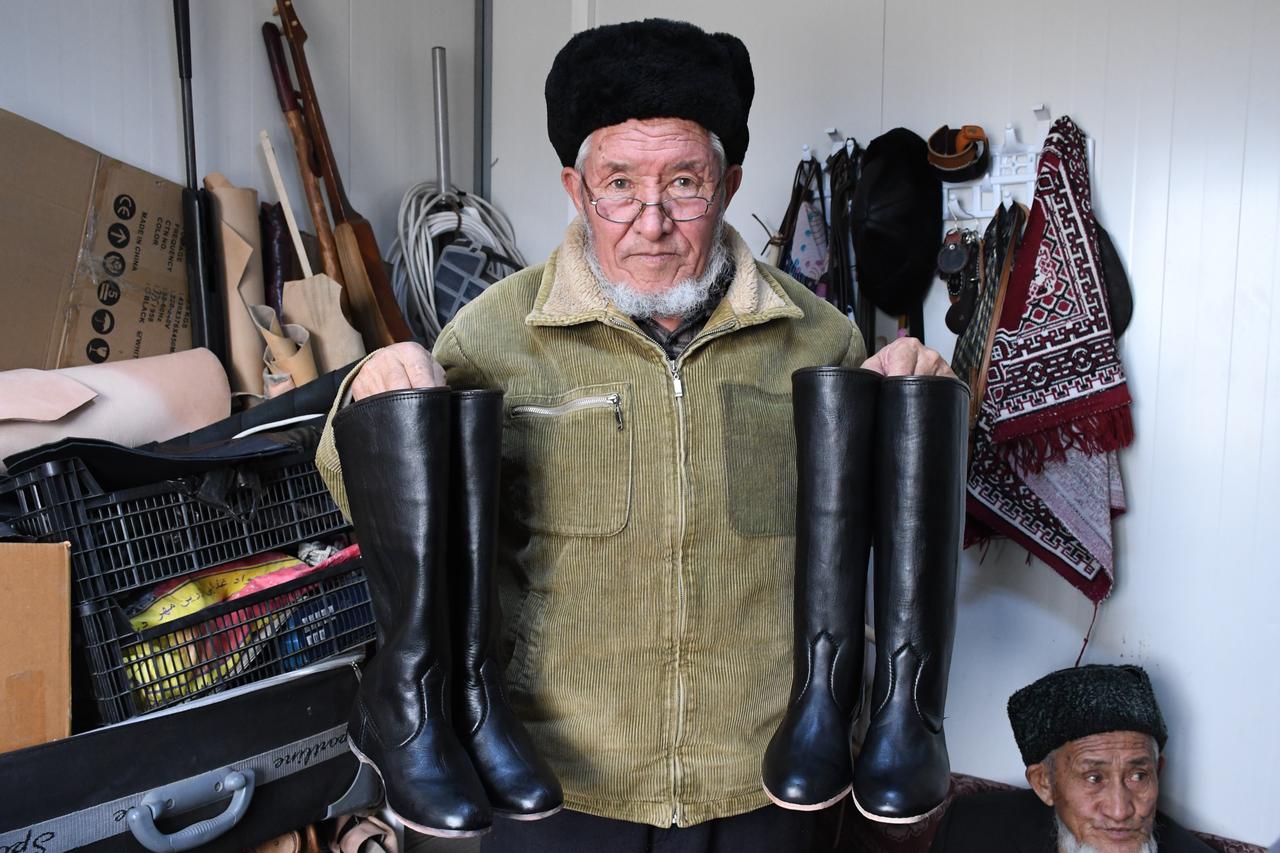


In Yenifakili, a district in Yozgat in central Türkiye, members of a local Kyrgyz Turkish community are trying to keep a traditional leathercraft alive, yet the remaining masters say the craft is now at risk of disappearing because no new apprentices are coming in.
Leatherwork has long held a practical and cultural role in Kyrgyz life, shaped by nomadic traditions where durable, warm, long-lasting materials were relied on for everyday use, but artisans in Yenifakili say they may be among the last people still producing these items by hand.

In the Kyrgyz tradition described by local artisans, leather goods are valued for how well they hold up, how they keep people warm, and how long they last. Products such as “mest” and “cizme” are singled out as especially common because they are used both during worship and in harsh weather conditions.
Mest refers to traditional leather footwear worn like a soft boot or shoe, often preferred for warmth and comfort, while cizme refers to boots. Artisans also make items including belts, kalpak (a traditional hat), and whips, presenting these pieces not only as functional objects but also as part of a living cultural heritage for the Kyrgyz community in the area.
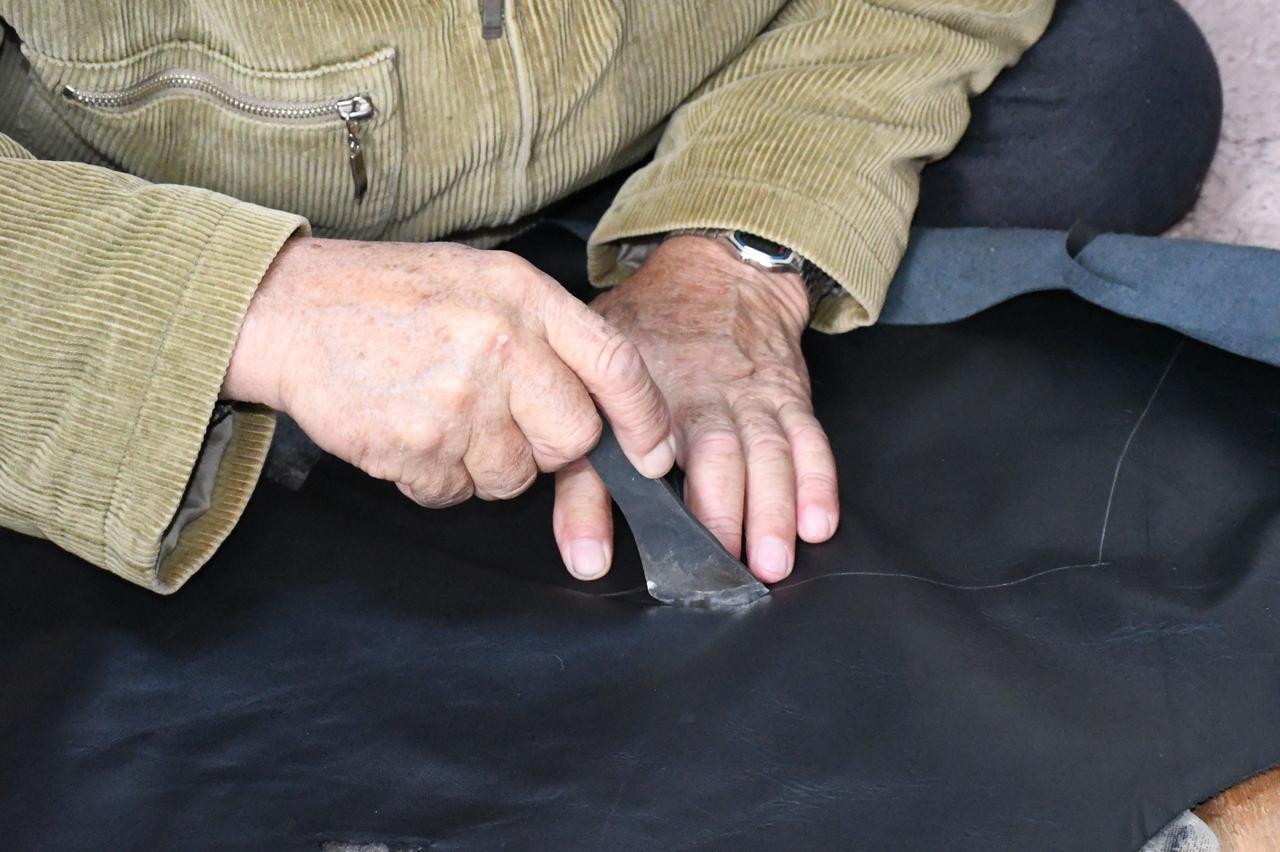
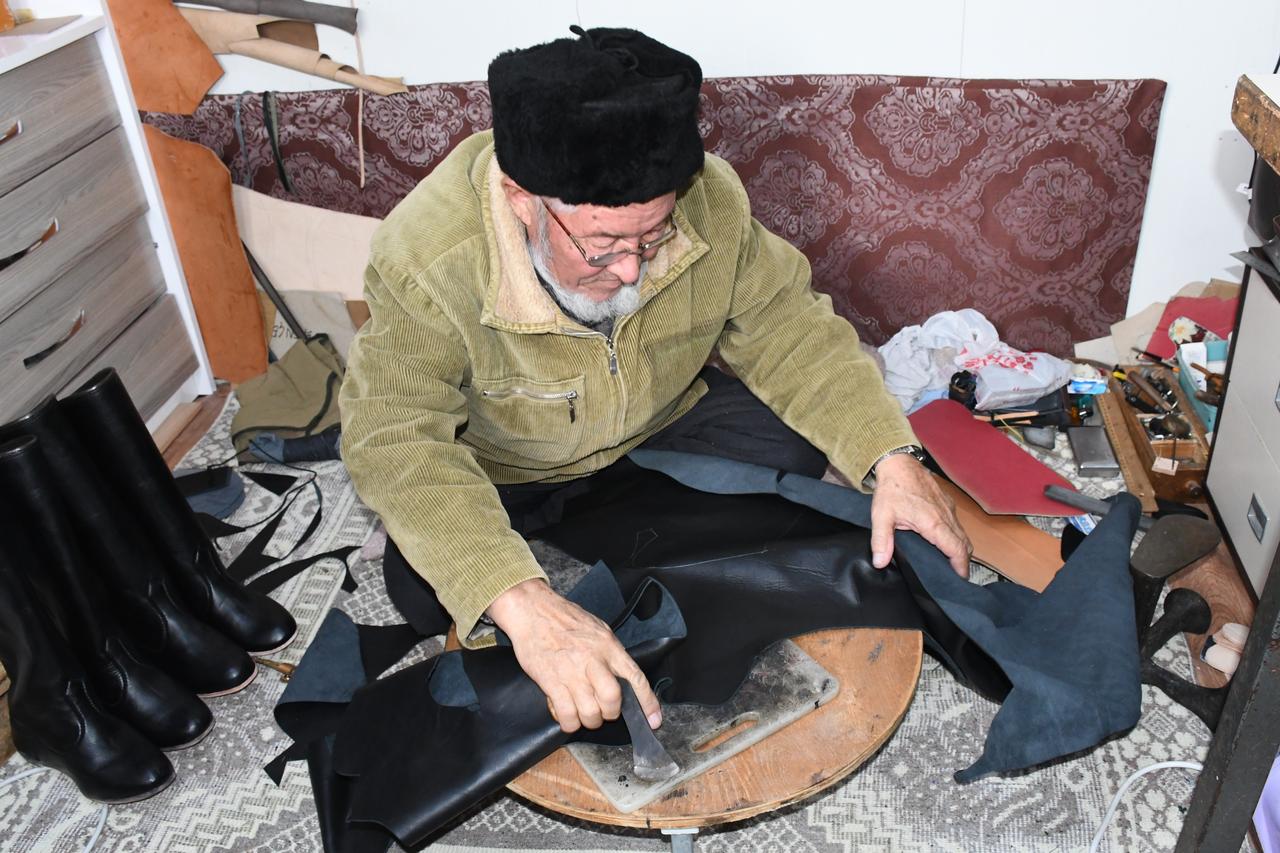
One of the masters, 70-year-old Boncun Isik, says he took over the craft from his father-in-law and has kept it going since his elder stepped away due to age. He describes the work as patience-heavy and says he sews by hand.
Isik explains that a pair of mest can take him around three to four days to complete, adding that demand mostly comes from within the Kyrgyz community and that the footwear is commonly used for prayer because it keeps the feet warm.
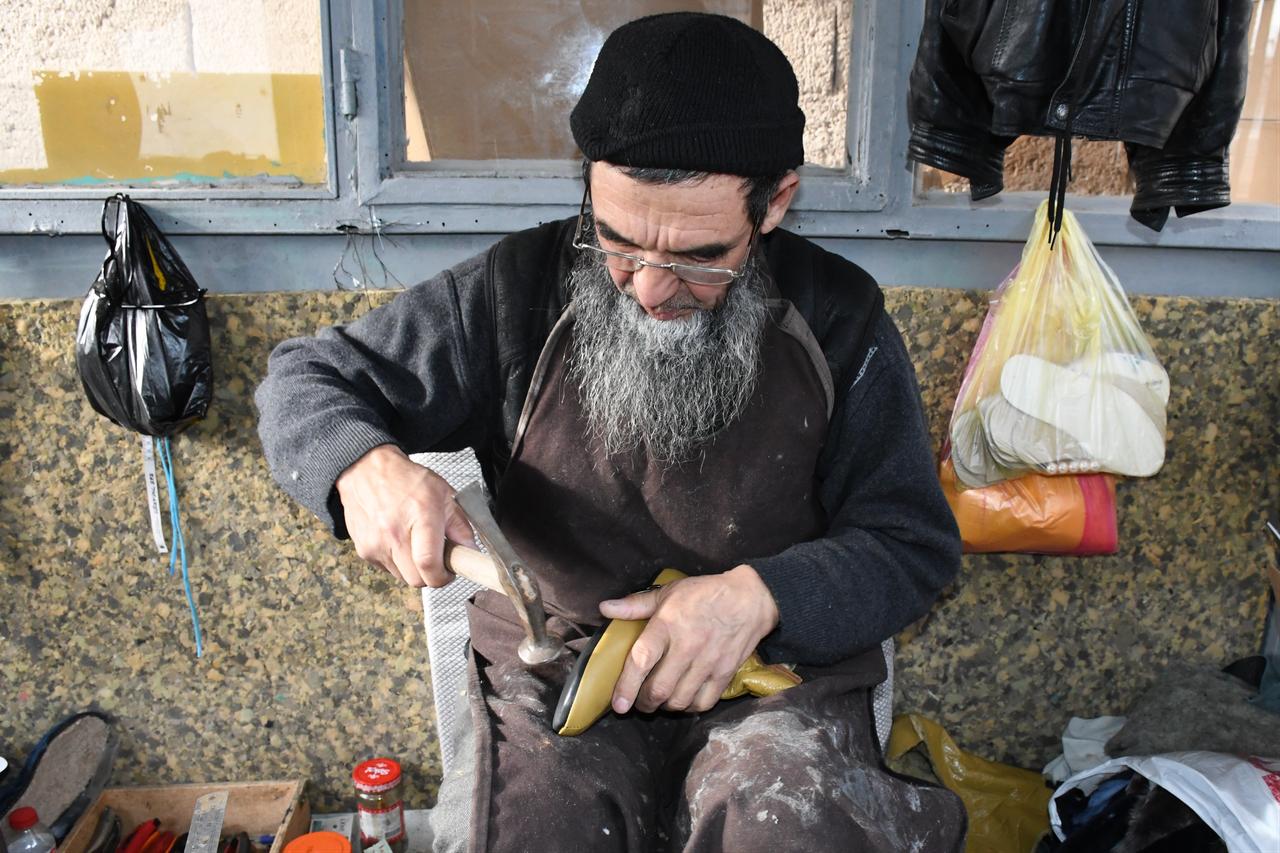
Another master, Mehdi Omer, also 70, says he has been doing the job for 27 years and produces a wide range of handmade leather items, including mest, whips, jackets, kalpak, boots, and belts. He says he works with close to 50 types of leather and that orders can be tied to a broader network, including Kyrgyz community links connected to Ercis Ulupamir, while sales extend to cities such as Istanbul, Konya, and Kayseri.
Omer notes that different mest styles take different amounts of time, and that pairs made with thick leather soles can take around three and a half to four days of work. He says those pairs are sold for roughly 3,000 to 4,000 Turkish lira, while handmade boots can take about four to four and a half days to complete. He also says he makes boots for Turkish soldiers and commanders.
The artisans say their main worry is that younger people are not showing interest in learning a trade that requires sustained hand labor and patience. Without apprentices, they fear the craft could disappear within a few years.


 Set as preferred source
 Set as preferred source


 2 min read