Newsletters


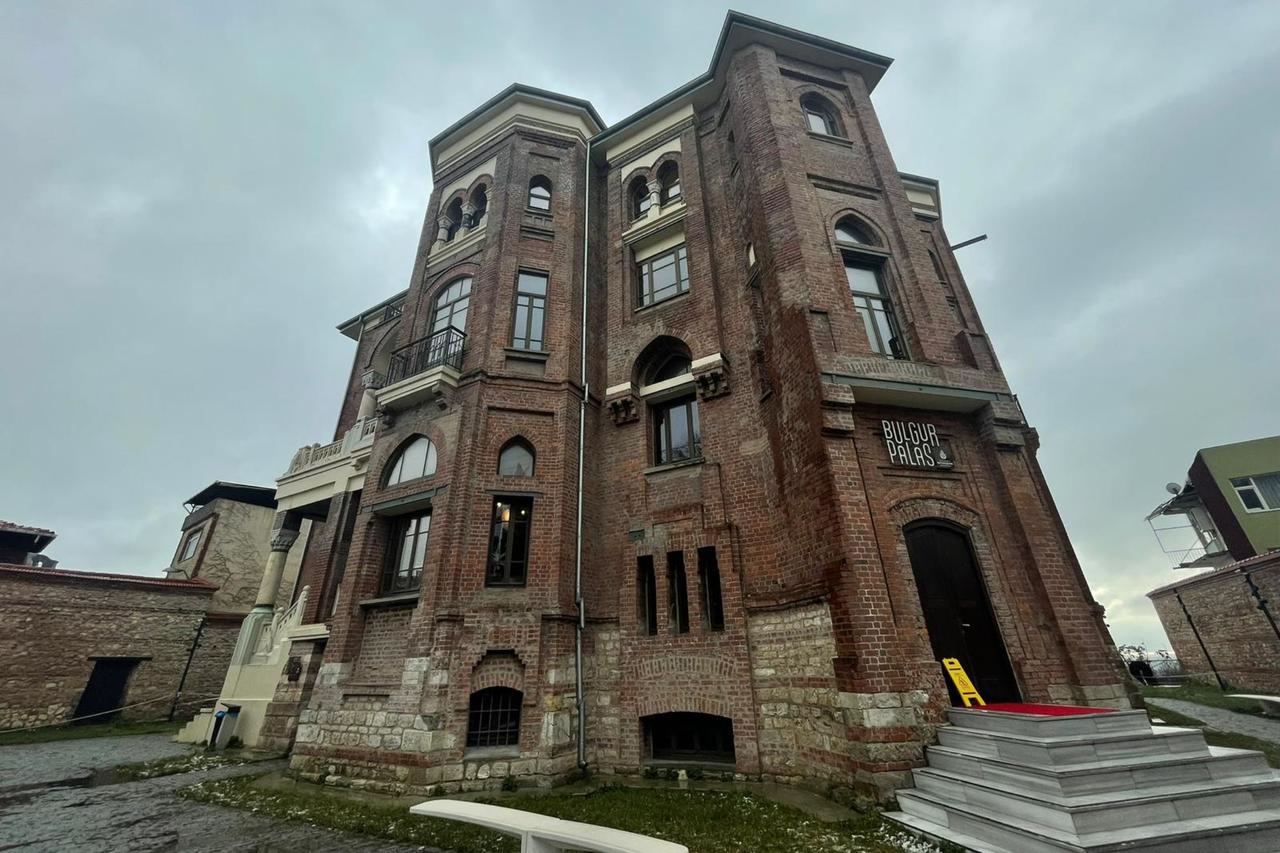


Standing silently for more than a century on Istanbul’s Historic Peninsula, Bulgur Palace has reemerged as a public cultural venue after a long period of abandonment.
Known originally as the Bolulu Habib Bey Mansion, the building reopened to visitors in 2021 following an extensive restoration led by the Istanbul Metropolitan Municipality. Today, the palace functions as a library and cultural center, offering a renewed connection between the city’s layered history and contemporary urban life.

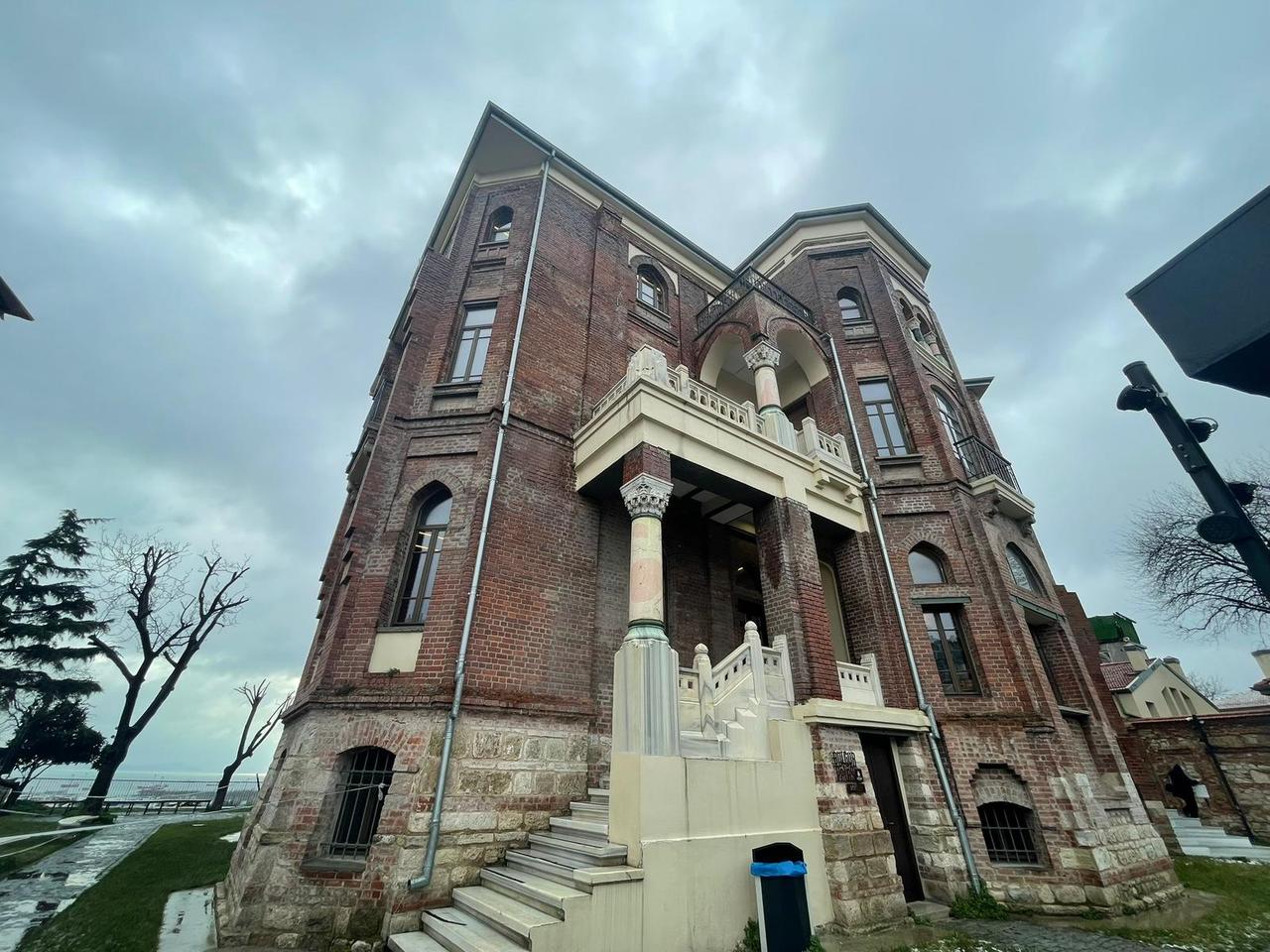
Bulgur Palace is located on Kocamustafapasa Hill, one of the seven historic hills that have shaped Istanbul since Byzantine times. The mansion rises above the neighborhoods of Cerrahpasa and Samatya, overlooking the Marmara Sea and the historic core of the city.
Its elevated position, combined with its monumental facade, has long made it one of the most visually striking yet inaccessible buildings on the peninsula.
The mansion was commissioned in 1912 by Mehmet Habib Bey, a deputy from the province of Bolu and a member of the Committee of Union and Progress, the political movement that dominated the late Ottoman period.
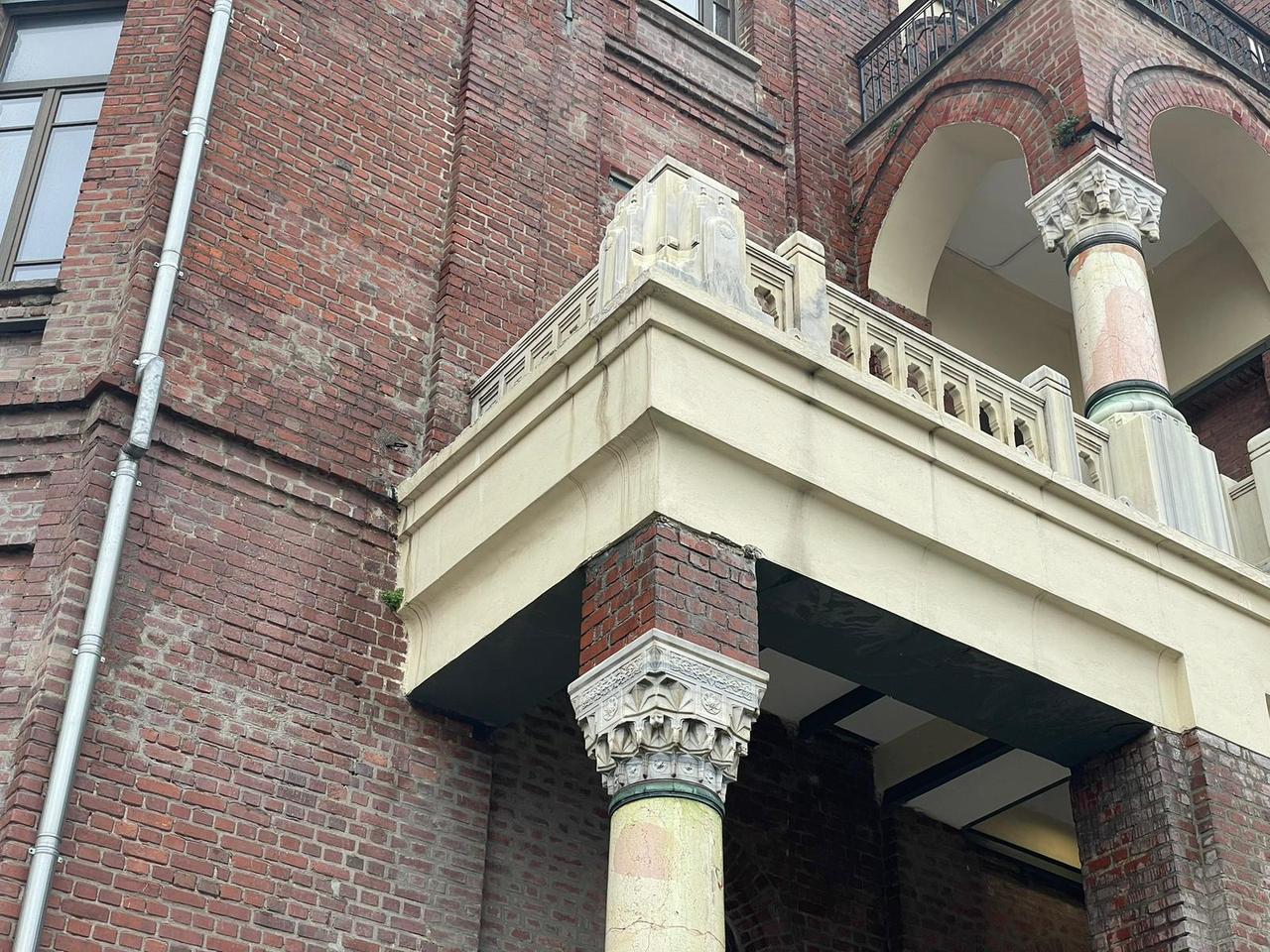
The project was entrusted to Giulio Mongeri, an Italian architect known for shaping many landmark buildings in Istanbul during the early 20th century. Designed as a private residence, the structure reflected both European architectural influences and the ambitions of a rising political elite.
The palace gained its popular name from the source of its funding. During World War I, the Ottoman administration sought to build a national economy by organizing food supply chains for the army. Habib Bey played a role in these initiatives by trading staple grains such as wheat, barley and bulgur.
Over time, public rumors claimed that he accumulated significant wealth through this trade, earning him the nickname “King of Bulgur.” As construction continued with imported materials, the mansion itself came to be known as Bulgur Palace.
Political turmoil following the war altered the fate of both Habib Bey and his mansion. He was exiled to Malta in 1920 during the Allied occupation of Istanbul and later returned without his former influence.
Financial pressures mounted, and construction slowed. Habib Bey died suddenly in 1926 without ever living in the palace. To cover outstanding debts, his family transferred ownership of the building to the Ottoman Bank.
For decades, the Ottoman Bank used the building as an archive and later as staff housing. However, after changes in ownership within the banking sector, the palace gradually fell into disuse.
By the late 20th century, it stood abandoned, admired only from afar due to restricted access and structural decay.
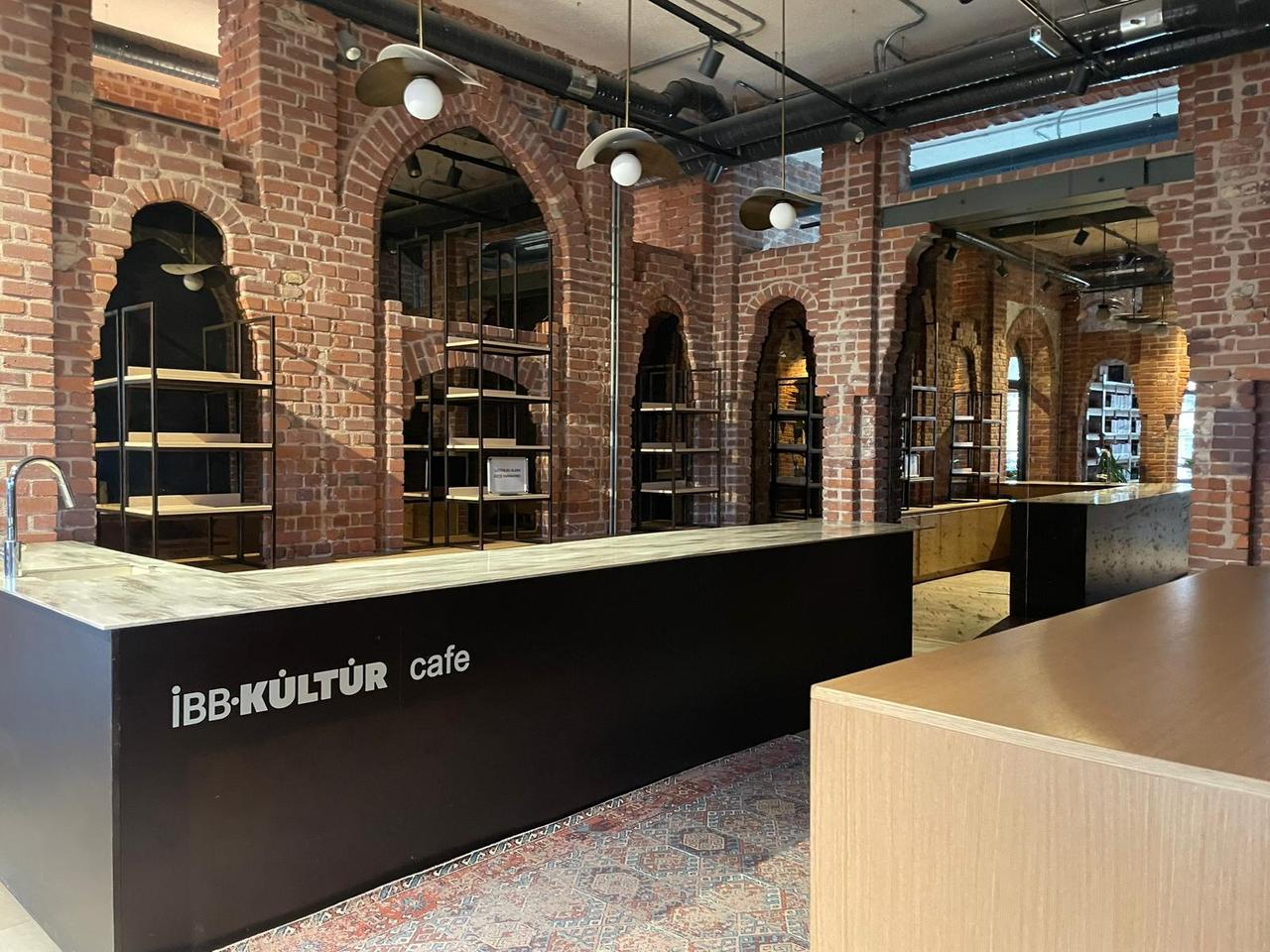
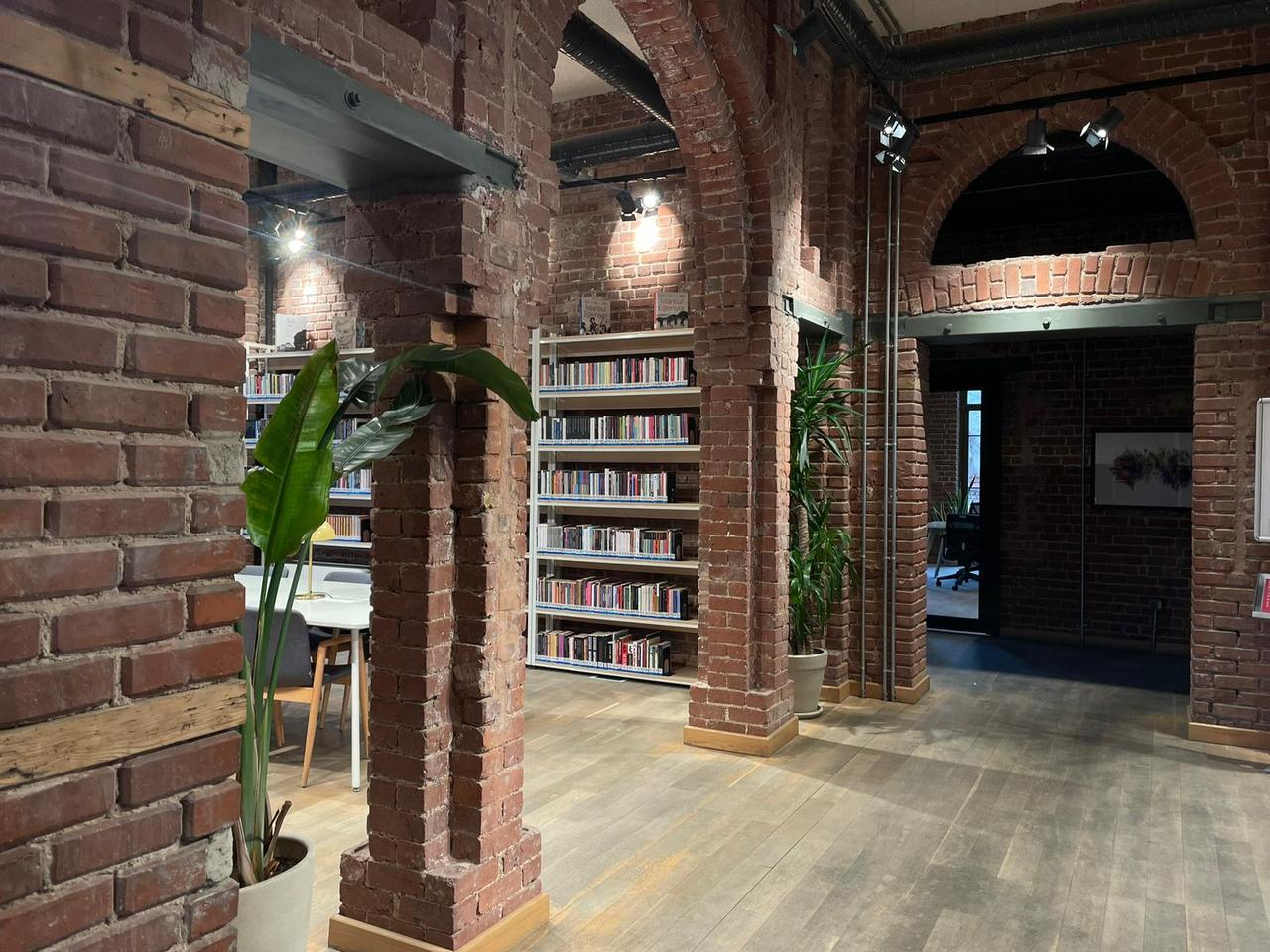
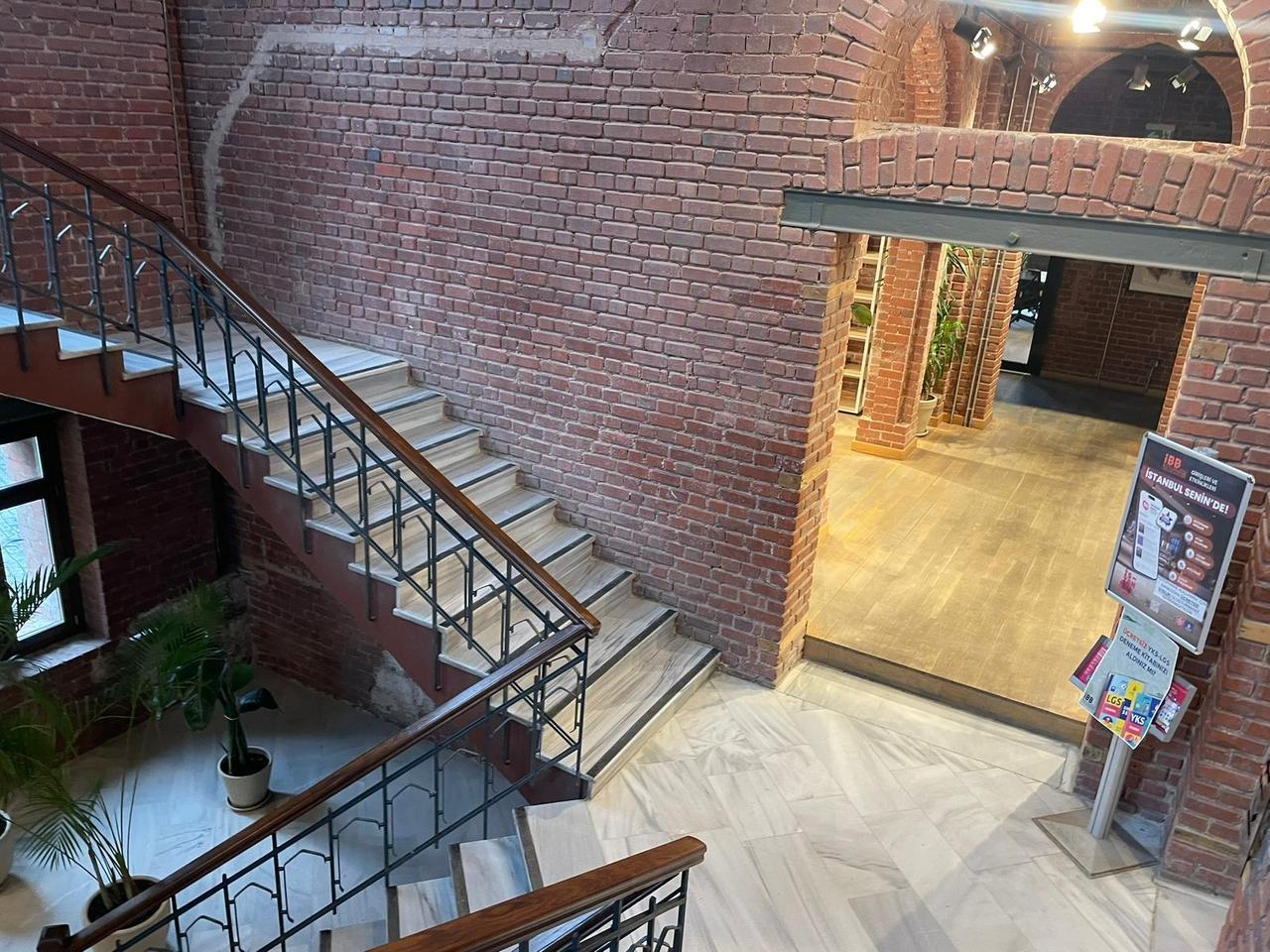
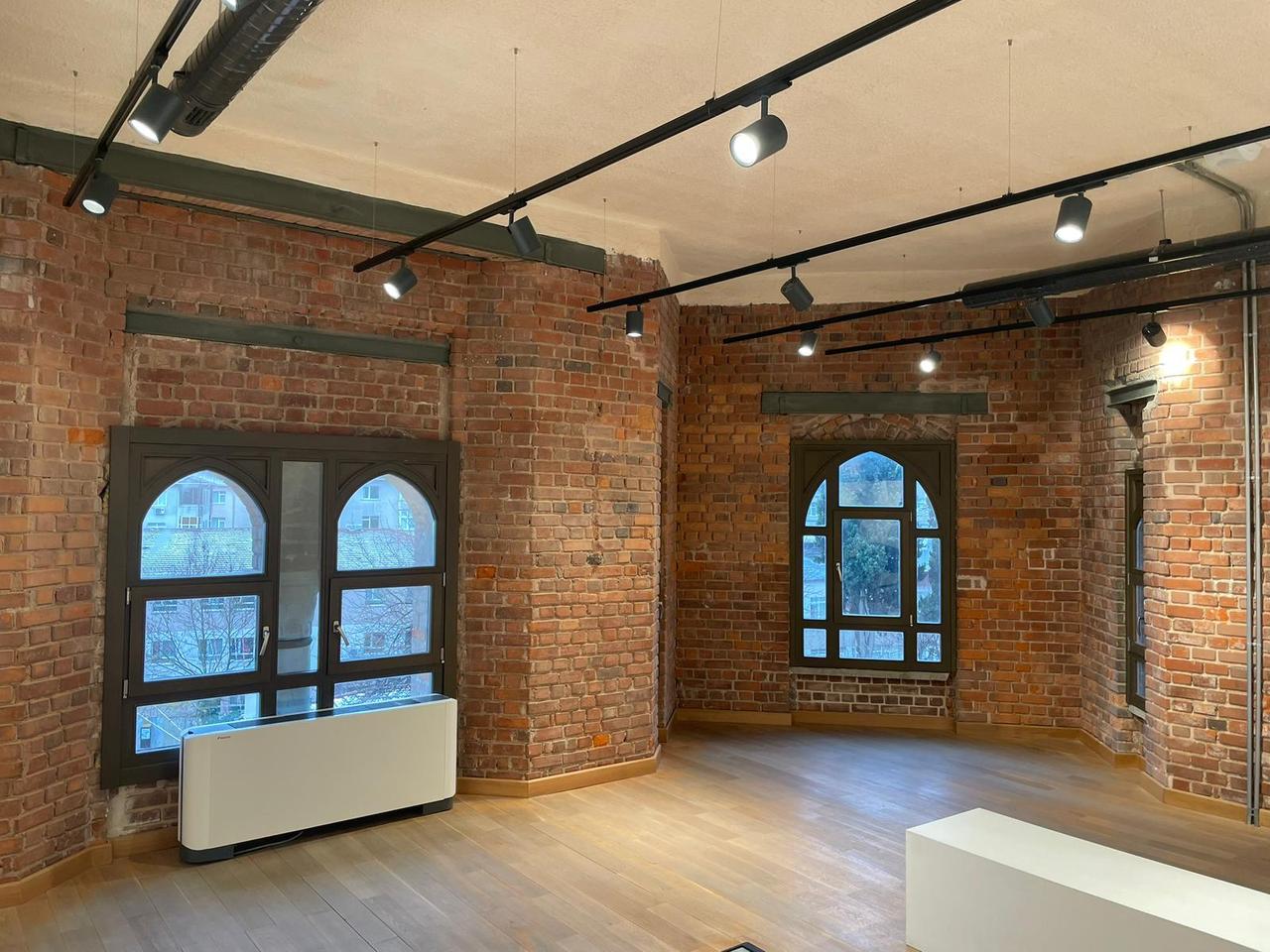
In 2021, the Istanbul Metropolitan Municipality acquired the property and carried out a comprehensive restoration. The building was reopened the same year as a public cultural center, housing a library, archive spaces, exhibition halls, and a cafe.
While it is no longer a newly opened venue, Bulgur Palace continues to serve as a prominent example of adaptive reuse within Istanbul’s historic fabric.


 Set as preferred source
 Set as preferred source


 3 min read