Newsletters


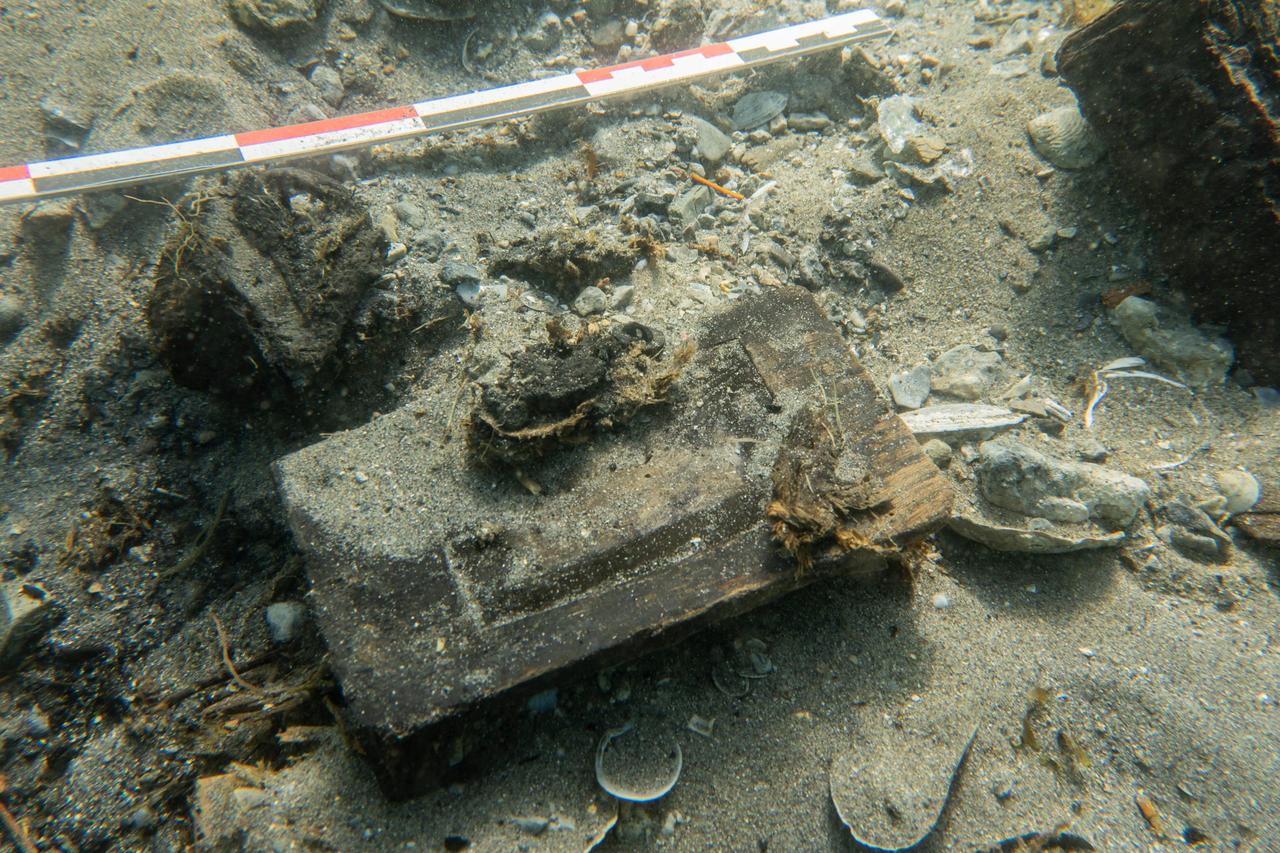


A three-year survey of the Bay of Gibraltar has uncovered one of the Mediterranean's most concentrated underwater heritage sites, but researchers warn it is already being destroyed.
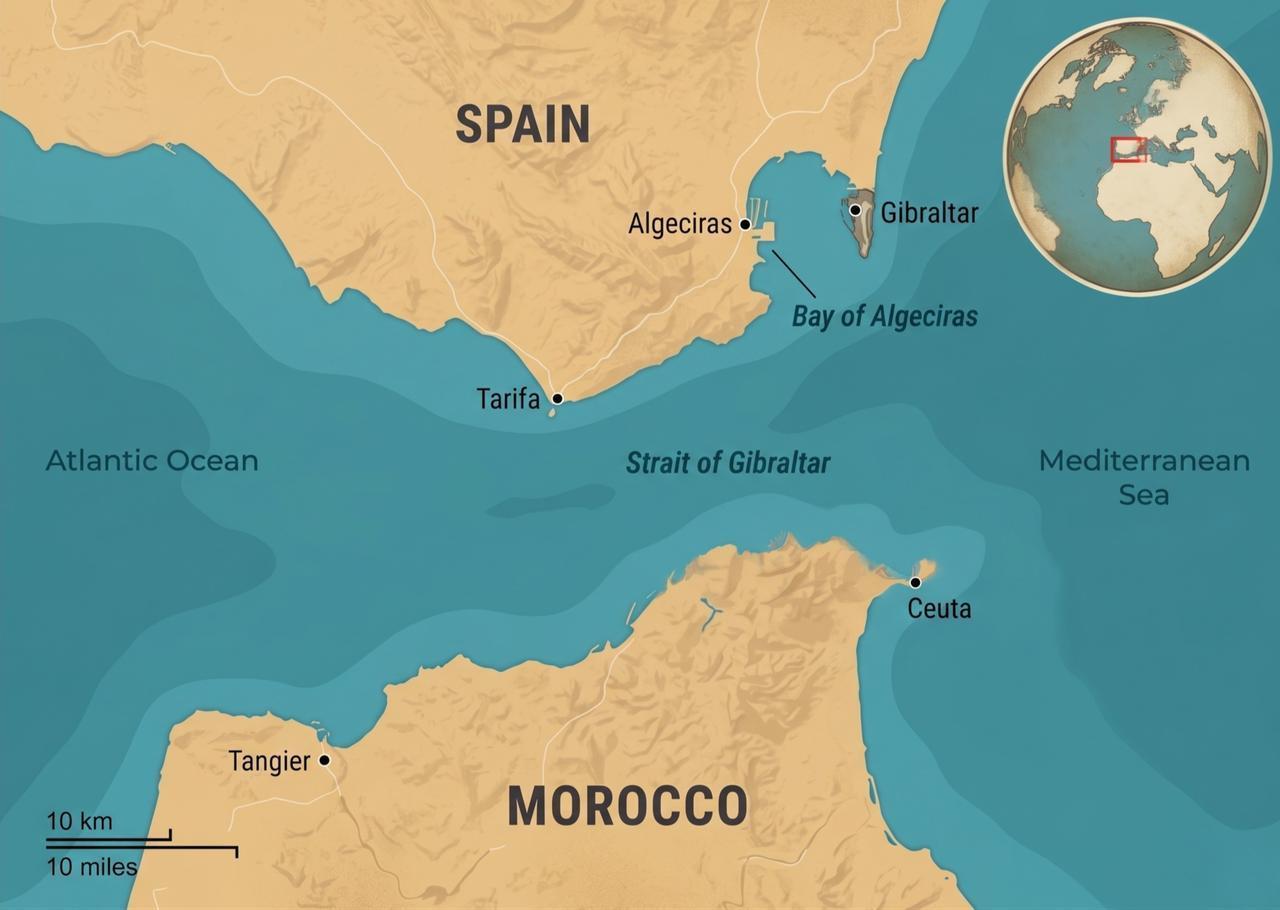
Archaeologists from the University of Cadiz and the University of Granada have found more than 30 shipwrecks in the waters between the Port of Algeciras and the Rock of Gibraltar, dating from the fifth century B.C. to World War II.
The team's final report for the Hercules Project warns that port expansion, dredging, rising sea levels, and invasive algae are damaging these sites faster than researchers can study them.
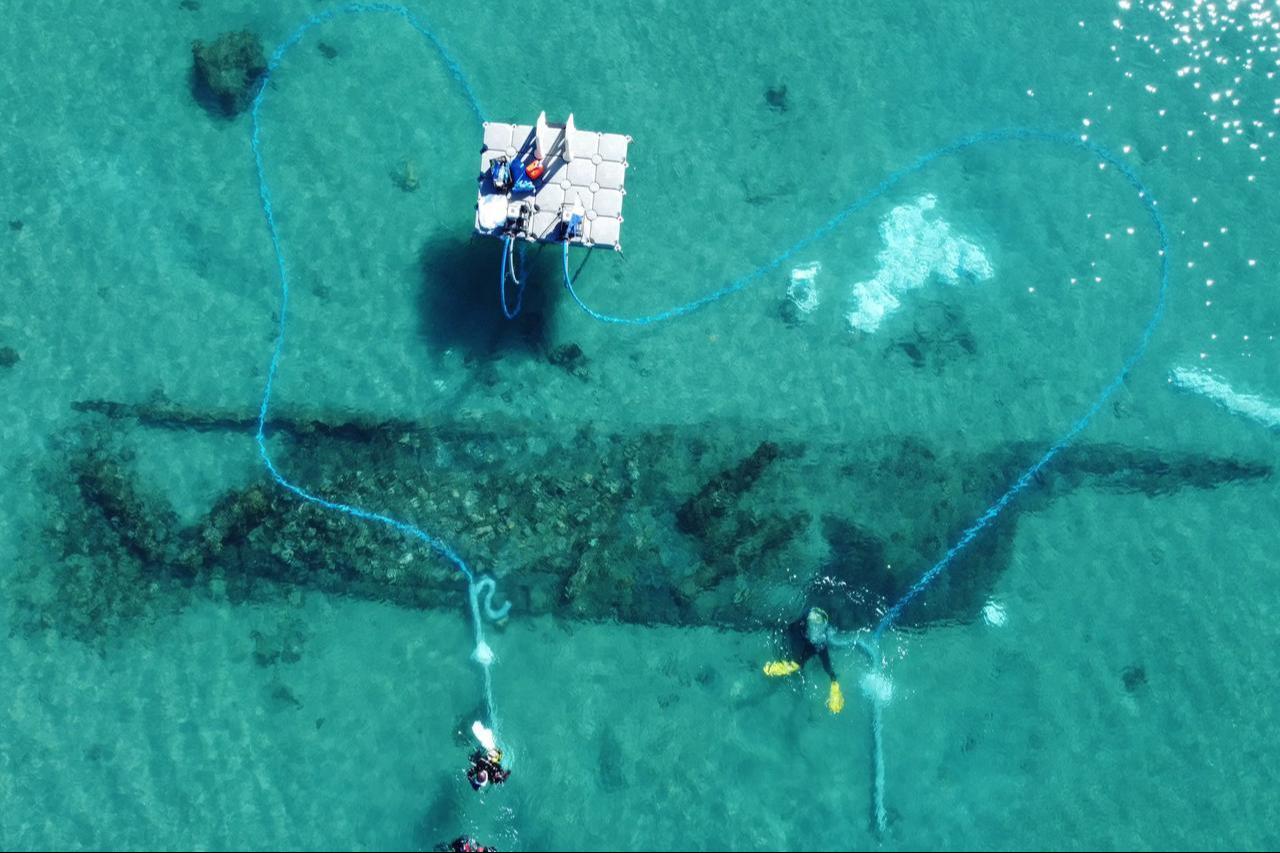

The survey mapped 151 archaeological sites, including 134 shipwrecks, showing a seabed shaped by 2,500 years of maritime activity.
In a small area at the northern mouth of the Strait of Gibraltar, you can find remains from Phoenician and Roman traders, medieval ships from the late Islamic era, early modern British, Venetian, Dutch, and Spanish vessels, and even 20th-century aircraft wreckage.
Researchers explain that this concentration is what makes the sites so vulnerable. The shallow, busy bay that protected them for centuries now puts them at risk from industrial activity.
Felipe Cerezo Andreo, an archaeologist from the University of Cadiz who led the project, said that local authorities and Spain's Culture Ministry should act quickly to protect the bay.
He explained that port expansion and ongoing dredging are the biggest threats, as they disturb layers of the seabed that have protected fragile timbers and artefacts for centuries.
Climate change is worsening the damage. Rising sea levels are shifting the sediment that once covered many of the wrecks, so structures that were once buried are now exposed to currents and decay.
Warmer water has also helped invasive algae spread, which are growing on hull fragments and rocks, making the remains even weaker.
These threats are real. Out of the 134 wrecks found, only 34 have been studied in detail so far. This means many sites could be lost before archaeologists have a chance to document them.
Some sites that have not yet been documented may be impossible to replace. The oldest confirmed discovery is a Punic-era vessel from the fifth century B.C.
The list also includes 23 Roman ships, two Late Roman wrecks, four medieval ships that give rare evidence about seafaring during late Islamic rule in southern Spain, 24 early modern boats, an 18th-century Spanish gunboat, and an aircraft engine from the 1930s.
"There are few underwater sites in the Mediterranean where so many different cultures and nations are represented in such concentration," Cerezo said.
To encourage public support for protection, the research team has created virtual reconstructions and 360-degree videos of the main sites.
These materials are available online and at local museums and municipal buildings, so residents and visitors can explore wrecks that most people will never see in person.
Cerezo said that public outreach is part of their plan to preserve these sites. He explained that underwater archaeology is not about finding treasure, but about studying the sites themselves.
He added that public awareness often decides whether these sites survive.
He also said that the bay offers a rare chance to study centuries of contact between the Iberian Peninsula, North Africa, and the wider Mediterranean in one place.
He warned that losing it would mean losing an archaeological record that cannot be found anywhere else in the sea.


 Set as preferred source
 Set as preferred source



 3 min read