Newsletters




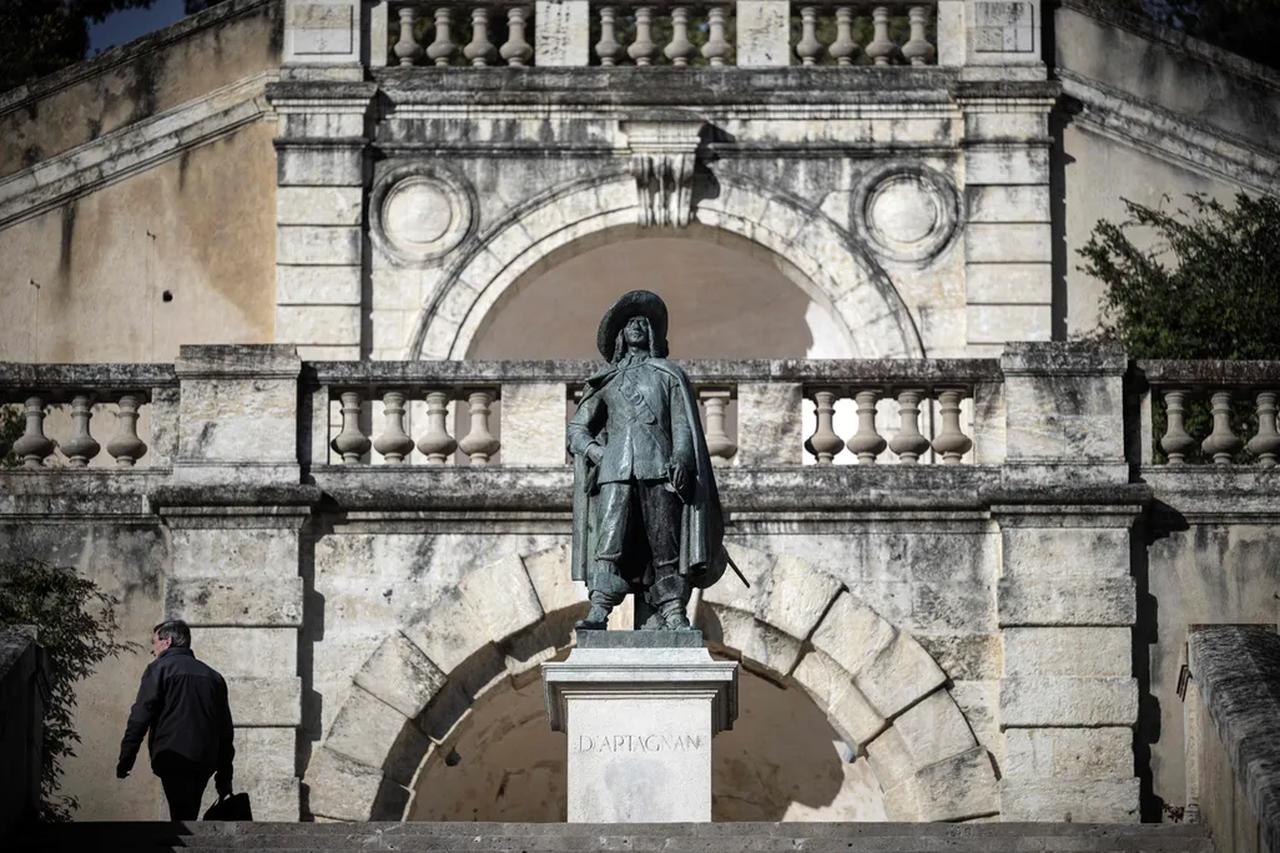
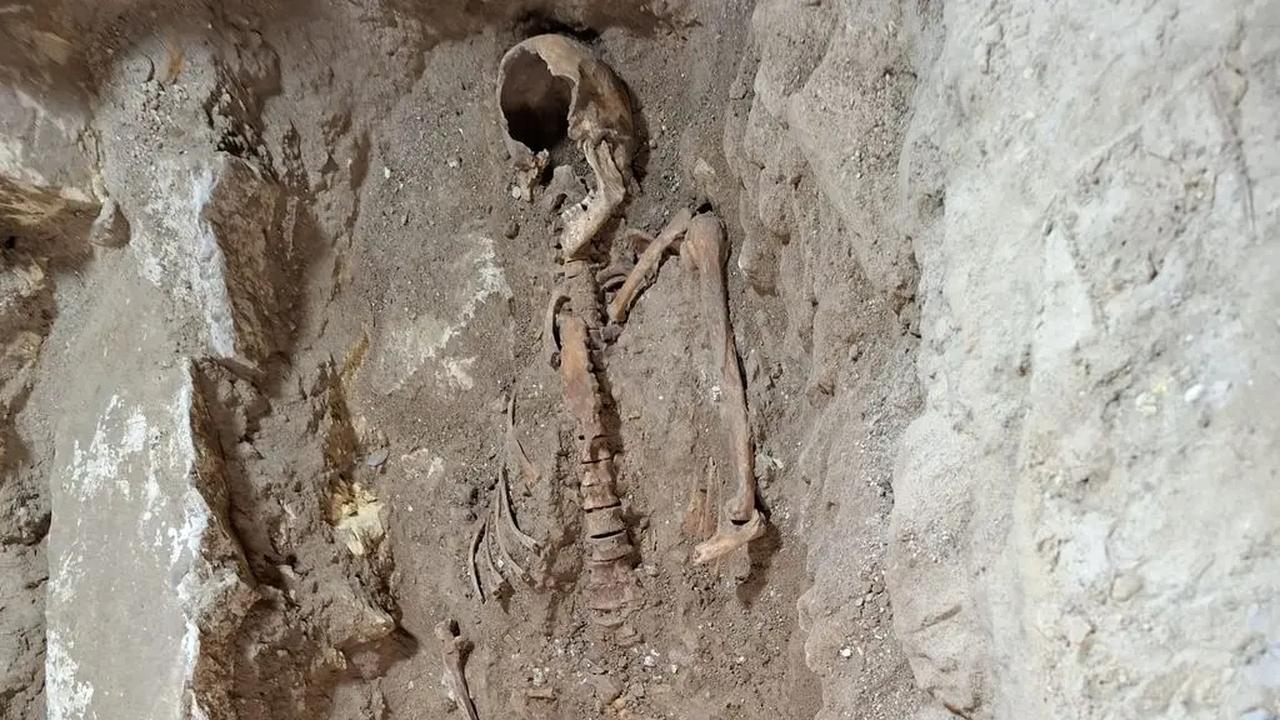
An archaeologist in the Netherlands may have uncovered the long-lost remains of D’Artagnan, the legendary French musketeer, potentially bringing an end to a mystery that has remained unsolved for more than three centuries.
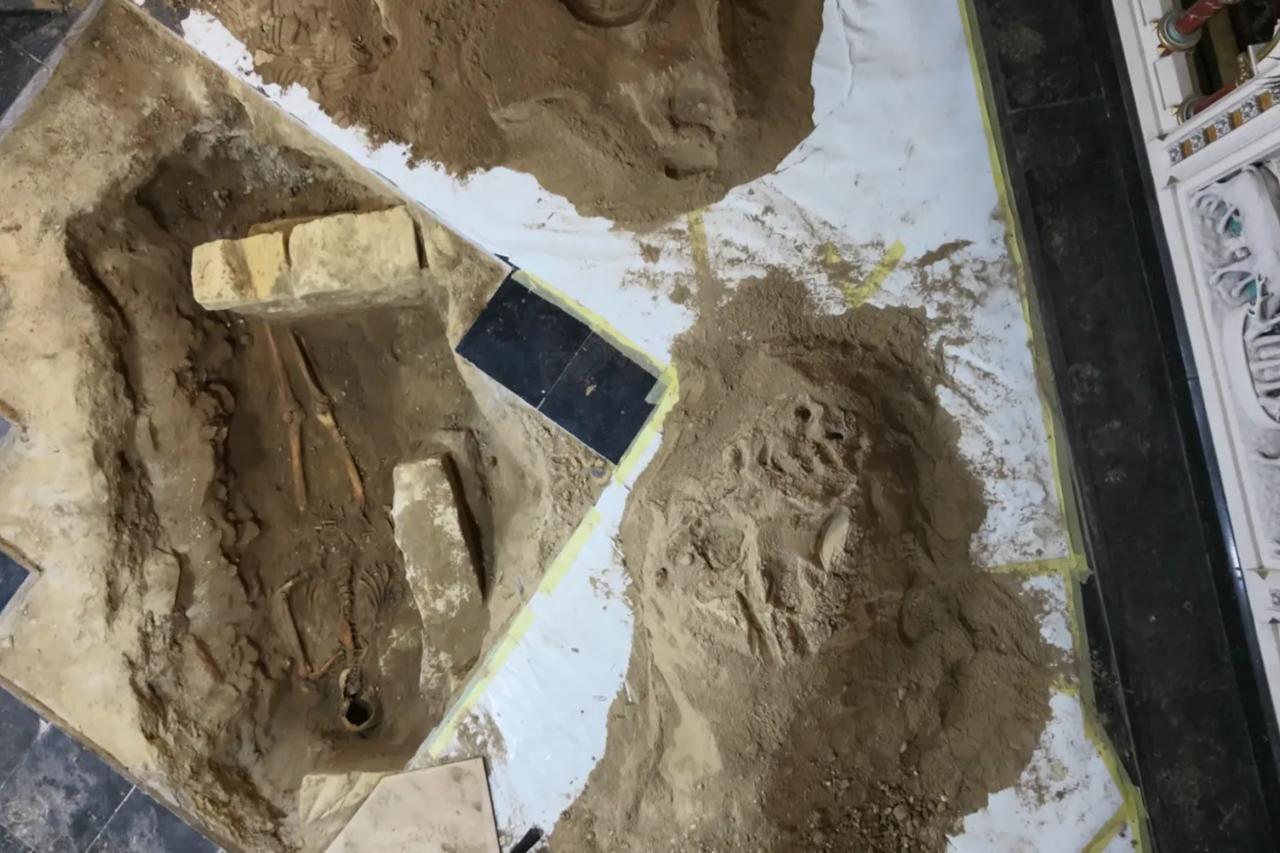
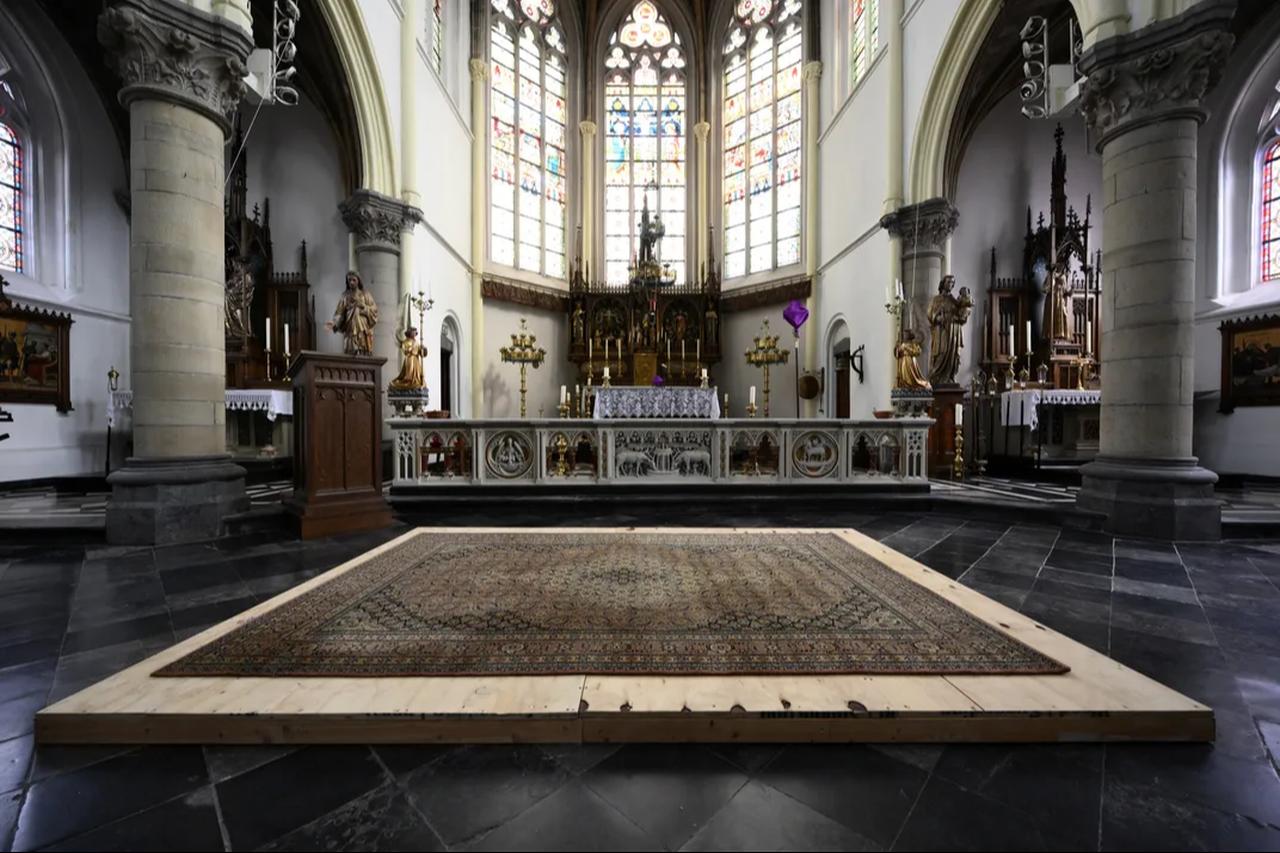
The skeleton, discovered in a tomb positioned directly in front of the altar of a church in Maastricht, is believed to match historical accounts of D’Artagnan’s death during a 17th-century military campaign, although scientific tests are still ongoing to confirm the identification.
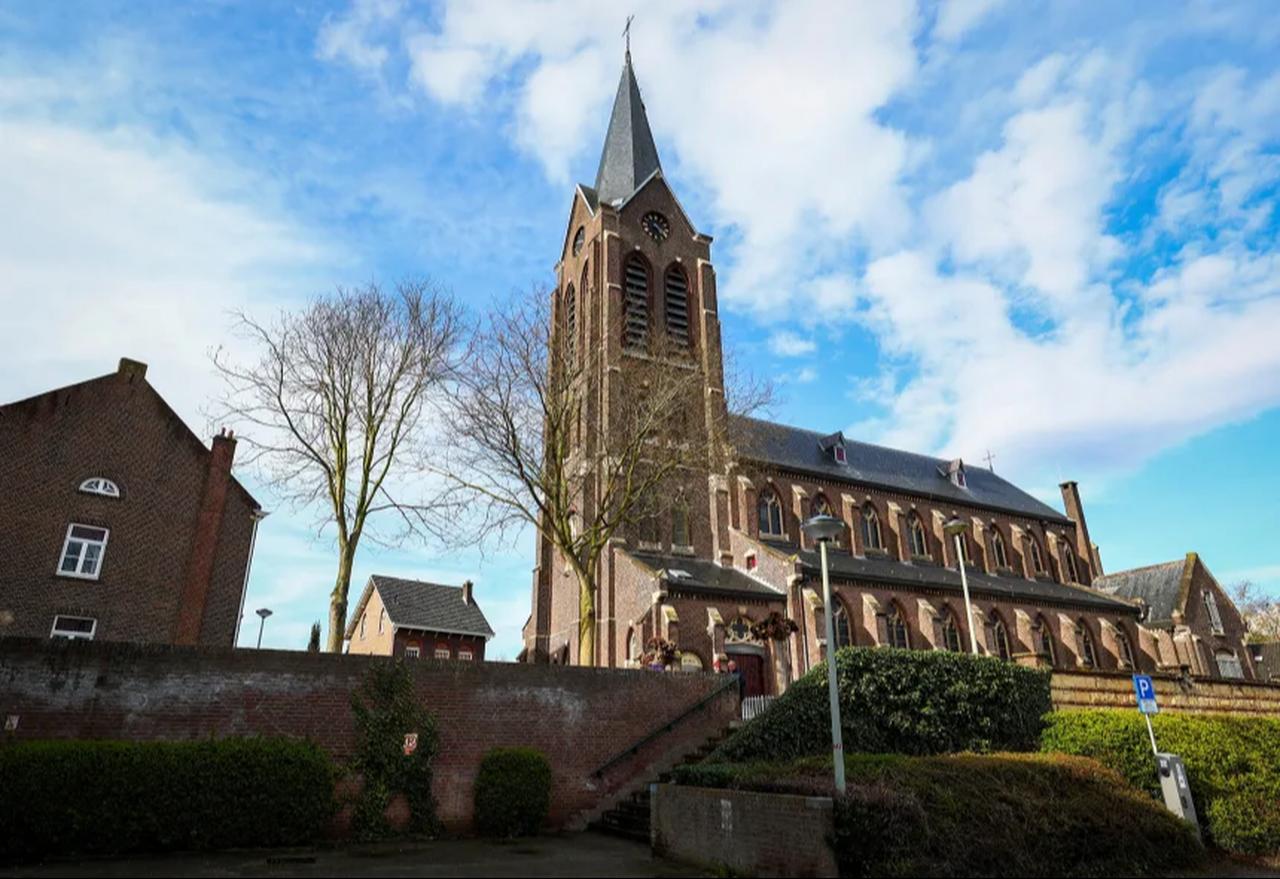

The remains were found at the St. Peter and Paul Church in the southern Dutch city of Maastricht, where local independent archaeologist Wim Dijkman has been leading efforts to investigate the site.
Alongside the skeleton, researchers uncovered a musket bullet and a small bronze coin dated to 1660.
These findings appear to align with historical records stating that D’Artagnan, whose full name was Charles de Batz de Castelmore, was killed by a musket shot to the throat during the French siege of Maastricht in 1673.
That siege formed part of the Franco-Dutch War, a broader conflict in which France attempted to expand its control over territories in the Low Countries, a historical term referring to the region that includes modern-day Netherlands and Belgium.
Dijkman’s search traces back roughly 25 years, when he first met French historian Odile Bordaz, a specialist on D’Artagnan.
She had long argued that the musketeer’s body was likely buried near the French military camp rather than transported back to France.
Her reasoning was based on the idea that French King Louis XIV would have wanted to attend the burial of his loyal officer, making a nearby burial more plausible.
After learning that Dijkman lived in Maastricht, Bordaz encouraged him to search for the remains, a task he now believes may have been successful.
Despite the strong circumstantial evidence, Dijkman has emphasized that final confirmation depends on scientific analysis. He is currently awaiting DNA test results that will compare the remains with two individuals claiming to be descendants of D’Artagnan.
In addition, researchers are conducting a strontium isotope analysis, a scientific method used to determine the geographic origin of a person based on chemical signatures in their bones.
“I am a scientist. I’m an archaeologist. I want to be as sure as possible about this,” Dijkman said, stressing the need for caution before drawing firm conclusions.
Further supporting the theory, church officials noted that historical records indicated D’Artagnan was buried in consecrated ground, meaning land that has been formally blessed for religious purposes.
A church deacon pointed out that burial beneath an altar would represent one of the most sacred locations possible, reinforcing the plausibility of the discovery.
At the same time, he acknowledged that while the evidence appears to fit together, definitive proof has yet to be established.
D’Artagnan later became widely known through the 1844 novel The Three Musketeers by Alexandre Dumas, which helped turn the historical figure into a lasting cultural icon across Europe and beyond.


 Set as preferred source
 Set as preferred source


 2 min read