Newsletters


A new exhibition by Turkish painter and academic Prof. Dr. Husamettin Kocan has opened at CerModern in Ankara, bringing together works that explore identity, memory, and cultural continuity.
Titled “BENBU” (“This Is Me”), the exhibition invites visitors into what the artist describes as an internal dialogue. It reflects both personal inquiry and broader cultural layers, drawing attention to how individual and collective histories intersect.
The exhibition will remain open to visitors until April 29.
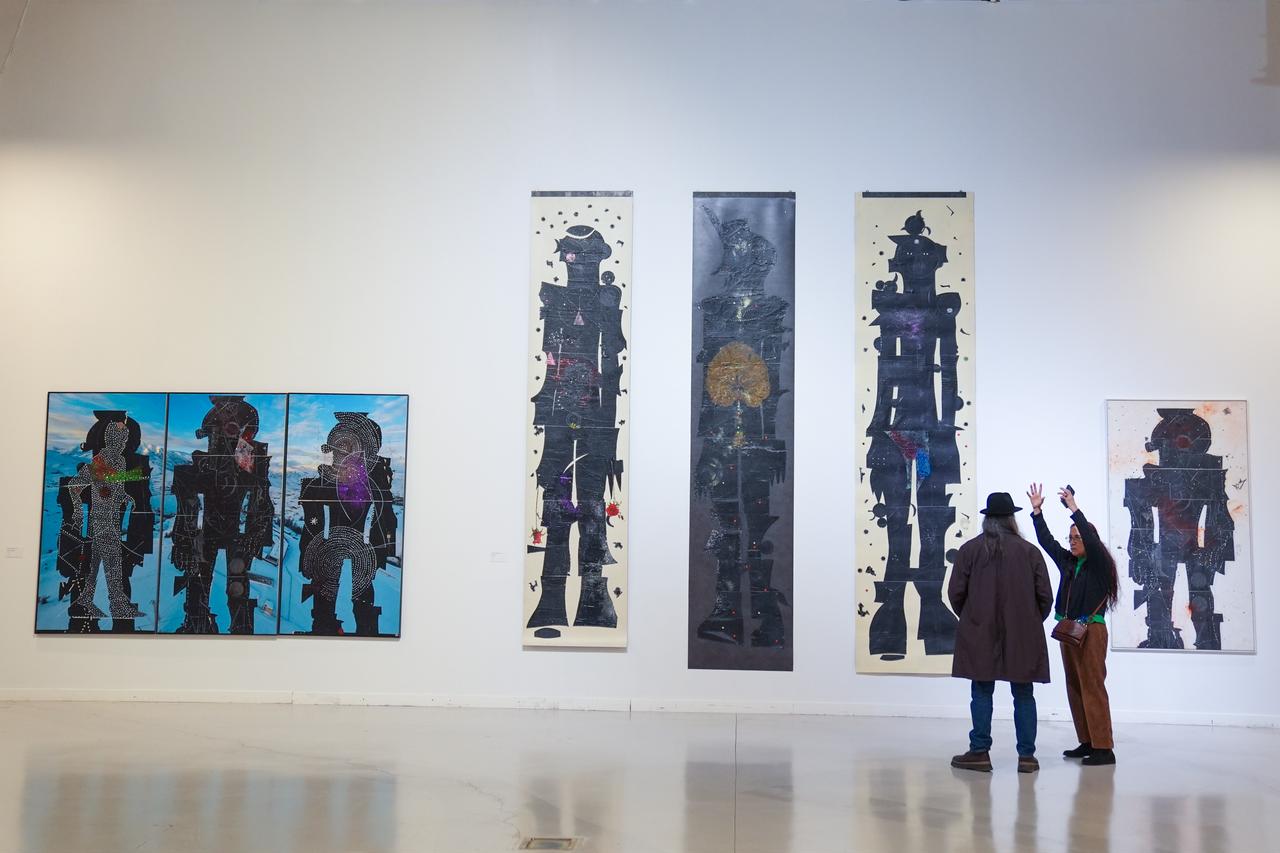

Husamettin Kocan’s works engage with a wide range of historical and cultural influences, from Shamanism to the Seljuk and Ottoman periods.
These references appear through a combination of techniques and materials that create a multi-layered visual language connecting past and present.
Digital prints, kitsch elements, and flat paper surfaces reinterpret the colors of the Anatolian steppe. Sculptural works feature ceramic and metal figures, including “demon” and “shahmaran” motifs, which carry symbolic meanings rooted in regional mythology and folklore.
Together, these elements form a body of work that moves across time while remaining grounded in Anatolian cultural memory.
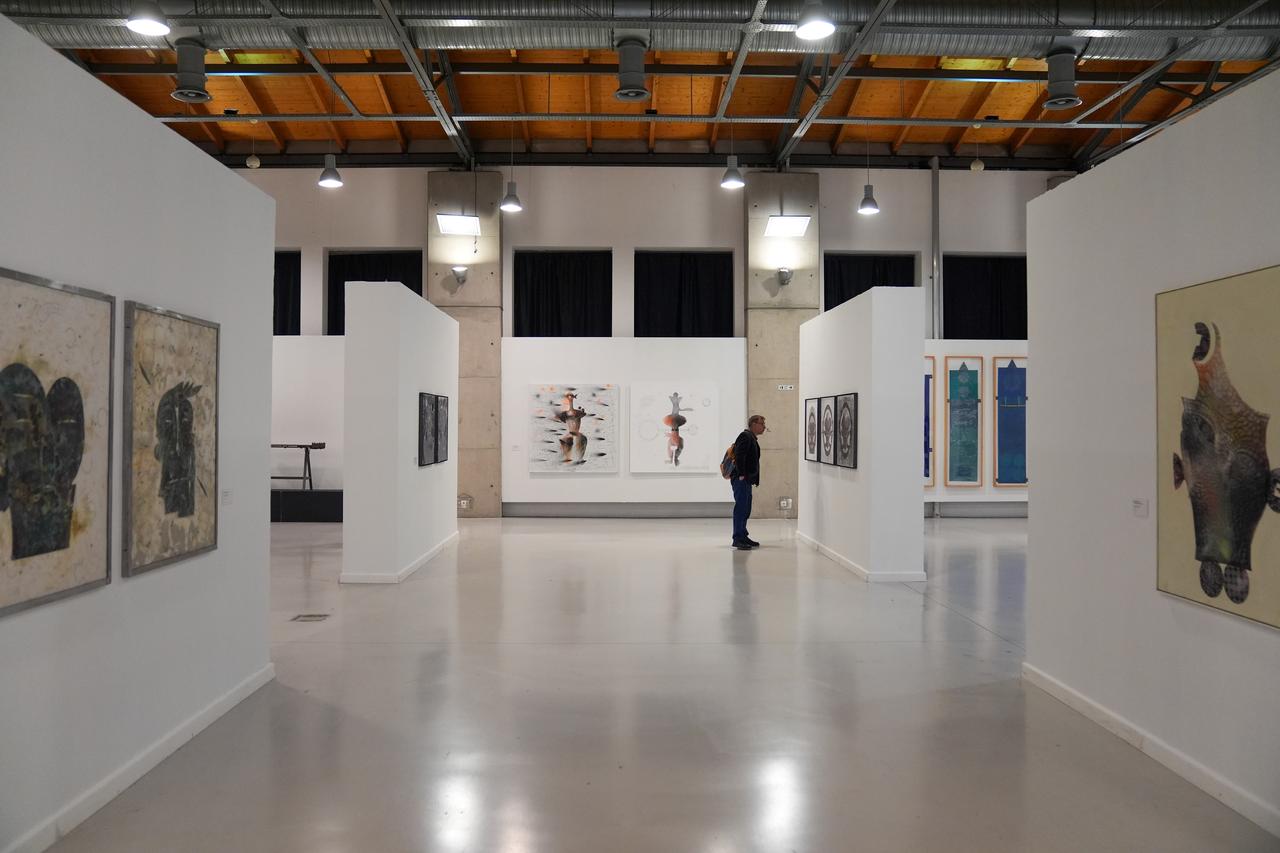
Speaking at the exhibition’s opening reception, Kocan emphasized the relationship between space and meaning, stating that “people gain meaning through the places they live, or the place gains meaning accordingly.”
He also underlined the importance of personal responsibility in shaping one’s story, adding that “great people are those who draw conclusions from their lives.”
Kocan described the exhibition as a process of assembling elements connected to his own experiences and beliefs.
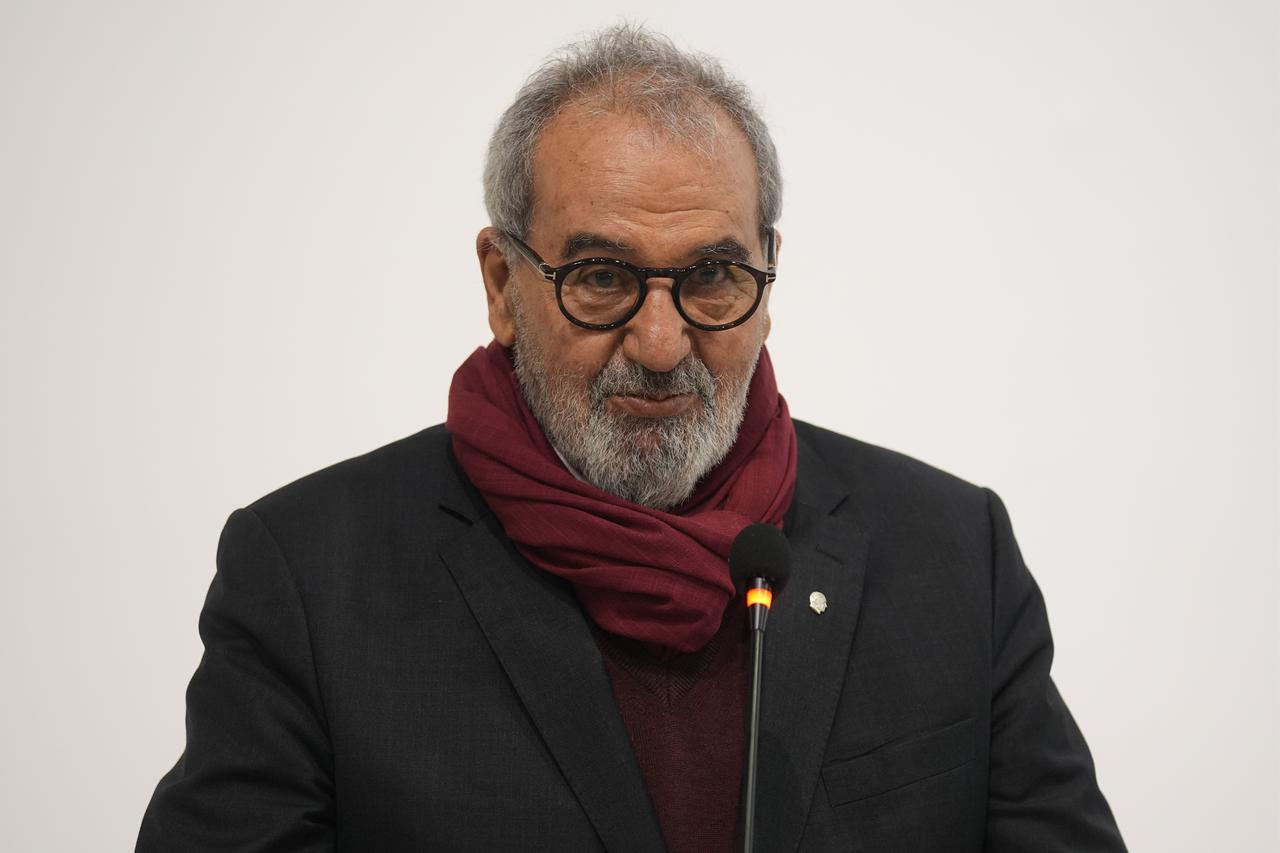
“In this exhibition, I brought together the threads I believe in and that are connected to my own story,” he said. “I care deeply about understanding. The process of creation is also a process of understanding. That is how this exhibition reached today.”
By framing artistic production as both creation and interpretation, Kocan positions “BENBU” not only as a display of works but as an ongoing exploration of meaning shaped by memory, place, and lived experience.


 Set as preferred source
 Set as preferred source


 3 min read