

 Newsletters




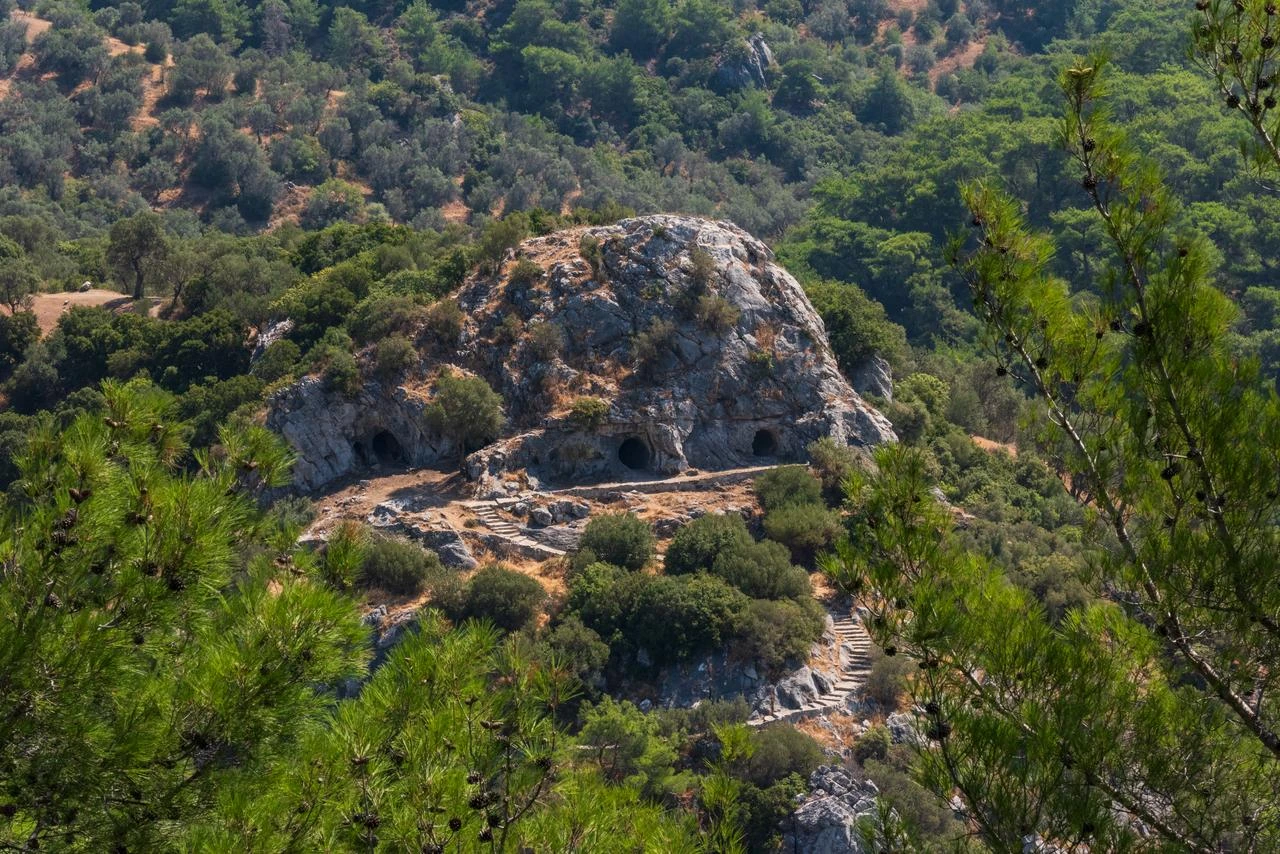
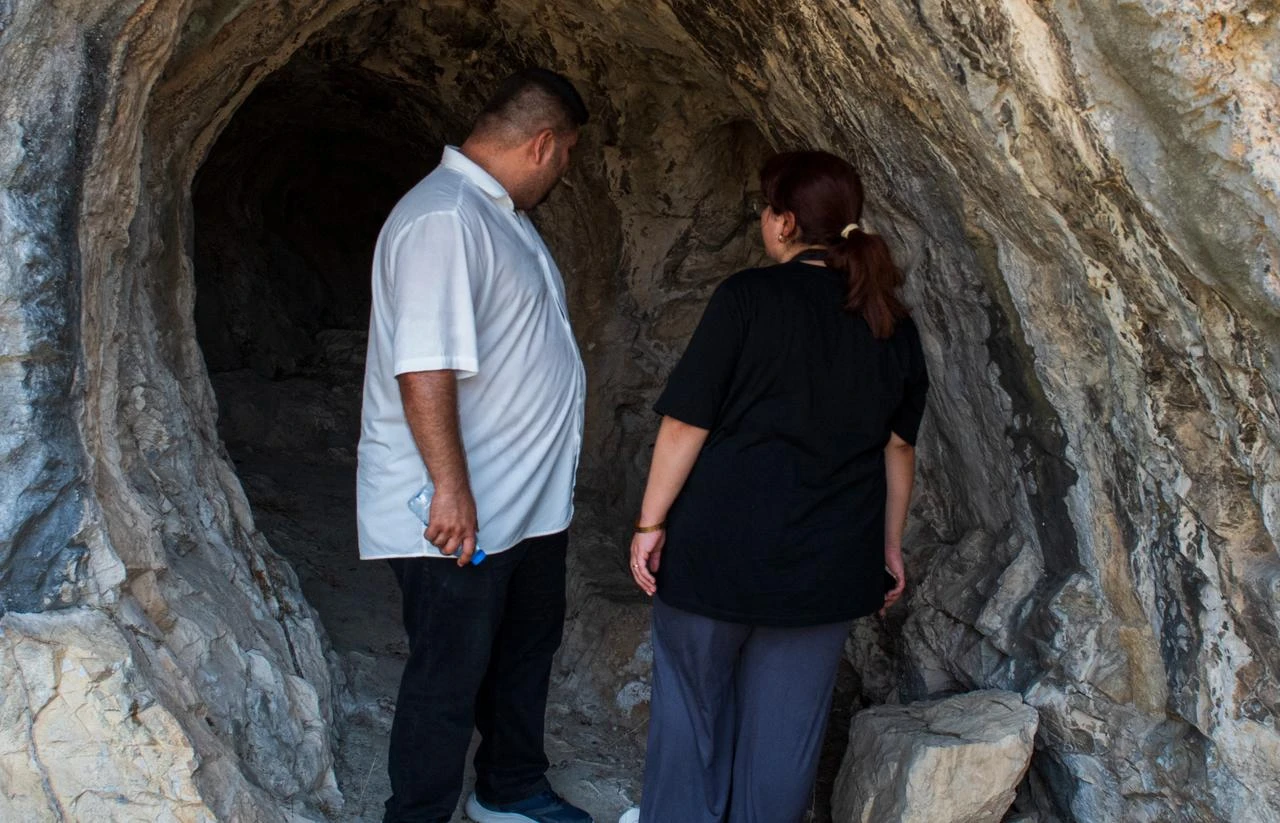
A rocky cave tucked into the hills of Bornova outside Izmir has been tied to Homer for generations, with local tradition holding that the ancient poet composed "The Iliad" and "The Odyssey" there. The claim is drawing renewed attention as Christopher Nolan's "The Odyssey" brings the epic back into popular culture.
The exact circumstances of Homer's life remain uncertain, and there is no definitive evidence establishing where he composed his works. Still, ancient Smyrna, the historical city associated with present-day Izmir, and its surrounding area have long figured prominently in accounts of the poet's origins.
Turkish researcher Altan Altin, who has written a book on the subject, said locals had traditionally referred to the area as Homer's Valley and that travelers had long come to see the cave associated with the poet.
"This place was always called Homer's Valley by the locals. Travelers from all over the world would come and see the cave where Homer is said to have composed his poems," Altin said.
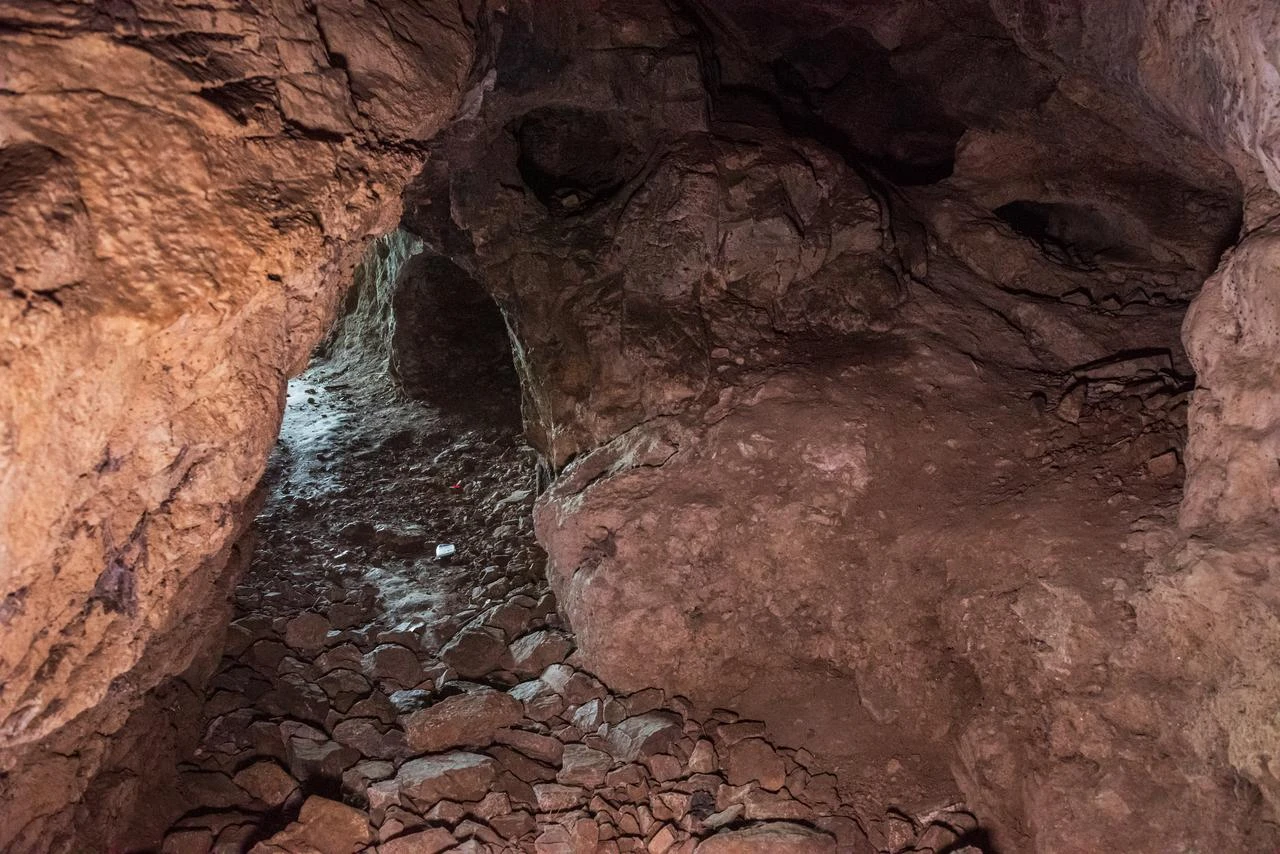

One of the most frequently cited historical references comes from the second-century Greek geographer and chronicler Pausanias, who described the river Meles and a grotto at its springs where Smyrnaeans believed Homer had composed his poems.
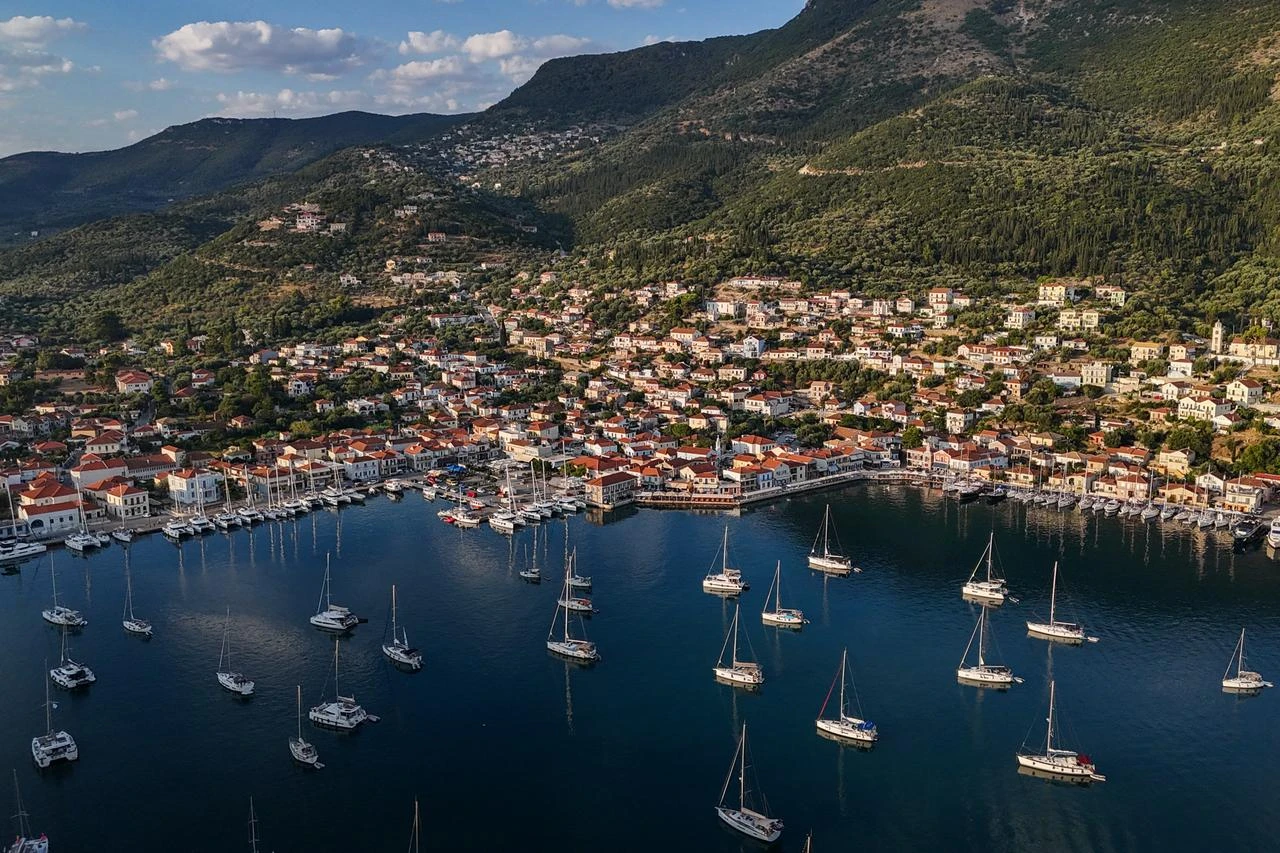
The account has helped keep alive a centuries-old debate over Homer's birthplace and the location of the Meles, while other places, particularly the Greek island of Chios, have also laid claim to connections with the poet.
Bornova falls within the historical landscape of Ionia, an ancient Greek region along the Aegean coast of what is now Türkiye, which included both Smyrna and Chios.
"For me, there's no doubt, Homer is from Bornova. In any case, he is from Ionia, which includes Smyrna and Chios. He's from these lands," Altin said.
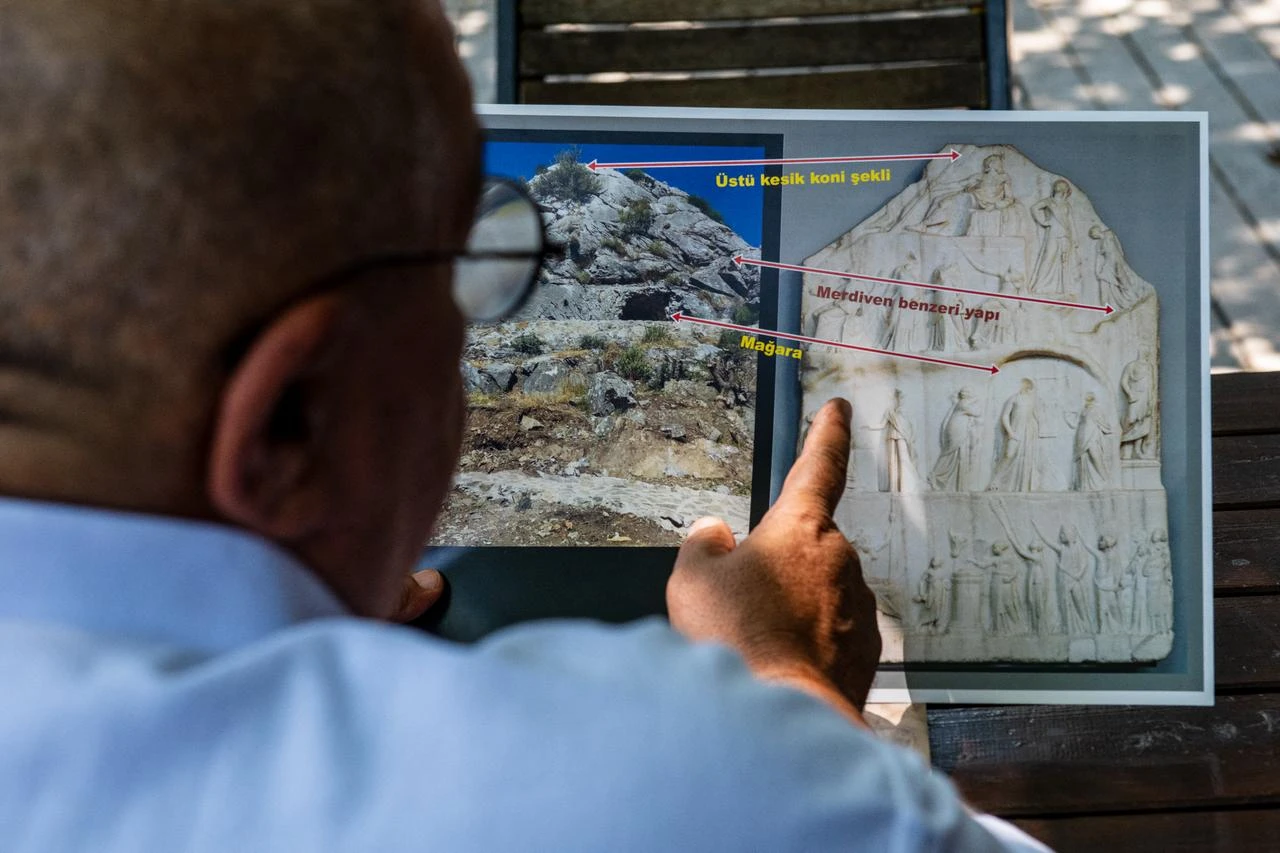
Altin also pointed to a third-century B.C. frieze depicting the deification of Homer, arguing that the relief contains geographical details closely resembling the Bornova cave.
"This bas-relief was already known, but no one had ever noticed the identical details to those found in Homer's cave. This is the first time such a detailed geographical description came to light," he said.
Archaeological evidence has also been used to support Smyrna's historical association with Homer.
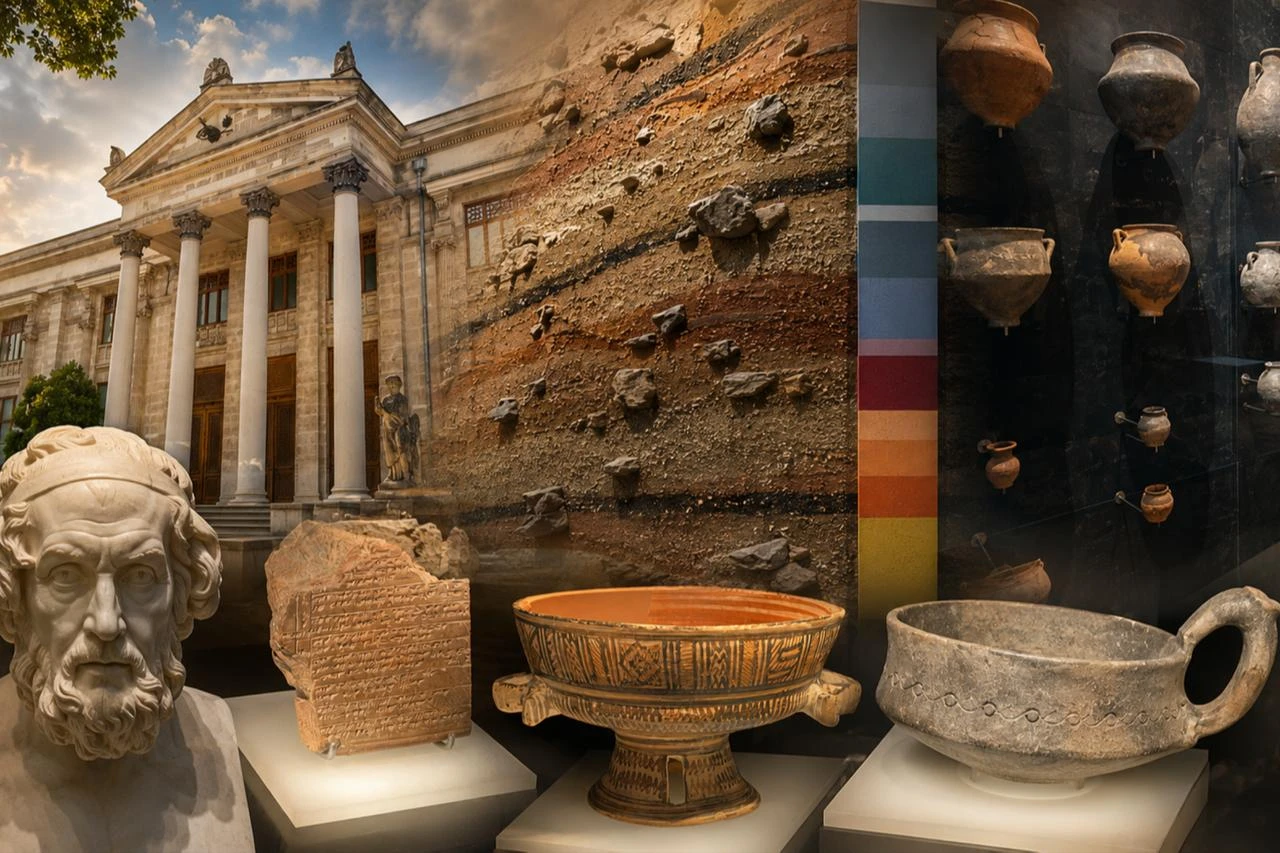
Archaeologist Mehmet Akif Erdem said coins carrying Homer's likeness discovered during excavations indicate that residents of ancient Smyrna regarded the poet as one of their own.
He also pointed out that "The Iliad" and "The Odyssey" were written in Ionic and Aeolic forms of ancient Greek, which he said leaves ancient Smyrna and Bornova among the places that could be connected to Homer's native environment.
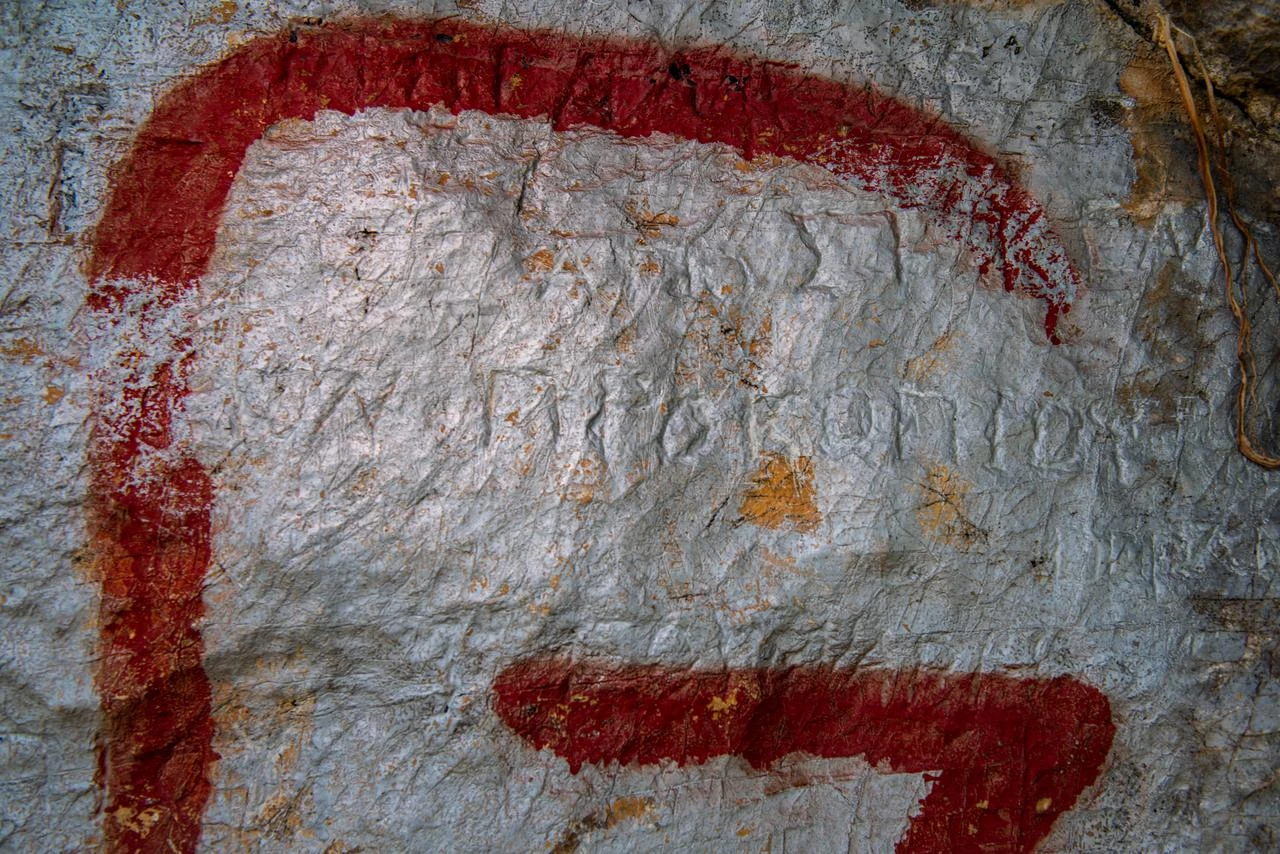
The cave itself remains difficult to reach and is filled with rocks. Greek writing can also be seen scratched into its walls, although the age of the inscriptions is unclear.
Homer's presence extends beyond the cave across Bornova.
At Yesilova Hoyuk, described as the oldest known prehistoric human settlement in Izmir, a bust of Homer carries an inscription stating that he compiled "The Iliad" and "The Odyssey" on the land and lived in Bornova.
The district already holds a book fair dedicated to Homer and has a statue of Trojan War hero Hector in a local park. Municipal authorities are now planning to restore the cave and open it to visitors as interest in Homer rises again.
Bornova Mayor Omer Eski said safeguarding the poet's legacy went beyond questions of ownership.
"Preserving Homer's legacy is a duty we owe to humanity. He is one of the founding fathers of literature," Eski said.
"The stories he tells are about this land. The question is not whether we should claim Homer or not. His story is also ours."
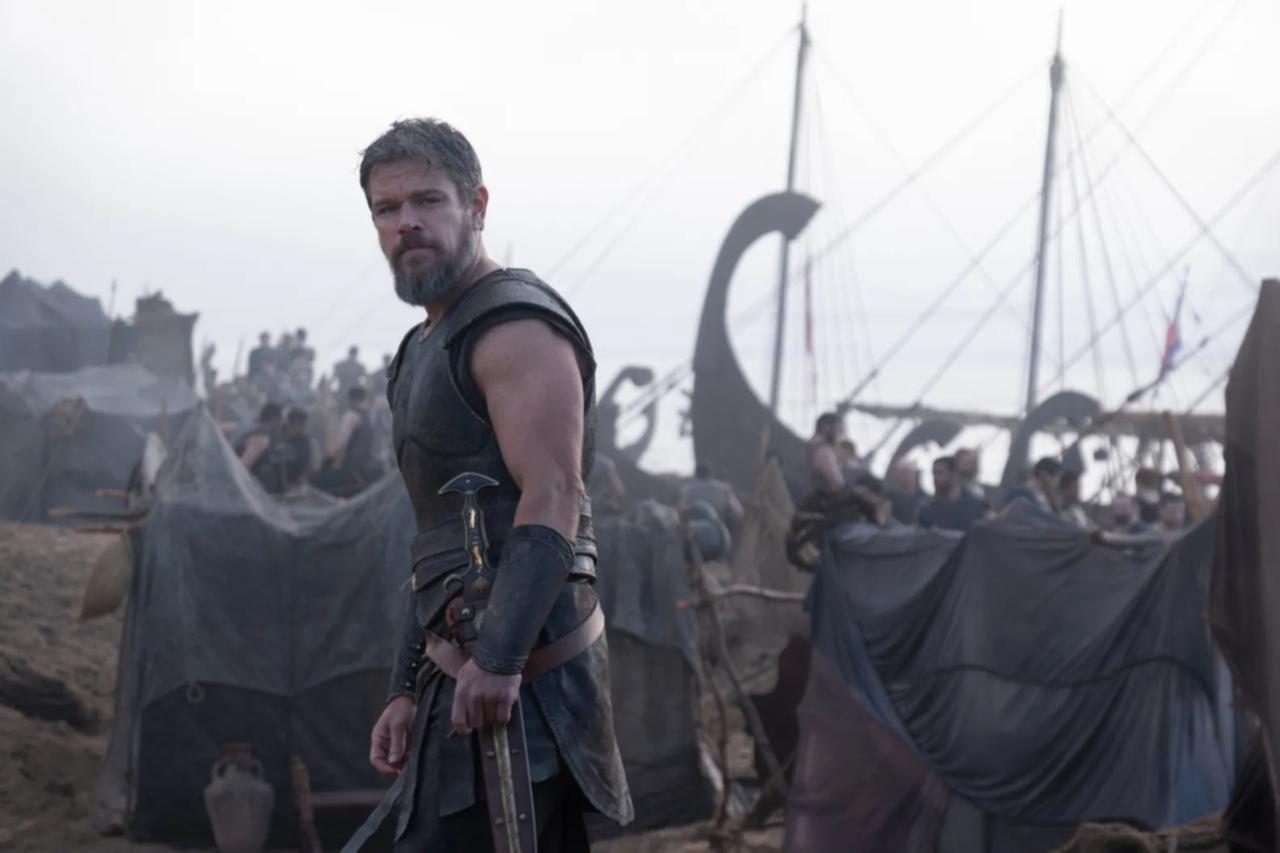
The release of Nolan's "The Odyssey" has also fed into renewed public interest.
Mustafa Kocyigit, who runs the Gargantua bookshop in Izmir, said the film had helped lift interest in Homer and increased sales of "The Odyssey."
Teacher Safak Tosun, speaking outside an Izmir cinema showing the film, said he had known Homer was associated with the wider region but had not realized the connection was specifically made with Izmir.
"I feel proud, honored and deeply privileged to be his fellow countryman," he said.
 1 min read
Altin, meanwhile, argued that cultural references within "The Iliad" strengthen his belief that Homer came from Anatolia, while rejecting the idea that the poet's origins should become another point of competition between Türkiye and Greece.
"Homer is 2,800 years old, while the Turkish-Greek border is only a century old," he said.


 Set as preferred source
 Set as preferred source



 1 min read


