Newsletters


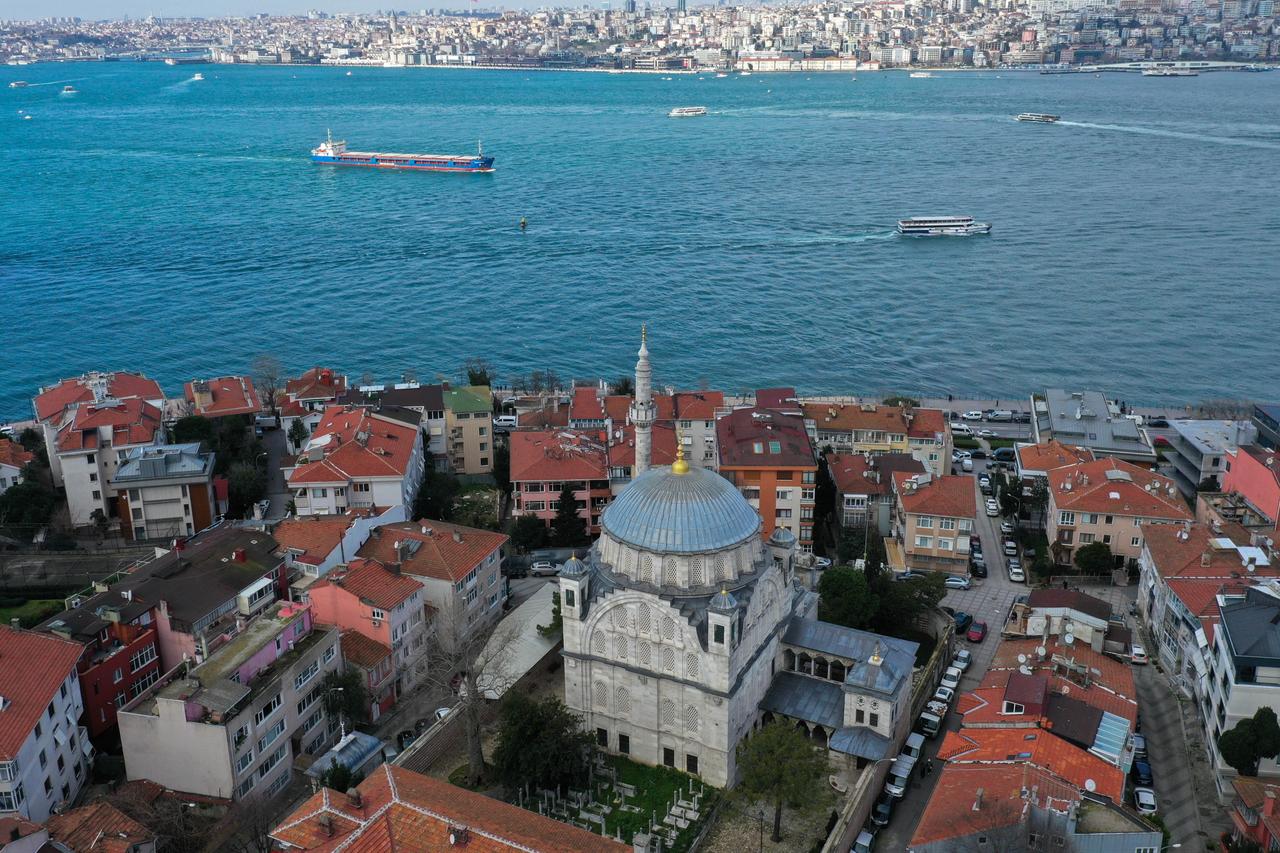


Perched on the slopes of Uskudar with panoramic views of the Marmara Sea and the Bosphorus, Ayazma Mosque stands as one of the 18th century’s most notable examples of Ottoman architecture influenced by European Baroque design. Its elevated position and striking silhouette continue to define the Uskudar skyline, drawing both worshippers and architecture enthusiasts.
Built in 1760–1761 by Sultan Mustafa III in honor of his mother, Mihrisah Emine Sultan, the mosque reflects the Ottoman Baroque style introduced during the period of the Nuruosmaniye Mosque. Scholars note that it exemplifies the fusion of European artistic motifs with traditional Ottoman architectural forms, a defining feature of the late imperial period.
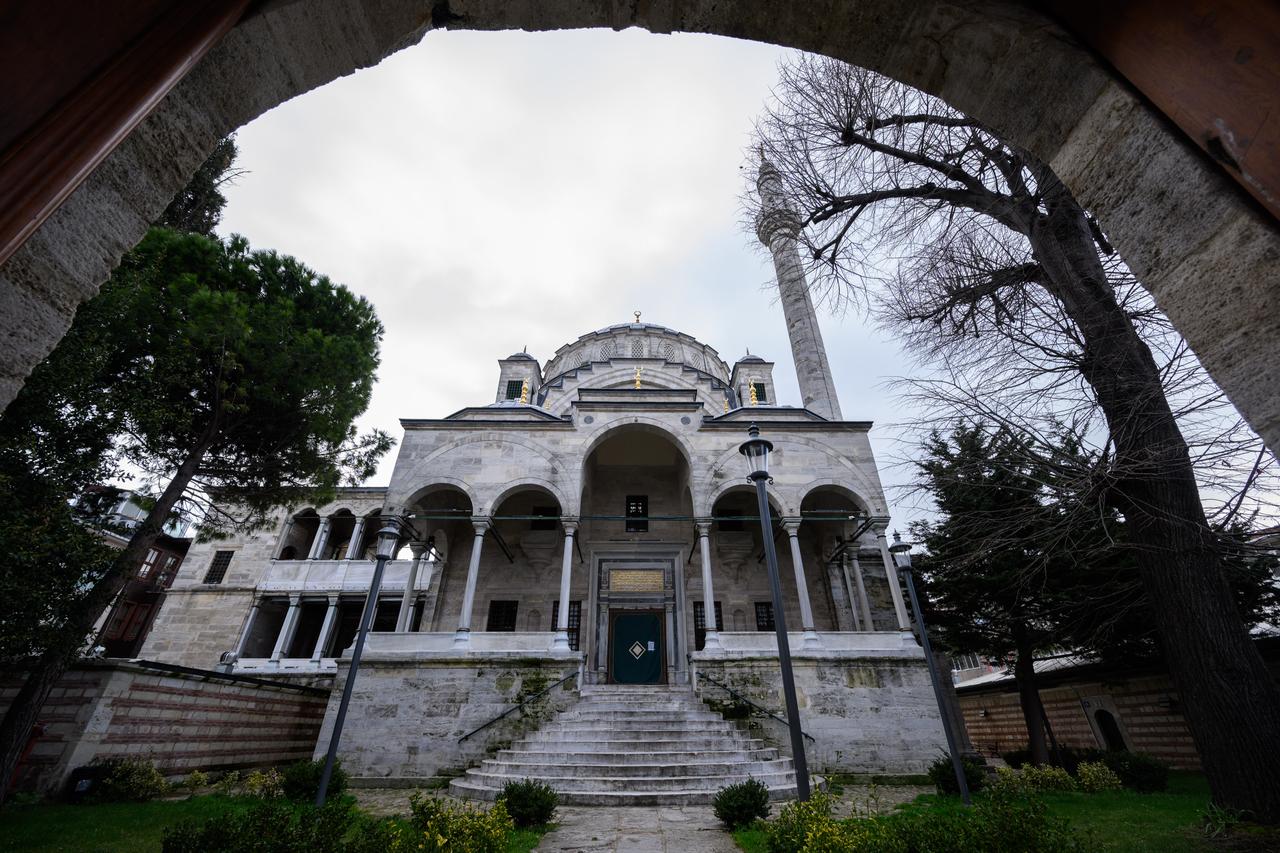

The mosque stands on the former Ayazma Palace grounds. When it was built, the complex also featured a bathhouse, shops, and inns. Although some auxiliary structures no longer exist, the mosque’s design reflects the social and spiritual role of kulliyes (a complex of buildings associated with Turkish architecture centered on a mosque) in community life.
Ayazma Mosque is accessed via a ten-step semicircular staircase leading into a walled courtyard. The rectangular prayer hall is covered by a single dome resting on four arches. A two-story hunkar kosku (imperial pavilion) extends along the street-facing side, connecting to the internal royal gallery (mahfil) adorned with gilded decorations.
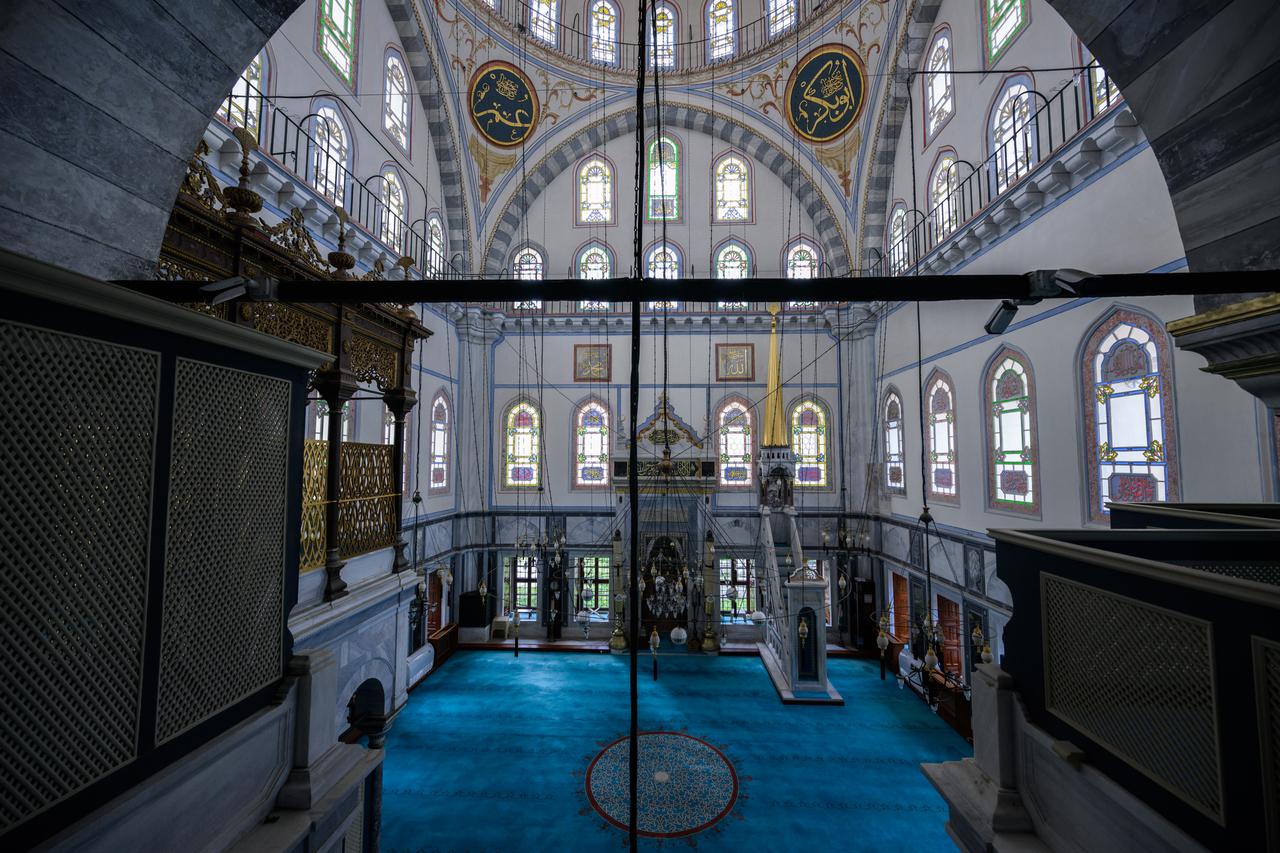
The interior displays European-inspired Baroque ornamentation while preserving traditional Turkish architectural features. The mihrab, minbar, and pulpit are crafted with multicolored marble and stone, creating a visually rich composition.
Small birdhouse-shaped niches on the walls add a charming Ottoman touch, and the cemetery (hazire) holds the tombs of palace officials, connecting the mosque to the imperial history of Istanbul.


 Set as preferred source
 Set as preferred source


 3 min read