Newsletters


A previously unknown historical cemetery believed to belong to the first Turkish raiders who crossed into Rumelia in the early 14th century has been uncovered on the Gallipoli Peninsula, Turkish authorities announced on Jan. 7.
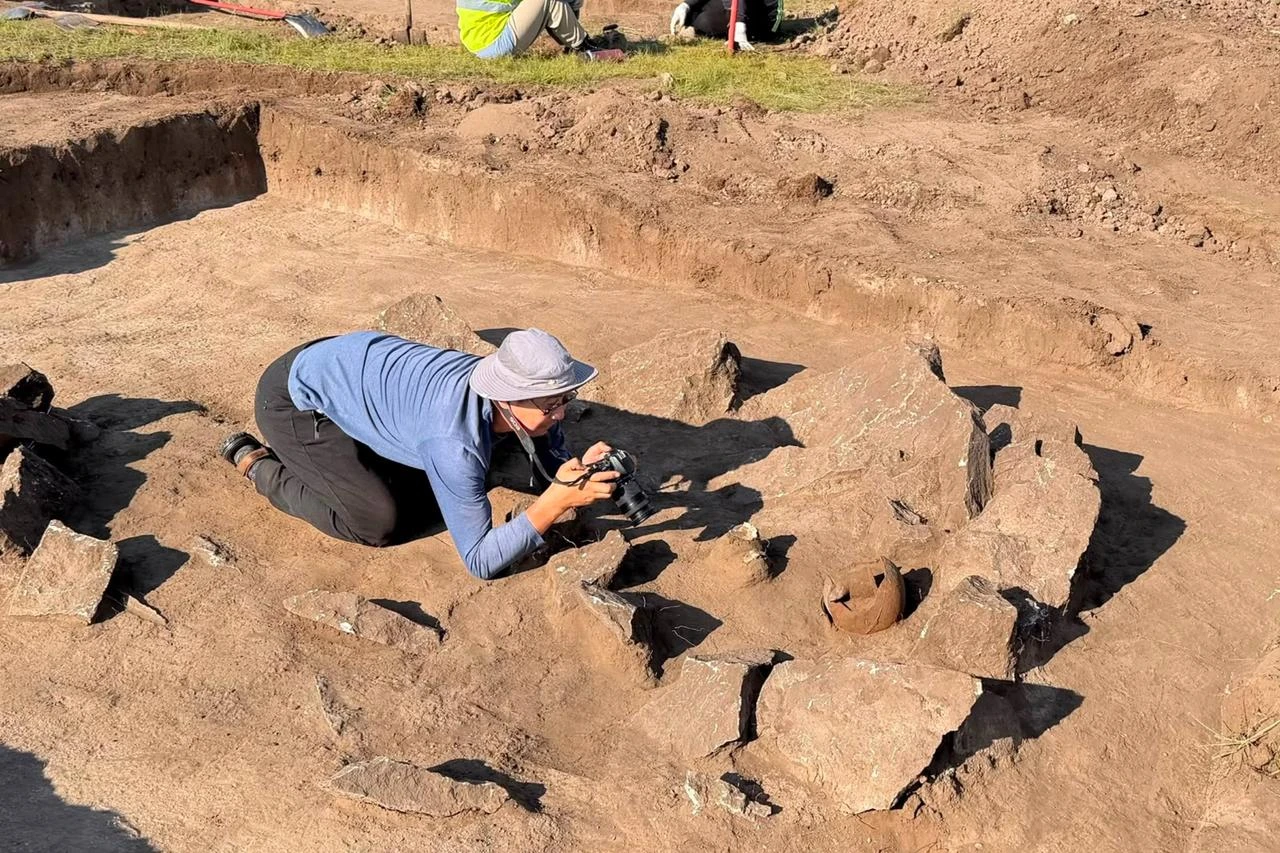
The discovery was made during fieldwork led by the Gallipoli Historical Area Directorate in Canakkale’s Eceabat district, within the borders of Kucukanafarta village. Officials say the findings shed new light on the earliest phase of Turkish presence in Thrace and the Balkans.
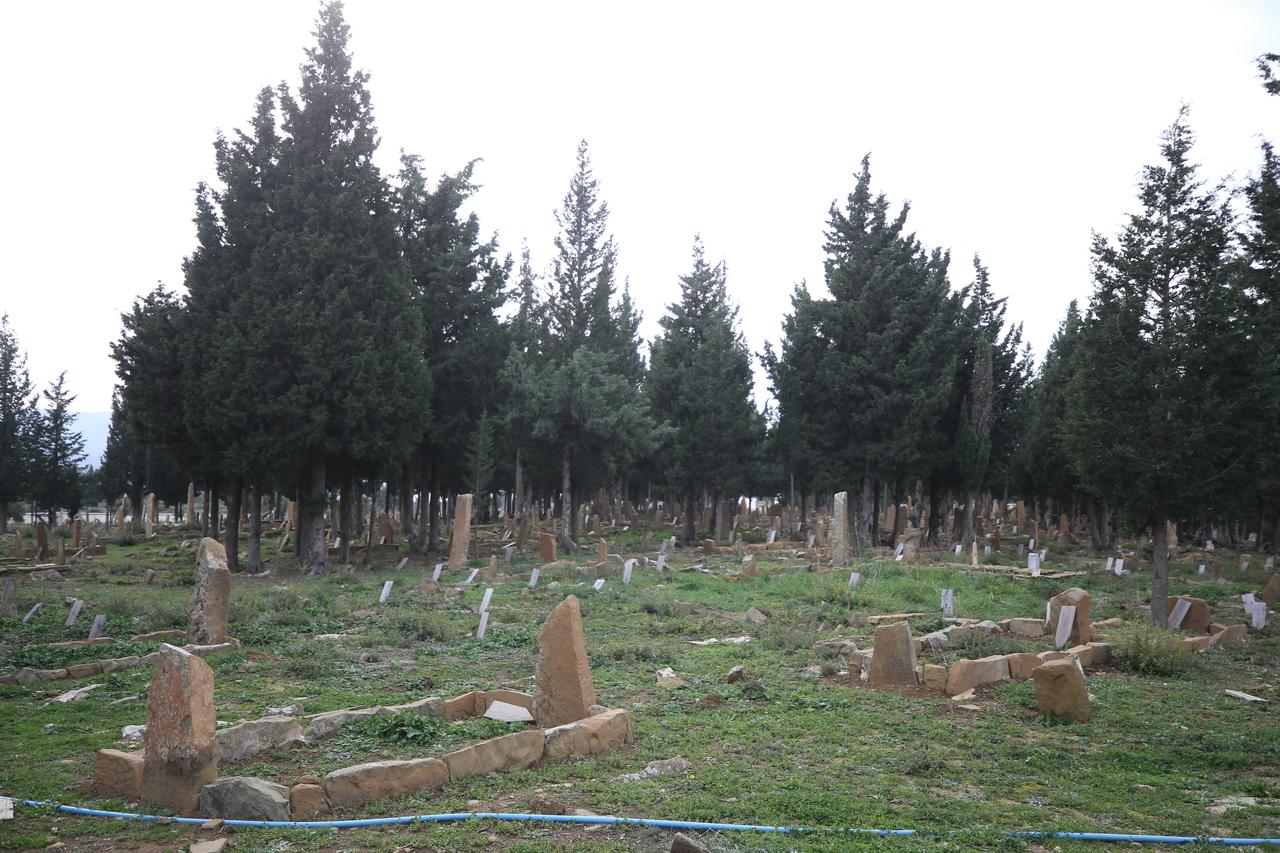

Archaeological and historical studies carried out across a 100-decare area (10 hectares) revealed 8,731 graves showing burial characteristics consistent with Central Asian Turkish funerary traditions.
Gelibolu Peninsula has long been associated with the First World War, but officials say the newly identified cemetery opens an entirely different chapter of history, dating back over six centuries earlier.
Speaking to journalists, Ismail Kasdemir said the cemetery belongs to the first Turkish akincis who crossed into Rumelia during the 1300s.
“We have identified that this cemetery belongs to the first Turks who crossed into Rumelia in the 1300s,” Kasdemir said. “These grave markers function as a seal of the Turkish nation. They are, in effect, historical title deeds.”
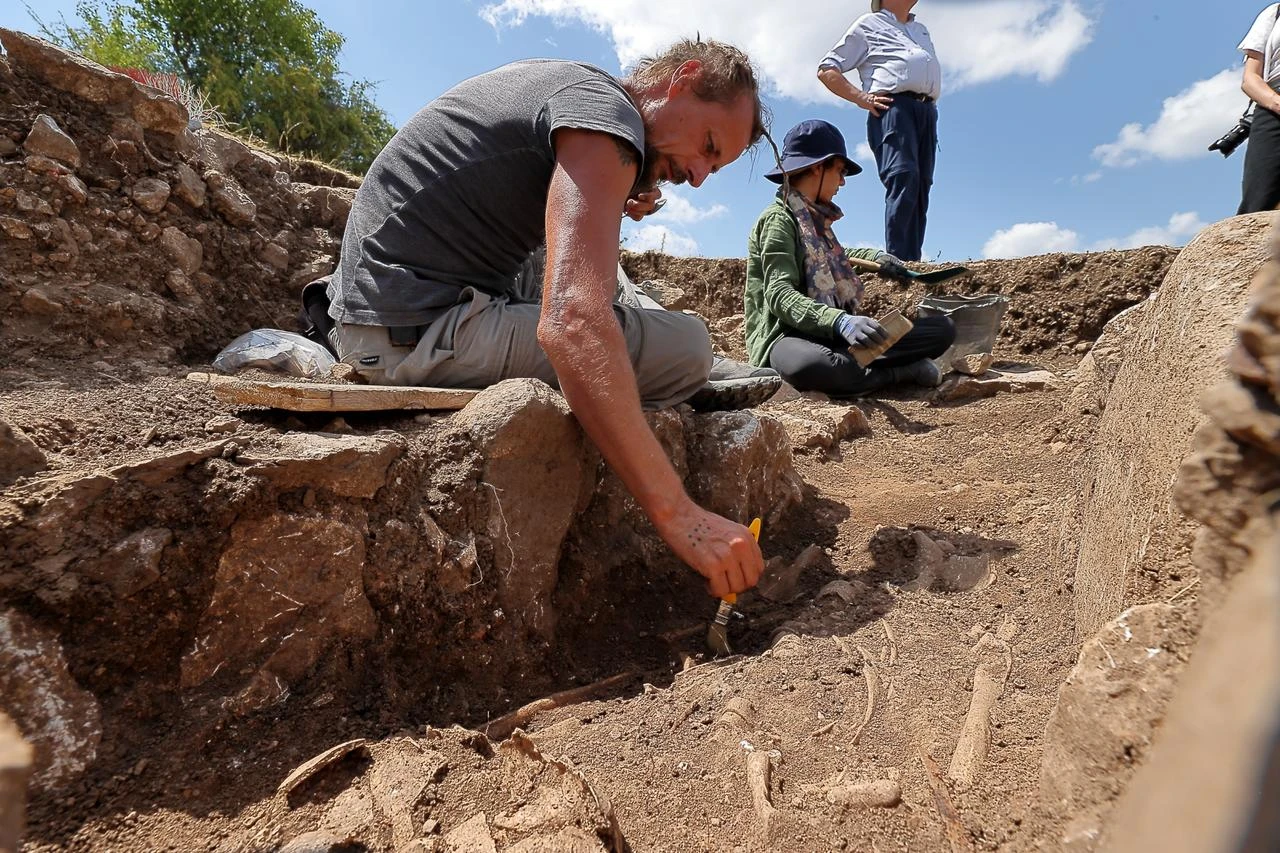
According to Kasdemir, researchers consulted historians, art historians, and universities, and conducted carbon dating and structural analyses on selected graves. The results supported the conclusion that the burial forms align with practices seen across the broader Turkish Islamic geography.
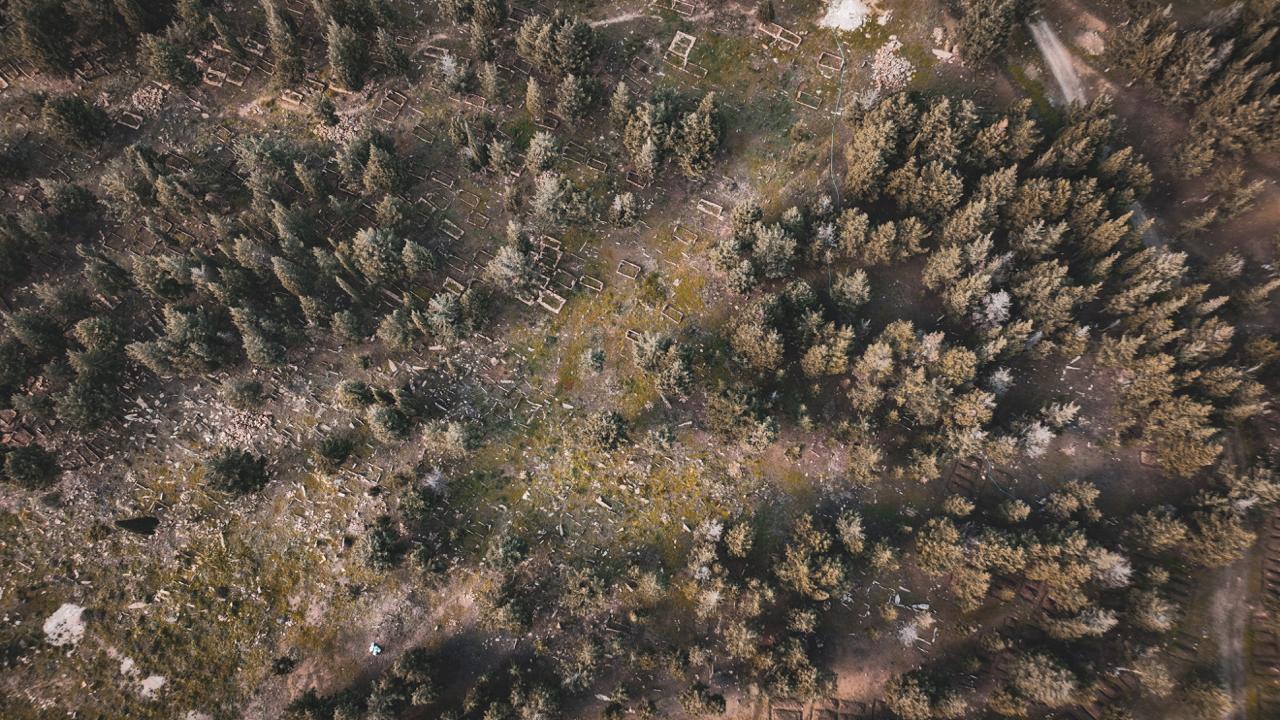
Officials repeatedly compared the importance of the site to the well-known medieval cemetery in eastern Anatolia.
Kasdemir said that just as the Ahlat cemetery represents the roots of Turkish presence in Anatolia, the Kucukanafarta Historical Turkish Cemetery carries similar significance for Thrace, the Balkans, and Europe.
“The grave forms here show strong similarities with Turkish Islamic burial traditions,” he said. “Some of the tall gravestones rise like balbal stones, which is extremely important from a cultural and historical perspective.”
One of the oldest graves examined at the site measures approximately three to four meters in height, with nearly two additional meters extending underground. Authorities said the grave underwent full scientific analysis before public confirmation of its age.
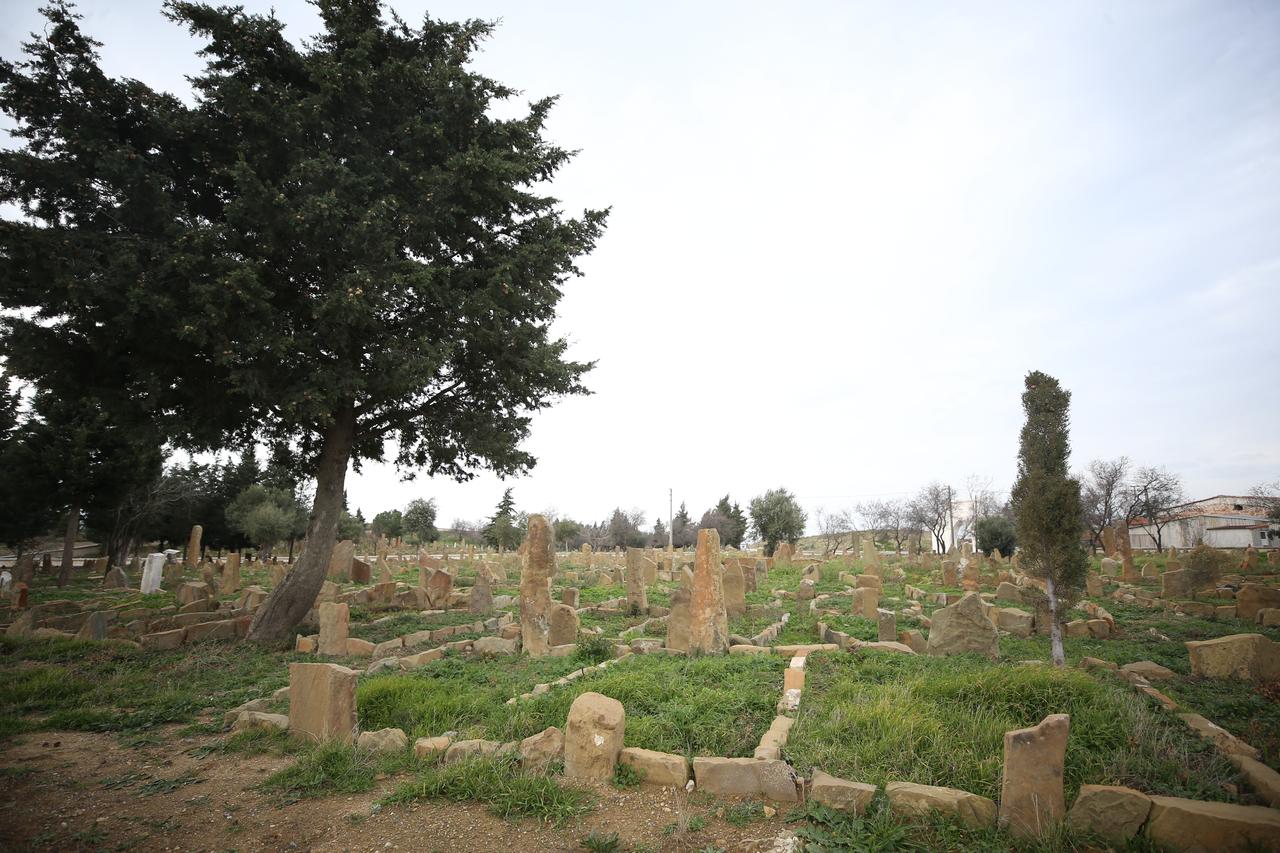
The Gallipoli Historical Area Directorate has completed roughly three-quarters of the work within the surveyed area and plans to finish restoration and conservation efforts in the near future.
Kasdemir said the site will become a significant destination once completed, adding historical depth to an area already known for its war memorials and martyrdom sites.
“The martyrdoms here are well known,” he said.
“Now, the emergence of Turkish presence from the 1300s will stand as a historical document. We treat every grave here with the utmost care.”
Once restoration is complete, officials say the cemetery will stand as a rare physical record of early Turkish settlement in Rumelia, reinforcing the Gallipoli Peninsula’s layered historical identity well beyond its modern-era associations.


 Set as preferred source
 Set as preferred source


 3 min read