Newsletters


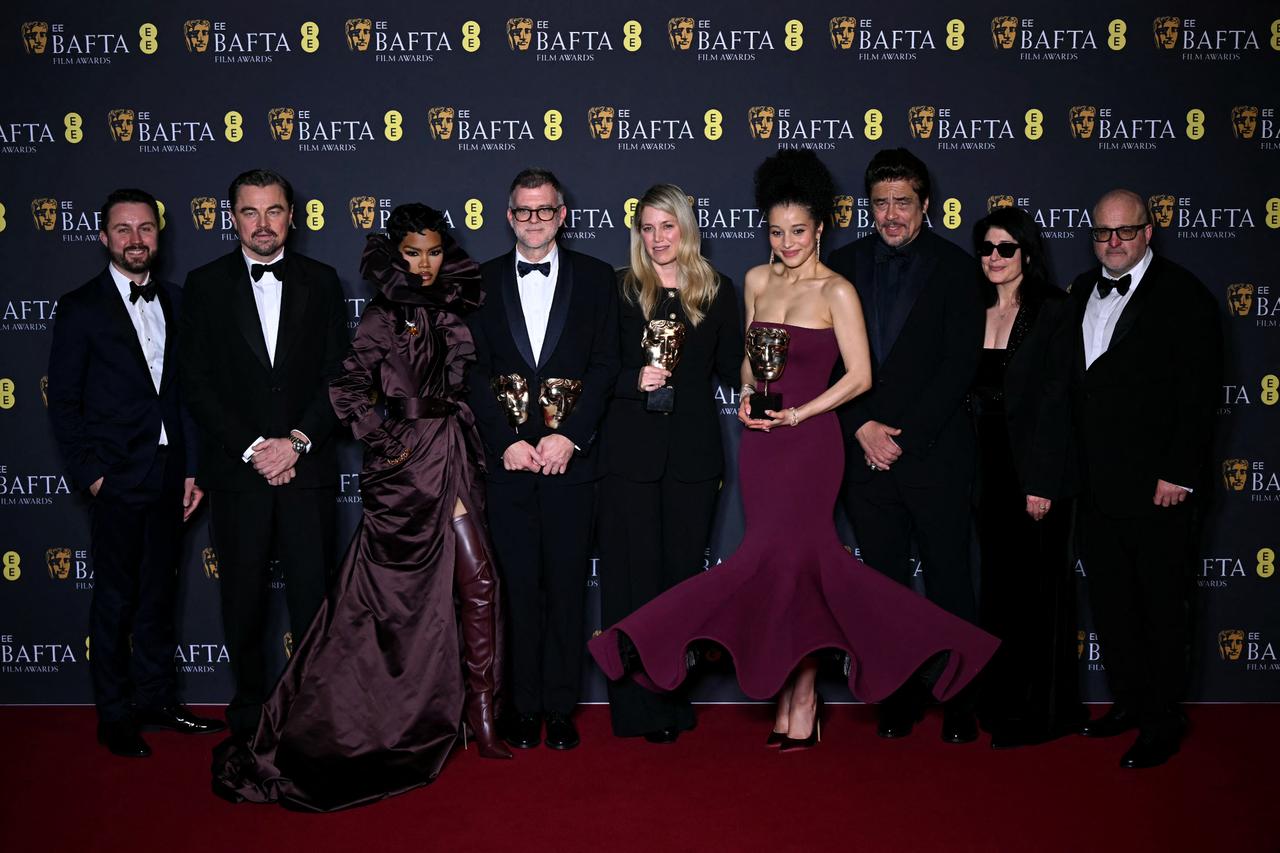


Paul Thomas Anderson’s political thriller “One Battle After Another” carried its awards-season momentum into the British Academy Film Awards (BAFTAs), securing the ceremony’s top honor for best film while helping shape a night that balanced international recognition with a renewed focus on British and Irish talent.
Held at London’s Southbank Centre, the annual awards, widely viewed as a key indicator ahead of the Academy Awards, celebrated both global cinema and homegrown performers, with Anderson’s film emerging as the evening’s biggest winner after picking up six awards overall, including best director.
Anderson described the film’s title as increasingly reflective of contemporary realities, telling reporters, “Unfortunately, the title makes sense. It has started to seem like one battle after another these days. But stay hopeful.”


Following earlier recognition during Hollywood’s awards circuit, “One Battle After Another” stood out for its portrayal of a deeply polarized United States, a theme that resonated strongly with voters. Its success reinforced the BAFTAs’ reputation as a ceremony that often aligns with broader awards-season trends while still highlighting artistic distinction.
Not every heavily nominated project managed to convert attention into wins. Timothee Chalamet’s ping-pong drama “Marty Supreme,” despite receiving 11 nominations, left without a prize. Meanwhile, Guillermo del Toro’s “Frankenstein” secured three technical awards, and the vampire period drama “Sinners” also claimed three trophies, including best original screenplay and best score.
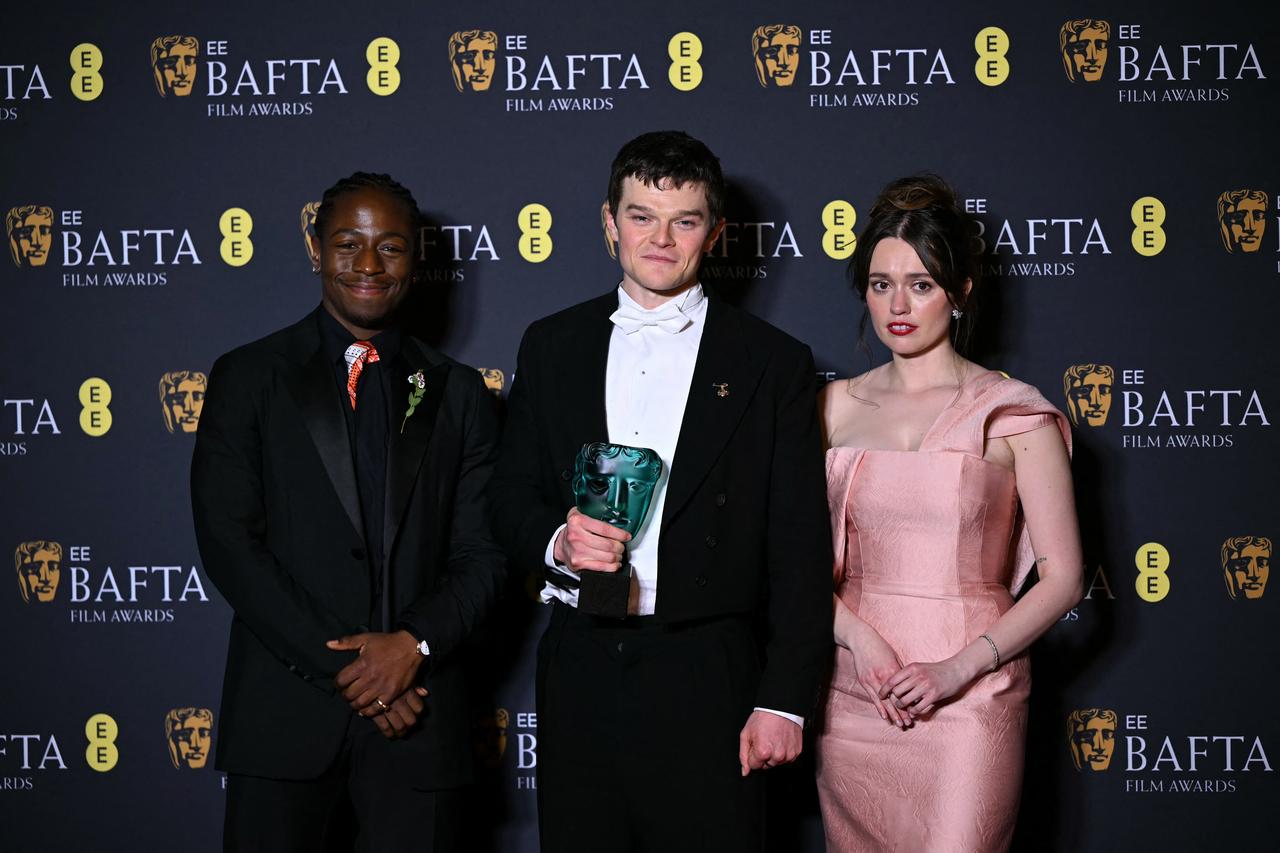
One of the evening’s most celebrated moments came when British actor Robert Aramayo overcame strong competition from established stars including Timothee Chalamet and Leonardo DiCaprio to win best actor for “I Swear.”
The performance depicts a man living with Tourette syndrome, a neurological condition characterized by involuntary movements and vocalizations, inspired by the real-life experience of Scot John Davidson. Aramayo, widely seen as an underdog, reacted emotionally on stage, saying, “I honestly cannot believe I won this award. I really, really cannot,” while emphasizing that the film helped shine a light on a misunderstood condition.
In the best actress category, Ireland’s Jessie Buckley continued her awards-season success with her portrayal of Agnes, William Shakespeare’s wife, in “Hamnet.” Accepting the award, Buckley dedicated the recognition to women across generations, stating, “This really does belong to the women past, present and future that have taught me and continue to teach me how to do it differently.”
The film also secured the award for outstanding British film, reinforcing the ceremony’s renewed emphasis on local storytelling.
Although the BAFTAs are open to productions from all nationalities, unlike France’s Cesar Awards or Spain’s Goya Awards, which primarily highlight domestic cinema, this year’s ceremony placed noticeable emphasis on British-linked talent.
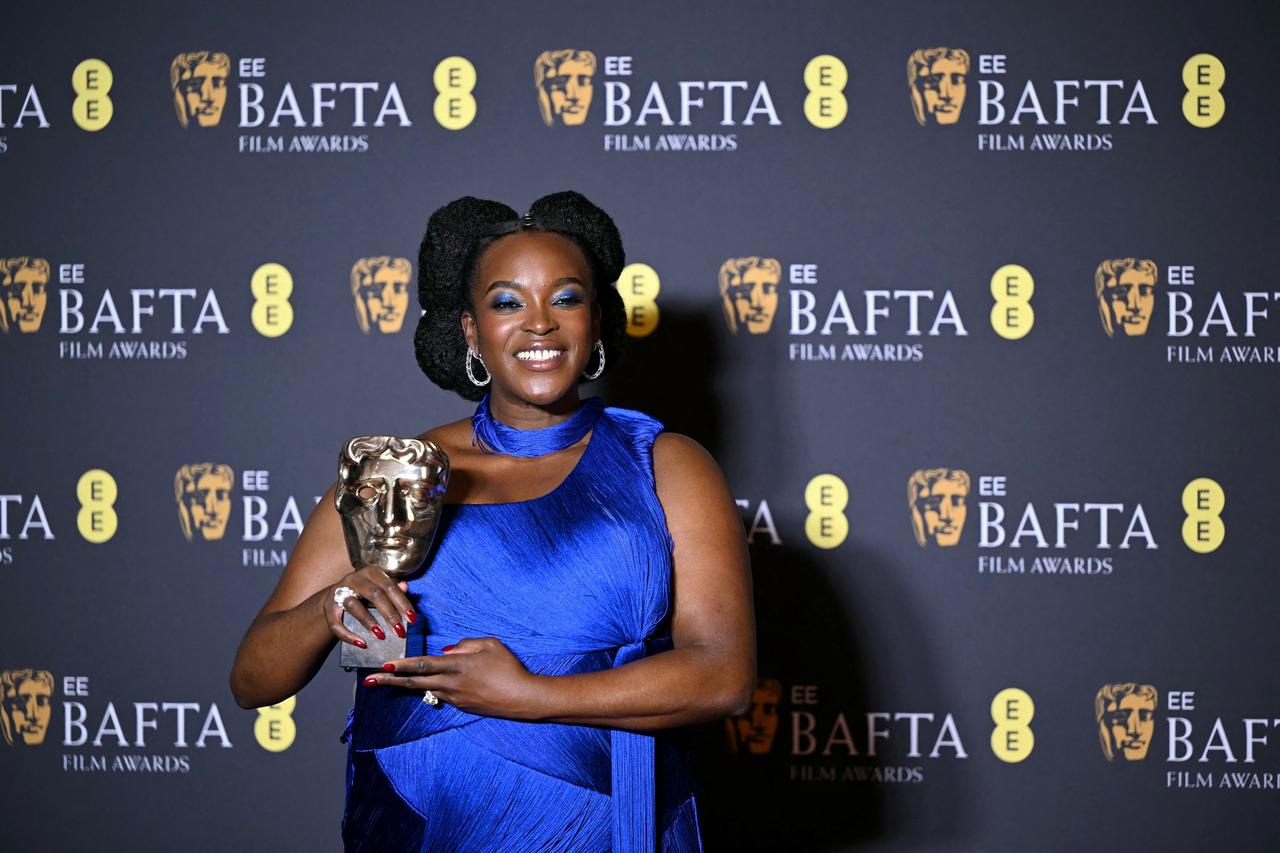
Nigerian-British actress Wunmi Mosaku won best supporting actress for her role in “Sinners,” while “Sentimental Value” became the first Norwegian production to win the foreign language film category. Director Joachim Trier described the film as an attempt to explore family relationships and intergenerational trauma through an intimate narrative about estranged relatives reconnecting during the making of a film.
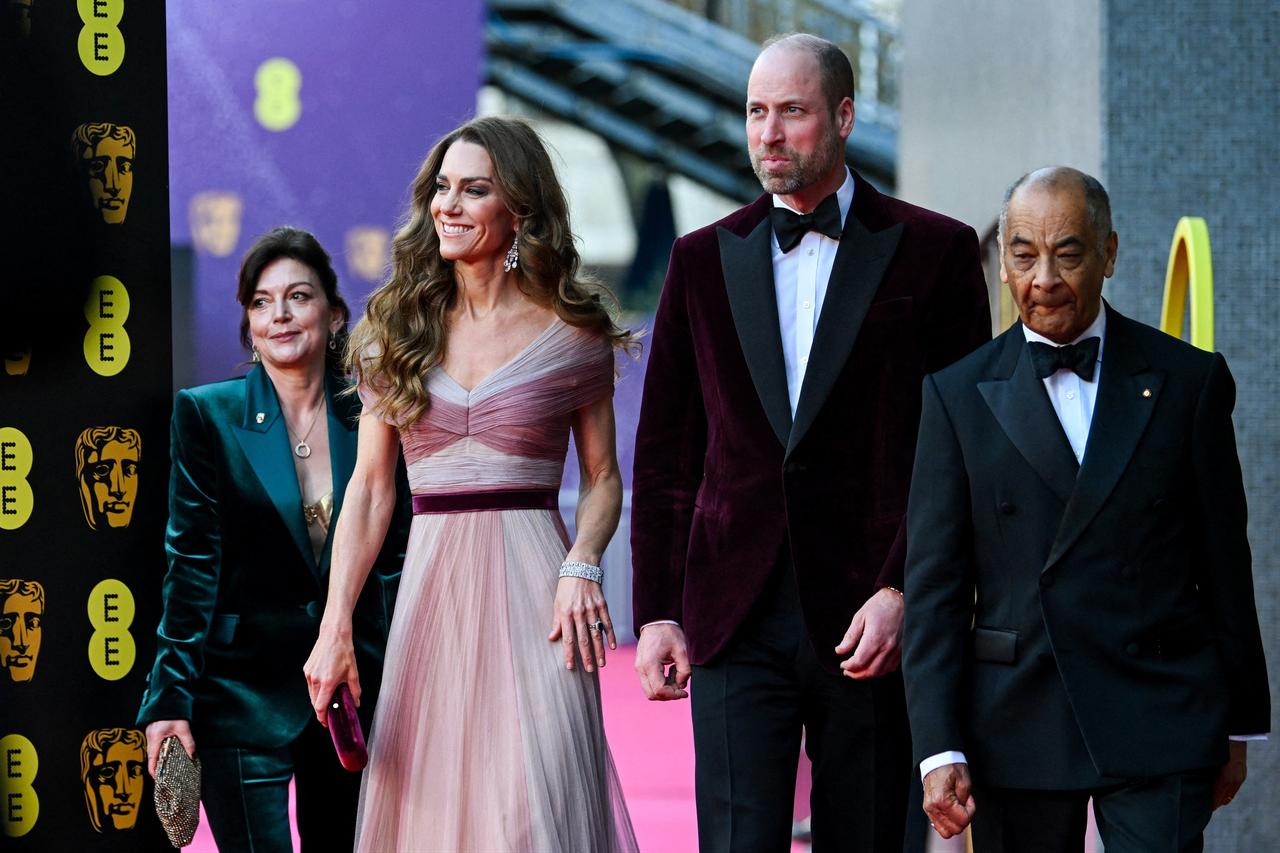
The evening drew prominent figures from both Hollywood and the British royal family. BAFTA president Prince William attended alongside Princess Catherine, joining actors including Leonardo DiCaprio, Timothee Chalamet and Cillian Murphy.
Prince William’s appearance came at the end of a turbulent week for the royal family following the arrest of his uncle, former prince Andrew. When asked whether he had watched “Hamnet,” William indicated he had not yet done so, saying he needed to be in a calmer state before viewing the film, according to the PA news agency.


 Set as preferred source
 Set as preferred source



 2 min read