Newsletters


A new documentary will bring together the geological, archaeological and historical story of a volcanic landscape in western Türkiye that ancient geographer Strabo described as Katakekaumene, or "the burned land."
Filming for "Muhurlu Topraklar," produced by Izmir Katip Celebi University, has been completed in the Kula district of Manisa as part of a wider production centered on the Kula-Salihli UNESCO Global Geopark.
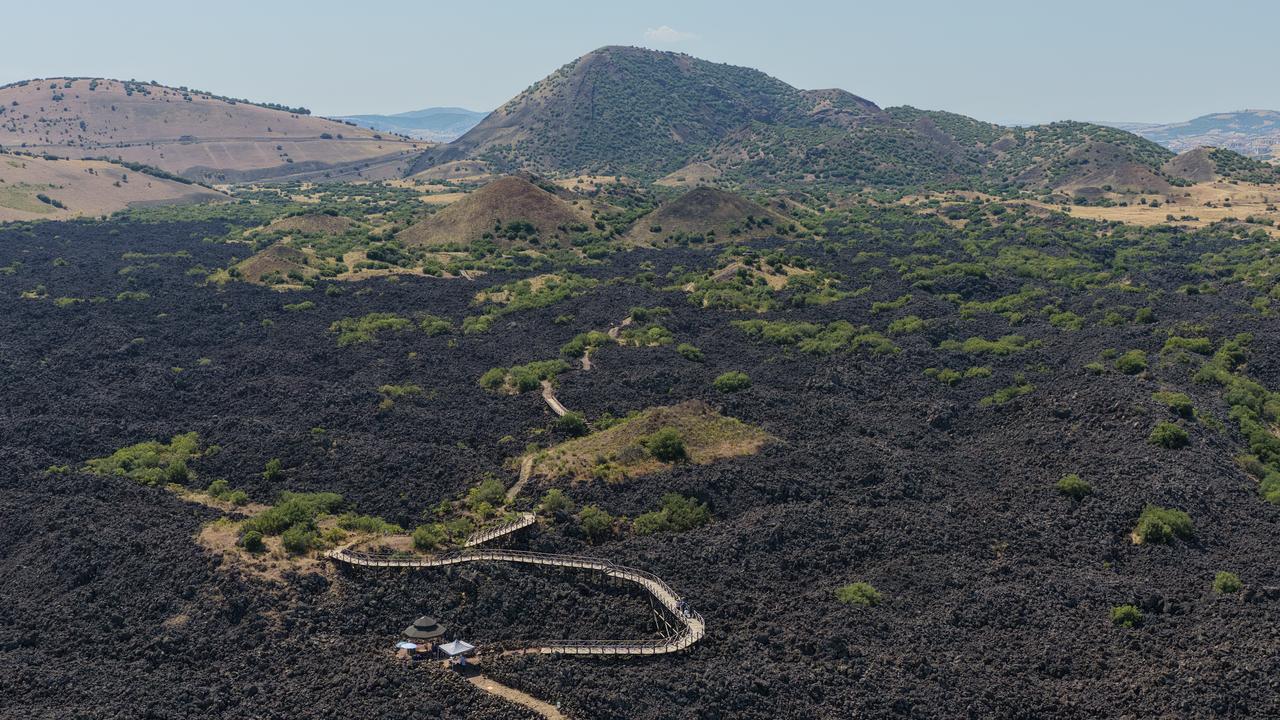

Directed by Professor Cenk Demirkiran, head of the university's Media and Communication Department, the documentary follows the relationship between volcanoes, people and the historical development of the region.
Academics and students are taking part in both the technical and acting teams, while the premiere is planned to take place at the Kula Divlit Volcanic Park.
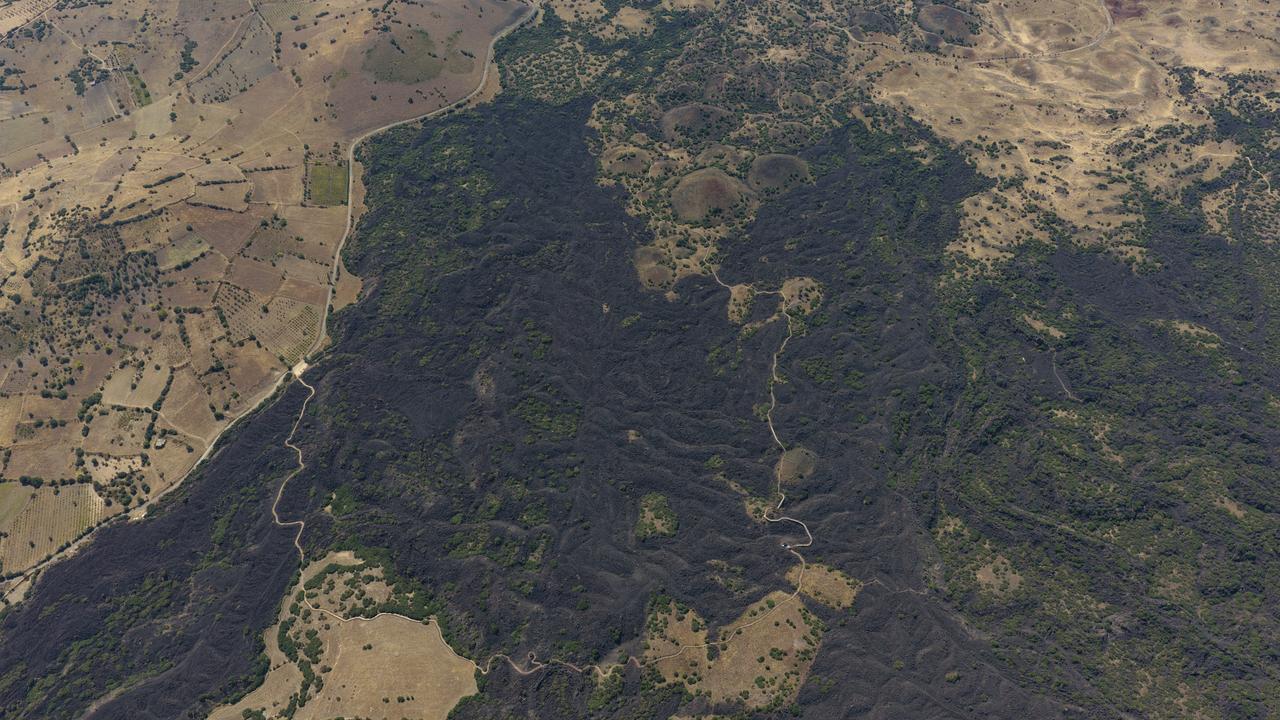
Demirkiran said the production builds its story around Strabo's ancient description of Katakekaumene, a broad area stretching between Kula and Salihli.
"We created our story by setting out from the records of the Katakekaumene region—meaning the "burned land"—a name Strabo gave it. In this film, we want to tell the archaeological and geological story of the wide area between Kula and Salihli that was called Katakekaumene. We are trying to tell it in a story-driven way that audiences can easily understand without being overwhelmed by technical terms," he said.
The filming route takes in the geopark in Kula before moving on to Salihli, Sardes and Adala Canyon, bringing together sites linked to both the natural and human history of the region.
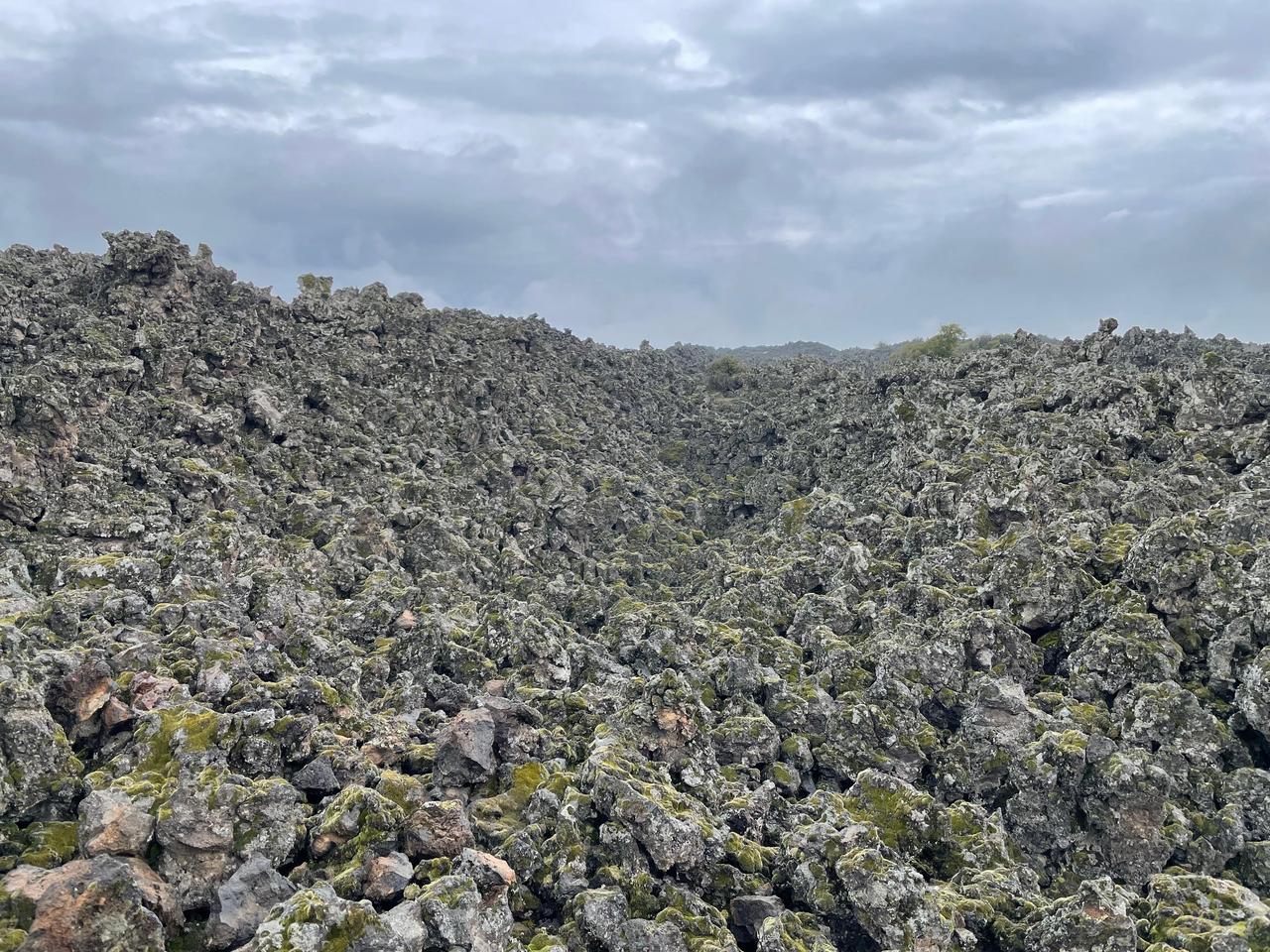
Professor Akin Ersoy of Izmir Katip Celebi University's Department of Turkish-Islamic Archaeology said the region remained productive and continued to support human life despite volcanic eruptions.
Professor Serdar Vardar, head of the university's Geography Department, said the project approaches the landscape from two connected perspectives, drawing on ancient and archaeological sources while also examining environmental changes preserved in natural records.
The documentary is intended to trace how the environment has changed from Strabo's time to the present while setting those changes alongside the archaeological history of the area.


 Set as preferred source
 Set as preferred source


 1 min read
 1 min read