Newsletters


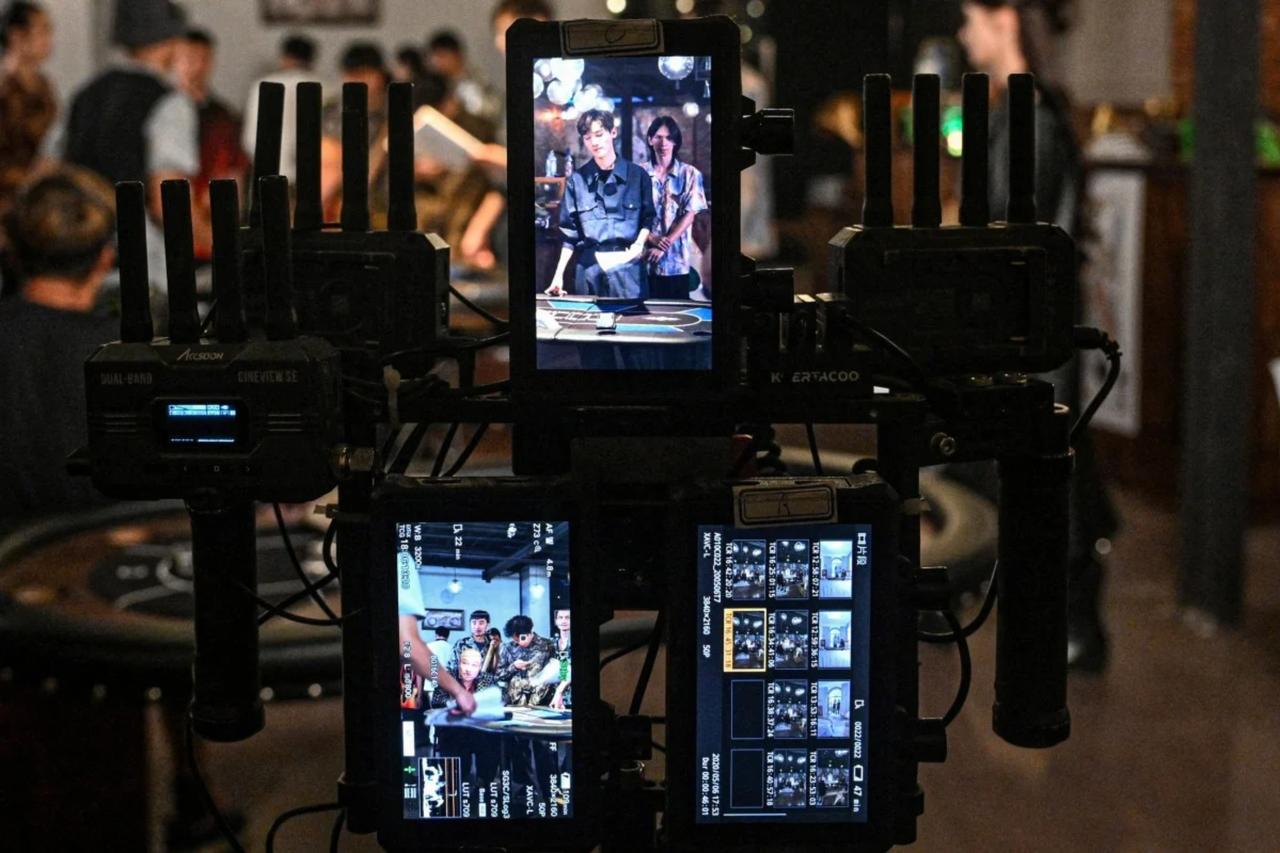


It is a truth universally acknowledged that when a pair of star-crossed lovers collide, it is a thing to behold. Until you hit the paywall, that is.
Duanju means short drama in Chinese and is also referred to as vertical or microdrama in English. You may have encountered them while doomscrolling on your social platform of choice. Internet prank (swipe), podcasters (swipe), cats being cats (swipe), figureheads being figureheads (swipe), then you suddenly encounter a dramatic—and often AI-generated—scene. The narrator begins to weave a tale of deception, chance encounters, and fated couples. Alas, nothing in life is free. The video cuts off at a crucial moment, and a prompt appears: download the app to find out what happens next.
The plot of these fast-paced dramas unfolds in approximately one- to three-minute-long episodes. Each bite-sized unit ends in a mini-cliffhanger designed to encourage continued viewing. These series are advertised as free to access and hosted on apps using micropayment models.
The apps may offer the first few episodes free of charge, and then once the viewer is hooked, ask them to purchase subscriptions, tokens, or unlock episodes by watching ads. Anyone who has ever spent a bit of time playing a free mobile game would be familiar with how in-app purchase mechanics work. After investing some time and effort into the product, one might feel that crossing the paywall threshold by making a small payment is justified.
Technology research and advisory firm Omdia estimates that “global microdrama revenues reached $11 billion in 2025 and will grow to $14 billion by the end of 2026.” Data from mobile app market intelligence platform Sensor Tower illustrates growing user engagement, with global drama downloads “surpassing 850M downloads in Q1 2026, up 140% year-on-year” and six drama apps ranking among “the worldwide Top 40 apps by downloads, led by FreeReels at No. 8.”
While China, the birthplace of the vertical drama, remains its biggest market, the United States is its biggest overseas market, with Latin America and Southeast Asia counted among the fastest-growing consumers. No stranger to exporting its titles to those regions, Türkiye has also taken notice of this trend. Turkish producers have begun developing live-action and AI-generated vertical dramas in an effort to capitalize on their existing fanbase across emerging markets. Turkish producers such as PeekShort, TurkShort, and DramaTv follow the same app-gated ecosystem to distribute their series, while another company, Iki Dakika Creative House, takes a platform-native and brand-funded approach.
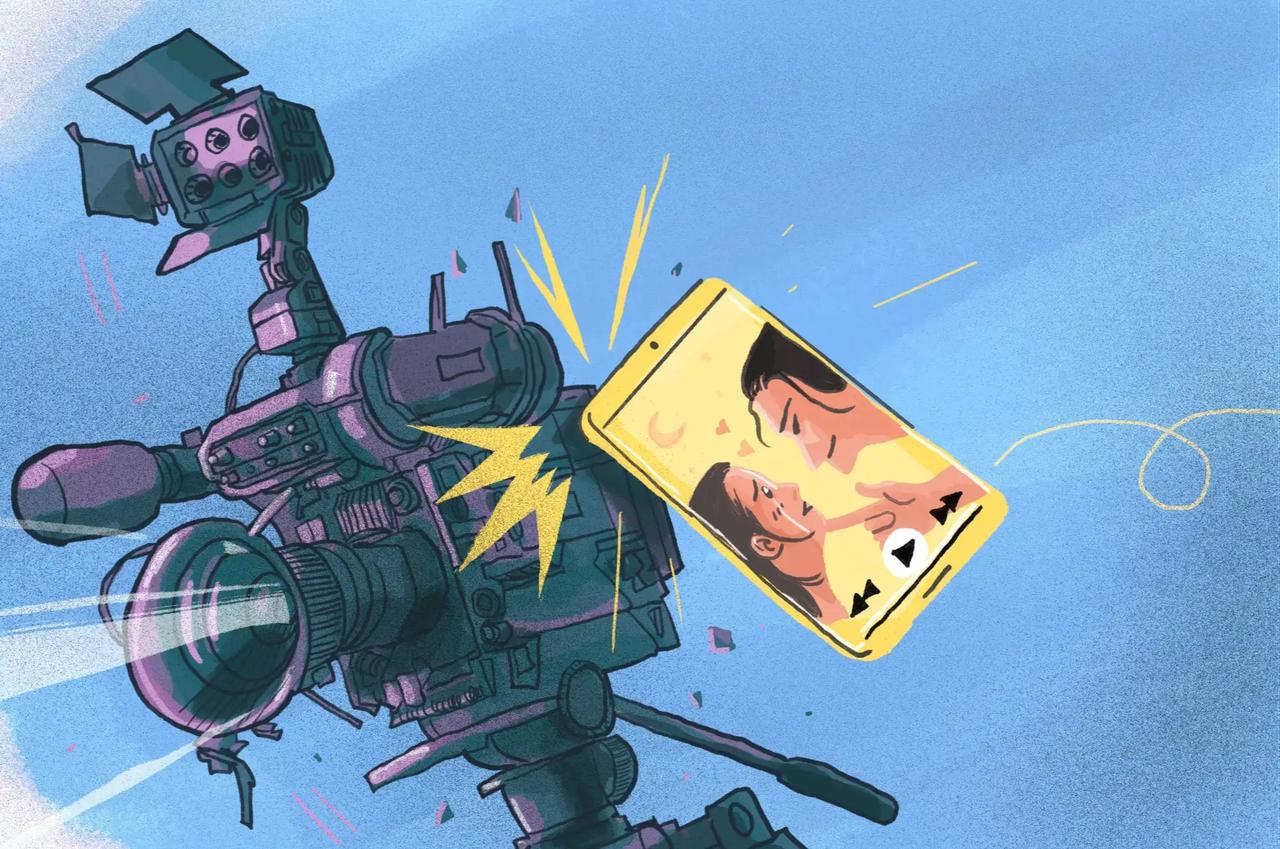

Vertical dramas are promoted on social media giants such as TikTok, Instagram, and YouTube, relying on their targeting mechanisms to find users who may have already interacted with similar content. The first few seconds are meant to hook in the viewer. Drama apps reportedly test clips constantly to find which ones turn casual viewers into paying users. This allows producers to gauge audience response faster, steer away from titles and plotlines that do not resonate with viewers, and invest capital in those that do.
The narrative structure of vertical dramas is shaped largely by the devices used to view them and the systems organizing our engagement with them. Filmed in 9:16, the vertical ratio of a phone held upright, these dramas leave little room for wide angles or atmospheric shots, so close-up dialogue does most of the work. Episode scripts follow a repeated pattern of intense dialogue, conflict, and cliffhangers. Narrative premises are usually built on universal tropes molded to appeal to their target audience: women. Dramatic makeovers, secret heirs, revenge plots, contract marriages, even fantasy genre elements—all to deliver pure escapism in tiny morsels.
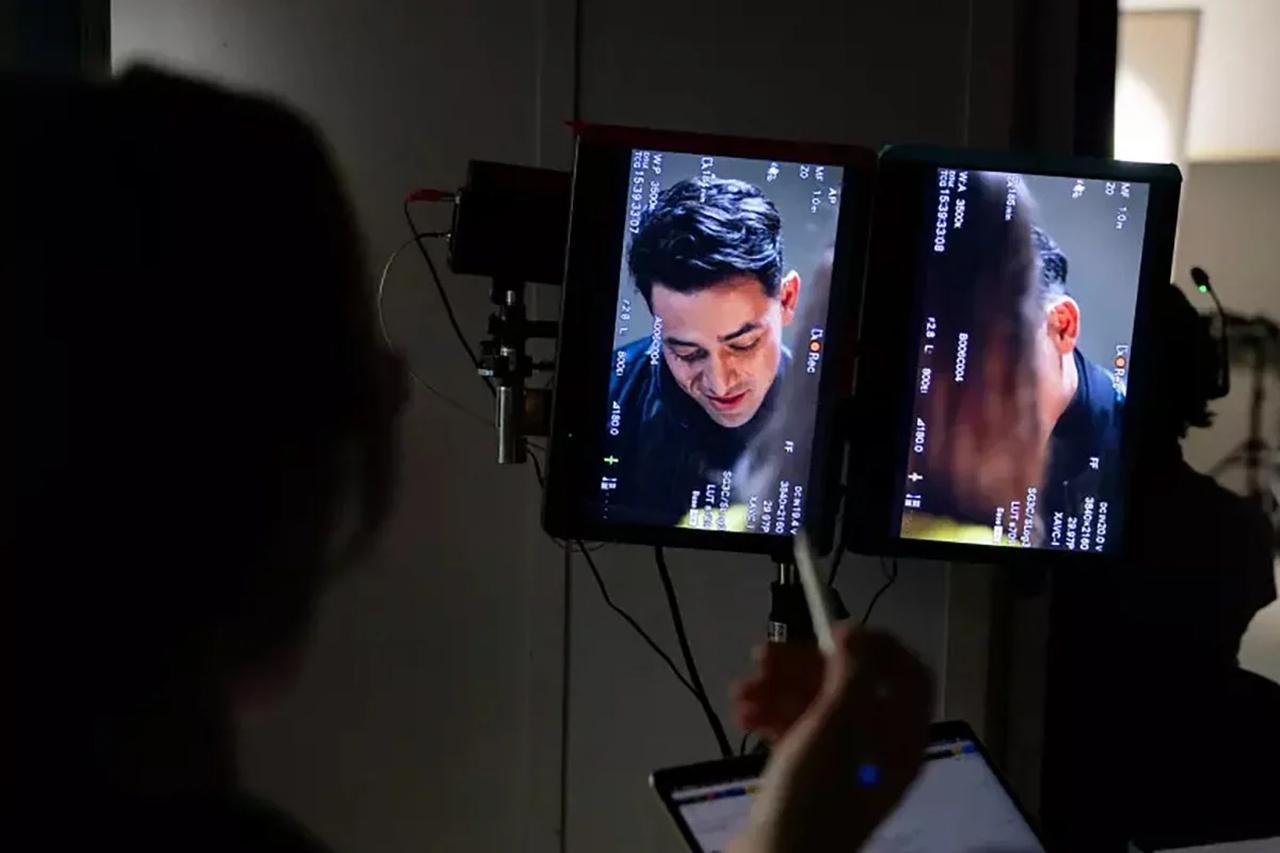
Chinese dramas usually give their characters English names when dubbed. Local productions use names, faces, and settings that would be more immediately familiar to international audiences, but the relationship dynamics and social norms do not resemble those you would encounter in a TV series produced in the U.S. or Europe, for example. This is a result of these series often being roughly localized versions of web novels or intellectual property (IP) that proved successful in Asian markets.
The female protagonist might be portrayed as wronged or as needing a way out of a certain predicament. The male characters are more active participants in the plotline; their actions more often steer the plot toward the twists and ultimate resolutions that “happen to” the female protagonist. Excessive wealth is glorified. Seeking forgiveness is depicted as a shameful act born of desperation and not of any sense of remorse and personal growth.
Without painting this form of entertainment as a boogeyman, it is worth asking: can mindless fun also normalize somewhat extreme ideas on social roles, authority, and accountability when the fun is created and replicated at large scale with the objective to keep you coming back?
As an article published in the Yale Journal of International Affairs puts it, “the core question is whether these algorithmically curated narrative environments can shape core assumptions about security and injustice.”
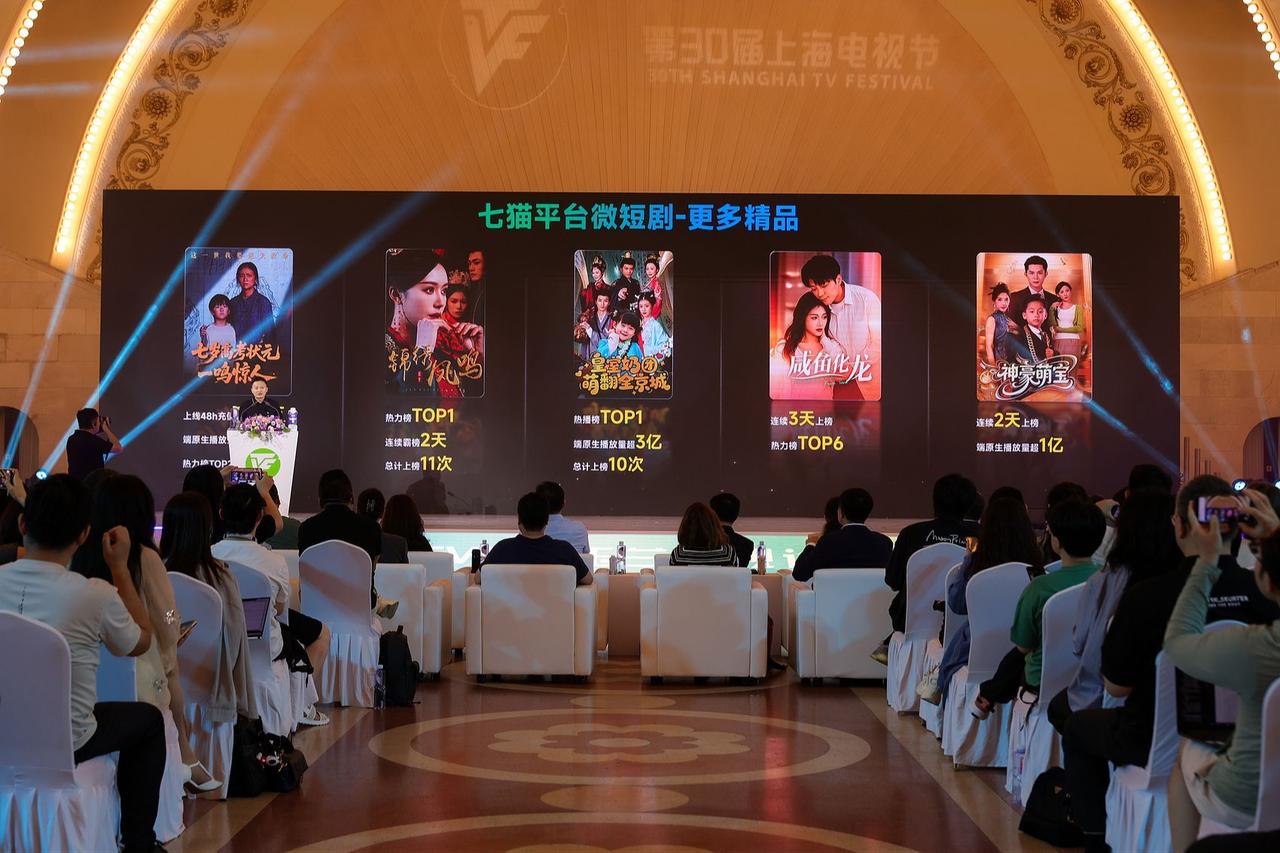
China’s 14th and 15th Five-Year Plans for its Vision 2035 roadmap have encouraged the country’s cultural IP to go global to strengthen people-to-people ties. Delivered to viewers worldwide through apps and social media, vertical dramas fit that aspiration.
Soft power is the ability to influence through attraction and persuasion. Today, much of that attraction is brokered by algorithms, which steer the music, trends, humor, and opinions we interact with and measure our responses almost in real time. The vertical drama format is native to that very arena: made for mobile screens and promoted by digital platforms, it has the ability to carry cultural cues one episode at a time.
It might be a leap, however, to draw a direct connection from policy to format or to claim that digital products will replace traditional soft power tools. After all, short dramas are more an agile cultural exposure channel than a national narrative-setting device, and Western media continues to dominate global entertainment. Even so, dismissing their potential as a cultural instrument would be missing part of the picture.


 Set as preferred source
 Set as preferred source


 1 min read