Newsletters


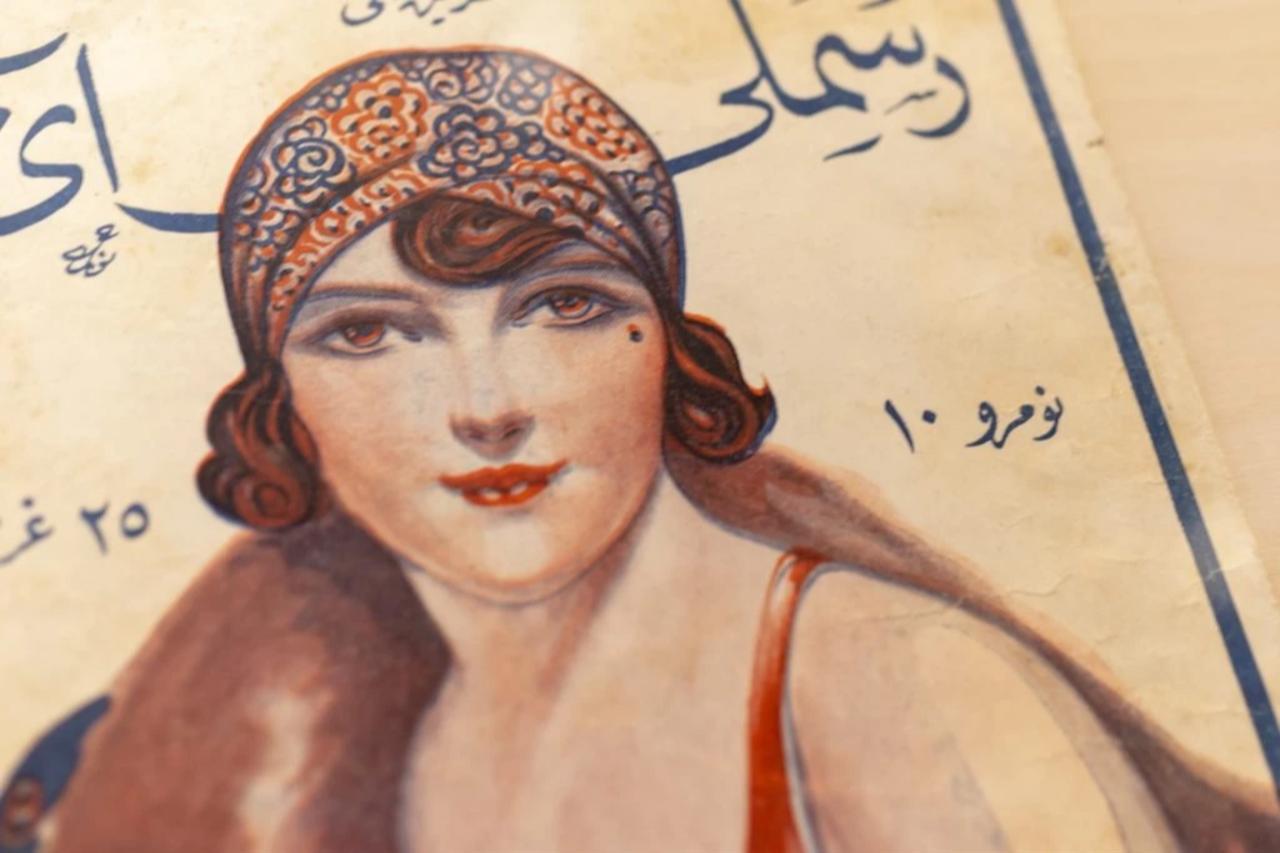


Commander of the Ottoman Empire’s Eastern Army, Kazim Karabekir Pasha, sounded the alarm in 1919, warning the War Ministry of a new kind of threat. In a report cited by Patronlar Dunyasi, the general claimed attractive women were being used as secret weapons in Bolshevik propaganda and in high-stakes intelligence activities in Istanbul.
The account has resurfaced amid recent debate over so-called "honey-trap" tactics, a term used for operations in which attractive women or men are used to lure influential or well-connected targets, sometimes to gather intelligence and/or to apply pressure through blackmail.
Recent reports about domestic and international operations involving celebrities and other public figures have brought renewed attention to the term.
The discussion also recalled a historical episode from Istanbul in the aftermath of the 1917 Bolshevik Revolution, when large numbers of pro-tsar Russians, often referred to as White Russians, fled to the city. As these groups arrived in Istanbul, claims also emerged that Lenin had moved to build an organization there to monitor or influence developments.
According to the source, Istanbul's first Leninists emerged from within the ranks of the French army. It cites a document sent by the Third Corps Commander, Pasha, to the War Ministry on July 27, 1919, numbered 177/884.
In the report, Pasha said that the Bolshevik uprising seen among French soldiers in Istanbul had been organized by Lenin. He also reported that there was an organization in Istanbul set up to spread Bolshevik propaganda and that many "light women" were tied to it. He further stated that these women had played a role in encouraging and organizing unrest among French troops.
Karabekir's report also said Lenin had organizations in the United States and Britain, and that British newspapers had been publishing anxious reports claiming that a party had been formed in the House of Commons under the leadership of a staff colonel.
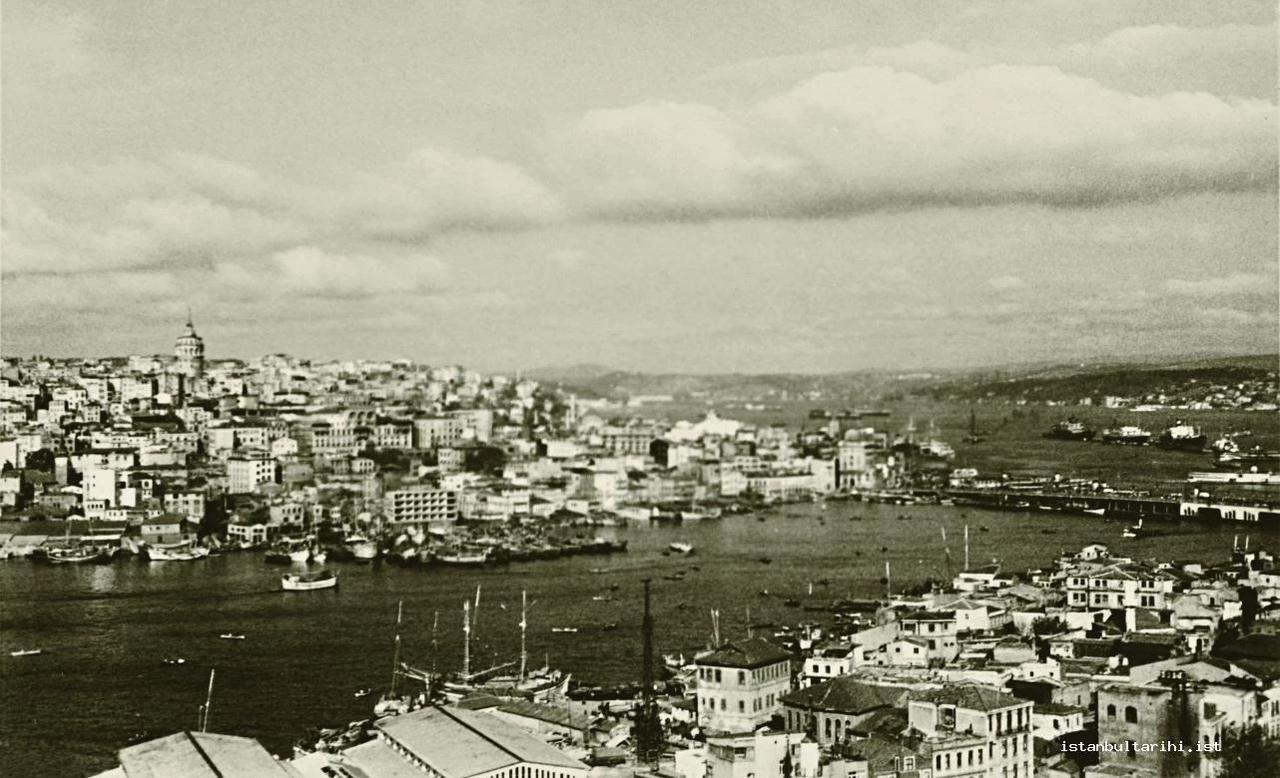

The Ottoman press closely followed developments in Russia and began referring to demands such as peace, liberty and equality, while also introducing figures including Lenin, Trotsky and Zinoviev to readers, the source text reports.
It says that the Ottoman newspapers mentioned Lenin for the first time on April 7, 1917, in "Tasvir-i Efkar" and "Ikdam."
Those early reports said that Lenin had taken over the leadership of the Russian revolutionary movement from Plekhanov, that pro-German forces in Russia were gaining ground, and that Lenin had formed an armed militia of over 70,000 men with German money and weapons. The reports, however, did not dwell much on Lenin's ideas or ideology.
After Lenin brought about the revolution, the text notes that communist ideology started to gain momentum in Türkiye as it did elsewhere.
It adds that communist organizations began to appear even within the armies of countries fighting on the side of the Allied powers, including France, Britain, the United States, and Greece, and that these currents soon spread into occupation forces in Anatolia.
The October 1917 Revolution in Russia did not initially stir broad excitement in the Ottoman Empire, which was then going through some of the darkest years of World War I. The text says that the upheaval drew limited interest beyond a small circle of intellectuals and journalists.
Although the National Forces, or Kuva-yi Milliye, appeared at times to lean toward Moscow, mainly because Russia had ceased to be a major enemy, and the new Soviet state used anti-imperialist language. The source stressed that this was never an ideological alignment. Instead, it describes the relationship as a strategic and necessary friendship. Even so, that was enough for the Istanbul governments aligned with Britain to accuse the Anatolian movement of Bolshevism.


 Set as preferred source
 Set as preferred source


 2 min read